

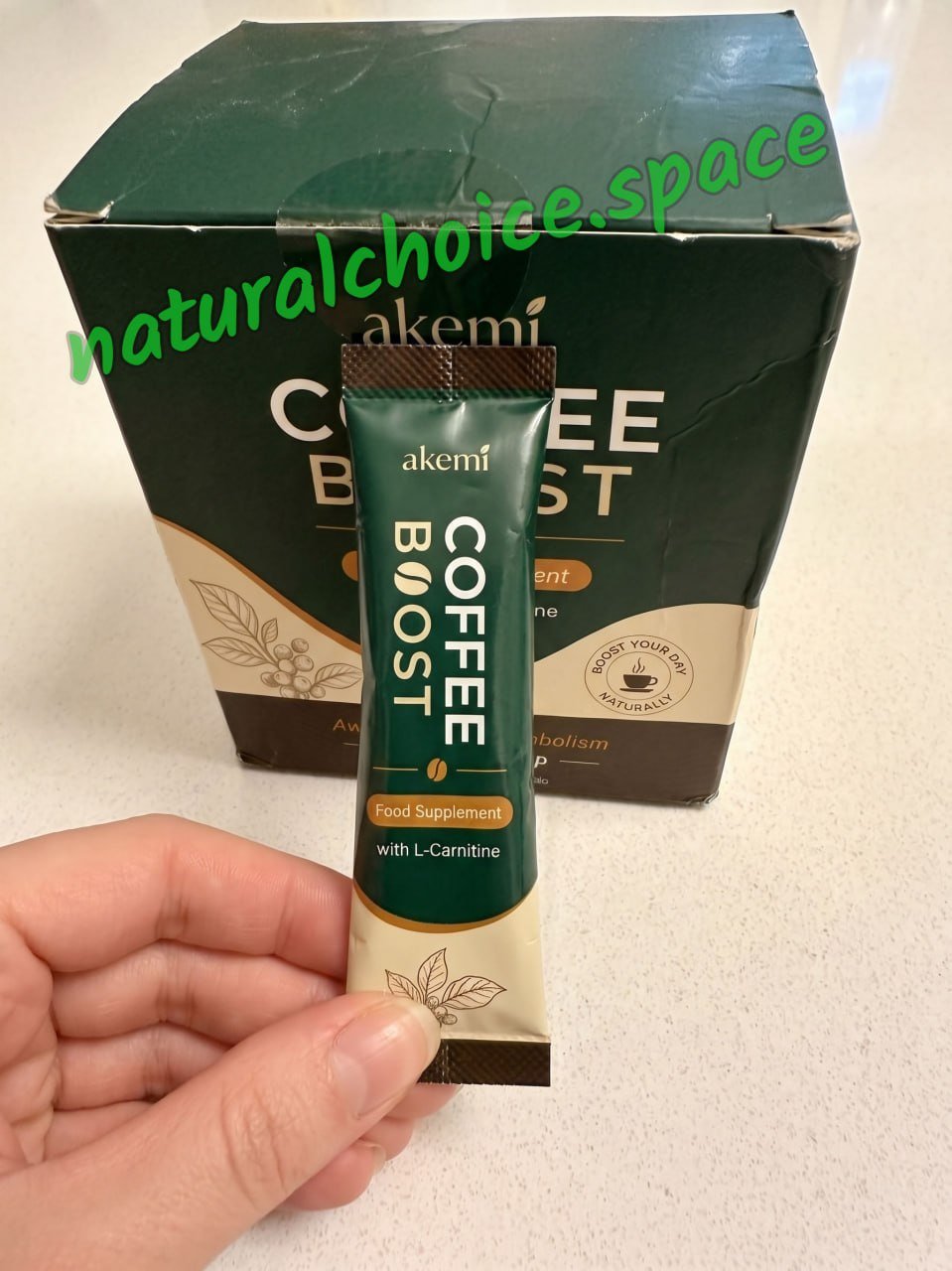
Struggling with stubborn weight, unpredictable cravings, and afternoon energy dips can make managing your weight frustrating. Blood sugar fluctuations, insufficient dietary fiber, poor sleep, and everyday eating habits can all influence appetite and energy levels. Although no supplement can correct every underlying cause, certain plant extracts and soluble fibers have been investigated for their potential roles in metabolic health.
Akemi Coffee Boost enters this crowded market with a particularly convenient proposition: support appetite management, carbohydrate metabolism, and everyday energy through a single sachet mixed into an ordinary beverage. Its combination of botanical extracts and dietary fibers caught my attention, although some of its advertised results deserve closer scrutiny.
After years of writing about wellness products and examining supplement formulas, I’ve learned to separate appealing marketing from evidence that actually helps consumers make decisions. This is my detailed Akemi Coffee Boost review, covering what I discovered about its ingredients, potential benefits, official customer testimonials, complaints, side effects, dosage, and whether the product appears legitimate or a scam.
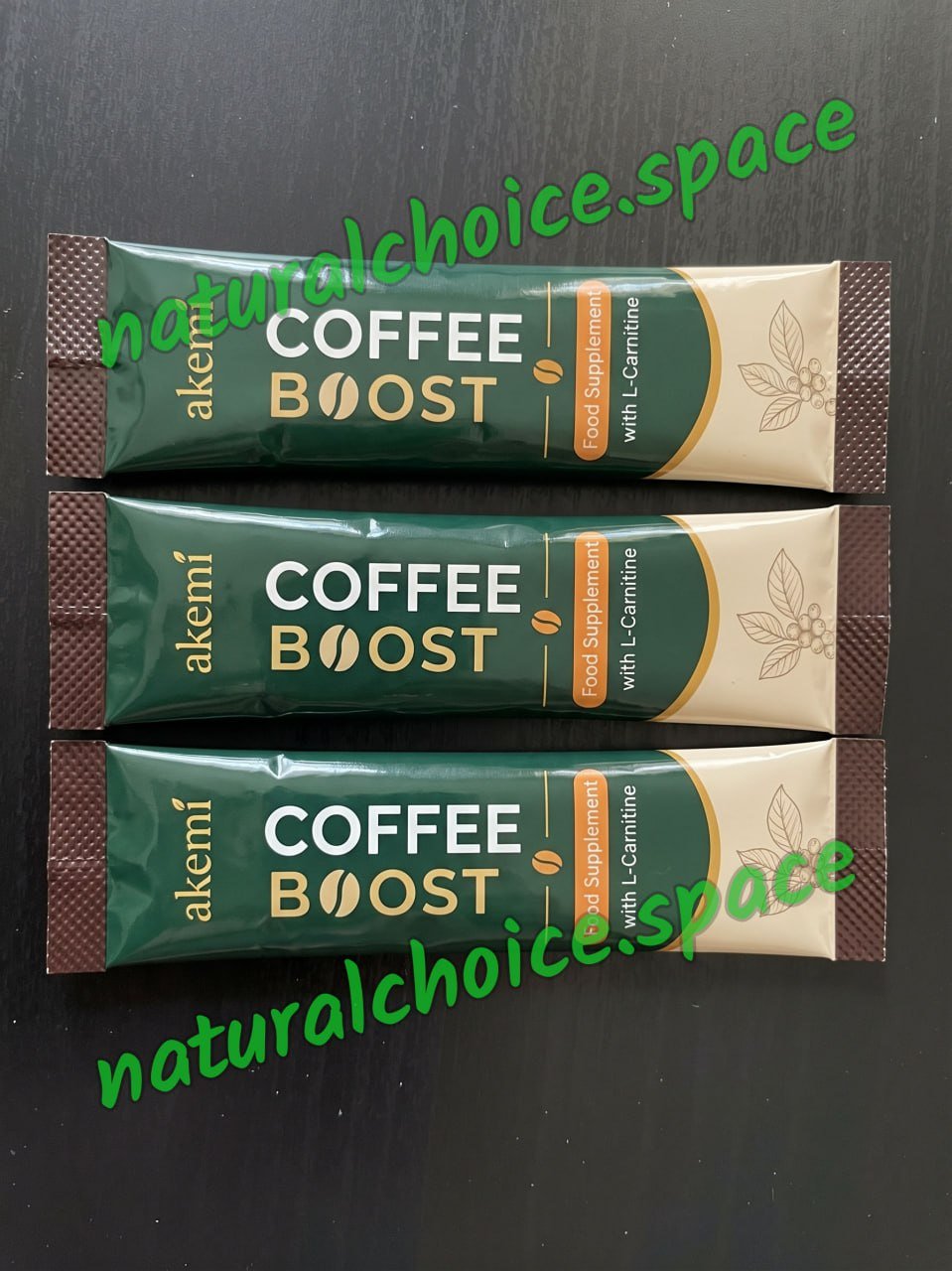
Akemi Coffee Boost Overview: Essential Product Information
Before examining the formula, I want to establish exactly what consumers are being offered. Akemi Coffee Boost is marketed as a daily drink-mix supplement for people interested in metabolic support without adding a complicated routine.
| Product Information | Details |
|---|---|
| Product Name | Akemi Coffee Boost |
| Product Category | Weight-management and metabolic-support supplement |
| Form | Single-serving powder sachets |
| Formula Name | JavaBurn™ |
| Main Ingredients | Green tea, green coffee bean, white kidney bean, mulberry leaf, L-carnitine, resistant dextrin, and psyllium husk |
| Primary Purpose | Support carbohydrate metabolism, appetite management, and weight-control efforts |
| Recommended Usage | One sachet daily |
| Preparation | Mix into a hot or cold beverage |
| Dietary Positioning | Advertised as plant-derived and non-GMO |
| Testing Claims | Third-party testing advertised; independent documentation not established |
| Potential Caffeine Content | Not confirmed; green tea and green coffee extracts can contain caffeine |
| Refund Policy | Advertised 30-day money-back guarantee, subject to official purchase terms |
| Editorial Rating | 4.6/5 ★★★★★ for formula concept and convenience, not clinically proven results |
| Official Website | ✅ Click Here |
My initial impression is that the product’s strongest feature is its simplicity. However, the absence of confirmed ingredient quantities and product-specific clinical trial results limits how confidently anyone can predict its effectiveness.
What Exactly Is Akemi Coffee Boost?
Akemi Coffee Boost is a powdered dietary supplement intended to be mixed with coffee, tea, water, or another beverage. Its central selling point is that users can incorporate ingredients associated with metabolic and digestive support into an existing daily habit.
Unlike conventional weight-loss capsules, this formula combines plant extracts with dietary fibers. The extracts are promoted for their possible effects on carbohydrate processing and energy metabolism, while the fiber ingredients may support digestive regularity and fullness.
The manufacturer describes the JavaBurn™ formulation as capable of stabilizing blood sugar, reducing cravings, and promoting fat burning. These are manufacturer claims rather than established clinical outcomes for the finished product. I consider the formula interesting, but meaningful results will depend on actual ingredient dosages, individual health factors, and broader lifestyle habits.
Who Created Akemi Coffee Boost?

The promotional material for Akemi Coffee Boost identifies Dr. James Collins as a medical doctor, board-certified nutritionist, and metabolic-health specialist associated with the product’s expert presentation.
His quoted commentary emphasizes supporting natural energy pathways and improving everyday energy levels. However, I could not independently establish his professional credentials, exact development role, or whether he personally formulated the supplement.
That distinction matters when evaluating health products. A professional endorsement does not replace transparent manufacturing information, independent testing, or published clinical research.
I would welcome clearer documentation about the company, manufacturing facilities, quality-control standards, and individuals responsible for developing the formula.
How Does Akemi Coffee Boost Work?
The proposed mechanism behind Akemi Coffee Boost involves several complementary nutritional pathways. Instead of relying on one botanical extract, the formula brings together ingredients associated with carbohydrate digestion, antioxidant activity, fiber intake, and energy metabolism.
White kidney bean extract has been studied for its ability to inhibit alpha-amylase, an enzyme involved in starch digestion. Mulberry leaf contains compounds investigated for their influence on carbohydrate-digesting enzymes. These mechanisms may help explain the manufacturer’s emphasis on post-meal glucose responses, although the effect of this particular mixture has not been established.
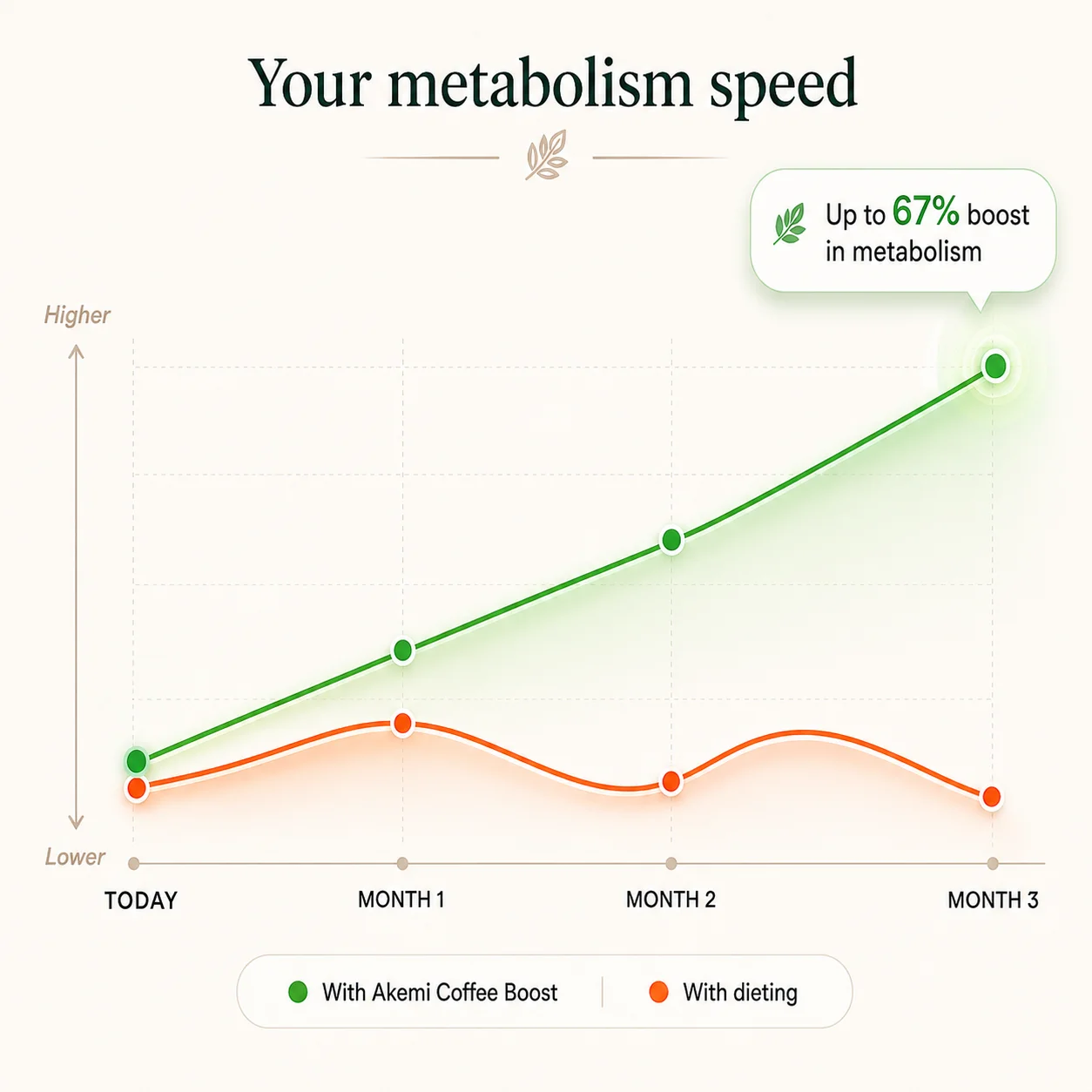
Green tea and green coffee bean extracts contribute polyphenols, including catechins and chlorogenic acids. Researchers have explored these compounds for possible metabolic effects, but evidence does not establish continuous fat burning or dramatic weight loss.
Meanwhile, resistant dextrin and psyllium contribute fiber-related functions. Depending on their quantities, these ingredients may help support fullness, digestion, and more gradual nutrient absorption.
My interpretation: The formula has a plausible nutritional rationale, particularly around carbohydrate processing and fiber. Claims of immediate glucose stabilization, automatic calorie blocking, or substantial weight loss without lifestyle changes go beyond what can currently be confirmed.
Akemi Coffee Boost Ingredients: My Detailed Formula Analysis
The ingredients are the most important part of my evaluation of Akemi Coffee Boost. Natural ingredients can still cause adverse reactions, interact with medications, or produce unwanted effects at excessive concentrations. Extract strength, ingredient purity, and serving size are just as important as the names printed on the label.
The advertised formula contains seven ingredients, but individual quantities have not been provided here. That prevents a reliable comparison with the dosages used in clinical studies. Below, I examine the purpose of each ingredient and the limitations consumers should understand.
🍃 Green Tea Extract
Green tea extract comes from Camellia sinensis and contains catechins, including epigallocatechin gallate (EGCG). These plant compounds have attracted scientific interest because of their antioxidant activity and possible influence on fat oxidation and energy expenditure. Some research suggests modest weight-related effects, although findings are inconsistent.
I appreciate green tea’s inclusion because it has been studied extensively. Nevertheless, concentrated extracts can differ substantially from brewed tea. High-dose green tea extracts have been associated with liver injury, and some formulations contain caffeine. Knowing the EGCG quantity would make this ingredient easier to evaluate.
🍃 Green Coffee Bean Extract
Green coffee bean extract is produced from unroasted coffee beans and contains chlorogenic acids. These compounds have been studied for possible effects on glucose metabolism, body weight, and other metabolic indicators. Some clinical analyses have reported modest weight-related improvements, although research quality and outcomes vary.
For this formula, green coffee bean extract provides a reasonable basis for discussing metabolic support. However, it cannot guarantee noticeable weight loss or sustained energy. Green coffee may also contain caffeine, making the manufacturer’s stimulant-free positioning something I would want verified.
🍃 White Kidney Bean Extract
White kidney bean extract, derived from Phaseolus vulgaris, is commonly marketed as a starch-blocking ingredient. Certain preparations contain alpha-amylase inhibitors that may reduce the digestion of some dietary starches. This mechanism is especially relevant to meals containing substantial amounts of starch.
The important limitation is that inhibiting some starch digestion does not mean blocking every carbohydrate or calorie. Results depend on extract standardization, dosage, meal composition, and individual responses. Digestive discomfort may also occur when more undigested carbohydrates reach the large intestine.
🍃 Mulberry Leaf Extract
Mulberry leaf contains naturally occurring compounds, including 1-deoxynojirimycin, that have been investigated for their effects on carbohydrate-digesting enzymes. Small human studies suggest that certain preparations may influence post-meal glucose responses, making this ingredient relevant to the product’s metabolic positioning.
I see mulberry leaf as a potentially useful complementary ingredient rather than proof of blood sugar control. The actual concentration of active compounds matters considerably. People taking glucose-lowering medication should be particularly cautious because combining products that affect glucose regulation could increase the risk of low blood sugar.
🍃 L-Carnitine
L-carnitine is a compound involved in transporting long-chain fatty acids into mitochondria, where they can be used for energy production. The human body produces carnitine naturally, and it is also available through food. Its metabolic role explains why it appears frequently in weight-management supplements.
However, participating in fat metabolism does not automatically mean supplementation increases fat burning. Studies examining weight outcomes have produced mixed results, with some showing modest benefits in certain populations. Possible adverse effects include nausea, abdominal discomfort, and a fishy body odor at higher intakes.
🍃 Resistant Dextrin
Resistant dextrin is a soluble dietary fiber that resists digestion in the small intestine. Depending on its formulation and amount, it can be fermented by intestinal microorganisms and may contribute to digestive regularity, stool consistency, and metabolic responses.
This ingredient gives the product a practical digestive-support dimension. Fiber can also contribute to fullness, although a small sachet may not contain enough to produce a substantial effect. Increasing fermentable fiber too quickly may cause gas or bloating, particularly in people with sensitive digestive systems.
🍃 Psyllium Husk
Psyllium is a soluble fiber obtained from the seeds of Plantago ovata. When mixed with adequate liquid, it forms a gel-like substance that can support bowel regularity and influence the absorption of certain nutrients. Research also supports benefits for cholesterol management and some measures of glycemic control at appropriate doses.
Of the ingredients listed, psyllium is one I find particularly practical because its digestive benefits are well established. Still, the quantity in each sachet remains important. Psyllium must be consumed with sufficient liquid, and it can interfere with the absorption of some oral medications when taken too close together.
Six Potential Benefits of Akemi Coffee Boost
The appeal of Akemi Coffee Boost comes from its promise to address several everyday obstacles to weight management through one convenient drink. The combination of fiber and plant extracts offers a plausible basis for some benefits, although the strength of the evidence varies considerably.
I would evaluate the following six benefits as possibilities rather than guaranteed outcomes. There is an important difference between evidence for an individual ingredient and evidence that a finished supplement produces the same result.
★ 1. May Support More Balanced Post-Meal Glucose Responses
The combination of mulberry leaf, white kidney bean, and green coffee bean extracts makes glucose metabolism a central part of the formula. Certain compounds in these ingredients have been studied for their ability to influence carbohydrate digestion or post-meal glucose responses.
This could be relevant for people interested in maintaining healthier dietary habits. However, Akemi Coffee Boost has not been demonstrated to control blood sugar after every meal, and it should never replace prescribed diabetes treatment. The actual benefit depends heavily on ingredient concentrations and overall meal composition.
★ 2. Could Help With Appetite Management
Appetite regulation is influenced by meal composition, sleep, hormones, and many other factors. Soluble fibers such as psyllium may increase fullness by absorbing water and changing the physical characteristics of digestive contents.
I consider this one of the formula’s more reasonable potential advantages. If each serving supplies a meaningful amount of fiber, it may complement a balanced eating plan. However, the product cannot be expected to eliminate cravings or compensate for consistently inadequate meals.
★ 3. May Provide Modest Metabolic Support
Green tea catechins and green coffee compounds have been examined for their possible effects on energy expenditure and weight-related measurements. L-carnitine also has a recognized physiological role in fatty-acid metabolism.
These ingredients give the supplement a recognizable metabolic theme. Nevertheless, claims of continuous fat burning, including during sleep, are not established for this product. Any measurable effect may be relatively small, and long-term weight management still depends primarily on sustainable energy balance.
★ 4. Supports a Convenient Daily Wellness Routine
Convenience is arguably the most immediately credible benefit. A single sachet can be added to an existing beverage without measuring powders, swallowing several capsules, or preparing a separate drink.
That simplicity may improve consistency for people who struggle with complicated supplement schedules. Consistency alone does not guarantee effectiveness, but a product that fits comfortably into daily life is generally easier to use as directed.
★ 5. May Promote Digestive Regularity
Psyllium and resistant dextrin provide a fiber-focused element that distinguishes this formula from products containing only concentrated botanical extracts. Appropriate fiber intake supports digestive function and can help maintain more regular bowel movements.
I particularly like the inclusion of ingredients with established nutritional roles. Still, the amount of fiber in one serving determines how meaningful this benefit may be. Users should also maintain adequate fluid intake and introduce the product cautiously if they are prone to bloating.
★ 6. May Complement Everyday Energy Management
Green tea and green coffee extracts contain compounds involved in metabolic research, and caffeine may be present unless the extracts have been specifically decaffeinated. Some users could therefore notice a mild increase in alertness, depending on the actual formulation.
The advertised promise of smooth energy without jitters is appealing, but I would not treat it as guaranteed. Sustained energy depends on sleep, nutrition, hydration, and individual caffeine sensitivity, and the product’s caffeine content needs clarification before that claim can be assessed properly.
Akemi Coffee Boost vs Other Popular Weight-Management Brands
When comparing Akemi Coffee Boost with conventional weight-management supplements, I focus on formulation design, ease of use, transparency, and the practical experience of taking the product. The comparison below uses a general category of popular weight-management supplements rather than a specific competing brand, so it describes common market differences rather than verified superiority.


| Comparison Factor | Akemi Coffee Boost | Typical Popular Weight-Management Supplements |
|---|---|---|
| Delivery Format | Single-serving drink-mix sachets designed for mixing into beverages. | Often capsules, tablets, gummies, or larger powdered servings. |
| Daily Convenience | One sachet daily may be easier to remember alongside an established beverage habit. | Some products require several capsules or multiple daily servings, although others are equally convenient. |
| Ingredient Approach | Combines botanical extracts, L-carnitine, and soluble fibers within one formula. | May emphasize thermogenic compounds, isolated fibers, appetite ingredients, or stimulant blends. |
| Carbohydrate Support | Includes white kidney bean and mulberry leaf extracts associated with carbohydrate-digestion research. | Carbohydrate-focused ingredients are not present in every competing formula. |
| Digestive Support | Includes resistant dextrin and psyllium, potentially offering additional fiber-related benefits. | Many thermogenic products contain little or no dietary fiber. |
| Stimulant Considerations | Advertised as stimulant-free, but caffeine content remains unverified. | Some competitors disclose caffeine quantities clearly, while others contain proprietary stimulant mixtures. |
| Formula Transparency | Seven named ingredients are provided, but individual dosages have not been established. | Transparency varies; some competing brands provide fully quantified and standardized formulas. |
| Evidence Quality | Some ingredients have supporting research, but finished-product clinical evidence has not been established. | Evidence varies widely, with certain individual products having stronger clinical documentation. |
| Ease of Travel | Lightweight sachets can be packed individually without carrying a large container. | Capsules are similarly portable, while bulk powders may require measuring equipment. |
| Long-Term Practicality | The one-drink routine is simple, but cost and tolerability affect long-term suitability. | Practicality depends on serving frequency, price, capsule count, and ingredient tolerance. |
| Main Advantage | Convenient combination of several nutritional approaches in one drink mix. | Potentially greater flexibility in dosage, formulation choice, and independently documented ingredients. |
| Main Limitation | Unconfirmed extract concentrations make effectiveness difficult to predict. | Many products also lack strong evidence, although some offer clearer labeling. |
Where Akemi Coffee Boost Has an Advantage
I believe its most persuasive competitive strength is the combination of convenience and ingredient diversity. Someone already drinking coffee or tea each morning may find the sachet format easier to maintain than a separate supplement schedule.
The inclusion of both botanical extracts and dietary fibers also gives the formula a broader nutritional purpose than a typical caffeine-heavy thermogenic capsule. That is a formulation advantage, although it does not establish greater weight-loss effectiveness.
Where Other Products May Compete Better
Products that disclose precise ingredient quantities, independent laboratory certificates, and clinical testing may offer stronger transparency. This matters particularly when a supplement makes ambitious claims about blood sugar or fat metabolism.
My conclusion is that Akemi Coffee Boost has an attractive design, but I cannot reasonably rank it above all competing products without standardized dosage information and comparative clinical evidence.
Akemi Coffee Boost Testimonials


My Akemi Coffee Boost Rating: 4.6 Out of 5
My assessment of Akemi Coffee Boost places substantial weight on its practical design and ingredient selection. I also consider the limitations of its marketing claims and the information consumers still need before purchasing.
Overall Editorial Rating: 4.6/5 — ★★★★★
| Rating Category | Score | My Assessment |
|---|---|---|
| Daily Convenience | 4.9/5 ★★★★★ | One sachet mixed into an existing beverage is straightforward and requires minimal preparation. |
| Ingredient Selection | 4.7/5 ★★★★★ | The combination of plant extracts and soluble fibers offers several plausible nutritional functions. |
| Formula Concept | 4.6/5 ★★★★★ | Bringing carbohydrate-focused extracts and digestive fibers together is an interesting approach. |
| Lifestyle Compatibility | 4.8/5 ★★★★★ | The format is portable and can fit into many existing daily routines. |
| Scientific Transparency | 4.0/5 ★★★★☆ | Individual ingredient research is available, but finished-product trials and exact dosages are not established. |
| Overall Editorial Score | 4.6/5 ★★★★★ | A promising and convenient supplement concept with meaningful evidence limitations. |
The 4.6/5 score reflects my editorial assessment of the product concept, ingredient choices, and convenience, rather than a verified clinical effectiveness rating. I have not personally tested the product, and the rating should not be interpreted as a measured success rate or proof of weight loss.
How to Use Akemi Coffee Boost Correctly
The advertised directions for Akemi Coffee Boost are refreshingly simple. Tear open one sachet each day, pour the contents into your preferred hot or cold beverage, and stir until adequately mixed.
One sachet per day is the stated serving recommendation. Avoid exceeding that amount in an attempt to accelerate results. Because the formula contains psyllium and other fibers, use sufficient liquid and follow any additional mixing instructions printed on the packaging.
I would also recommend checking the product label for caffeine information, ingredient quantities, and medication-spacing guidance. If digestive sensitivity is a concern, consult a healthcare professional before beginning regular use.
Akemi Coffee Boost Pros and Cons: What Stands Out?
No supplement deserves an entirely positive assessment without examining its limitations. In the case of Akemi Coffee Boost, the most convincing advantages relate to convenience and formula design, while the principal drawbacks involve transparency and expectations.
| Pros | Cons |
|---|---|
| 1. Convenient daily preparation. A single sachet can be mixed into an existing beverage, reducing the effort associated with supplement preparation and making the routine relatively easy to maintain. | 1. Limited dosage transparency. Without confirmed quantities for each extract and fiber, consumers cannot easily compare the formulation with amounts investigated in scientific studies. |
| 2. Multiple complementary ingredients. The formula combines botanical extracts, soluble fibers, and L-carnitine, allowing it to address several nutritional pathways within one serving. | 2. Ambitious marketing claims. Promises involving rapid fat burning, immediate appetite changes, or automatic glucose control exceed the available product-specific evidence. |
| 3. Includes digestive-support fibers. Psyllium and resistant dextrin may offer practical digestive benefits when supplied at meaningful amounts and consumed with sufficient fluids. | 3. Possible digestive discomfort. Fiber and carbohydrate-digestion inhibitors can cause gas, bloating, or changes in bowel habits, especially in sensitive individuals. |
| 4. Portable packaging. Individual sachets are easy to carry while traveling or working, eliminating the need for measuring scoops or bulky supplement containers. | 4. Unclear caffeine and testing details. The advertised stimulant-free and third-party-tested claims would be more reassuring with accessible certificates and complete specifications. |
| 5. Flexible beverage compatibility. The product can reportedly be mixed into hot or cold drinks, allowing users to choose a preparation that suits their preferences. | |
| 6. Advertised purchase protection. The stated 30-day refund policy may reduce purchase uncertainty when the order qualifies under the official seller’s terms. |
My strongest positive impression comes from the practical formulation rather than dramatic promises. The main concern is that a convenient supplement still needs transparent labeling and realistic claims to earn lasting consumer confidence.
Akemi Coffee Boost Side Effects: What Should You Expect?
Although Akemi Coffee Boost is advertised as natural, that does not guarantee freedom from side effects. The combination of concentrated botanical extracts and dietary fibers introduces several possible tolerability concerns.
Digestive reactions are among the most plausible effects. Psyllium, resistant dextrin, and white kidney bean extract may contribute to bloating, gas, abdominal discomfort, or changes in stool consistency. These effects may be more noticeable in people who normally consume little fiber.
Green tea and green coffee extracts may contain caffeine, potentially causing nervousness, sleep disruption, or palpitations in sensitive individuals. Concentrated green tea extracts have also been associated with rare but potentially serious liver injury.
Stop using the product and seek medical advice if you experience significant symptoms, particularly severe abdominal pain, persistent vomiting, jaundice, or an allergic reaction. The advertised claim of zero side effects should not be treated as a medical guarantee.
Is Akemi Coffee Boost Safe for Daily Use?
The listed ingredients in Akemi Coffee Boost are familiar within the supplement industry, and several have been studied in humans. However, ingredient familiarity does not establish the safety of an undisclosed combination or dose.
For generally healthy adults, tolerability may be reasonable when the product is properly formulated and used according to its label. Still, I would want confirmation of the exact dosages, caffeine content, and independent quality testing before describing it as reliably safe for daily use.
Can Akemi Coffee Boost Be Taken With Medications?
Medication compatibility deserves particular attention with Akemi Coffee Boost. Mulberry leaf and other ingredients may influence glucose responses, potentially complicating treatment for people using insulin or other glucose-lowering medicines.
Psyllium can also interfere with the absorption of certain oral medications. Green tea extracts may interact with some drugs, and concentrated botanical products can create additional concerns for people with liver conditions.
Anyone taking prescription medication should consult a pharmacist or healthcare professional before using this supplement. A medication review can determine whether the ingredients are appropriate and whether doses need to be separated.
Who May Benefit From Akemi Coffee Boost, and Who Should Avoid It?
I see Akemi Coffee Boost as a product aimed primarily at adults who want a convenient addition to an existing weight-management routine. It is less suitable for people who need medical treatment for blood sugar problems or who have conditions that increase supplement-related risks.
People Who May Consider It
- Adults seeking convenient nutritional support: Individuals who already follow a balanced eating pattern may appreciate a simple beverage-based supplement that does not require extensive preparation.
- People interested in fiber-containing formulas: Consumers who want a product combining botanical extracts with digestive-support ingredients may find this formulation appealing, provided the fiber quantities are appropriate.
- Busy individuals with established beverage routines: People who regularly drink coffee, tea, or another beverage may find single-serving sachets practical for maintaining consistent use.
People Who Should Avoid It or Seek Medical Approval First
- Pregnant or breastfeeding individuals: Safety data for the complete botanical mixture are insufficient, making avoidance the more cautious choice.
- People taking diabetes medication: Ingredients that affect carbohydrate processing may complicate glucose management and require professional supervision.
- Individuals with liver disease or caffeine sensitivity: Concentrated green tea extracts and potentially caffeinated ingredients may introduce additional risks.
- People with swallowing difficulties or gastrointestinal narrowing: Psyllium requires adequate liquid and may be inappropriate for certain digestive conditions.
- Children and adolescents: The product is positioned for adult weight management, and appropriate pediatric safety information has not been established.
What I Didn’t Like About Akemi Coffee Boost
While I appreciate the simplicity of Akemi Coffee Boost, several details prevent me from giving it an unconditional recommendation. These concerns are important because the strongest supplement reviews should help readers identify missing information before they spend money.
- Unverified rapid-result promises: Promotional timelines suggesting noticeable changes within days or weeks are attractive, but they are not supported by established clinical results for the complete formula.
- Insufficient ingredient measurements: Knowing the names of seven ingredients is useful, yet the actual amounts determine whether the formula resembles preparations studied in scientific research.
- Limited independent testimonial verification: Seller-published customer stories may provide insight into reported experiences, but I cannot independently confirm purchases, outcomes, or whether other lifestyle changes contributed.
- Unclear testing documentation: Third-party testing is a valuable quality-control measure, but I would prefer accessible certificates identifying the laboratory, tested batches, and relevant results.
These weaknesses do not automatically mean the product is ineffective. They do mean that consumers should distinguish an interesting formula from a clinically validated finished supplement.
Is Akemi Coffee Boost a Scam or a Legitimate Supplement?
Based on the ingredient information and promotional materials available, Akemi Coffee Boost is presented as a dietary supplement with a recognizable formulation and an advertised refund policy. I do not have sufficient independent evidence to label it a scam, but I also cannot verify every marketing statement, customer testimonial, or company credential.
My position is that the formula deserves consideration only with realistic expectations. Legitimacy, product quality, and clinical effectiveness are separate questions. Before purchasing, consumers should review the complete label, seller information, payment security, refund conditions, and any available testing documentation.
Although Akemi Coffee Boost combines several ingredients into one drink mix, other supplements focus on individual aspects of digestive health, appetite management, or metabolic support. I wouldn’t automatically consider these alternatives superior because their purposes and formulations differ.
1. Metamucil Psyllium Husk Fiber Supplement
Metamucil is a familiar fiber supplement that uses psyllium to support digestive regularity. Its primary advantage is a more focused approach to soluble fiber intake, which may appeal to people whose main concerns involve digestive comfort and adequate fiber consumption.
Unlike Akemi Coffee Boost, Metamucil does not attempt to combine multiple botanical extracts associated with carbohydrate metabolism. It is worth considering for people who prefer a straightforward fiber supplement with clearly stated serving information.
2. Benefiber Prebiotic Fiber Powder
Benefiber offers a soluble fiber supplement designed to mix into everyday beverages. Its convenient powder format makes it particularly relevant for comparison with Akemi Coffee Boost, although the ingredients and intended nutritional functions differ.
I see Benefiber as an option for consumers prioritizing digestive support over broad weight-management claims. It does not offer the same botanical combination, but its focused formulation may suit people who prefer fewer active ingredients.
3. EVL LeanMode
EVL LeanMode is a weight-management supplement marketed around ingredients associated with metabolic support, including green coffee bean extract in certain formulations. It may interest shoppers specifically looking for a botanical weight-management product.
Its ingredient composition and recommended servings should be compared carefully with Akemi Coffee Boost. Neither should be expected to produce substantial weight loss independently of appropriate nutrition and physical activity.
4. Tomorrow’s Nutrition Sunfiber
Sunfiber is a prebiotic fiber supplement that focuses on digestive health and regularity. It is designed for people seeking a relatively simple fiber ingredient rather than a multi-extract weight-management formula.
For consumers who experience sensitivity to complex supplement mixtures, a focused fiber product may be easier to evaluate. However, individual tolerability still varies, and adequate fluid intake remains important.
My preference: Akemi Coffee Boost offers a broader combination of ingredients, while these alternatives provide more specialized approaches. The best choice depends on whether the priority is general metabolic support, fiber intake, or digestive regularity.
Akemi Coffee Boost 30-Day Money-Back Guarantee Explained
One reassuring aspect of Akemi Coffee Boost is its advertised 30-day money-back guarantee. This policy is intended to give eligible customers an opportunity to request a refund within the stated period if their purchase does not meet their expectations.
Importantly, the advertised guarantee applies to qualifying orders placed through the official website. Purchases through unrelated marketplaces, unauthorized sellers, or third-party resellers should not be assumed to qualify for the same protection.
Before ordering, I recommend reviewing the seller’s written refund conditions, including when the 30-day period begins, whether opened products qualify, whether return shipping is required, and how refunds are processed. These details have not been independently confirmed here, so customers should obtain them directly from the official seller.
Keeping the order confirmation, payment receipt, and customer-service correspondence can make any refund request easier to document. A clearly written refund policy is a positive purchasing consideration, although it does not guarantee product effectiveness.
Frequently Asked Questions About Akemi Coffee Boost
Q: How long does Akemi Coffee Boost take to work?
A: The manufacturer promotes relatively rapid changes in appetite and energy, with additional results suggested over the first several weeks. However, these timelines have not been established through independently verified clinical trials of the finished supplement.
Some individuals may notice digestive changes sooner than weight-related changes, particularly if their previous fiber intake was low. Meaningful weight-management outcomes generally require sustained dietary and lifestyle habits, and individual experiences can vary considerably.
Q: Can I mix Akemi Coffee Boost with beverages other than coffee?
A: Yes. According to the advertised directions, the powder can be mixed into hot or cold beverages. This makes the product more flexible than its coffee-focused name might initially suggest.
The important practical consideration is ensuring that the powder is adequately mixed and consumed with enough liquid. Because psyllium absorbs water, I would follow the packaging instructions carefully rather than mixing it into an unusually small amount of fluid.
Q: Does Akemi Coffee Boost contain caffeine?
A: The promotional material describes the formula as stimulant-free, but green tea and green coffee bean extracts can naturally contain caffeine. Without confirmed caffeine specifications or decaffeination information, the actual caffeine content remains uncertain.
People who are sensitive to caffeine, experience palpitations, or have difficulty sleeping should obtain clarification before use. Mixing the product into regular coffee could also increase total caffeine intake.
Q: Can Akemi Coffee Boost help reduce belly fat?
A: Certain ingredients in the formula have been studied for their potential influence on body weight and metabolic measurements. However, there is no reliable evidence establishing that Akemi Coffee Boost specifically targets abdominal fat.
Body-fat distribution depends on several biological and lifestyle factors. I would approach the product as a possible nutritional addition rather than a targeted belly-fat treatment.
Q: Do I need to follow a strict diet while taking Akemi Coffee Boost?
A: The manufacturer emphasizes that the supplement can fit into an existing routine without requiring a special diet. That convenience is appealing, particularly for people who find restrictive eating plans difficult to maintain.
Nevertheless, a balanced diet remains important for weight management. Adequate protein, fiber-rich foods, appropriate portions, and consistent physical activity are more reliable foundations than expecting a supplement to offset unlimited calorie intake.
Q: Are Akemi Coffee Boost customer reviews trustworthy?
A: Seller-published testimonials describe experiences involving appetite, convenience, and perceived weight changes. These accounts can help illustrate what customers report, but they are not equivalent to controlled clinical evidence.
I would give greater weight to independently verified purchases, balanced reviews that discuss limitations, and consistent feedback across multiple sources. Individual testimonials cannot establish that the supplement caused a reported result.
Q: Is Akemi Coffee Boost suitable for long-term use?
A: The long-term suitability of the product depends on ingredient concentrations, individual medical circumstances, and how the formula is tolerated. Some of its ingredients have been studied separately, but that does not establish long-term safety for the finished mixture.
Anyone planning extended use should review the complete ingredient label and consult a healthcare professional when appropriate. Periodically reassessing whether a supplement is providing meaningful value is also sensible.
Q: Where should I purchase Akemi Coffee Boost?
A: The official sales channel is the appropriate place to review current product information, purchase conditions, and the advertised refund policy. It may also provide the most direct access to customer support regarding order questions.
I would avoid assuming that every third-party listing offers identical product authenticity protections or refund coverage. Before completing a purchase, verify the seller’s identity, the total price, and the terms of the 30-day guarantee.
My Final Verdict: Is Akemi Coffee Boost Worth Considering?
After examining the ingredients, proposed mechanisms, advantages, and limitations, I believe Akemi Coffee Boost presents an appealing supplement concept for adults who value convenience. Its combination of botanical extracts and dietary fibers offers several plausible nutritional functions, while the single-sachet format makes everyday use straightforward.
My 4.6/5 editorial rating reflects that convenient design and the thoughtful combination of ingredients, rather than proven clinical performance. The biggest reservations involve undisclosed ingredient quantities, ambitious weight-loss claims, and limited independent product-specific evidence. I would approach it as an optional addition to healthy habits, with realistic expectations about what a supplement can accomplish.
For readers interested in trying Akemi Coffee Boost, my recommendation is to review the full label, confirm the refund terms, and purchase only through the official sales channel if satisfied with the information provided. You can check Akemi Coffee Boost availability and official purchase details here before deciding whether it fits your wellness goals.
Disclaimer
This article is for informational purposes only and does not constitute medical advice. Dietary supplements are not substitutes for prescribed treatment, balanced nutrition, or professional healthcare. Individual results vary, and product claims have not all been independently verified. This article contains affiliate links, meaning I may earn a commission from qualifying purchases at no additional cost to you.
References
- National Institutes of Health, Office of Dietary Supplements. Dietary Supplements for Weight Loss: Health Professional Fact Sheet. An evidence-based overview of commonly marketed weight-management ingredients, their effectiveness, safety concerns, and medication interactions.
https://ods.od.nih.gov/factsheets/WeightLoss-HealthProfessional/ - National Institutes of Health, Office of Dietary Supplements. Dietary Supplements for Weight Loss: Consumer Fact Sheet. Accessible scientific guidance on green tea, green coffee bean extract, and other ingredients used in weight-management supplements.
https://ods.od.nih.gov/factsheets/WeightLoss-Consumer/ - Gorji Z, et al. (2019). The Effect of Green-Coffee Extract Supplementation on Obesity: A Systematic Review and Dose-Response Meta-Analysis of Randomized Controlled Trials. Phytomedicine. An examination of clinical findings involving green coffee extract and weight-related measurements.
https://pubmed.ncbi.nlm.nih.gov/31398662/ - Asbaghi O, et al. (2020). The Effect of Green Coffee Extract Supplementation on Anthropometric Measures in Adults: A Comprehensive Systematic Review and Dose-Response Meta-Analysis of Randomized Clinical Trials. Complementary Therapies in Medicine. Research assessing the relationship between green coffee extract and changes in body measurements.
https://pubmed.ncbi.nlm.nih.gov/32507437/ - Kanchanasurakit S, et al. (2023). Chlorogenic Acid in Green Bean Coffee on Body Weight: A Systematic Review and Meta-Analysis of Randomized Controlled Trials. Systematic Reviews. A clinical evidence review examining chlorogenic acid supplementation and body-weight outcomes.
https://pubmed.ncbi.nlm.nih.gov/37710316/