

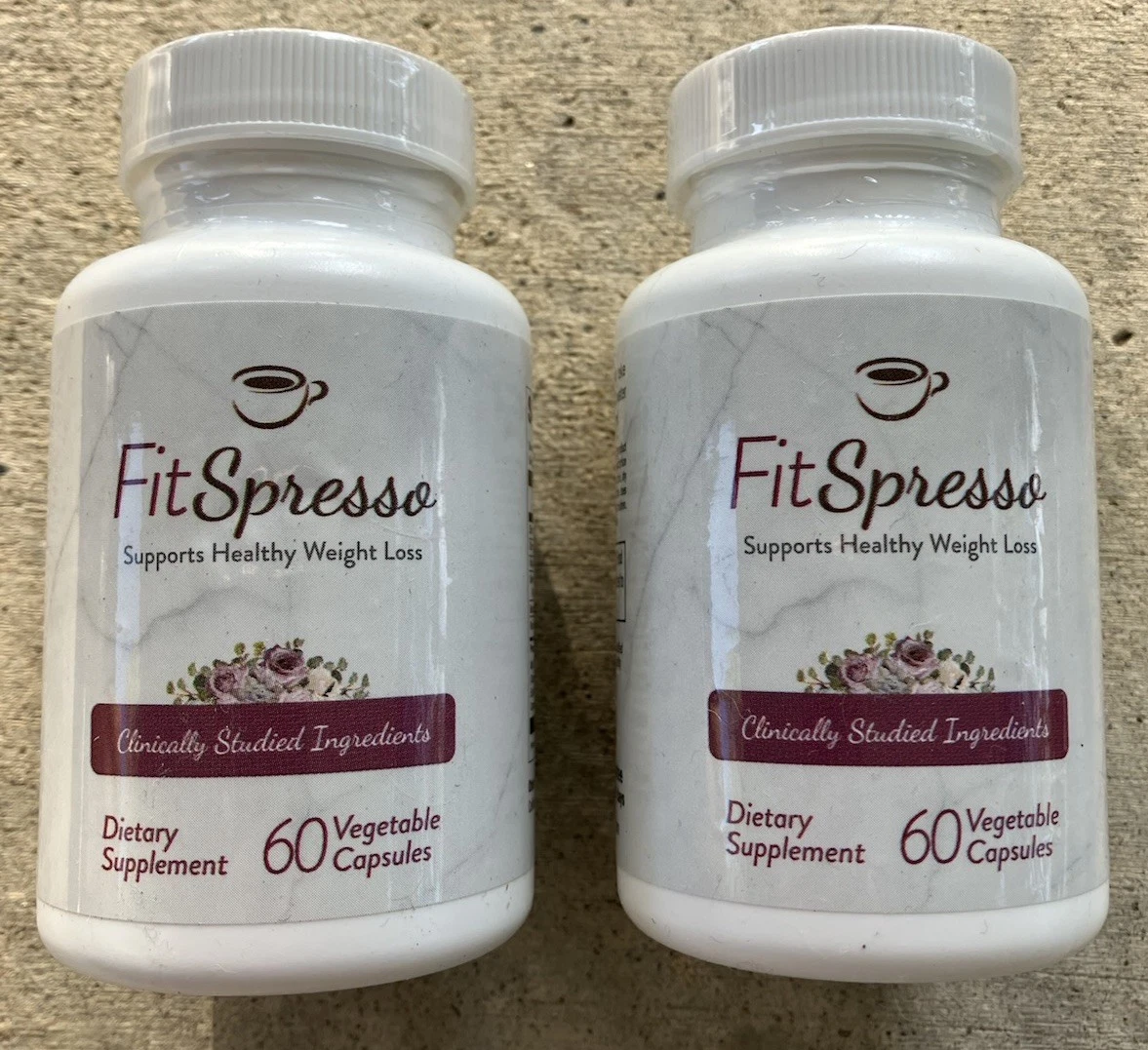
Weight management is rarely as simple as eating less for a few days or taking a capsule and expecting the scale to immediately move. Body weight is influenced by calorie intake, activity, sleep quality, appetite regulation, genetics, metabolic health, stress, and many other factors. That is one reason I have always been cautious when reviewing supplements that promise to make stubborn fat disappear with very little effort. A useful supplement may support a sensible routine, but it still has to operate within normal human physiology.
In this detailed review, I am examining FitSpresso from the perspective I have developed after years of writing about supplements and wellness products. I will look at its ingredients, proposed metabolism-supporting mechanism, possible benefits, drawbacks, safety considerations, side effects, value, and the scientific evidence behind several of its ingredients. My aim is to give readers a practical understanding of where this supplement may fit into a weight-management routine without pretending that any capsule can replace good nutrition and consistent habits.
FitSpresso Overview: My Quick Assessment
Before I get deeper into the formula, I think it helps to see the most important information about FitSpresso in one place. This is the snapshot I would want if I were comparing the product with another weight-management supplement and wanted to know quickly what it offers, how it is used, and what stands out.
| Product Detail | My Assessment of FitSpresso |
|---|---|
| Product Category | Dietary supplement designed to support weight management and metabolism |
| Main Purpose | Supports metabolic activity, fat utilization, appetite-related processes, and healthy weight-management efforts |
| Supplement Form | Capsules |
| Suggested Daily Use | One capsule per day as part of a morning routine |
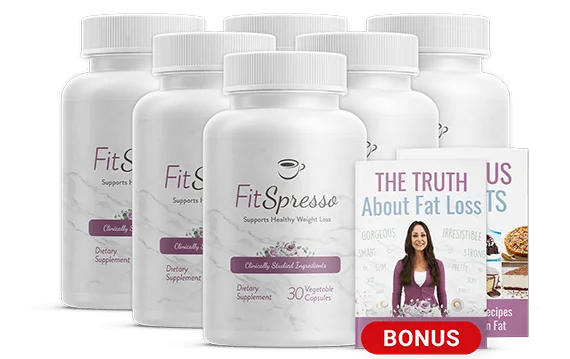
| Supply Per Bottle | 30 capsules, providing approximately a 30-day supply when used as directed |
| Formula Style | Multi-ingredient metabolic-support formula using plant extracts and nutritional compounds |
| Notable Ingredients | Green tea extract, berberine HCL, resveratrol, L-carnitine, chromium picolinate, and capsicum-related compounds |
| Best For | Adults already following healthier eating and activity habits who want additional metabolic support |
| Manufacturing Positioning | Marketed as being produced in the United States under controlled manufacturing standards |
| Realistic Expectation | I see it as supplemental support rather than a replacement for a calorie-conscious diet and active lifestyle |
| Guarantee | 60-day money-back guarantee for qualifying purchases made through the official purchasing channel |
| My Rating | ★★★★☆ 4.6/5 |
| Official Website | ✅ Click Here |
What Is FitSpresso and Why Has It Attracted Attention?
When I first look at FitSpresso, the most obvious feature is its coffee-inspired positioning. Despite the name, I do not regard it as another flavored coffee drink or meal-replacement powder. It is a capsule-based dietary supplement marketed for people who want additional support for metabolism, fat management, and appetite while following a more conventional weight-loss routine.
What makes the product interesting to me is the simplicity of the concept. Instead of creating another complicated supplement schedule requiring several doses around meals, FitSpresso is designed around a straightforward morning habit. That convenience is valuable because consistency is one of the biggest practical challenges with any health routine.
At the same time, I would not buy it purely because the marketing connects it with morning coffee or circadian metabolism. Those ideas may make the product memorable, but what matters more to me is whether the ingredients themselves have credible physiological roles and whether the expectations around them remain realistic.
Who Is Behind FitSpresso?
The information attached to FitSpresso identifies Dr. Hoffman as being involved in the development of the supplement and discusses a focus on metabolism and the biological timing associated with fat cells. Promotional material has also referred to Kristi Rivers as an early user who later became associated with the product story.
When I review supplements, I never place too much weight on founder narratives alone. A compelling origin story can help explain why a product was created, but it does not tell me whether the formula will work for the average buyer. I prefer to judge a supplement through its ingredients, manufacturing standards, dosage, scientific plausibility, safety profile, and transparency.
That distinction matters here because FitSpresso’s marketing sometimes uses ambitious language around metabolism. I find the formula more persuasive when I evaluate the ingredients individually rather than relying entirely on the story surrounding its development.
What I Found When I Looked at the Science Behind FitSpresso
When evaluating FitSpresso, I found an important distinction that readers should understand. There is scientific research involving several ingredients associated with the formula, but research on an ingredient is not the same thing as a clinical trial proving the finished FitSpresso product itself causes weight loss.
Green tea extract is a good example. Researchers have studied green tea catechins for their effects on body weight, body composition, oxidative stress, and metabolic markers. A systematic review and meta-analysis involving randomized controlled trials reported modest improvements in several body-composition measurements, although the evidence was not equally strong across all outcomes.
Berberine has also become increasingly interesting in metabolic research. A 2026 systematic review and meta-analysis of randomized controlled trials reported statistically significant reductions in body weight, BMI, and waist circumference, although the average reduction in body weight was relatively modest. That is exactly the type of finding I think should shape expectations: encouraging enough to deserve attention, but nowhere near evidence for effortless or dramatic fat loss.
Research involving resveratrol has found possible small improvements in body weight and certain body-composition measurements, but results across studies remain variable. In my view, that makes resveratrol a potentially useful supporting ingredient rather than something I would treat as the centerpiece of a weight-loss formula.
Overall, I see a reasonable scientific foundation for several individual ingredients, but I would still like to see independent randomized trials using the exact finished FitSpresso formula. That would make the product’s evidence base much stronger.
How I Believe FitSpresso Is Intended to Work
The main idea behind FitSpresso is to support several aspects of metabolism rather than relying on one aggressive stimulant. From what I see in the ingredient strategy, the formula aims to influence energy metabolism, fat utilization, appetite-related signals, glucose handling, and thermogenesis.
I find this broader approach more sensible than formulas built almost entirely around caffeine. Ingredients such as L-carnitine participate in fatty-acid transport, chromium is involved in nutrient metabolism, green tea compounds have been investigated for thermogenesis and body composition, while berberine has generated research interest for metabolic and glucose-related effects.
The manufacturer also associates the product with the body’s circadian rhythm. Circadian biology genuinely influences metabolic processes, appetite, hormone activity, and glucose regulation, but I would be cautious about turning that science into a promise that taking one capsule somehow switches stubborn fat into permanent burning mode.
I see the mechanism more realistically as a collection of modest metabolic-support effects that may complement a well-managed diet and active lifestyle. That is less dramatic than some marketing claims, but it is also a much more credible way to evaluate a supplement.
The Ingredients I Consider Most Important in FitSpresso
Before discussing the individual components of FitSpresso, I want to address safety. I never assume that an ingredient is harmless merely because it comes from a plant. Concentrated botanical extracts can still affect digestion, blood glucose, medication metabolism, heart rate, blood pressure, or other biological functions.
I also recommend checking the Supplement Facts panel on the actual bottle because supplement formulations and promotional descriptions can change. Anyone taking prescription medication, particularly medication affecting blood sugar, should discuss the ingredients with a physician or pharmacist before starting the supplement.
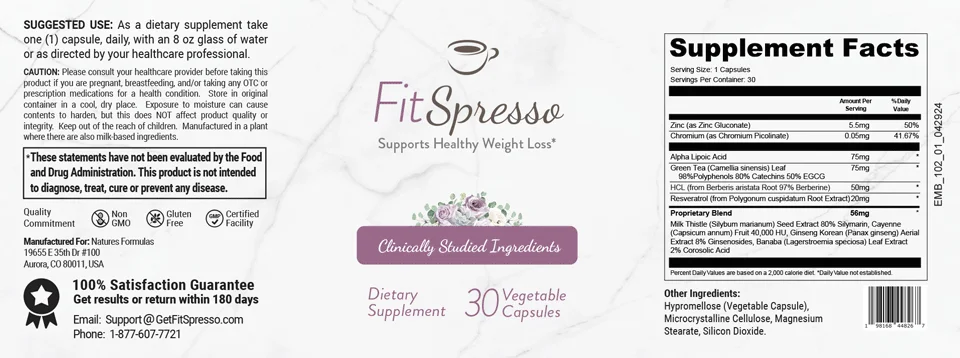
🌿 Green Tea Extract
Green tea extract is one ingredient I regularly see in metabolic and weight-management supplements because its catechins, particularly EGCG, have been investigated for their relationship with energy expenditure and body composition. A large systematic review of randomized controlled trials found reductions in body mass, BMI, and body-fat percentage, although not every measured outcome improved.
I view green tea extract as a modest supporting ingredient rather than a powerful standalone fat burner. Its value comes from fitting into a broader formulation where several pathways are being targeted simultaneously. I would not expect meaningful weight loss from green tea extract alone without appropriate nutrition and activity.
🌿 Berberine HCL
Berberine is probably one of the ingredients I find most interesting in this formula. It is a naturally occurring plant alkaloid that researchers have examined for glucose metabolism, insulin sensitivity, blood lipids, and body-weight-related measurements.
A recent meta-analysis involving 23 randomized controlled trials found reductions in body weight, BMI, and waist circumference, although the average weight reduction remained modest. I like the metabolic rationale, but berberine deserves additional caution because it can interact with medication and may influence blood glucose.
🌿 Resveratrol
Resveratrol is a polyphenol naturally found in grapes and certain other plants. It is most familiar as an antioxidant compound, but researchers have also studied it for metabolic health, inflammation, cardiovascular markers, and body composition.
The evidence does not convince me that resveratrol alone is a strong weight-loss ingredient. A systematic review found small reductions in several measurements, but the magnitude and consistency of those results varied considerably. I therefore see resveratrol as supportive metabolic nutrition rather than the main reason to purchase FitSpresso.
🌿 L-Carnitine
L-carnitine has a well-established biological role in transporting long-chain fatty acids into mitochondria, where those fats can participate in energy production. That mechanism makes it an obvious ingredient for weight-management marketing, although the human results are less dramatic than the mechanism may initially suggest.
The NIH Office of Dietary Supplements describes the weight-related effects of carnitine as potentially modest. For me, its inclusion makes physiological sense, but I would never present L-carnitine as evidence that stored body fat will simply melt away.
🌿 Chromium Picolinate
Chromium is a trace mineral involved in normal macronutrient metabolism and insulin activity. Chromium picolinate appears frequently in weight-management supplements because of research exploring food intake, cravings, glucose handling, and body composition.
The evidence reviewed by the NIH suggests that any reduction in body weight or body fat is likely to be small. I therefore consider chromium a supporting nutritional component, particularly within a broader metabolic formula, rather than a major fat-loss driver.
🌿 Capsicum Annuum
Capsicum is associated with capsaicinoids, compounds that have been studied for thermogenesis, appetite, energy expenditure, and fat oxidation. I can understand why a metabolism-focused supplement would include an ingredient from this category.
What I would not do is exaggerate the thermogenic effect. Increasing thermogenesis slightly is very different from causing substantial fat loss. Capsaicinoids can also cause gastrointestinal discomfort in some users, especially at higher supplemental doses.
Six Potential Benefits I See in FitSpresso
When I assess the potential benefits of FitSpresso, I focus on what the ingredient profile could reasonably support rather than promising a specific number of pounds lost. I think that distinction makes the review more useful because supplement users need realistic expectations.
★ 1. It May Provide Additional Metabolic Support
The biggest potential advantage I see is the multi-ingredient metabolic approach. Green tea compounds, capsicum-related ingredients, L-carnitine, and several supporting nutrients all connect in different ways with energy metabolism.
I would not interpret this as dramatically accelerating metabolism overnight. I see the potential value as incremental support, particularly when FitSpresso is combined with calorie awareness, regular movement, adequate protein, and consistent sleep.
★ 2. It May Complement Healthy Fat Utilization
L-carnitine’s biological role in transporting fatty acids makes it relevant here, while green tea and capsicum-related compounds have also been investigated for pathways connected with fat oxidation and thermogenesis.
For me, this benefit only makes sense in the context of a healthy calorie balance. If someone consistently consumes more energy than the body requires, no ingredient can cancel that out. When the broader lifestyle is appropriate, however, this type of support becomes more meaningful.
★ 3. It May Help Support Appetite Management
Hunger can derail a weight-loss routine much faster than most supplement advertisements acknowledge. When calorie intake drops, appetite can increase, making long-term adherence difficult.
Some of the ingredients used in metabolic formulas have been studied in areas related to glucose handling, appetite, or cravings. I would not compare the effect with prescription appetite-suppressing medication, but even a modest improvement in dietary control could be useful for someone who struggles with frequent snacking.
★ 4. It May Support Daily Energy and Activity
One of the practical problems I see during dieting is that some people unintentionally become less active when they reduce calories. They may feel tired, sit more, and burn fewer calories through ordinary movement.
A formula designed around energy metabolism could indirectly support a more active routine. To me, the important point is what the user does with that support. More walking, resistance training, meal preparation, and everyday movement will contribute considerably more to weight management than simply feeling stimulated.
★ 5. It May Support Broader Metabolic Health
Berberine and chromium make this aspect of the formula particularly interesting to me because weight management overlaps with glucose regulation and insulin activity.
That does not mean I regard FitSpresso as a diabetes treatment. I absolutely do not. Anyone with diagnosed diabetes, insulin resistance under medical treatment, or another metabolic disorder should follow professional medical advice rather than using this supplement as a substitute for treatment.
★ 6. The Simple Routine May Improve Consistency
This may sound less exciting than fat oxidation, but I consider it one of the most practical benefits. One capsule a day is easier to remember than a program requiring multiple servings, powders, drinks, and complicated meal timing.
From years of reviewing wellness products, I have found that convenience matters. A modest routine followed consistently is often more useful than an elaborate routine that gets abandoned after two weeks.
How FitSpresso Compares With Popular Weight-Management Supplements
When I compare FitSpresso with popular weight-management formulas, I do not think it makes sense to claim that it automatically beats every competitor. The market contains many different formulas, and what suits one person may be inappropriate for another. What I can compare is the general design philosophy.

| Area I Compare | FitSpresso | Typical Popular Weight-Management Supplement |
|---|---|---|
| Formula Approach | I see a multi-pathway formula addressing metabolism, fat utilization, glucose-related mechanisms, and nutritional support rather than depending on one ingredient. | Many mainstream formulas focus primarily on caffeine, appetite suppression, or a single thermogenic blend. |
| Ease of Use | One daily capsule keeps the routine simple and reduces the chances of missing multiple servings. | Some competing products require several capsules throughout the day or specific timing around meals. |
| Stimulant Dependence | I like that the concept is broader than simply creating a strong stimulant sensation. | Many traditional fat burners depend heavily on caffeine and other stimulants to create a noticeable energy effect. |
| Metabolic Breadth | Berberine, chromium, green tea-related compounds, and other ingredients give the formula several metabolic angles. | Many alternatives concentrate primarily on short-term energy expenditure without much emphasis on glucose-related support. |
| Research Behind Ingredients | Several individual ingredients have been investigated in randomized trials and systematic reviews. | Quality varies considerably across competing products; some rely heavily on lesser-known proprietary ingredients. |
| Finished-Formula Evidence | This is an area where I want improvement. Ingredient research does not prove that the finished FitSpresso product has the same effects. | This limitation is common throughout the supplement market, where finished-product clinical trials are often lacking. |
| Long-Term Practicality | I think the straightforward dosing makes it easier to include in an established routine. | High-stimulant or complicated products can become harder to tolerate or maintain over time. |
| Type of User I Think It Fits | Better suited to someone looking for gradual supplemental support alongside a sensible lifestyle. | Some competing products appeal more strongly to users chasing rapid or aggressive short-term effects. |
What gives FitSpresso an advantage in my assessment is balance rather than sheer intensity. I prefer a supplement that attempts to support several metabolic processes over one that simply delivers enough stimulants to make the user feel that something powerful is happening.
At the same time, I would not call FitSpresso superior simply because it contains several ingredients. Dosage and formulation quality matter just as much as the ingredient list. That is why I still want stronger finished-product research before treating it as one of the best-proven products in its category.
My FitSpresso Rating: 4.6 Out of 5
After weighing the formulation, ingredient research, simplicity, limitations, and overall proposition of FitSpresso, I give it 4.6 out of 5. I want to be clear that this is my editorial rating of the supplement as a product. It is not a scientific score claiming 4.6/5 proven clinical effectiveness.
Overall Rating: ★★★★☆ 4.6/5
Formula Design: ★★★★★ 4.7/5
I like the fact that the formula is not built around only one metabolic pathway. The combination of plant extracts, metabolic nutrients, and compounds associated with glucose and fat metabolism creates a more complete strategy than a basic stimulant capsule.
Ease of Use: ★★★★★ 4.9/5
This is one of the strongest parts of the product for me. A single daily capsule is convenient, easy to remember, and far less intrusive than supplement programs that require several doses per day.
Ingredient Research: ★★★★☆ 4.4/5
Several ingredients have credible human research behind them. I reduced the score because evidence on individual ingredients should not be confused with independent clinical proof of the complete commercial formula.
Safety and Practicality: ★★★★☆ 4.6/5
For an appropriate healthy adult following the directions, the formula appears reasonably straightforward. I still think medication interactions and individual sensitivities deserve careful consideration.
Transparency: ★★★★☆ 4.2/5
This is where I see the most room for improvement. I would prefer more standardized ingredient information across marketing materials and more publicly accessible research involving the exact finished supplement.
My Overall View
The 4.6/5 rating reflects a promising formula, excellent convenience, and reasonable ingredient science, while also acknowledging that FitSpresso does not have the type of finished-product evidence I would want before giving it an almost perfect score.
How I Would Use FitSpresso
If I were incorporating FitSpresso into a daily routine, I would keep the process simple and follow the current label rather than trying to create an aggressive dosing schedule.
Take 1 Capsule Daily: Consume one capsule of FitSpresso each morning as part of your routine.
I would not double the serving because progress seems slow. Taking more does not guarantee faster fat loss and may increase the likelihood of digestive discomfort or ingredient interactions. I would pair the supplement with adequate hydration, protein-rich meals, regular walking or exercise, and a sustainable calorie target.
My Pros and Cons of FitSpresso
After reviewing FitSpresso, these are the strengths and weaknesses I believe matter most to an actual buyer.
| Pros | Cons |
|---|---|
| Simple once-daily dosing: I like that users do not have to remember multiple doses throughout the day. This makes FitSpresso easier to integrate into an established routine and may improve long-term consistency. | No guarantee of weight loss: I would never promise that every user will lose weight. Results depend on diet, activity, metabolic health, starting weight, medication, sleep, and many other factors. |
| Several recognizable ingredients: Green tea, berberine, resveratrol, L-carnitine, chromium, and capsicum-related compounds have plausible metabolic roles and varying levels of human research behind them. | I want stronger research on the complete formula: The biggest evidence gap for me is the lack of strong independent clinical research showing exactly what the finished FitSpresso product does. |
| Broader than a standard stimulant formula: I prefer that the product attempts to address several aspects of metabolism rather than relying entirely on a high dose of caffeine to create an obvious sensation. | Ingredient descriptions need careful checking: Buyers should read the actual Supplement Facts label because online descriptions of the formula can vary, and the bottle being purchased is what ultimately matters. |
| Easy to combine with ordinary meals: I like that FitSpresso does not require users to replace their food with shakes or follow an unusual eating system. It can be added to a normal balanced diet. | Medication interactions remain possible: Compounds such as berberine and chromium can matter for people using prescription medication, particularly drugs affecting glucose metabolism. |
| May complement several metabolic pathways: Instead of concentrating exclusively on thermogenesis, the formula includes ingredients associated with glucose handling, fatty-acid transport, and antioxidant activity. | |
| The guarantee reduces purchase risk: A refund period gives first-time users some financial protection, provided they purchase through the qualifying official channel and follow the current return conditions. |
Side Effects I Think Buyers Should Know About
When considering the possible side effects of FitSpresso, I look primarily at the known tolerability issues associated with its ingredient categories. Possible reactions can include nausea, stomach discomfort, loose stools, constipation, headache, bloating, or digestive irritation.
The NIH notes that certain commonly used weight-management ingredients can cause gastrointestinal symptoms, and capsaicinoids may cause gastrointestinal distress in supplemental amounts. Carnitine can also cause nausea, diarrhea, or abdominal cramps in some people.
I would stop using the supplement and seek professional advice if significant symptoms appeared. I also would not assume that a previous good experience with herbal supplements guarantees FitSpresso will be tolerated equally well.
Do I Consider FitSpresso Safe?
For a generally healthy adult who tolerates the ingredients and follows the current serving directions, I consider FitSpresso a supplement that can potentially be used responsibly.
What matters most to me is using the stated serving, checking the actual label, avoiding unnecessary dose increases, and discussing the product with a healthcare professional when medical conditions or medications are involved. I would not recommend it during pregnancy or breastfeeding without professional guidance.
Would I Take FitSpresso With Prescription Medication?
I would not combine FitSpresso with regular prescription medication without first checking with a doctor or pharmacist. That may sound cautious, but I think it is the sensible approach whenever a supplement contains multiple biologically active ingredients.
I would be particularly careful with diabetes medicines, glucose-lowering treatments, blood-pressure medication, anticoagulants, or other treatments whose effectiveness depends on carefully controlled dosing. Berberine and chromium are especially relevant because they are connected with glucose metabolism.
Who I Think Should Consider FitSpresso and Who Should Avoid It
I see FitSpresso as a supplement for adults who already understand that weight management requires consistency. I would not recommend it to someone searching for a way to continue an unhealthy lifestyle while relying on a capsule to compensate.
People I think may find it suitable include:
- Adults already improving their eating habits: I think FitSpresso makes the most sense when it is added to an existing plan involving better food choices, appropriate portions, and sufficient protein rather than being treated as the plan itself.
- People who prefer simple supplementation: Someone who dislikes powders, shakes, or complicated multi-dose routines may appreciate the convenience of one capsule per day.
- Adults comfortable with gradual progress: I would rather see someone use FitSpresso with realistic expectations over a sustained period than expect a dramatic transformation in the first week.
- People building a consistent morning routine: Combining supplementation with hydration, breakfast planning, walking, or another positive habit can make the overall routine easier to maintain.
People I think should avoid it or obtain medical guidance first include:
- Pregnant or breastfeeding women: I would not recommend a multi-ingredient weight-management supplement in these situations without professional medical advice.
- Anyone under 18: Weight-management supplements are not something I would recommend for minors without direct healthcare supervision.
- People taking blood-glucose medication: Because several ingredients may affect metabolic pathways, I think medical guidance is particularly important here.
- People with significant liver, kidney, cardiovascular, or metabolic conditions: Existing health problems can change how supplements are tolerated or metabolized, so professional evaluation matters.
What I Did Not Like About FitSpresso and Why
Although my overall opinion of FitSpresso is reasonably positive, I found several areas that prevent me from giving the product a higher score.
- I want direct clinical testing on the finished formula. Several individual ingredients have research behind them, but I would have much more confidence if FitSpresso itself had been tested in well-designed randomized controlled trials using the exact commercial formulation.
- I dislike overly dramatic metabolism language. I understand why weight-loss marketing tries to create excitement, but claims surrounding fat-cell timing and effortless fat burning can make the science sound more certain than it actually is.
- I would like greater formula consistency and transparency. I prefer supplements where the exact ingredient profile, serving amounts, and manufacturing information are easy to verify across all materials.
- The supplement still depends on lifestyle effort. This is not really a flaw in FitSpresso itself, but it becomes a drawback for anyone purchasing it because they believe supplements can bypass calorie balance, physical activity, and long-term habit changes.
Do I Think FitSpresso Is a Scam?
I would not automatically call FitSpresso a scam simply because it is an aggressively marketed weight-management supplement. There is a real supplement concept, identifiable ingredients, usage instructions, and a refund structure associated with official-channel purchases. However, I also would not endorse every marketing claim surrounding it.
Current online reviews are highly mixed, and some consumer-review pages contain significant complaints about results and refunds. That reinforces my view that FitSpresso should be approached as a dietary supplement with uncertain individual results rather than a guaranteed fat-loss solution.
Alternatives I Would Consider From Amazon
If someone did not want to buy FitSpresso, I would look at established single-ingredient or simpler supplements that target individual parts of the same metabolic picture. I would not automatically consider these alternatives better, because they serve a somewhat different purpose.
- NOW Foods L-Carnitine 500 mg: I would consider this for someone who specifically wants L-carnitine rather than a multi-ingredient weight-management blend. Its simpler formulation also makes it easier to know exactly what is being supplemented.
- NOW Foods Green Tea Extract 400 mg: This is another more focused option. I would choose a product like this if the main goal were green tea polyphenols rather than a broad combination formula.
- Nature’s Bounty Green Tea Extract: This may appeal to shoppers who prefer a widely recognized retail supplement brand. I would still treat it as nutritional support rather than a direct replacement for a comprehensive weight-management plan.
- Standalone Berberine Supplements: Berberine is readily available from several supplement manufacturers. I would only consider this route after checking the dose carefully and reviewing possible interactions, especially if blood-glucose medication is involved.
Amazon inventory, sellers, formulas, and prices can change frequently, so I would always inspect the current label and seller details rather than assuming every listing is identical.
How I View the 60-Day FitSpresso Money-Back Guarantee
One feature that makes FitSpresso easier for me to evaluate positively is the advertised 60-day money-back guarantee connected with qualifying official-site purchases. A refund period is useful because dietary supplements rarely provide enough information within only a few days to decide whether the overall experience is satisfactory.
The part I would pay closest attention to is where the order is placed. I would only rely on the advertised manufacturer guarantee when purchasing through the official purchasing channel. Buying from an unauthorized marketplace, reseller, or imitation website may mean the original refund protection does not apply.
I would also keep the order confirmation, transaction information, bottles, and any emails connected with the purchase until the guarantee period has ended. Return conditions can be updated, so I always recommend reviewing the current policy shown during checkout before placing an order.
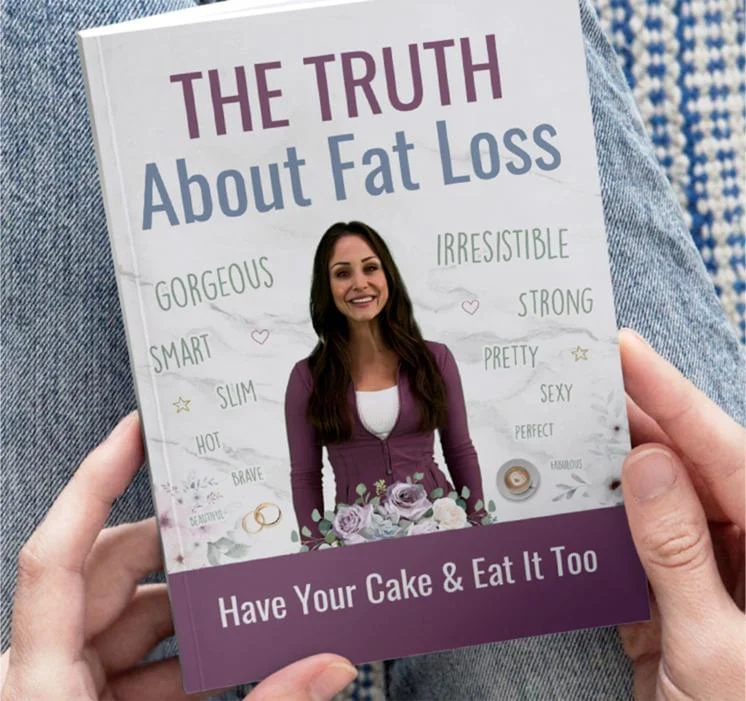
FitSpresso Bonuses

Frequently Asked Questions About FitSpresso
These are the questions I would want answered before deciding whether FitSpresso belongs in my own routine.
Q: How quickly would I expect FitSpresso to work?
A: I would not attach a guaranteed timeline to it. Body-weight changes depend on calorie intake, physical activity, starting weight, metabolic health, sleep, medication, and individual physiology. I would assess progress over several weeks while keeping diet and activity consistent rather than expecting a visible transformation after only a few days.
Q: Would I use FitSpresso without changing my diet?
A: I would not. A supplement may support metabolism or appetite-related processes, but it cannot reliably compensate for ongoing calorie excess. I would get far more value from FitSpresso by combining it with sensible portions, sufficient protein, more whole foods, and a sustainable calorie target.
Q: Is FitSpresso actually a type of coffee?
A: No. Despite the name and the morning-coffee theme used in its marketing, I view FitSpresso as a capsule-based dietary supplement. I would use it according to the current bottle instructions rather than assuming it needs to be mixed into coffee.
Q: Would FitSpresso replace exercise for me?
A: Absolutely not. Exercise provides benefits that a supplement cannot reproduce, including improvements in cardiovascular fitness, muscle retention, strength, insulin sensitivity, mobility, and daily energy expenditure. I would use the supplement alongside movement rather than instead of it.
Q: Would taking two capsules work faster?
A: I would not increase the serving unless the current label or a qualified healthcare professional specifically instructed me to do so. Taking more can increase the likelihood of side effects and does not mean the body will burn fat proportionally faster.
Q: Would I recommend FitSpresso to older adults?
A: Age alone would not make me reject the product, but I would be more careful because older adults are more likely to use prescription medications or have medical conditions. In that situation, I would review the ingredient list with a doctor or pharmacist before starting it.
Q: Where would I buy FitSpresso?
A: I would choose the authorized purchasing channel because that gives me a clearer route to the advertised guarantee and reduces uncertainty surrounding authenticity, storage, and reseller policies. I would also save all purchase documentation.
Q: Do I consider FitSpresso clinically proven?
A: I would not describe the finished product that way based on the evidence I reviewed. Several individual ingredients have been studied scientifically, but that is different from having strong independent trials demonstrating that the exact commercial formula produces a particular amount of weight loss.
My Final Verdict on FitSpresso
After examining FitSpresso in detail, I think its strongest qualities are the convenient once-daily format, the broad metabolic focus, and the inclusion of several ingredients with legitimate scientific interest. I also appreciate that the formula is more interesting than a basic stimulant-heavy fat burner.
What keeps me from rating it higher is the gap between research on individual ingredients and evidence on the complete finished formula. I would not buy FitSpresso expecting it to override an unhealthy diet or create dramatic weight loss without effort. I see it as additional support, not the foundation of a weight-loss strategy.
For an adult already committed to better eating, regular activity, improved sleep, and sustainable weight management, I think FitSpresso is a reasonable supplement to consider. My final score remains 4.6/5, and anyone interested in trying it should purchase through the authorized channel, follow the recommended serving, and keep expectations grounded in long-term lifestyle improvement rather than rapid-fix promises.
Disclaimer
This FitSpresso review reflects my editorial assessment and is provided for educational and informational purposes only. It is not medical advice, diagnosis, or treatment. Dietary supplements can interact with medications and affect individuals differently, so I recommend consulting a qualified healthcare professional before using FitSpresso if you take prescription medication, are pregnant or breastfeeding, or have an existing medical condition.
References
- National Institutes of Health, Office of Dietary Supplements. Dietary Supplements for Weight Loss: Health Professional Fact Sheet. This evidence-based resource reviews ingredients including green tea, chromium, carnitine, and capsaicinoids, with information on effectiveness and safety.
https://ods.od.nih.gov/factsheets/WeightLoss-HealthProfessional/ - Vahed IE, et al. The Effect of Berberine on Obesity Indices: A Systematic Review and Meta-Analysis. International Journal of Obesity. 2026. The analysis included randomized controlled trials evaluating body weight, BMI, waist circumference, and related obesity measures.
https://pubmed.ncbi.nlm.nih.gov/41310257/ - Asbaghi O, et al. The Effects of Green Tea Extract Supplementation on Body Composition, Obesity-Related Hormones and Oxidative Stress Markers. British Journal of Nutrition. 2024. This systematic review and dose-response meta-analysis included randomized controlled trials involving green tea extract.
https://pubmed.ncbi.nlm.nih.gov/38031409/ - Tabrizi R, et al. The Effects of Resveratrol Intake on Weight Loss: A Systematic Review and Meta-Analysis of Randomized Controlled Trials. Critical Reviews in Food Science and Nutrition. This research examined resveratrol supplementation and measurements including body weight, BMI, fat mass, and waist circumference.
https://pubmed.ncbi.nlm.nih.gov/30421960/ - National Center for Complementary and Integrative Health. Weight Control and Dietary Supplements. This resource provides evidence-based guidance on the limitations, safety concerns, and realistic expectations surrounding supplements marketed for weight management.
https://www.nccih.nih.gov/health/weight-control/