
Losing internet access at the wrong moment can turn an otherwise ordinary day into a frustrating experience. Whether I’m dealing with unreliable hotel Wi-Fi, expensive international roaming, or a weak connection during important work, I know how quickly poor connectivity can interrupt productivity. According to the Federal Communications Commission (FCC), mobile internet performance varies with network congestion, terrain, and equipment. That makes having a practical backup connection especially valuable for people who travel frequently.
After years of writing about consumer technology and examining products that promise to simplify everyday problems, I’ve learned to look beyond impressive advertising. In this review, I’ll examine whether Ryoko Pro is a scam or legit, including its portable internet capabilities, security features, connection speeds, limitations, potential drawbacks, and overall value. I’ll also explain whether this compact hotspot appears legitimate or raises concerns worth considering before purchasing. My assessment is based on available technical information and published specifications rather than personal laboratory testing.
Ryoko Pro Overview: Specifications, Ratings, and Buying Information
For anyone considering a portable internet solution, Ryoko Pro offers an interesting combination of mobility, convenience, and multi-device connectivity. I’ve organized its most important details below so readers can quickly understand what the device provides.
| Product Details | Information |
|---|---|
| Product Name | Ryoko Pro |
| Product Type | Portable 4G LTE Wi-Fi hotspot router |
| Primary Purpose | Providing personal internet access through compatible mobile networks |
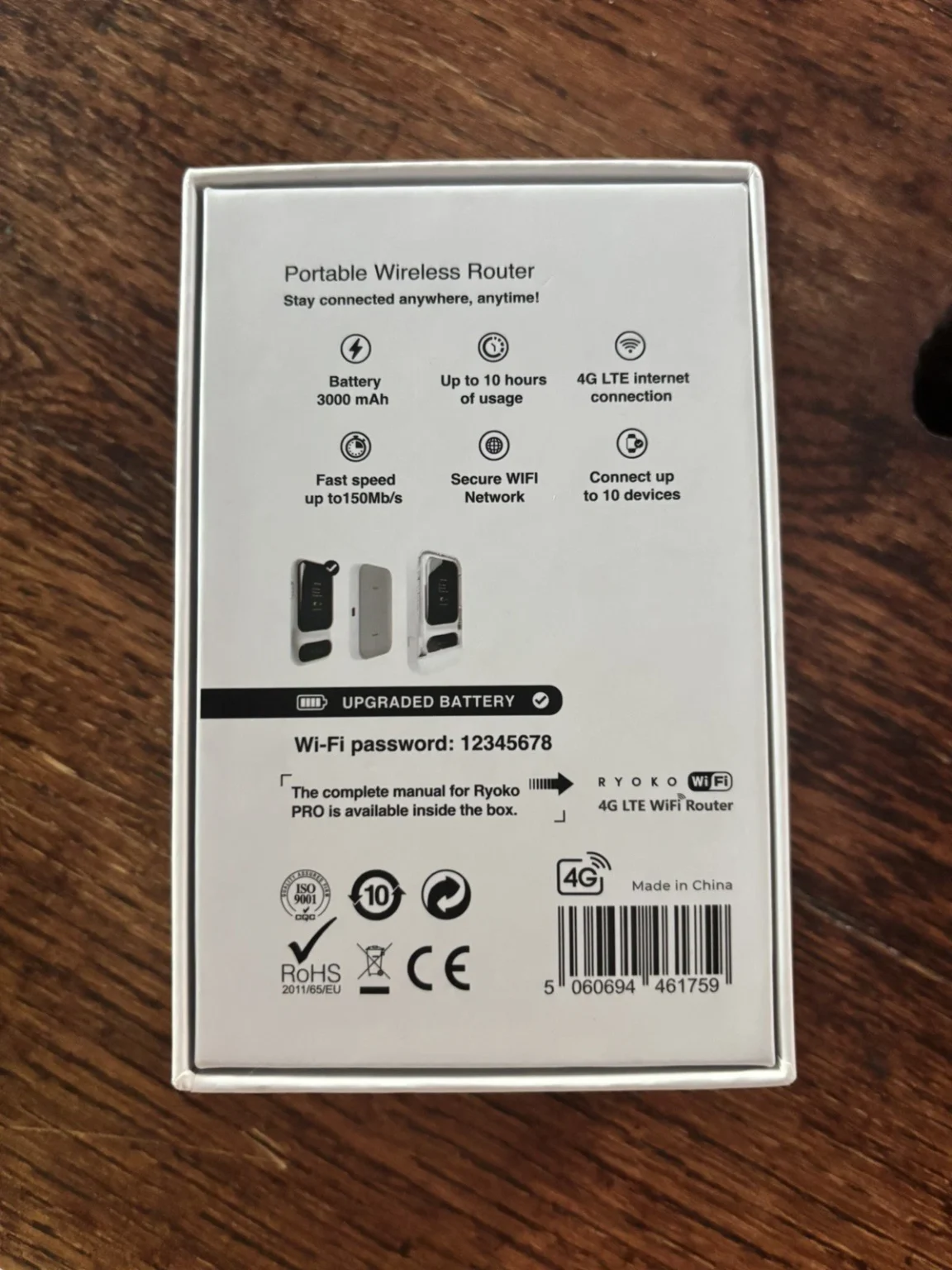
| Advertised Speed | Up to 150 Mbps, subject to network conditions |
| Simultaneous Connections | Up to 10 Wi-Fi-enabled devices |
| Network Technology | 4G LTE cellular connectivity |
| International Coverage | Advertised service across 75+ countries through 350+ network operators; exact availability should be verified |
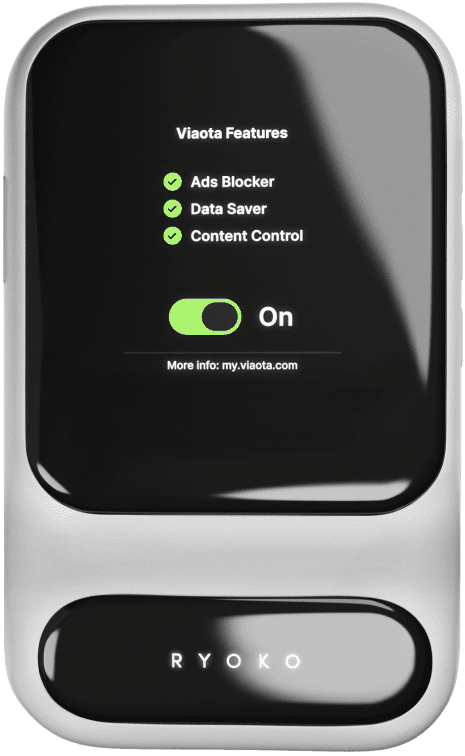
| SIM Card | Pre-installed Viaota global SIM |
| Alternative SIM Support | Other compatible 4G SIM cards may work, depending on the device and service restrictions |
| Battery Performance | Up to 8 hours of use under favorable conditions |
| Charging Connection | USB-C |
| Security Features | Private password-protected Wi-Fi network |
| Additional Features | QR-code connection, data monitoring, advertised ad blocking, and network selection |
| Internet Subscription | Separate mobile data plan or data top-up required |
| Recommended Users | Travelers, remote workers, families, students, and commuters |
| Warranty | Advertised 1-year limited warranty; verify applicable conditions |
| Return Policy | Advertised 30-day return period, subject to seller conditions |
| My Editorial Rating | ★★★★☆ 4.4/5 |
| Official Website | ✅ Click Here |
My initial assessment is favorable because the product addresses an everyday problem with an established technology. However, Ryoko Pro is a cellular hotspot, so internet access still depends on available coverage and an active data allowance. Understanding that distinction is essential before ordering.
What Is Ryoko Pro?
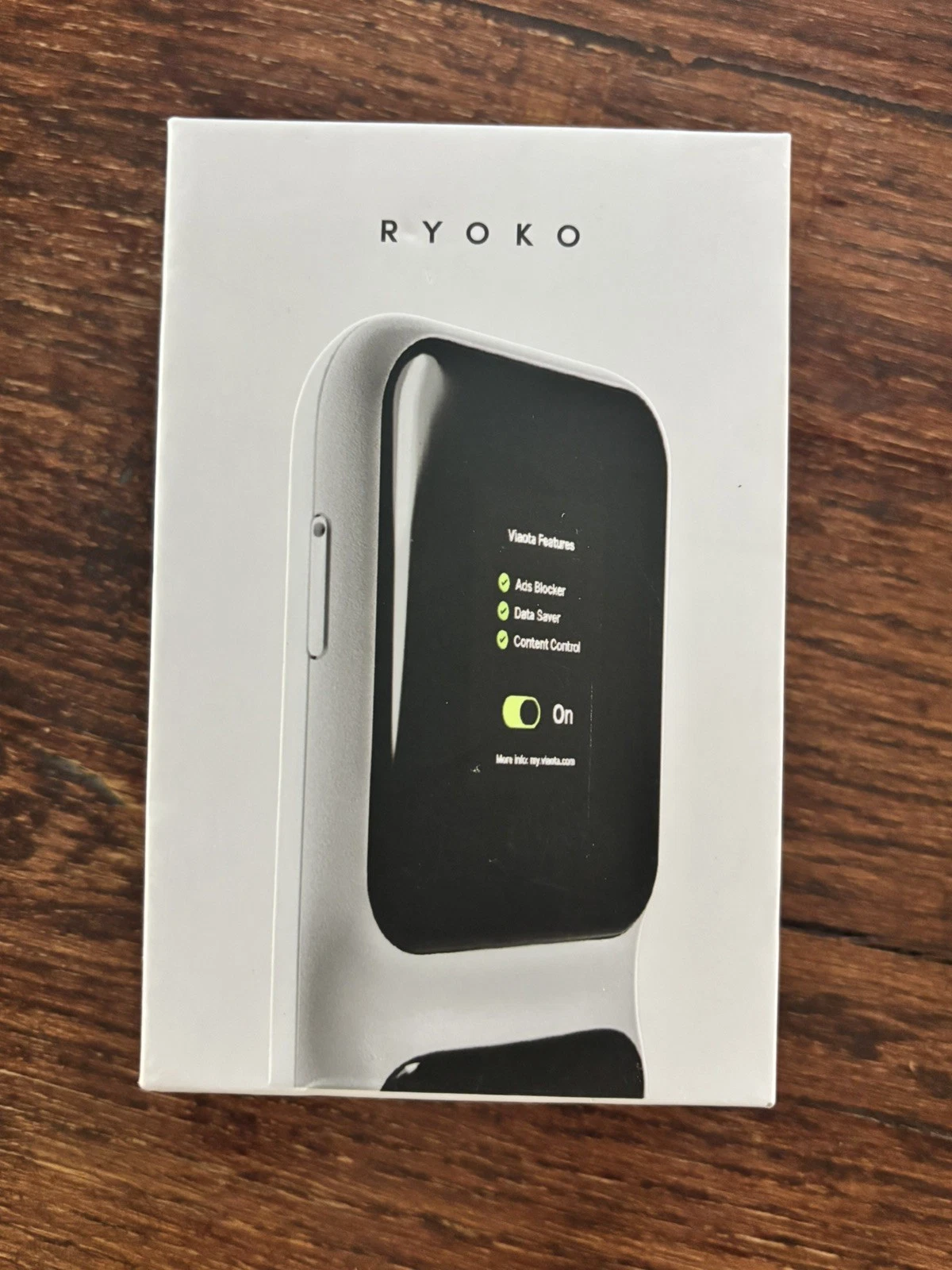
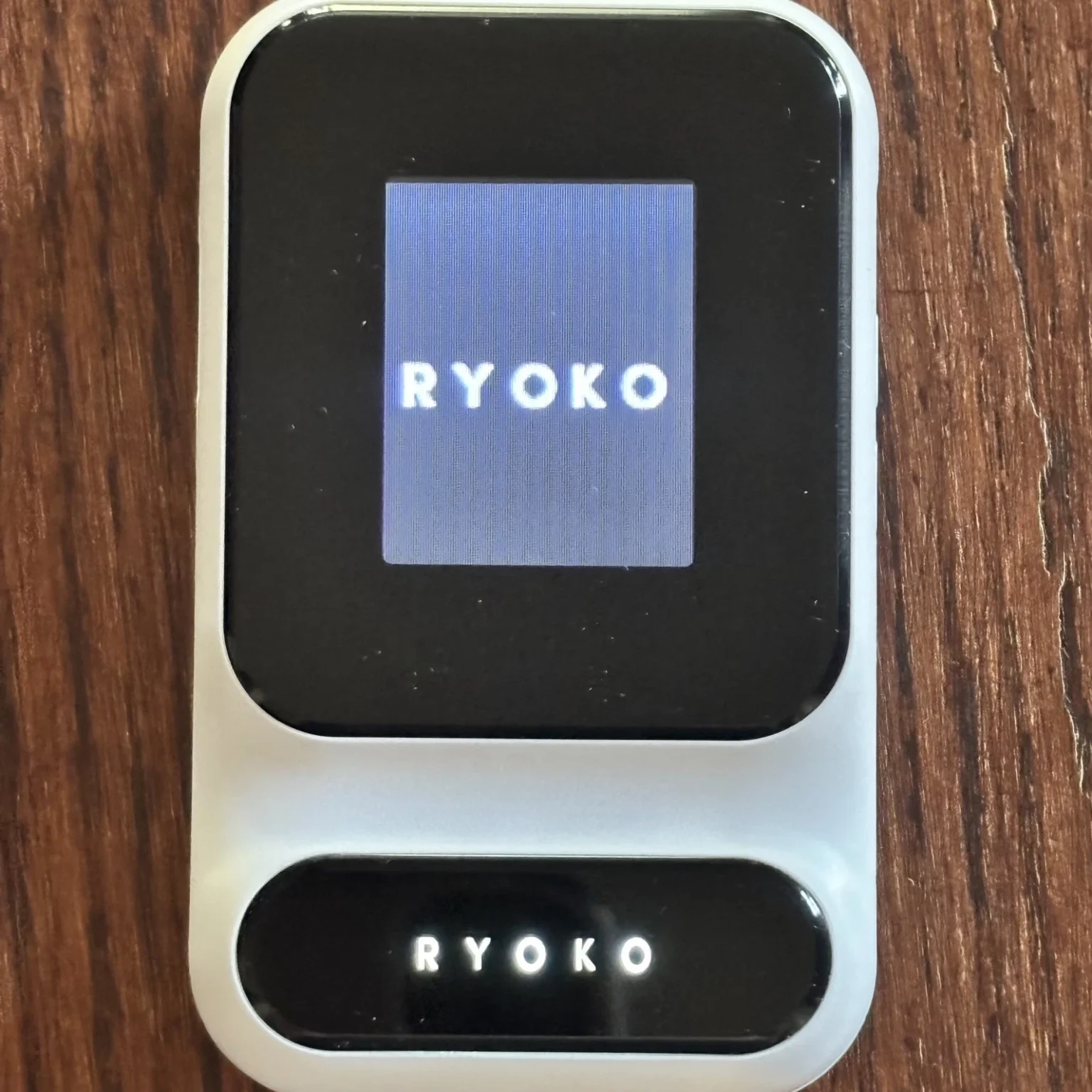
Ryoko Pro is a compact, rechargeable wireless hotspot designed to provide internet connectivity without requiring a fixed broadband installation. It connects to a supported cellular network and shares that connection through a private Wi-Fi network. Smartphones, tablets, laptops, and compatible smart devices can then access the internet through the hotspot.
The feature I find especially appealing is its portability. Traditional home routers generally remain connected to a fixed modem or broadband connection. Ryoko Pro is small enough to carry in a backpack or travel bag, making it suitable for temporary accommodation, business trips, and everyday movement between locations.
The device comes with a pre-installed Viaota SIM card intended to simplify activation. According to the supplied product information, its service network includes partnerships with more than 350 mobile operators across over 75 countries. Coverage claims can change, however, so I recommend checking the current destination list before international travel.
My view is that Ryoko Pro makes the most sense as a convenient travel companion or backup connection. It may be useful for everyday internet tasks, although I would not automatically treat it as a complete replacement for reliable home broadband.
How Ryoko Pro Delivers Internet Without Traditional Cables
The technology behind Ryoko Pro is relatively straightforward. Instead of receiving internet through a fixed cable, it uses a compatible mobile network connection. The device communicates with nearby cellular towers and converts that connection into a Wi-Fi signal for connected electronics.
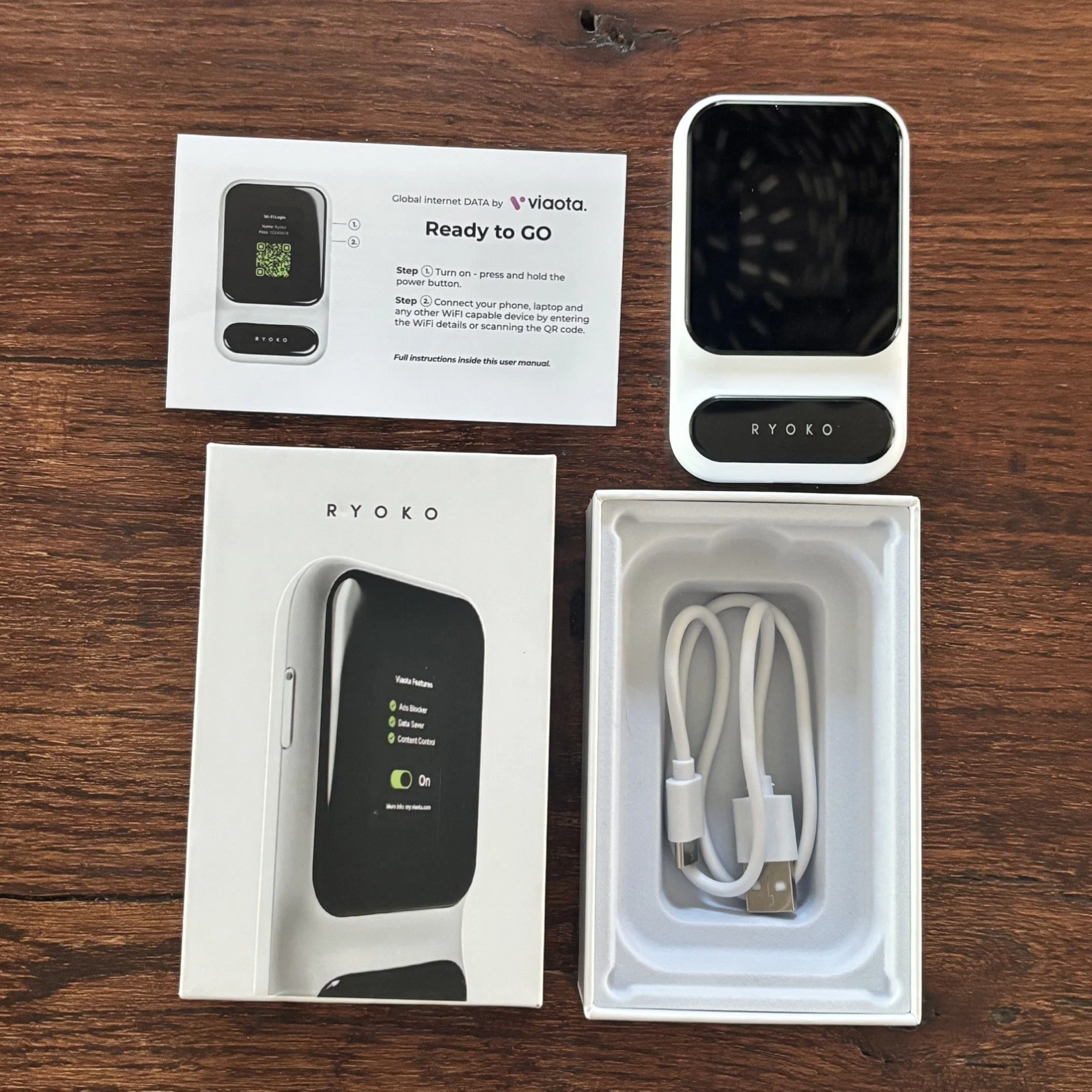
After activation, the router establishes its own wireless network. Users connect through a displayed QR code or by entering the Wi-Fi password. Once connected, their devices share the hotspot’s available mobile data connection.
Ryoko Pro is also advertised as supporting automatic network selection, which can help simplify connectivity when more than one supported network is available. Actual switching behavior depends on the SIM, roaming agreements, and local carrier arrangements.
The advertised maximum speed is 150 Mbps, which represents an upper limit rather than a guaranteed everyday result. Network congestion, signal quality, local restrictions, and the number of connected devices can reduce performance considerably.
I consider this system practical because it removes the need for complicated installation. Still, the router cannot create internet access in locations without compatible cellular service, and purchasing the hardware does not eliminate the cost of mobile data.
The Ryoko Pro Features That Deserve a Closer Examination
A portable hotspot needs to offer more than an attractive design. When examining Ryoko Pro, I focused on features that could genuinely improve everyday convenience. Several stand out, particularly for travelers who need to manage internet access across multiple devices.
- Portable Internet Through Cellular CoverageRyoko Pro’s main strength is its ability to provide internet access wherever compatible 4G LTE service is available. This allows users to connect without searching for public hotspots or depending entirely on accommodation Wi-Fi. I particularly appreciate the flexibility for business travel and locations where installing traditional broadband would be inconvenient.
- Connections for Up to 10 DevicesSupporting ten simultaneous devices makes the hotspot useful beyond individual smartphone access. A laptop, tablet, and several family devices can share the same connection. However, every connected device uses part of the available bandwidth, so performance may decrease when several people stream or download large files simultaneously.
- Advertised Speeds of Up to 150 MbpsThe advertised speed ceiling is sufficient in principle for browsing, email, video meetings, and moderate streaming. What I find important is keeping expectations realistic. The actual speed depends heavily on cellular conditions, and I would never assume every destination will provide the advertised maximum.
- Private Password-Protected Wi-FiRyoko Pro creates a network that users can control rather than requiring them to join an unknown public hotspot. This offers a useful degree of privacy when the network is correctly secured. Nevertheless, password protection alone does not guarantee complete protection from cyberthreats, and users should continue following normal online security practices.
- Pre-Installed Viaota Global SIMHaving a SIM already inserted can reduce the inconvenience of purchasing and installing one separately. This could be especially attractive to travelers unfamiliar with local mobile providers. I would check the included data allowance, supported destinations, renewal terms, and available plans before relying on the service.
- Up to Eight Hours of Battery OperationThe rechargeable battery helps make the device practical for time away from power outlets. Eight hours may cover a substantial portion of a working day, although demanding usage and weak cellular signals can shorten runtime. A portable power bank could be useful during extended journeys.
- Data Usage Tracking and Ad BlockingThe advertised monitoring function can help users manage consumption, particularly when sharing an allowance across several devices. Ryoko also promotes ad-blocking functionality with its Viaota service. The exact effectiveness and availability of these features depend on service configuration, so they should be considered conveniences rather than guaranteed protection against all advertising or malicious content.
- Straightforward QR-Code SetupI appreciate technology that does not require users to understand router administration. Ryoko Pro’s QR-code connection provides an accessible way to connect supported phones and tablets. Devices that cannot scan the code can usually join through the displayed Wi-Fi credentials.
Six Potential Benefits of Choosing Ryoko Pro for Everyday Connectivity
The advantages of Ryoko Pro become clearer when I think about common situations where ordinary internet arrangements create unnecessary inconvenience. Its combination of portability and cellular connectivity can solve several practical problems, provided the user has a compatible data plan and adequate reception.
★ 1. Greater Freedom When Traveling
One benefit I value is the ability to carry a personal internet connection between compatible locations. Travelers often move between airports, hotels, rental properties, and unfamiliar cities, encountering different Wi-Fi arrangements throughout the journey.
Ryoko Pro may reduce that inconvenience by giving compatible devices one familiar network to join. The opportunity to use a single hotspot across multiple destinations is particularly attractive for international travelers, although supported countries, available network partners, and plan prices still need checking before departure.
★ 2. Better Control Over Personal Network Access
Public Wi-Fi networks can be convenient, but users usually have limited control over who else shares the connection or how it is configured. A personally managed hotspot allows its owner to control the Wi-Fi password and decide which devices receive access.
I see this as a meaningful benefit for people handling business correspondence or personal accounts while traveling. Modern HTTPS connections already protect much internet traffic, but having control over your own Wi-Fi access adds a useful security layer when combined with strong passwords, software updates, and multifactor authentication.
★ 3. Convenient Connectivity for Multiple Devices
Modern travel rarely involves only one connected device. Someone working remotely might need a laptop for assignments, a smartphone for communication, and a tablet for reading or presentations. Managing separate connections can become inconvenient.
Ryoko Pro allows up to ten compatible devices to share one mobile data connection. This arrangement may simplify everyday device management and make family trips easier. I would still monitor usage because simultaneous activity can consume data quickly and reduce the connection speed available to individual users.
★ 4. Reduced Dependence on Phone Hotspot Features
Smartphones can already share cellular data, but prolonged tethering can consume battery power and create additional demands on the phone. Some mobile plans also impose specific hotspot allowances or performance restrictions.
Using a separate hotspot allows the phone to remain dedicated to its usual tasks while Ryoko Pro handles connectivity for other electronics. I find that separation useful in principle, particularly for long work sessions. The potential benefit depends on whether the device’s data plan offers better practical value than the user’s existing mobile service.
★ 5. Useful Backup During Home Internet Interruptions
Even a dependable home broadband service occasionally experiences outages. For people working from home, losing connectivity during important tasks can be more than a minor inconvenience.
Ryoko Pro could provide an alternative connection during a fixed-line interruption, provided the local mobile network remains operational. This may be enough to continue email, messaging, and moderate online work. A cellular backup adds flexibility, although widespread power failures or network disruptions can affect mobile towers as well.
★ 6. Simpler Internet Management for Nontechnical Users
Some networking equipment involves unfamiliar settings, provider installation appointments, and complicated configuration menus. Ryoko Pro emphasizes a comparatively accessible setup process.
I consider this especially valuable for older adults, occasional travelers, or people who prefer equipment that works without extensive technical knowledge. The QR-code connection and usage-monitoring features can reduce everyday management tasks, although users still need to understand how to activate and pay for mobile data.
Ryoko Pro vs Popular Portable Wi-Fi Brands: A Practical Comparison
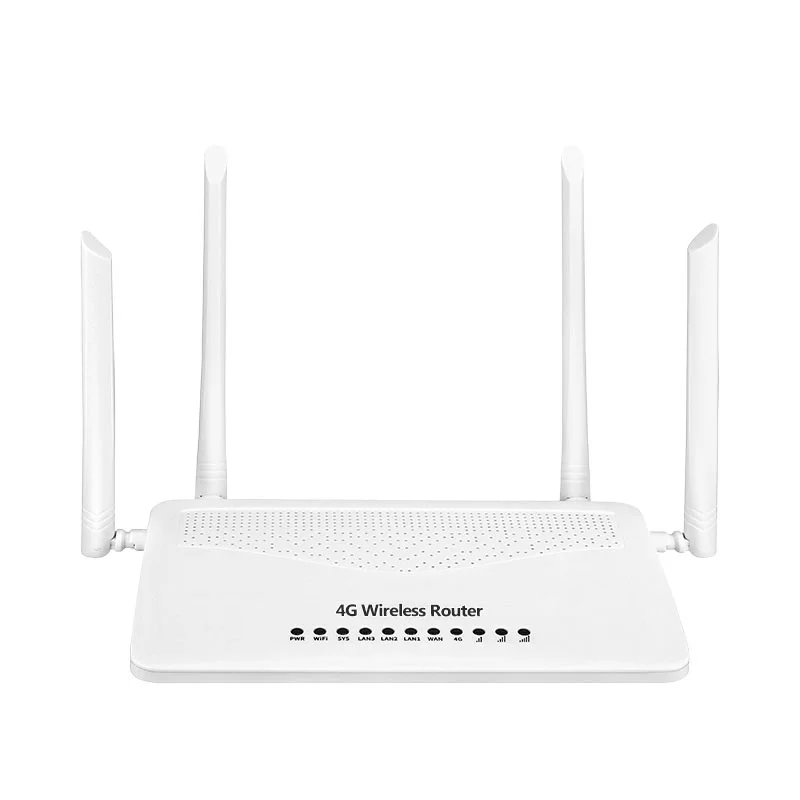
When I compare Ryoko Pro with common portable hotspot offerings, its strongest selling point is convenience. Many competing devices provide capable networking hardware but may require users to select their own SIM cards, configure network settings, or arrange data service separately. The comparison below describes general differences rather than claiming every competing device has identical specifications.

| Comparison Area | Ryoko Pro | Typical Popular Portable Hotspot |
|---|---|---|
| Initial Setup | QR-code access and an included SIM can simplify getting started once service is activated. | Setup varies; some devices require manual SIM installation, APN configuration, or account registration. |
| Travel Convenience | Designed around international mobile access through participating networks. | International functionality may depend on whether the device is unlocked and which regional bands it supports. |
| SIM Arrangement | Comes with a pre-installed Viaota SIM, reducing initial setup requirements. | May be sold without a SIM, requiring the buyer to select a compatible operator. |
| Supported Devices | Advertised support for up to ten simultaneous Wi-Fi connections. | Capacity varies widely; certain premium hotspots support more than ten devices. |
| Connection Speed | Advertised 4G LTE performance up to 150 Mbps. | Basic models may offer comparable speeds, while premium 4G and 5G units can provide higher ceilings. |
| Privacy and Security | Provides a personal password-protected Wi-Fi network. | Many established alternatives also support secure Wi-Fi, sometimes with more advanced configuration options. |
| Battery Convenience | Advertised battery life of up to eight hours. | Battery performance varies by model, with some devices offering longer operating periods. |
| Data Monitoring | Advertised usage tracking helps monitor consumption with the supported service. | Some alternatives include detailed dashboards, while others offer limited monitoring features. |
| International Data Management | Intended to simplify international service through the included SIM ecosystem. | Users may need separate regional SIMs, roaming arrangements, or compatible data subscriptions. |
| Technical Customization | Focuses on straightforward everyday operation. | Advanced devices may provide more extensive network controls and configuration options. |
| Cost Considerations | Requires an upfront device purchase plus mobile data charges. | Hardware prices vary, and separate carrier plans may be cheaper or more expensive depending on usage. |
| Best-Fit Customer | Travelers prioritizing easy activation and a familiar personal Wi-Fi network. | Buyers wanting specialized networking features, 5G speeds, or greater control over carrier selection. |
Where I Think Ryoko Pro Has an Advantage
The strongest argument in Ryoko Pro’s favor is its integrated approach. Instead of making users arrange every component independently, it combines the hotspot hardware, initial SIM setup, and account-based data management into one system.
For someone who travels occasionally and prefers predictable equipment, that convenience could outweigh the flexibility offered by more technical alternatives. I also appreciate that the device is designed with straightforward connection methods rather than making advanced networking knowledge a requirement.
Where Popular Alternatives May Perform Better
I would not claim Ryoko Pro is universally superior. More expensive hotspots can offer 5G connectivity, faster theoretical speeds, additional network controls, or stronger battery performance.
Ultimately, Ryoko Pro competes most convincingly on simplicity and portability, while certain competitors are better suited to demanding users who prioritize maximum performance or carrier flexibility. The better purchase depends on coverage, data costs, and how the device will actually be used.
Ryoko Pro Customer Reviews
My Ryoko Pro Rating: How It Earned 4.4 Out of 5
After examining the available specifications, advertised capabilities, and practical limitations of Ryoko Pro, I assign it an editorial rating of 4.4 out of 5. This score reflects my assessment of its proposed usefulness and feature combination. It is not a verified customer rating or the result of independent speed and battery testing.
Overall Editorial Score: 4.4/5
★★★★☆
| Rating Category | Score | My Assessment |
|---|---|---|
| Portability | ★★★★★ 4.8/5 | Its compact design and rechargeable battery make it especially appealing for people who regularly move between locations. |
| Ease of Setup | ★★★★★ 4.7/5 | QR-code connection and a pre-installed SIM should make initial configuration accessible to most users. |
| Multi-Device Support | ★★★★★ 4.5/5 | Support for ten devices is useful for families and small working groups, although everyone shares available bandwidth. |
| Connectivity Features | ★★★★☆ 4.3/5 | The 150 Mbps advertised maximum is reasonable for a basic 4G hotspot, but performance remains location-dependent. |
| Security Convenience | ★★★★☆ 4.4/5 | A private password-controlled network is useful, although specific encryption and security certifications require verification. |
| Travel Practicality | ★★★★★ 4.6/5 | International service positioning is appealing, subject to local compatibility and plan availability. |
| Battery Performance | ★★★★☆ 4.2/5 | Eight hours is respectable for occasional portable use, although some competitors advertise longer operation. |
| Overall Value | ★★★★☆ 4.3/5 | Convenience strengthens the proposition, but recurring data charges and plan restrictions affect total ownership cost. |
My final 4.4/5 rating reflects a favorable assessment of its usability, portability, and travel-oriented features, balanced against its reliance on cellular coverage and ongoing data costs. I consider it a promising option for moderate connectivity needs, with the important reservation that advertised performance should not be mistaken for independently verified results.
How to Set Up Ryoko Pro and Connect Your Devices
The setup process is one area where Ryoko Pro appears particularly user-friendly. Its advertised method avoids complicated router installation and can be completed through familiar smartphone Wi-Fi controls.
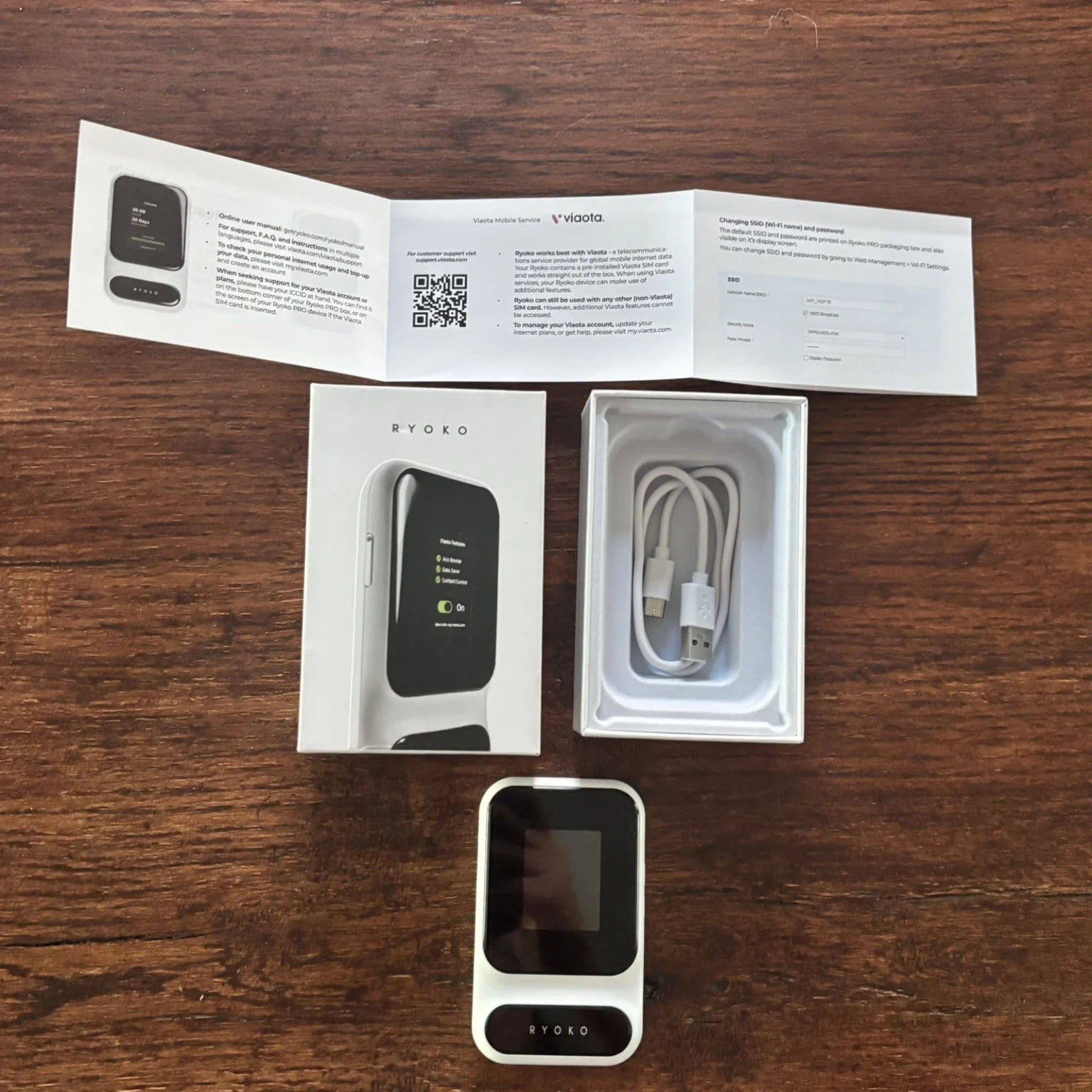
- Charge and power on the device. Connect the included USB-C charging cable if necessary. Press and hold the power button until the display activates.
- Check SIM and data activation. Make sure the included SIM has an active allowance. If activation or additional data is needed, follow the instructions provided with the device.
- Locate the QR code or Wi-Fi credentials. Once the hotspot starts, the display should provide the information required to connect compatible devices.
- Connect your smartphone, tablet, or laptop. Scan the QR code using a compatible phone or open Wi-Fi settings, select the Ryoko Pro network, and enter its password manually.
- Confirm internet access. Open a trusted website to verify connectivity. If the connection fails, inspect the cellular signal, SIM activation, and available data allowance.
- Monitor ongoing consumption. Use the supported data-management portal to review the remaining allowance and purchase additional service when necessary.
The entire process is designed to be manageable without technical expertise. For better security, use a strong network password, keep connected devices updated, and avoid sharing your Wi-Fi credentials unnecessarily. A private hotspot provides useful access control, but responsible security habits remain important.
Ryoko Pro Pros and Cons: What I Consider Important
No portable networking device is perfect, and Ryoko Pro has trade-offs that deserve attention. The following table summarizes six advantages and four limitations based on its specifications and intended use.
| Pros | Cons |
|---|---|
| 1. Highly Portable Design: Its compact construction allows users to carry internet connectivity in a bag or pocket. This is particularly useful for business travel and temporary accommodation where fixed broadband is unavailable. | 1. Requires Cellular Coverage: The device depends on compatible mobile networks. Remote locations, underground spaces, and heavily obstructed buildings may experience weak signals or no usable internet. |
| 2. Convenient Multi-Device Access: Supporting up to ten devices can simplify internet sharing between family members or colleagues. It reduces the need to configure a separate mobile connection for every electronic device. | 2. Mobile Data Costs Continue: Buying the hardware does not provide unlimited free internet. Users must account for subscriptions or top-ups, and plans may include usage restrictions or reduced speeds after specified thresholds. |
| 3. Easy Initial Connection: QR-code pairing and the included SIM reduce the configuration burden. This may be especially attractive for older adults and travelers who prefer simple technology. | 3. Speeds Depend on Local Conditions: The advertised maximum of 150 Mbps is not guaranteed. Congestion, weak reception, and simultaneous device usage may significantly reduce actual performance. |
| 4. Greater Control Over Wi-Fi Access: Its personal password-protected network allows users to manage which devices connect. This can be preferable to sharing an unfamiliar open network, particularly while handling personal information. | 4. Battery Runtime Is Limited: Up to eight hours may be adequate for travel, but users requiring uninterrupted full-day operation could need access to charging equipment or a portable power bank. |
| 5. International Travel Convenience: The included SIM service is designed for supported international destinations, potentially reducing the effort involved in obtaining local connectivity arrangements. | |
| 6. Helpful Usage Management: Monitoring data consumption can make prepaid plans easier to manage. Users sharing one allowance across several devices may particularly appreciate visibility into their usage. |
Overall, I find the advantages most persuasive for people who value convenience over advanced networking performance. The limitations are manageable for moderate users, but they become important when internet access is essential for demanding work or large daily downloads.
Is Ryoko Pro Safe for Everyday Internet Use?
From a practical networking perspective, Ryoko Pro uses familiar cellular and Wi-Fi technology. A personal, password-protected hotspot can help reduce exposure to unknown users on an open public network. However, I would not describe any internet connection as completely immune to interception, malicious websites, or account theft.
The safest approach is to use strong Wi-Fi passwords, HTTPS websites, multifactor authentication, and updated device software. Claims involving military-grade protection should be treated cautiously unless supported by clearly identified encryption standards or independent security testing.
My assessment is that the device offers a reasonable approach to personal connectivity, provided it is configured correctly and purchased from a reliable seller.
Who Should Consider Ryoko Pro, and Who Might Be Better Off Without It?
When assessing Ryoko Pro, I find that the intended user matters more than the advertising. Someone seeking convenient internet access during occasional trips has very different requirements from someone running a demanding home office.
People Who May Benefit Most
- Frequent Travelers: People visiting supported destinations may appreciate carrying one familiar hotspot instead of repeatedly locating trustworthy public Wi-Fi or arranging different connections.
- Remote Workers: Those needing moderate mobile internet for email, web applications, and occasional meetings may find it useful as a secondary connection, especially when working from temporary locations.
- Families Sharing Internet: Travelers carrying several connected devices can benefit from sharing one mobile data plan, provided the allowance is sufficient for everyone.
- Students and Commuters: People working between campus, transport hubs, and temporary study spaces may appreciate an independent connection where compatible cellular coverage exists.
- People Needing Emergency Backup Access: Households can use a cellular hotspot when fixed broadband becomes unavailable, assuming the mobile network remains functional.
People Who Should Consider Other Options
- Heavy Streaming and Gaming Users: Anyone downloading large files or relying on consistently low latency may prefer faster broadband or specialized high-performance hotspots.
- Residents of Poor-Coverage Areas: Cellular hotspots cannot overcome a complete lack of compatible mobile signal. Coverage verification is essential before purchasing.
- Users Seeking Free Unlimited Internet: Ryoko Pro requires mobile data service. People expecting lifetime internet access from a one-time hardware payment are likely to be disappointed.
- Advanced Networking Enthusiasts: Buyers requiring extensive customization, specialized routing controls, or 5G connectivity may find other equipment more appropriate.
What I Didn’t Like About Ryoko Pro and the Reasons Behind My Concerns
Although Ryoko Pro has an appealing design concept, several details prevent me from giving it a perfect score. I believe buyers deserve a clear explanation of these concerns before making a purchase.
- The Maximum Speed Can Create Unrealistic ExpectationsAdvertising up to 150 Mbps sounds impressive, but it does not establish the speed a customer will receive in a particular location. I would prefer independently published performance measurements across different networks, including examples from congested and lower-signal environments.
- The Full Cost Is More Than the Device PriceA promotional hardware discount can make the initial purchase attractive, but ongoing mobile data charges determine long-term value. I recommend calculating expected monthly consumption and comparing available plans before committing.
- International Coverage Needs More TransparencyA large number of partner operators sounds reassuring, but international access still depends on supported destinations, service agreements, and compatible networks. I would like clearly presented country-by-country coverage and pricing information available before checkout.
- Battery Capacity May Be Insufficient for Long WorkdaysThe advertised eight-hour runtime is practical for casual use, but someone depending on connectivity throughout a long journey could require supplemental charging. Battery endurance also changes with network strength and operating conditions.
- Some Promotional Claims Are Difficult to Verify IndependentlyFeatures such as advanced ad blocking, automatic network switching, and enhanced security deserve detailed technical documentation. I regard these as potentially useful additions, while avoiding assumptions about their effectiveness without independent verification.
Is Ryoko Pro a Scam or a Legitimate Portable Hotspot?
Based on the available technical descriptions, Ryoko Pro is not a scam. It appears to be a legitimate category of consumer networking device rather than an inherently fraudulent concept. Portable cellular hotspots are well-established products, and the advertised functions are technically plausible. However, that does not independently establish the reliability of every Ryoko Pro seller, advertised discount, data plan, or customer service promise.
My conclusion is that Ryoko Pro is a plausible, legitimate portable Wi-Fi product, but buyers should verify the seller and purchase conditions carefully. The biggest risks involve misunderstanding data charges, coverage, performance limits, or refund requirements. I would review the final checkout details and current service terms before ordering.
Other Portable Wi-Fi Devices Available on Amazon
Although Ryoko Pro offers appealing simplicity, I also believe comparing alternatives is sensible before making a decision. Several established portable hotspot models can be found through Amazon sellers, although availability, pricing, compatibility, and supported mobile networks vary by country.
1. TP-Link M7350 4G LTE Mobile Wi-Fi
The TP-Link M7350 is a portable 4G hotspot intended for users who want straightforward cellular connectivity. Depending on the regional version, it supports multiple connected devices and includes a display for basic connection information.
I consider it a reasonable alternative for buyers interested in a recognizable networking hardware brand. However, users may need to arrange their own compatible SIM and data plan. That additional setup makes Ryoko Pro’s pre-installed SIM arrangement more convenient for some travelers.
2. NETGEAR Nighthawk M6
The NETGEAR Nighthawk M6 targets users with more demanding connectivity needs. It supports 5G service on compatible networks and offers more advanced networking capabilities than many basic 4G hotspots.
Its potential performance advantages come with a substantially different purchasing proposition. Hardware costs, carrier compatibility, and subscription arrangements should be evaluated carefully. For occasional travel and routine internet access, Ryoko Pro may represent a simpler approach.
3. GlocalMe G4 Pro
The GlocalMe G4 Pro is another travel-oriented mobile hotspot designed around portable internet access. Its service model emphasizes international connectivity, making it relevant for travelers comparing alternatives to Ryoko Pro.
What I would examine most closely is the available regional data pricing, battery performance, and destination coverage. Both products focus on travel convenience, and the better choice depends on the countries being visited and expected data consumption.
For buyers primarily interested in a compact hotspot with an included SIM and accessible setup, Ryoko Pro remains a credible option to consider alongside these alternatives.
Ryoko Pro Money-Back Guarantee: What Buyers Need to Understand
The advertised return protection for Ryoko Pro is an important part of the purchasing decision. The supplied product information describes a 30-day money-back guarantee, along with a one-year warranty. However, the exact conditions should be verified before ordering because different sales and support materials may describe return eligibility differently.
One published Ryoko support policy specifies a 30-day return period for unopened packages. That means buyers should not automatically assume they can use the device extensively and then receive an unconditional refund. The refund deadline, package condition, return authorization, shipping expenses, and treatment of activated data services may all affect eligibility.
The advertised official-site guarantee should only be relied upon when purchasing through the seller’s authorized official sales channel under the applicable terms. Buying through an unrelated marketplace or third-party seller does not automatically provide the same return protection. I would verify that the checkout destination is authorized and save the policy displayed at purchase.
For additional peace of mind, I recommend keeping the order confirmation, receipt, packaging, and communications with support. Customers considering a return should contact the seller promptly rather than waiting until the end of the stated period.
A clear return policy can make purchasing more comfortable, but a 30-day guarantee is valuable only when its conditions are understood and followed. I would never treat the advertised protection as unconditional without checking the actual sales agreement.
Ryoko Pro Frequently Asked Questions (FAQs)
Q: Does Ryoko Pro provide unlimited internet for free?
A: Ryoko Pro is a hotspot device that requires access to a mobile data service. Purchasing the hardware does not automatically provide unlimited free internet. Users generally need an active plan or available prepaid allowance, and some plans advertised as unlimited may have fair-use restrictions or reduced speeds after a usage threshold. I recommend checking the specific plan terms before purchasing.
Q: How many devices can connect to Ryoko Pro simultaneously?
A: The device is advertised as supporting up to ten simultaneous Wi-Fi connections. This can include smartphones, laptops, tablets, and other compatible electronics. However, connection capacity and actual performance are separate considerations. Several devices streaming or downloading simultaneously will share the same cellular bandwidth and data allowance.
Q: Can I use Ryoko Pro when traveling internationally?
A: International use is a central part of the product’s marketing. Its included Viaota SIM is intended to provide service through supported partner networks, with the supplied product information advertising coverage in over 75 countries. Travelers should confirm coverage, compatible network technology, available plans, and applicable charges for every destination before leaving.
Q: How long does the Ryoko Pro battery last?
A: The advertised operating time is up to eight hours per charge. Actual duration can vary depending on connected devices, signal strength, data activity, and battery condition. For extended work sessions or long travel days, carrying a suitable USB-C power bank can provide additional flexibility.
Q: Can I use my own SIM card with Ryoko Pro?
A: Available product support information indicates that other compatible SIM cards may be usable, although compatibility can depend on network bands, device restrictions, and the particular service arrangement. Some advertised features, such as Viaota-specific monitoring or ad blocking, may not function with an alternative SIM. I recommend verifying the exact device version and carrier compatibility before relying on a personal SIM.
Q: How do I add more data after my allowance runs out?
A: The supplied instructions identify the Viaota self-service account system as the method for managing data plans and purchasing additional allowances. Users can register using their purchase information, review available packages, and select a suitable top-up. Before confirming payment, I would examine the data quantity, validity period, renewal settings, and any fair-use conditions.
Q: Is Ryoko Pro suitable for video calls, streaming, and online work?
A: The advertised maximum speed suggests that Ryoko Pro can support many ordinary online activities when network conditions are favorable. Video conferencing and streaming depend on sustained download and upload performance, latency, and sufficient data. I would use it for moderate mobile work while maintaining a backup connection for particularly important meetings.
Q: Is purchasing Ryoko Pro a sensible investment?
A: I believe it can be worthwhile for people who regularly need portable internet access and prefer straightforward setup. Its usefulness is particularly evident when several devices must share a connection during travel. However, the purchase makes less financial sense if an existing smartphone hotspot already meets the same needs at a lower total cost. Comparing hardware pricing, monthly data expenses, and expected usage is the best way to reach an informed decision.
My Final Verdict on Ryoko Pro
After reviewing the available information, I believe Ryoko Pro offers a practical approach to portable connectivity. Its strongest attractions are the compact design, straightforward setup, included SIM, and ability to support multiple devices. For travelers and remote workers who want a familiar personal Wi-Fi network, those features can provide meaningful everyday convenience.
My 4.4/5 editorial rating reflects the product’s appealing functionality while recognizing its limitations. Actual speeds and coverage depend on mobile network conditions, data access involves ongoing costs, and buyers should examine the refund requirements carefully. I regard Ryoko Pro as a legitimate option worth evaluating, particularly for moderate internet needs where mobility is more important than maximum performance.
If your priority is carrying a personal connection while traveling, I recommend checking destination coverage and data pricing before making your decision. Visit the official Ryoko Pro offer page to review the current package, available promotions, and purchase conditions, and choose a plan that suits your internet needs.
References
The following authoritative resources provide additional background on mobile broadband coverage, wireless security, and online purchasing protections. They support the general technical and consumer guidance discussed in this review rather than independently validating every Ryoko Pro marketing claim.
- Federal Communications Commission (FCC) — What’s on the National Broadband Map. Explains how mobile coverage estimates are produced and the reasons actual connectivity may differ from published coverage information.https://help.bdc.fcc.gov/hc/en-us/articles/13532984820379-What-s-on-the-National-Broadband-Map
- Federal Trade Commission (FTC) — Are Public Wi-Fi Networks Safe? What You Need to Know. Provides evidence-based consumer guidance about encryption, public wireless networks, and internet security practices.https://consumer.ftc.gov/articles/are-public-wi-fi-networks-safe-what-you-need-know
- Federal Trade Commission (FTC) — Online Shopping. Covers evaluating online retailers, understanding refund conditions, choosing secure payment methods, and protecting consumers during purchases.https://consumer.ftc.gov/articles/online-shopping
- Federal Communications Commission (FCC) — How to Use the FCC Mobile Speed Test App to Challenge Mobile Coverage. Explains the importance of real-world mobile speed testing and the limitations of estimated network coverage.https://help.bdc.fcc.gov/hc/en-us/articles/10468786141723-How-to-Use-the-New-FCC-Mobile-Speed-Test-App-to-Challenge-Mobile-Coverage
Disclaimer: This Ryoko Pro review is an independent editorial assessment based on publicly available information, advertised specifications, and general networking guidance. I have not independently tested Ryoko Pro’s speed, battery life, or security. Product specifications, coverage, prices, and refund conditions may change. This article contains affiliate links, meaning I may earn a commission from qualifying purchases at no additional cost to you. Always verify current product details and seller policies before ordering.