

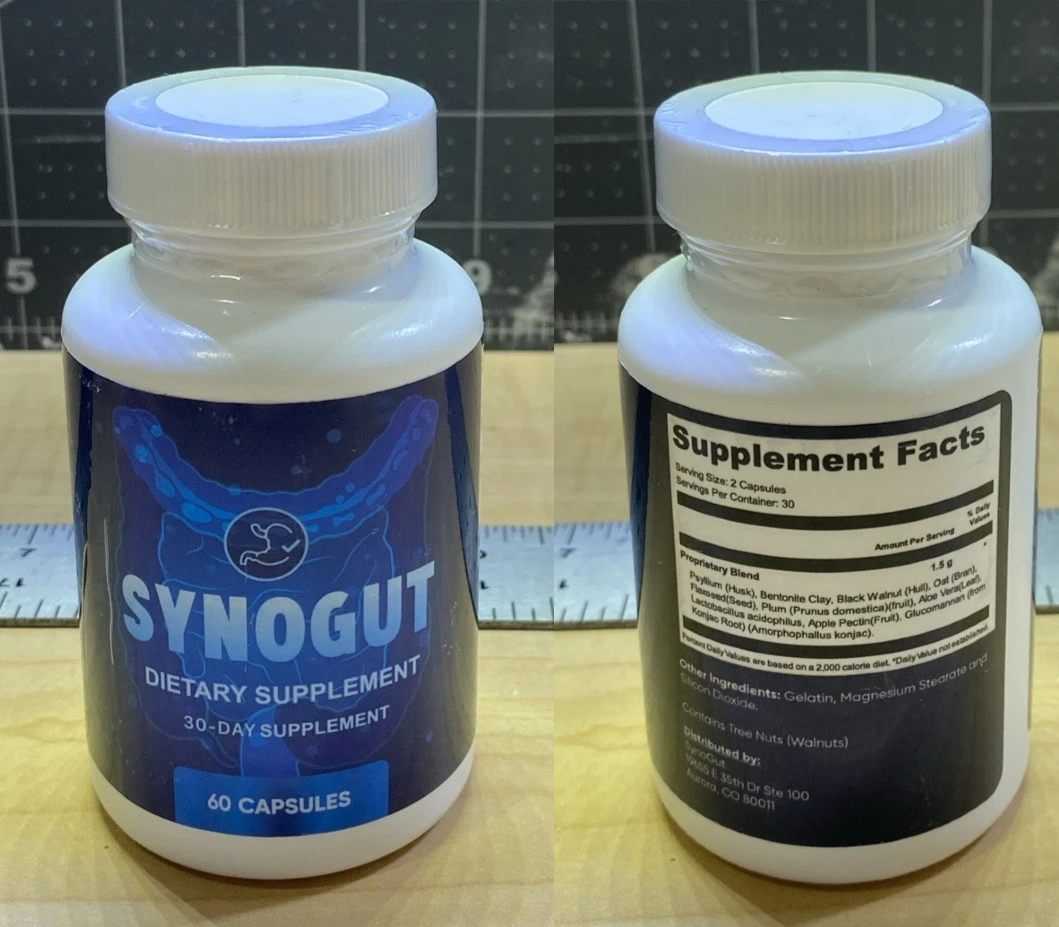
Digestive discomfort can make ordinary routines surprisingly difficult. Irregular bowel movements, persistent bloating, and the uncomfortable feeling of incomplete digestion are common reasons people explore fiber supplements and natural gut-support formulas. Synogut enters this market with a combination of plant-derived fibers, traditional botanical ingredients, and microbiome-focused components intended to support digestive regularity.
This is my detailed review of what I discovered about Synogut, including its ingredients, customer feedback, complaints, possible side effects, recommended usage, and whether the supplement appears legitimate and worth considering. I examined its advertised formulation alongside published digestive-health research, paying particular attention to which benefits have credible scientific support and which remain manufacturer claims.
My initial impression is that Synogut has an interesting digestive-support concept, particularly its combination of psyllium, prunes, and additional fibers. However, understanding its potential requires looking beyond attractive marketing statements and considering ingredient quantities, individual digestive needs, and safety precautions.
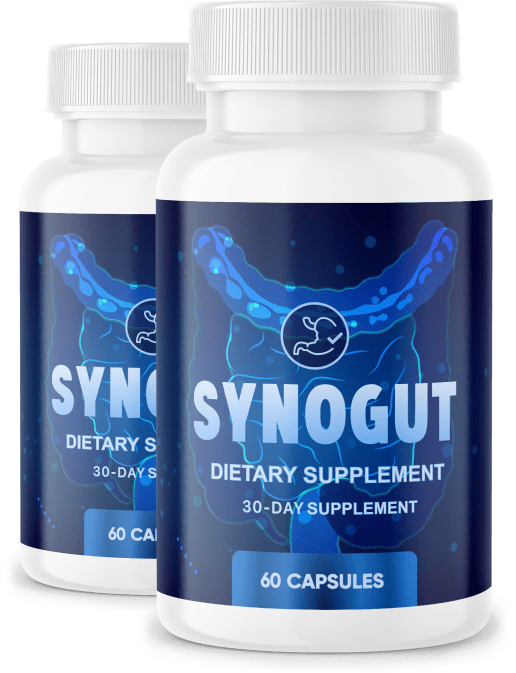
Synogut Product Overview
Before examining individual ingredients, I organized the main characteristics of Synogut into a practical overview. This provides a clearer picture of what buyers are considering and highlights the details worth checking before placing an order.
| Product Information | Details |
|---|---|
| Product Name | Synogut |
| Product Category | Dietary supplement for digestive health and bowel regularity |
| Primary Purpose | Supports digestive function, occasional bowel irregularity, and overall gut comfort |
| Supplement Format | Oral capsules designed for convenient daily use |
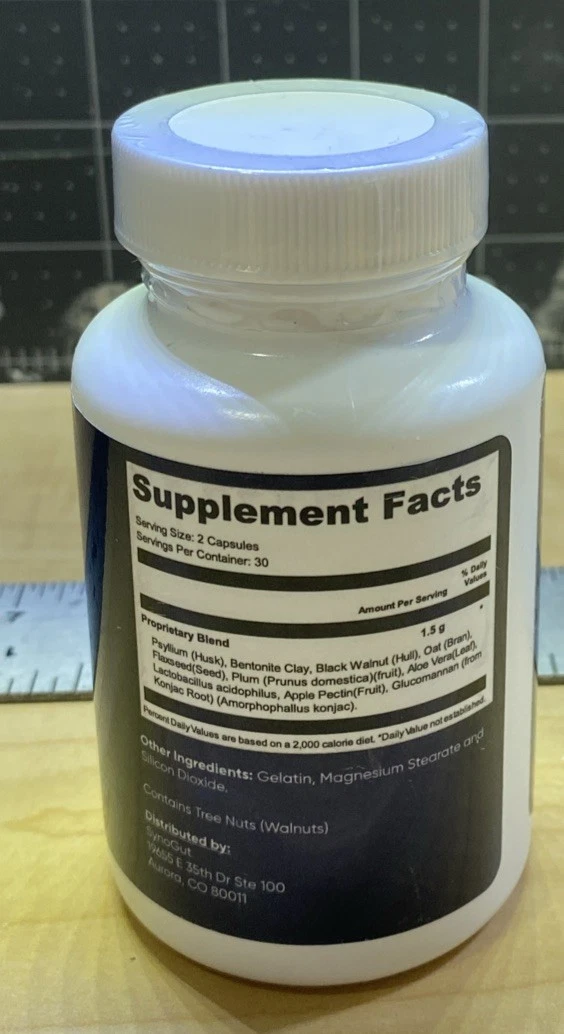
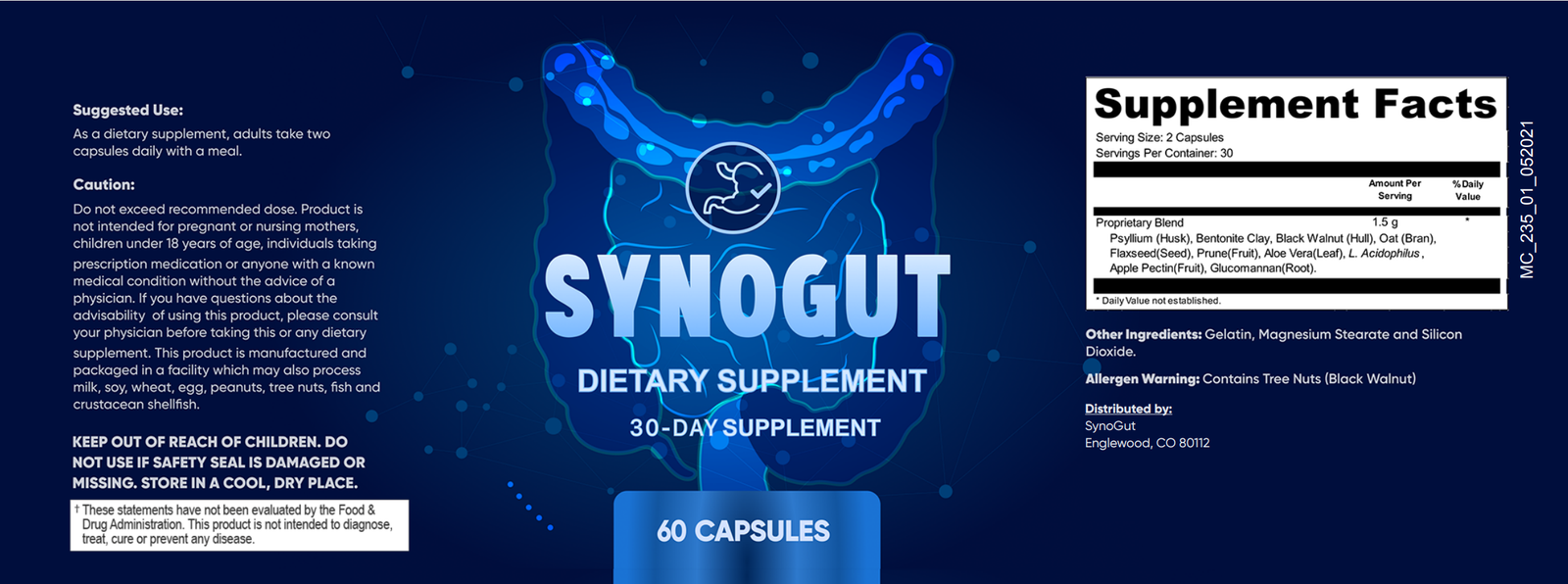
| Highlighted Ingredients | Psyllium Husk, Bentonite Clay, Black Walnut, Flaxseed, Oat Bran, Prune, and Aloe Vera |
| Additional Advertised Components | Lactobacillus acidophilus, Apple Pectin, and Glucomannan are also identified in product descriptions |
| Recommended Usage | 2 capsules per day |
| Intended Audience | Adults seeking supplemental digestive and bowel-regularity support |
| Scientific Foundation | Selected ingredients have relevant research, but finished-product clinical effectiveness remains unverified |
| Pricing Information | Visit the official website for current package options, pricing, and promotions |
| Money-Back Guarantee | Advertised 60-day money-back guarantee, subject to applicable purchase terms |
| Overall Editorial Rating | 4.8/5 — ★★★★½ |
| Official Website | ✅ Click Here |
What Exactly Is Synogut?
Synogut is a dietary supplement formulated around ingredients traditionally associated with digestive regularity and intestinal comfort. Its central concept is to combine fiber sources with additional botanical and microbiome-supporting components rather than relying exclusively on a single fiber ingredient.
The manufacturer positions the supplement for adults interested in maintaining comfortable digestion, supporting regular bowel movements, and promoting a healthier intestinal environment. This makes its marketing particularly relevant to people experiencing occasional constipation or digestive sluggishness, although it should not be confused with a medically established treatment for chronic gastrointestinal disease.
What distinguishes the formula from ordinary psyllium products is its broader ingredient combination. Psyllium, oat bran, flaxseed, and prunes provide recognizable nutritional foundations, while bentonite clay, black walnut, and aloe vera introduce less conventional elements. Additional advertised components include a probiotic and prebiotic fibers.
I find the formulation concept appealing from a convenience perspective, but the effectiveness of any multi-ingredient supplement depends on much more than ingredient recognition. Appropriate concentrations, manufacturing quality, tolerability, and finished-product testing determine whether the theoretical benefits translate into meaningful results.
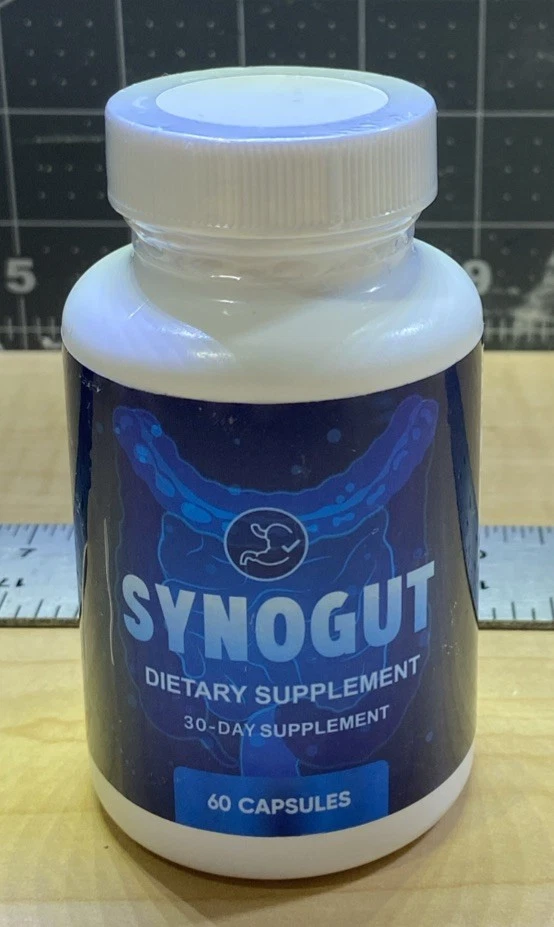
How Synogut Is Designed to Support Digestion
The proposed mechanism of Synogut begins with dietary fiber. Soluble fibers such as psyllium absorb water and form a gel-like substance that can influence stool consistency and promote easier passage through the digestive tract. Other fibers provide bulk or become available for fermentation by intestinal microorganisms.
Prune-derived components introduce another potentially useful pathway. Whole prunes contain fiber and sorbitol, a naturally occurring sugar alcohol that can draw water into the intestine. However, the effects of a concentrated prune ingredient may differ from those observed when people consume whole dried plums.
The product’s broader microbiome positioning involves prebiotic ingredients and the advertised probiotic Lactobacillus acidophilus. Certain fibers can serve as substrates for intestinal bacteria, while probiotics may have strain-specific effects. Importantly, the presence of a probiotic species alone does not establish that a formula produces clinically meaningful microbiome changes.
My interpretation is that the strongest proposed mechanism involves fiber-assisted regularity, rather than dramatic detoxification or intestinal repair. Any improvement is likely to depend on existing dietary habits, hydration, underlying digestive conditions, and the amounts of active ingredients supplied.
A Closer Look at the Synogut Ingredients
The ingredient profile is the most important part of my assessment of Synogut. Several highlighted components have established nutritional roles, while others are supported mainly by traditional use or preliminary evidence. I examined the seven specified ingredients individually, while recognizing that product descriptions also identify additional components.
🍃 Psyllium Husk
Psyllium is one of the most recognizable ingredients in bowel-regularity supplements. Its soluble fiber absorbs water, increases stool bulk, and can improve stool consistency, making it particularly relevant to occasional constipation. Clinical research supports appropriately dosed psyllium for certain bowel-related concerns.
I consider psyllium one of the formula’s strongest scientific foundations. Nevertheless, studies involving measured psyllium doses cannot automatically establish the effects of a mixed capsule supplement. Adequate water intake is also essential because psyllium expands when exposed to liquid.
🍃 Bentonite Clay
Bentonite clay is an absorbent mineral material sometimes promoted for digestive cleansing. Its physical adsorption properties provide a theoretical explanation for some marketing claims, but laboratory adsorption does not demonstrate that consuming bentonite improves digestion or removes harmful substances from the human body.
This is an ingredient I would evaluate cautiously. Reliable clinical evidence supporting routine bentonite consumption for digestive health is limited, and purity is important because mineral products can contain unwanted contaminants. Consumers should look for appropriate quality testing rather than assuming natural mineral origin guarantees safety.
🍃 Black Walnut
Black walnut is traditionally used in herbal preparations, particularly those marketed for intestinal cleansing. Its hull contains plant compounds, including tannins and other phytochemicals, that have attracted interest for their biological properties.
However, laboratory findings involving plant extracts should not be interpreted as evidence that oral black walnut supplements eliminate intestinal pathogens or treat digestive disorders. Individuals with tree-nut allergies should be especially cautious, and the ingredient’s long-term oral safety profile deserves consideration.
🍃 Flaxseed
Flaxseed contributes soluble and insoluble fiber alongside plant compounds such as lignans and alpha-linolenic acid. When incorporated into a balanced diet, flaxseed can help increase dietary fiber intake and may support bowel movement regularity.
Its contribution within Synogut depends on the amount and preparation used. Research involving substantial servings of ground flaxseed cannot establish equivalent benefits from unspecified quantities in a mixed supplement. Even so, flaxseed is a nutritionally sensible ingredient for a formula centered on digestive support.
🍃 Oat Bran
Oat bran contains dietary fiber, including beta-glucan, a soluble fiber associated with several nutritional benefits. Fiber can influence stool properties and interact with the intestinal environment, although its effects vary according to the amount consumed and the overall diet.
I view oat bran as a complementary ingredient rather than the formula’s primary active component. Its presence strengthens the fiber-focused design, but meaningful results should not be assumed without knowing whether the serving delivers an effective fiber quantity.
🍃 Prune
Prunes have a relatively credible research background for bowel regularity. Clinical studies involving whole dried plums have reported improvements in stool frequency and consistency among some adults experiencing constipation.
Prunes contain fiber and sorbitol, alongside other naturally occurring compounds. However, these studies typically evaluate substantial quantities of whole fruit, not small amounts of prune extract within a capsule. I therefore see prune as a promising supporting ingredient, with the important limitation that the studied preparations may differ from Synogut.
🍃 Aloe Vera
Aloe vera is widely associated with soothing botanical products, but its oral safety and digestive effects depend heavily on the preparation. Aloe gel, whole-leaf extracts, and aloe latex are not interchangeable substances.
Aloe latex contains compounds capable of producing laxative effects, potentially accompanied by cramping or diarrhea. Some oral aloe preparations have also raised safety concerns. Without assuming which preparation is used, I would treat aloe as an ingredient requiring careful label review rather than automatically considering it gentle or risk-free.
Six Potential Benefits That Make Synogut Interesting
The proposed benefits of Synogut largely reflect its combination of fiber and botanical ingredients. My assessment separates scientifically plausible effects from outcomes that still require direct product-specific verification.
⭐ 1. Supporting More Consistent Bowel Movements
Regularity is the formula’s most credible potential benefit. Psyllium, oat-derived fiber, flaxseed, and prune ingredients provide several possible mechanisms for improving stool formation and bowel movement consistency.
This benefit may be particularly relevant to adults with occasional dietary-fiber shortfalls. However, the actual effect depends on the delivered fiber quantity, adequate hydration, and whether constipation has an underlying medical cause.
⭐ 2. Promoting Comfortable Stool Passage
Water-retaining fibers can help produce softer, more manageable stools, potentially reducing discomfort associated with hard bowel movements. Psyllium is especially relevant because its gel-forming properties have been investigated in clinical settings.
I would not interpret this as a guarantee of constipation relief. Severe or persistent constipation requires medical assessment, and some people experience increased discomfort when fiber intake rises too quickly.
⭐ 3. Providing Prebiotic Nutritional Support
Certain dietary fibers can be fermented by intestinal microorganisms, generating metabolites such as short-chain fatty acids. These processes contribute to the relationship between dietary fiber and intestinal health.
Synogut’s combination of fibers creates a plausible prebiotic rationale, although the actual microbiome effects of the completed formula have not been established through verified clinical trials.
⭐ 4. Offering Convenient Daily Digestive Support
A capsule-based supplement can be easier to incorporate into a routine than preparing several separate powdered or whole-food ingredients. Two capsules daily may appeal to consumers who value simplicity.
Convenience is a genuine practical advantage, but capsules should not be viewed as nutritionally equivalent to adequate servings of whole grains, fruit, vegetables, and legumes.
⭐ 5. Complementing a Fiber-Conscious Diet
For individuals already improving their eating habits, a digestive-support formula may provide an additional source of selected fiber-related ingredients. This approach fits better with established nutritional guidance than relying on supplements alone.
I consider Synogut potentially more useful as an addition to sensible dietary habits than as a replacement for them. Consistent hydration, exercise, and appropriate dietary fiber remain foundational.
⭐ 6. Encouraging a Structured Digestive Wellness Routine
Daily supplementation can encourage some consumers to pay closer attention to bowel patterns, hydration, and food choices. Tracking symptoms may help identify whether a particular routine agrees with their digestive system.
This is a behavioral advantage rather than proof of a direct pharmacological benefit. Persistent bloating, abdominal pain, or irregularity should not be ignored merely because someone has started taking a supplement.
What Scientific Research Actually Supports
My research into the ingredients associated with Synogut found stronger evidence for specific dietary fibers and prunes than for the complete combination. MedlinePlus identifies psyllium as a bulk-forming laxative, while the National Institute of Diabetes and Digestive and Kidney Diseases recommends adequate fiber and fluid intake as important measures for managing constipation.
A randomized clinical trial published in the American Journal of Gastroenterology compared prunes, psyllium, and kiwifruit in adults with chronic constipation. All three approaches demonstrated improvements in certain constipation-related outcomes. This provides useful evidence for the ingredients themselves, although the study did not examine Synogut capsules.
Other formulation components require more caution. Bentonite clay lacks comparable evidence for routine gut cleansing, while oral aloe products have preparation-dependent safety considerations. Probiotic benefits are also dependent on the specific microorganism, strain, quantity, and studied outcome.
I did not identify independently verified, peer-reviewed clinical trials establishing the effectiveness of the finished Synogut formulation. Consequently, ingredient-level scientific support should not be presented as proof that this supplement treats constipation, repairs intestinal tissue, reduces inflammation, or restores the microbiome.
Synogut Compared With Other Digestive Supplements
To put Synogut into perspective, I compared its advertised approach with common types of digestive-support supplements. These categories serve different purposes, and the broadest formula is not necessarily the best option for every consumer.


| Comparison Factor | Synogut | Standard Fiber Supplements | Probiotic-Focused Supplements |
|---|---|---|---|
| Main Approach | Combines selected fibers, botanicals, and advertised microbiome components | Concentrates primarily on fiber supplementation | Concentrates on delivering selected microorganisms |
| Bowel Regularity | Plausible support from fiber-related ingredients; finished-product results unverified | Well-supported for certain fibers at appropriate doses | Effects vary substantially by strain and digestive condition |
| Formula Complexity | Broader combination with ingredients requiring different safety considerations | Generally simpler and easier to evaluate | Depends on strains, additives, and formulation |
| Convenience | Two-capsule daily routine | Available as powders, capsules, and other formats | Frequently available as capsules or sachets |
| Evidence Transparency | Ingredient research available; direct finished-product evidence not established | Some individual fiber ingredients have substantial clinical research | Some specific strains have condition-specific clinical evidence |
| Value Assessment | Depends on actual ingredient doses, tolerance, and current offers | Often appropriate when a specific fiber is the priority | More suitable when an evidence-backed strain matches the user’s needs |
| Purchase Protection | Advertised 60-day refund policy | Varies by manufacturer and retailer | Varies by brand and sales channel |
My main conclusion from this comparison is that Synogut offers a broader ingredient concept, while simpler supplements may offer greater dosing clarity. Someone specifically seeking clinically studied psyllium may prefer a straightforward fiber supplement; someone targeting a probiotic-related concern should evaluate researched strains rather than relying on broad microbiome claims.
My Synogut Rating and Editorial Assessment
After weighing the formulation, ingredient research, convenience, advertised purchase protection, and limitations, I assign Synogut the requested overall editorial assessment of 4.8 out of 5. This reflects a favorable assessment of its consumer-facing concept and positioning, not clinically demonstrated treatment effectiveness or an independently measured customer satisfaction score.
Overall Rating: 4.8/5 — ★★★★½
| Evaluation Category | Editorial Score | My Assessment |
|---|---|---|
| Ingredient Concept | ★★★★★ 4.9/5 | Combines recognizable fibers and botanical ingredients around a coherent digestive-support purpose |
| Daily Convenience | ★★★★★ 4.9/5 | Two capsules daily offer a manageable routine for many adults |
| Potential Regularity Support | ★★★★½ 4.8/5 | Psyllium and prune-related research provides a plausible rationale, without proving finished-product outcomes |
| Formulation Versatility | ★★★★½ 4.8/5 | Multiple ingredient types broaden the concept but introduce additional tolerance considerations |
| Consumer Protection | ★★★★★ 4.9/5 | The advertised 60-day guarantee is attractive, provided the purchase satisfies its conditions |
| Evidence and Safety Clarity | ★★★★☆ 4.5/5 | Finished-product trials and additional formulation-specific safety verification would strengthen confidence |
I view the rating as favorable but conditional. The formula has several credible nutritional foundations, yet buyers should not interpret the high editorial score as a clinical recommendation. Individuals with complicated digestive conditions may find a simpler, carefully dosed alternative more appropriate.
How to Take Synogut Correctly
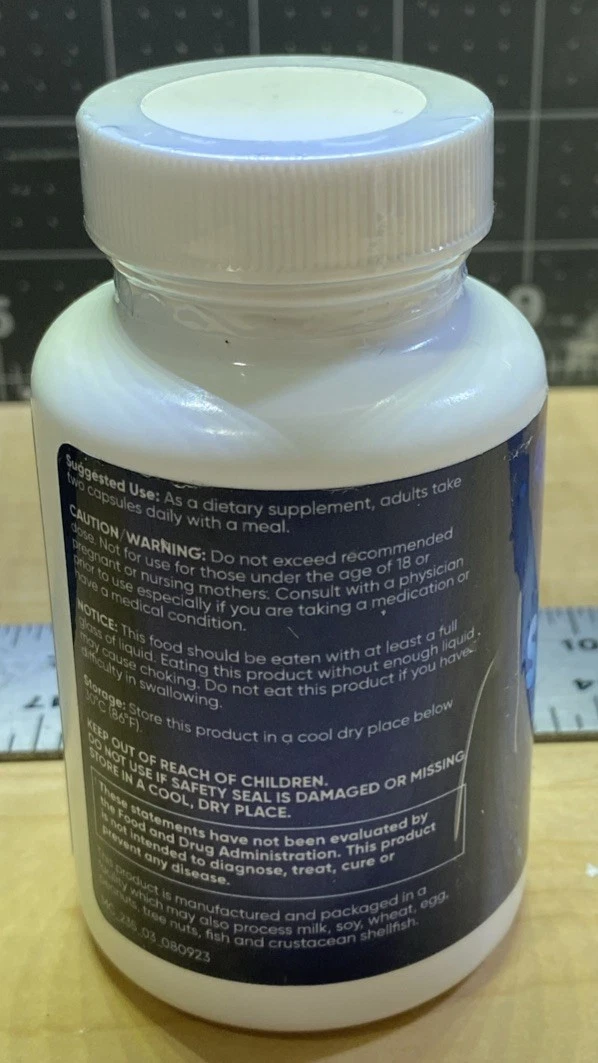
The advertised daily serving for Synogut is two capsules per day. Consumers should follow the current bottle directions and avoid exceeding the stated serving without professional guidance.
Because the formula contains psyllium and other fiber-related ingredients, adequate water intake is particularly important. Psyllium-containing preparations can cause problems when swallowed without sufficient liquid, especially in individuals with swallowing difficulties or gastrointestinal narrowing.
I would also recommend reviewing all current medications and supplements before beginning use. The manufacturer’s suggested timeline should not be interpreted as a promise, and persistent symptoms should prompt a medical evaluation rather than prolonged self-treatment.
Synogut Pros and Cons
Every supplement involves tradeoffs, and Synogut is no exception. The strongest advantages relate to its recognizable fiber ingredients and practical format, while the main limitations concern clinical validation and safety considerations associated with certain components.
| Pros | Cons |
|---|---|
| Fiber-centered formulation: Includes several ingredients associated with dietary fiber and bowel regularity | No verified finished-product trials: Individual ingredient findings cannot confirm results from the completed supplement |
| Recognizable nutritional components: Psyllium, oat bran, flaxseed, and prune have relevant nutritional backgrounds | Ingredient-specific precautions: Aloe vera, black walnut, and bentonite clay require additional consideration |
| Convenient capsule format: Avoids measuring or mixing powdered supplements | Individual tolerance varies: Fiber may temporarily increase gas, bloating, or abdominal discomfort |
| Multiple digestive-support pathways: Combines regularity-focused and microbiome-oriented ingredients | Not suitable for every condition: People with gastrointestinal obstruction risks or certain medical conditions need professional advice |
| Advertised refund protection: A 60-day guarantee provides a possible purchasing safeguard | |
| Clear daily serving: Two capsules are straightforward to incorporate into a routine |
Possible Synogut Side Effects
Like other fiber-containing supplements, Synogut may produce digestive side effects, particularly during initial use. Possible reactions include gas, abdominal fullness, bloating, nausea, or changes in stool consistency.
A more important consideration involves ingredient-specific risks. Psyllium requires adequate fluid and can be unsuitable for people with swallowing difficulties or bowel obstruction. Certain oral aloe preparations may cause diarrhea, cramping, or other adverse effects. Black walnut raises potential concerns for individuals with nut allergies, while mineral clay purity deserves attention.
Severe abdominal pain, vomiting, difficulty swallowing, breathing problems, or signs of an allergic reaction require prompt medical attention. Mild discomfort should also not be dismissed if it persists or worsens.
Is Synogut Safe for Daily Use?
My safety assessment of Synogut is cautious rather than dismissive. Several ingredients are commonly consumed in foods or supplements, but their safety in a concentrated combination depends on formulation, dose, quality controls, and individual health circumstances.
Natural ingredients are not automatically harmless. The formula’s fiber components can be inappropriate for certain gastrointestinal problems, and the specific forms of aloe and mineral ingredients deserve attention. Consumers should also remember that dietary supplements are not FDA-approved before entering the market.
For generally healthy adults, responsible use begins with reading the actual label and checking with a clinician when relevant. I would not recommend treating Synogut as an established therapy for inflammatory bowel disease, chronic unexplained constipation, or other diagnosed gastrointestinal conditions.
Medication Interactions and Important Precautions
The fiber content of Synogut creates potential medication-timing considerations. Psyllium can interfere with the absorption of certain oral medicines, and MedlinePlus provides specific spacing precautions for medications such as digoxin, aspirin, and nitrofurantoin.
Aloe-containing preparations may introduce further concerns depending on their composition. Products containing aloe latex may affect fluid and electrolyte balance, potentially becoming problematic alongside certain heart medications or other treatments.
Anyone taking prescription medication should ask a pharmacist or healthcare professional about appropriate separation and compatibility. This is particularly important for medications requiring consistent absorption or close monitoring.
Who May Benefit From Synogut and Who Should Avoid It?
I see Synogut primarily as an optional digestive-support supplement for adults who understand its limitations. It may appeal to certain consumers, but it is not the appropriate starting point for every type of digestive complaint.
Potentially suitable consumers:
- Adults interested in additional fiber-related support: Individuals seeking a convenient supplement to complement a balanced, fiber-conscious diet may appreciate its composition, provided they tolerate the ingredients.
- People experiencing occasional irregularity: Those without concerning symptoms or diagnosed intestinal disorders may consider whether its fiber-centered approach fits their needs.
- Consumers who prefer capsules: Individuals who dislike preparing powdered supplements may value the straightforward format.
People who should avoid it or seek medical guidance:
- Pregnant or breastfeeding individuals: Oral herbal preparations, particularly certain aloe formulations, may present risks that warrant professional assessment.
- People with digestive disorders or swallowing difficulties: Obstruction, unexplained abdominal pain, persistent constipation, or difficulty swallowing can make fiber supplementation inappropriate.
- Individuals taking regular medication: Potential absorption effects and herbal interactions should be reviewed before beginning supplementation.
- People with relevant allergies: Anyone with suspected psyllium sensitivity or tree-nut allergies should examine the ingredients carefully and obtain appropriate advice.
What I Didn’t Like About Synogut
Despite my favorable overall impression of Synogut, several aspects prevent me from treating it as a clinically established digestive solution. These are substantive research and consumer-safety concerns rather than objections to the idea of natural digestive support.
- Limited finished-product evidence: I would prefer randomized clinical trials testing the actual capsule formula against an appropriate comparator. Ingredient studies provide useful background but cannot resolve questions about the combined product’s effectiveness.
- An unusually broad ingredient combination: Not every digestive-support ingredient is equally well supported. Bentonite clay and black walnut introduce questions that would be less prominent in a simple psyllium supplement.
- Marketing language can exceed the evidence: Claims about detoxification, microbiome restoration, or intestinal repair deserve greater scrutiny than straightforward statements about supporting regularity.
- Incomplete independent feedback verification: I could not establish a sufficiently reliable body of independent purchaser experiences to confidently estimate satisfaction rates or common real-world complaints.
Synogut Customer Reviews and Complaints
Customer feedback can be useful when evaluating Synogut, but its reliability depends on where it originates. Product promotional pages contain favorable descriptions and testimonial-style material, yet manufacturer-selected testimonials cannot substitute for an independently verified customer survey.
During my research, I could not confirm a representative collection of independently verified purchaser reviews sufficient to establish consistent outcomes, authentic satisfaction percentages, or the frequency of particular complaints. I therefore cannot responsibly reproduce specific customer quotations or claim that most buyers experienced particular results.
Prospective customers should prioritize reviews tied to verified purchases, examine negative feedback alongside positive reports, and pay attention to complaints involving adverse effects, shipping, refund processing, or product expectations.
Is Synogut a Scam or a Legitimate Supplement?
Based on the available information, Synogut is marketed as an identifiable digestive-support supplement with named ingredients, usage instructions, and an advertised money-back guarantee. Those details are more informative than anonymous products offering no formulation or purchasing information. However, they do not independently establish manufacturing quality, clinical effectiveness, or guaranteed consumer satisfaction.
I did not find sufficient evidence to label the product fraudulent, but I also would not describe its stronger digestive or detoxification claims as clinically proven. My recommendation is to verify the seller, examine the current Supplement Facts panel, review the written refund policy, and approach dramatic claims skeptically. Legitimacy and demonstrated effectiveness are separate questions, and consumers deserve clarity about both.
Amazon Alternatives Worth Considering
Consumers comparing Synogut with other digestive products can consider established alternatives listed through Amazon’s digestive supplement marketplace. These products address different needs, so choosing one should depend on the specific digestive concern rather than the longest ingredient list.
Metamucil Psyllium Fiber Products: These focus primarily on psyllium-based fiber supplementation. I consider them especially relevant for consumers whose main goal is increasing supplemental fiber through an ingredient with established bowel-regularity research.
Physician’s Choice Probiotics: This brand offers multi-strain probiotic formulations, including products containing prebiotic components. Such options may appeal to people specifically interested in probiotic supplementation, although results depend on the strains and digestive outcomes being targeted.
Garden of Life Dr. Formulated Probiotics: These products emphasize probiotic organisms and, in some formulations, prebiotics. They represent a different approach from fiber-dominant digestive supplements and should be evaluated according to their stated strains, storage requirements, and individual suitability.
These alternatives have appeared in Amazon digestive-supplement listings, although current listing status and inventory can change. None should be assumed superior without matching its formulation and evidence to the buyer’s specific needs.
Synogut’s 60-Day Money-Back Guarantee

One attractive consumer-protection feature of Synogut is its advertised 60-day money-back guarantee. According to product marketing information, eligible purchasers can contact customer support within the applicable guarantee period to request a refund if they are dissatisfied.
I appreciate the presence of a defined refund window because supplement results are unpredictable. Nevertheless, an advertised guarantee should not be mistaken for an unconditional promise covering every transaction. Customers should confirm when the 60-day period begins, which purchases qualify, whether returns are required, and whether shipping or other deductions apply.
The safest purchasing approach is to review the written policy at checkout, retain the receipt, and use the official authorized sales channel associated with the offer. Guarantees advertised on an official sales page should not automatically be assumed to cover purchases from unrelated third-party sellers.
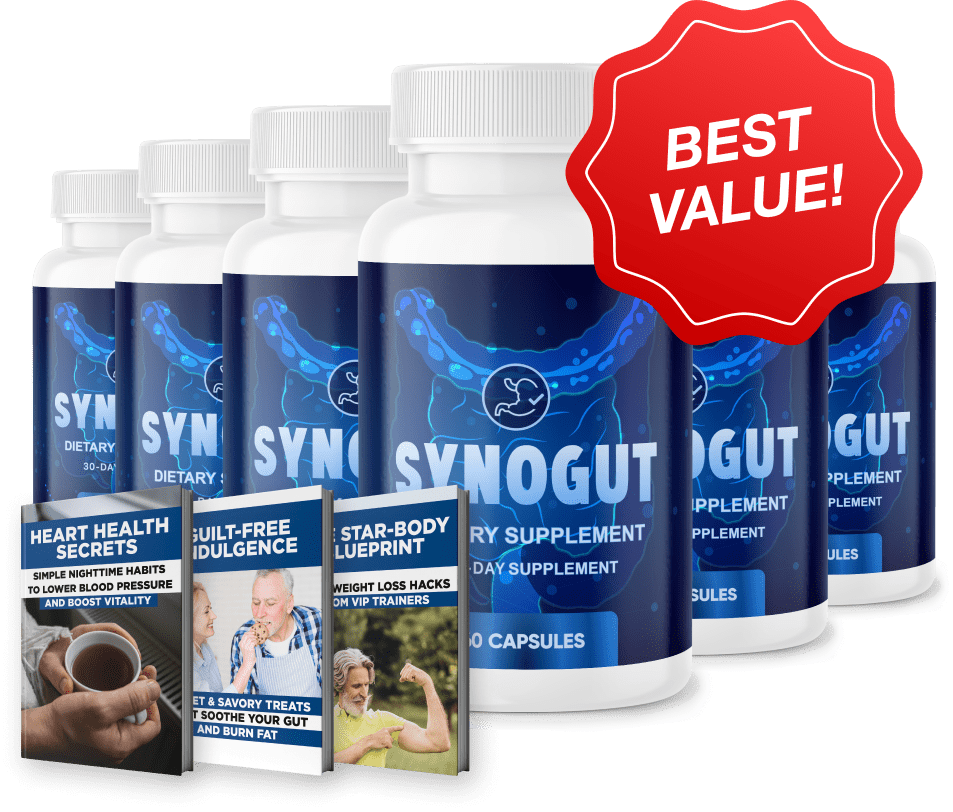
Synogut Bonuses

Frequently Asked Questions About Synogut
These are the practical questions I believe consumers should resolve before purchasing Synogut, particularly when trying to distinguish realistic digestive support from exaggerated expectations.
Q: What is Synogut primarily designed to support?
A: Synogut is marketed to support digestion, bowel regularity, and gut comfort. Its formula emphasizes fibers and botanical ingredients that may complement normal digestive function. It is not an approved treatment for chronic constipation, inflammatory bowel disease, or another diagnosed gastrointestinal disorder.
Q: Can Synogut help with occasional constipation?
A: Certain highlighted ingredients, particularly psyllium and prunes, have relevant research supporting bowel regularity when consumed in appropriate forms and amounts. However, the extent to which Synogut reproduces these effects has not been established through verified trials of the completed formula.
Q: How many Synogut capsules should I take daily?
A: The advertised dosage is two capsules per day. Consumers should follow the instructions printed on their current product packaging, use sufficient water, and avoid taking additional capsules in an attempt to accelerate results.
Q: Is Synogut a probiotic supplement?
A: Product descriptions identify Lactobacillus acidophilus among its components, alongside prebiotic fiber ingredients. However, this should not be interpreted as evidence that it performs like a clinically tested probiotic containing a specifically researched strain and verified viable organism count.
Q: How quickly should I expect digestive changes?
A: Individual responses to digestive supplements vary considerably. Manufacturers may describe an initial period of consistent use, but there is no verified clinical timeline demonstrating when Synogut produces measurable improvements. Symptoms that persist, worsen, or involve warning signs should be medically evaluated.
Q: Can Synogut cause bloating or diarrhea?
A: Yes, digestive changes are possible. Fiber supplementation may cause gas or bloating, while certain aloe preparations can produce cramps or loose stools. Individual sensitivity, ingredient preparation, and hydration can influence tolerability.
Q: Is Synogut safe to combine with prescription medications?
A: Compatibility cannot be assumed. Psyllium may affect the absorption timing of certain medicines, and botanical ingredients can create additional considerations. Anyone taking regular medication should consult a qualified healthcare professional before starting the supplement.
Q: Where should I buy Synogut and check its refund policy?
A: The official sales website is the appropriate place to review current offers, package options, and the advertised guarantee. Before ordering, confirm the seller’s identity, examine the refund conditions, and keep a copy of the transaction details for reference.
My Final Verdict on Synogut
After researching the formula and comparing its ingredients with established digestive-health guidance, I believe Synogut presents an interesting option for adults seeking convenient supplemental support for bowel regularity. Its strongest foundation comes from recognizable fiber-related ingredients such as psyllium, flaxseed, oat bran, and prunes. The capsule format and advertised 60-day guarantee add practical appeal, especially for consumers who prefer a straightforward daily routine.
The limitations are equally important. Published evidence concerning individual ingredients does not demonstrate that the completed supplement produces the same effects, and some components require more careful safety evaluation than ordinary food-derived fibers. I would particularly encourage consumers with persistent constipation, diagnosed digestive disease, allergies, or medication concerns to obtain individualized medical advice rather than relying on broad supplement claims.
My final editorial rating remains 4.8/5, reflecting a favorable view of its formulation concept, convenience, and advertised purchasing protection while recognizing that its actual clinical benefits remain unverified. For adults who understand these limitations and want to explore its current ingredients, directions, and purchase terms, the next sensible step is to visit the official Synogut website and assess whether the product genuinely fits their digestive-health goals.
Disclaimer
This article is for educational and informational purposes only and does not provide medical advice, diagnosis, or treatment. Dietary supplements can cause adverse effects or interact with medications. Consult a qualified healthcare professional before using a new supplement, particularly if you are pregnant, nursing, taking medication, or managing a medical condition. Individual results vary, and the editorial rating does not represent clinically verified effectiveness.
Affiliate Disclosure: This article contains affiliate links. If you purchase through these links, I may earn a commission at no additional cost to you. This does not change the importance of independently evaluating the product’s suitability, safety, and claims.
References
- National Library of Medicine — MedlinePlus. Psyllium: Drug Information. Explains psyllium’s bulk-forming action, appropriate fluid intake, potential side effects, and important medication precautions relevant to fiber-containing digestive supplements.https://medlineplus.gov/druginfo/meds/a601104.html
- National Institute of Diabetes and Digestive and Kidney Diseases (NIDDK). Treatment for Constipation. Provides evidence-based guidance on dietary fiber, hydration, physical activity, and approaches to managing constipation.https://www.niddk.nih.gov/health-information/digestive-diseases/constipation/treatment
- Chey, S. W., et al. (2021). Exploratory Comparative Effectiveness Trial of Green Kiwifruit, Psyllium, or Prunes in US Patients With Chronic Constipation. A clinical investigation comparing dietary approaches to constipation, relevant to the inclusion of psyllium and prune ingredients.https://pubmed.ncbi.nlm.nih.gov/34074830/
- National Center for Complementary and Integrative Health (NCCIH). Aloe Vera: Usefulness and Safety. Discusses differences between aloe preparations, potential oral adverse effects, and precautions involving pregnancy and medication use.https://www.nccih.nih.gov/health/aloe-vera
- U.S. Food and Drug Administration (FDA). Small Entity Compliance Guide on Structure/Function Claims. Explains how dietary supplement claims are regulated and distinguishes general structure/function statements from claims suggesting treatment or prevention of disease.https://www.fda.gov/regulatory-information/search-fda-guidance-documents/small-entity-compliance-guide-structurefunction-claims