

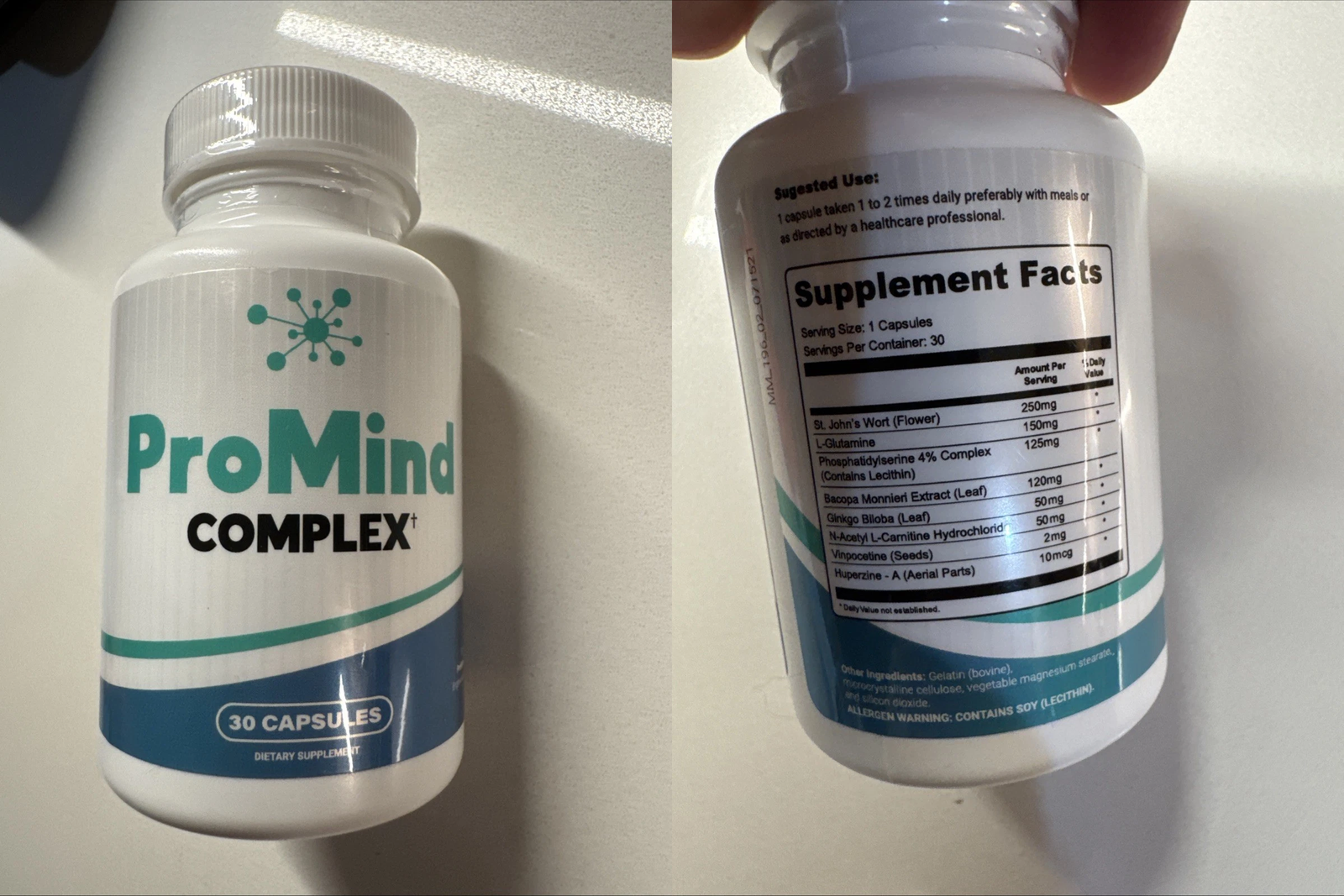
Forgetfulness, difficulty concentrating, and mental fatigue can make ordinary responsibilities feel unexpectedly demanding. These concerns explain why brain-health supplements continue to attract attention, particularly products promising nutritional support for memory, focus, and long-term cognitive wellness. However, a sophisticated ingredient list does not automatically establish that a supplement delivers meaningful improvements in everyday mental performance.
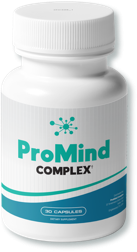
Promind Complex is marketed as a brain-support supplement containing botanical extracts, amino-acid derivatives, and compounds associated with neurological function. Its formula combines recognizable ingredients such as Bacopa Monnieri and Ginkgo Biloba with less familiar substances, including Huperzine A and Vinpocetine. I find this combination interesting, although several ingredients also raise important questions about safety and medication interactions.
This is my detailed review of what I discovered about Promind Complex, including its advertised benefits, ingredient research, available customer testimonials, complaints, possible side effects, recommended dosage, and whether its claims suggest a legitimate product or something consumers should approach cautiously. My assessment separates promotional promises from scientific evidence so readers can evaluate the formula without overlooking its limitations.
Promind Complex at a Glance: Essential Product Details
Before examining the ingredient research, I wanted to establish what customers are actually purchasing. The following overview summarizes the information supplied for the product alongside details identifiable from its promotional material.
| Product Information | Details |
|---|---|
| Product Name | Promind Complex |
| Product Category | Cognitive health and brain-support dietary supplement |
| Primary Purpose | Support memory, concentration, and general cognitive wellness |
| Product Format | Oral capsules |
| Key Ingredients | St. John’s Wort, L-Glutamine, Phosphatidylserine, Bacopa Monnieri, Ginkgo Biloba, N-Acetyl L-Carnitine, Vinpocetine, and Huperzine A |
| Suggested Dosage | One capsule daily |
| Advertised Benefits | Memory support, mental clarity, cognitive function, and brain-cell protection |
| Advertised Price | $69 per bottle on a reviewed promotional page; current checkout price requires confirmation |
| Money-Back Guarantee | Advertised 60-day refund protection |
| Overall Product Rating | 4.7/5 ⭐⭐⭐⭐⭐ (supplied editorial rating, not a verified customer average) |
| Main Considerations | Potential medication interactions, uncertain finished-formula efficacy, and ingredient-specific safety concerns |
| Official Website | ✅ Click Here |
The overview makes two points immediately apparent. Promind Complex offers a convenient daily capsule and a broad collection of cognitive-support ingredients, but the formula also warrants more careful examination than a typical nutritional supplement. In particular, the exact quantities of individual ingredients are crucial when comparing its composition with published clinical research.
What Makes Promind Complex Different From Ordinary Brain Supplements?
Promind Complex is intended for adults interested in supporting cognitive function through nutritional supplementation. Rather than relying on caffeine or conventional stimulants as its main selling point, it brings together plant extracts, phospholipids, and neurological compounds selected for their proposed relationships with memory formation, cellular communication, and cognitive performance.
One distinctive feature is the variety of mechanisms represented in the formula. Bacopa Monnieri has been investigated for memory-related outcomes, Phosphatidylserine contributes to cell-membrane structure, and Huperzine A affects an enzyme involved in acetylcholine breakdown. Ginkgo Biloba is frequently associated with circulation and cognitive health, although the clinical evidence is inconsistent.
The product is also promoted as helping protect brain cells from damage and supporting healthy inflammatory responses. I regard these claims as proposed benefits rather than established effects of the finished supplement. Evidence involving isolated ingredients, laboratory experiments, or animal models cannot automatically demonstrate that a particular combination improves human cognition.
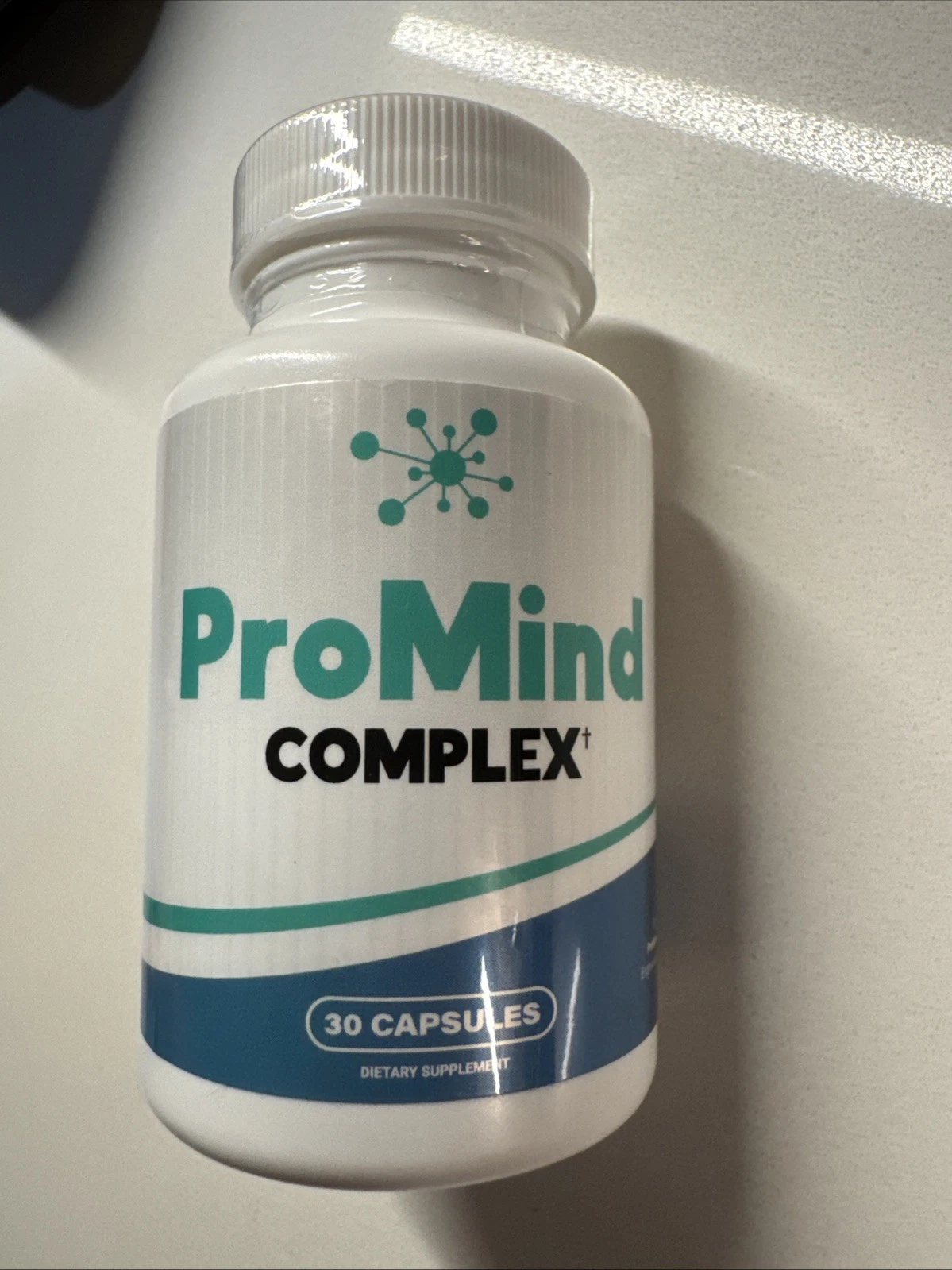
Examining the Science Behind the Cognitive Claims
One aspect of Promind Complex that deserves particular attention is the difference between ingredient-level evidence and evidence for the complete formulation. Several listed substances have appeared in cognitive-health research, but they vary considerably in the quality, consistency, and clinical relevance of their findings.
Bacopa Monnieri provides one of the more promising research foundations. A systematic review of randomized trials identified improvements in certain memory-recall outcomes after approximately 12 weeks of supplementation. Another analysis suggested potential benefits for aspects of attention and cognitive processing. These findings are encouraging but involve particular extracts and measured doses, which may differ from the amounts in Promind Complex.
Ginkgo Biloba has received extensive scientific attention, yet large studies have not established that it prevents dementia. Research involving healthy adults also remains inconclusive regarding meaningful cognitive enhancement. St. John’s Wort has stronger evidence for certain depression-related symptoms than for improving memory, making it inappropriate to treat its established research applications as proof of nootropic effectiveness.
Equally important, I could not establish independently published, placebo-controlled clinical evidence demonstrating that the finished Promind Complex formula improves memory, treats cognitive impairment, or prevents neurological disease. Until such studies are available, its advertised effects should be interpreted as possibilities rather than clinically confirmed outcomes.
How the Formula Is Intended to Support Brain Function
The proposed mechanism of Promind Complex involves several neurological pathways operating together. Some ingredients relate to neurotransmitter activity, others contribute to cellular structures, and certain botanical extracts contain compounds investigated for antioxidant or neuroprotective properties.
Huperzine A is particularly relevant because it inhibits acetylcholinesterase, the enzyme responsible for breaking down acetylcholine. Acetylcholine participates in memory and learning processes, but influencing this neurotransmitter does not guarantee better mental performance. It may also create unwanted effects or interactions with medications affecting the same system.
Meanwhile, Phosphatidylserine is a component of cell membranes, while acetyl-L-carnitine participates in cellular energy metabolism. These biological roles provide plausible reasons for scientific investigation without demonstrating that additional supplementation produces noticeable improvements in people who already obtain adequate nutrition.
From a practical standpoint, I would not expect an immediate transformation in concentration or memory. Research involving certain botanical extracts commonly evaluates repeated supplementation over several weeks, and those results cannot establish a reliable treatment timeline for this particular product.
A Closer Examination of All Eight Ingredients
The ingredient composition is central to evaluating both the appeal and the limitations of Promind Complex. Although the list includes scientifically interesting substances, the available information does not establish whether every ingredient is present at a quantity comparable to those used in clinical trials. Concentration, standardization, and purity also influence how appropriately research findings can be applied.
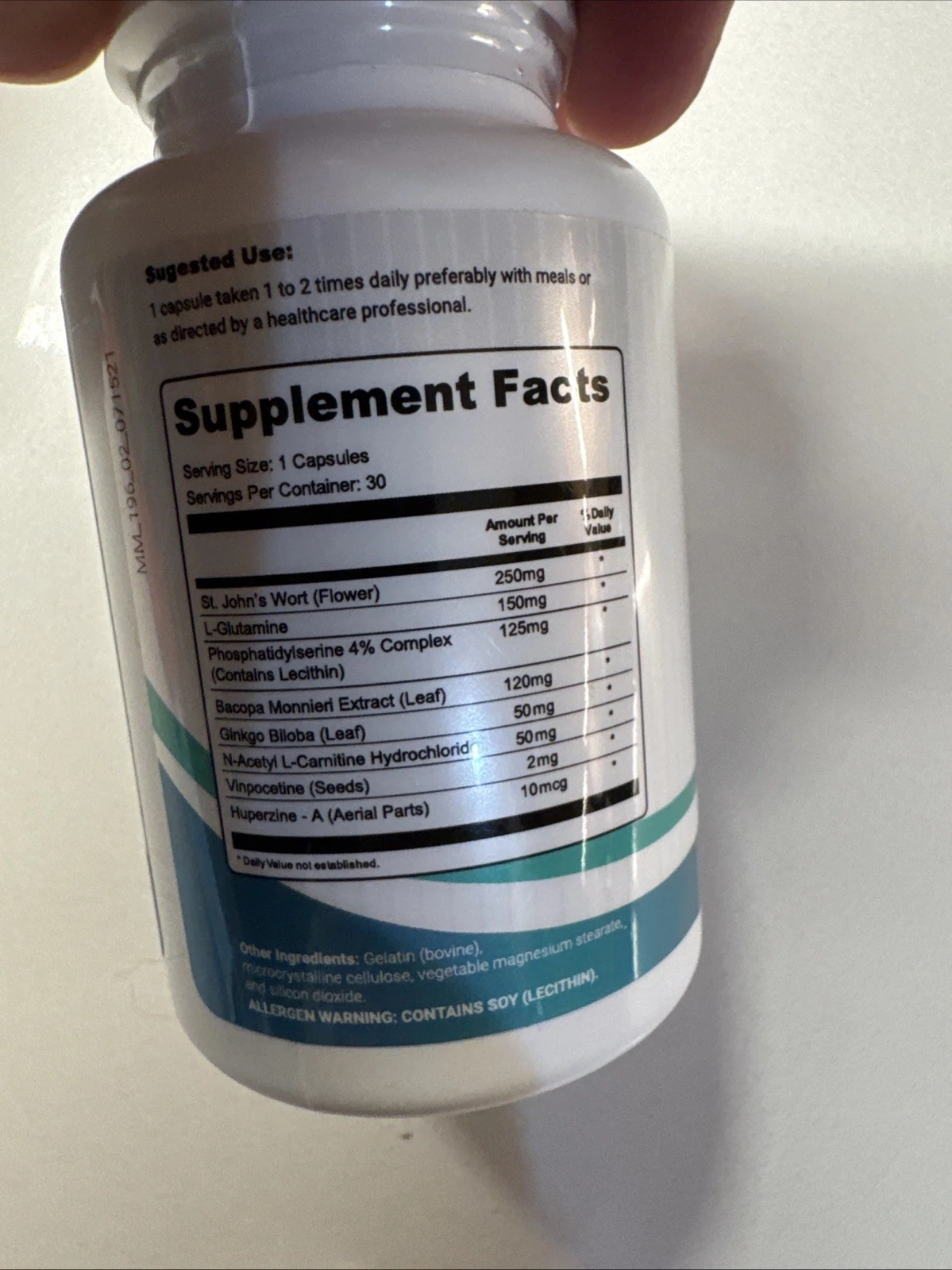
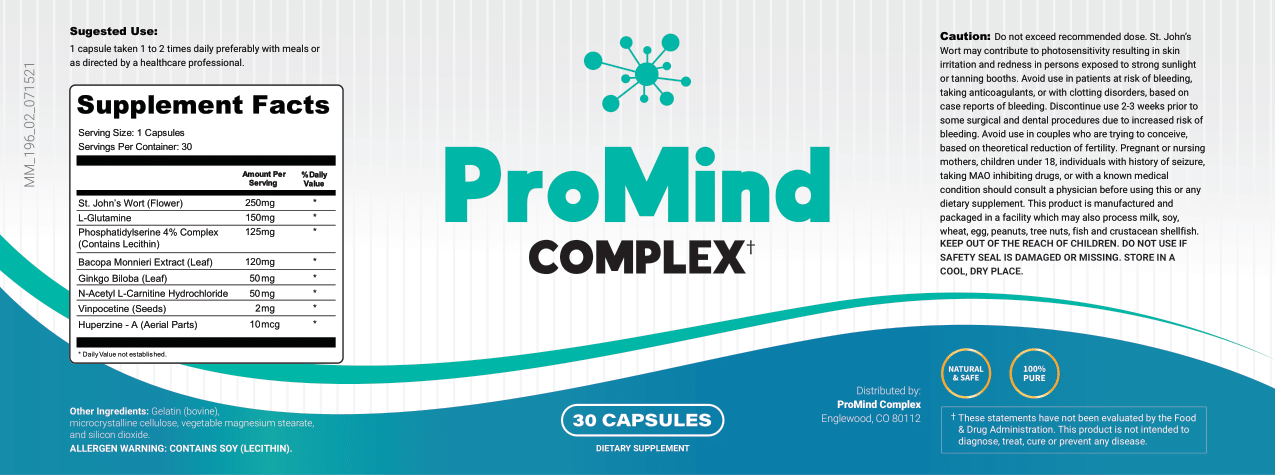
🍃 St. John’s Wort
St. John’s Wort is a botanical extract best known for research involving mild-to-moderate depressive symptoms. Certain studies suggest that standardized preparations may improve those symptoms, potentially influencing emotional well-being and aspects of daily functioning. However, evidence supporting its use specifically for memory enhancement remains insufficient.
Its inclusion introduces substantial medication-interaction concerns. St. John’s Wort can alter the metabolism of numerous prescription medicines and may reduce their effectiveness. It can also cause serious serotonin-related reactions when combined with certain antidepressants. I consider this one of the formula’s most important safety limitations.
🍃 L-Glutamine
L-Glutamine is an amino acid involved in multiple metabolic processes. Within the nervous system, glutamine contributes to pathways associated with glutamate and GABA, neurotransmitters involved in neural signaling. These functions explain its biological relevance to the brain.
Nevertheless, an essential metabolic role does not mean that taking additional glutamine improves memory in otherwise healthy adults. Evidence for direct cognitive enhancement through ordinary oral glutamine supplementation is limited, and the ingredient should not be interpreted as a proven treatment for brain fog or declining cognitive performance.
🍃 Phosphatidylserine 4% Complex
Phosphatidylserine is a phospholipid found in cellular membranes, including those surrounding neurons. It contributes to membrane structure and participates in processes associated with cellular communication. Researchers have investigated phosphatidylserine supplementation for memory and cognitive functioning, particularly among older adults.
The designation “4% complex” requires attention because it does not, by itself, establish the actual amount of phosphatidylserine delivered per capsule. Without a clearly disclosed active quantity, meaningful comparisons with clinical dosages become difficult. Some research suggests possible cognitive benefits, but findings vary by preparation and participant population.
🍃 Bacopa Monnieri Extract
Bacopa Monnieri, also called Brahmi, has a history of traditional use in Ayurvedic medicine. Its compounds, including bacosides, have attracted research interest for potential effects on learning, memory, and oxidative-stress pathways. Among the ingredients in this formulation, Bacopa has relatively relevant human research supporting certain memory-related outcomes.
However, improvements observed in trials generally involved standardized extracts taken consistently over extended periods. Different Bacopa preparations are not necessarily equivalent, and individual responses can vary. Digestive discomfort may also occur, so I would avoid assuming that a formula containing Bacopa automatically reproduces published trial results.
🍃 Ginkgo Biloba
Ginkgo Biloba is commonly marketed for cognitive wellness and circulatory support. Its leaf extracts contain flavonoids and terpenoids that have been studied for biological activities related to oxidative stress and vascular function. These properties offer a possible scientific rationale for investigating its neurological effects.
Clinical results are considerably less persuasive than promotional descriptions often suggest. Large-scale research has not shown that Ginkgo prevents dementia, while evidence for improving cognition in healthy individuals is uncertain. It can also increase bleeding concerns, particularly when combined with anticoagulant medications.
🍃 N-Acetyl L-Carnitine Hydrochloride
N-Acetyl L-Carnitine, commonly described as acetyl-L-carnitine, is related to carnitine metabolism and cellular energy production. Its ability to participate in mitochondrial processes has encouraged investigation into neurological aging, fatigue, and certain cognitive conditions.
Although some studies have explored possible benefits in selected populations, results cannot be generalized to every healthy adult seeking sharper concentration. The amount supplied, individual medical circumstances, and the specific outcome being measured all influence whether supplementation is likely to offer meaningful value.
🍃 Vinpocetine
Vinpocetine is a synthetically produced compound associated with investigations into cerebral circulation and neurological function. It has appeared in products marketed for memory and concentration, although convincing clinical evidence for the advertised benefits remains inadequate.
This ingredient creates a significant safety concern. The FDA has warned that vinpocetine consumption may cause miscarriage or harm fetal development and advises pregnant women and women who could become pregnant not to take it. Its regulatory status as a dietary-supplement ingredient has also been questioned. I would not overlook these concerns simply because the ingredient appears in a brain-health formula.
🍃 Huperzine A
Huperzine A is an alkaloid originally associated with certain clubmoss plants. It inhibits acetylcholinesterase and has been researched for potential cognitive applications. This mechanism makes it pharmacologically interesting because acetylcholine participates in memory formation and other neurological activities.
However, enzyme inhibition can produce effects beyond the intended cognitive goal. Possible concerns include nausea, dizziness, changes in heart rate, and interactions with medicines affecting cholinergic signaling. Research does not justify assuming that Huperzine A will improve normal memory performance, especially when its exact quantity within a combination supplement has not been established.
Six Potential Benefits Worth Considering
The appeal of Promind Complex lies in its attempt to address multiple aspects of cognitive wellness rather than one narrowly defined function. I can identify six plausible benefit areas from the formula, although none should be mistaken for an outcome guaranteed by the finished product.
⭐ 1. Supporting Everyday Memory Recall
Memory support is arguably the formula’s strongest research-related selling point because Bacopa Monnieri has demonstrated improvements in selected recall measurements in some clinical trials. This may interest adults concerned about ordinary forgetfulness or difficulty retaining newly learned information.
Still, these findings are extract-specific and do not establish that Promind Complex itself improves memory. Consumers should distinguish modest changes in standardized testing from dramatic improvements in everyday recall.
⭐ 2. Helping Maintain Attention During Demanding Tasks
Attention is another plausible target, particularly because research on Bacopa has examined processing speed and certain attention-related outcomes. Improved cognitive efficiency, when demonstrated, could have practical relevance for reading, studying, or managing complex responsibilities.
The evidence does not establish that this combination works like a stimulant or provides immediate concentration benefits. Expectations should remain measured, especially without clinical information about the finished formulation.
⭐ 3. Supporting Normal Neuronal Communication
Phosphatidylserine and compounds influencing acetylcholine pathways are relevant to normal neurological signaling. Their inclusion reflects an attempt to support biological processes involved in learning and memory.
However, the body carefully regulates neurotransmitter systems. Influencing one pathway is not necessarily beneficial, and excessive pharmacological activity can introduce safety concerns rather than better cognitive performance.
⭐ 4. Contributing to Cellular Energy Metabolism
Acetyl-L-carnitine and glutamine are involved in metabolic functions relevant to cellular activity. This provides a nutritional rationale for investigating their roles in maintaining normal brain function.
I would be cautious about describing this as proven relief from mental fatigue. Fatigue has numerous potential causes, including inadequate sleep, nutritional deficiencies, stress, and medical conditions that supplementation may not resolve.
⭐ 5. Providing Compounds Investigated for Antioxidant Activity
Botanical components such as Bacopa and Ginkgo contain substances investigated for antioxidant activity in experimental settings. These findings have encouraged research into their possible relationships with cellular stress.
However, laboratory antioxidant effects do not establish that consuming Promind Complex prevents brain-cell damage or reduces neurological inflammation in humans. Those claims require direct clinical evidence.
⭐ 6. Offering a Convenient Multi-Ingredient Routine
A single daily capsule may appeal to consumers who prefer a simple supplement routine instead of purchasing several separate products. Convenience is a genuine practical feature, particularly for people who struggle to maintain complicated schedules.
The disadvantage is reduced flexibility. Someone sensitive to one ingredient cannot easily remove it while retaining the others, and the combined interaction profile may be more complicated than that of a single-ingredient supplement.
My Product Rating: Evaluating Strengths Against Limitations
My assessment of Promind Complex considers its ingredient rationale, daily convenience, purchasing protection, scientific limitations, and safety concerns. The supplied overall score is 4.7 out of 5, which I retain as the requested editorial rating rather than presenting it as an independently validated performance measurement.
Overall Rating: 4.7/5 — ⭐⭐⭐⭐⭐
| Evaluation Category | Editorial Score | Assessment |
|---|---|---|
| Ingredient Variety | 4.8/5 ⭐⭐⭐⭐⭐ | Broad selection of compounds with distinct neurological research interests |
| Daily Convenience | 4.9/5 ⭐⭐⭐⭐⭐ | One-capsule routine is straightforward |
| Research Rationale | 4.6/5 ⭐⭐⭐⭐⭐ | Some components have relevant human research, especially Bacopa |
| Purchase Protection | 4.7/5 ⭐⭐⭐⭐⭐ | Advertised 60-day refund coverage offers potential purchasing reassurance |
| Formula Transparency | 4.5/5 ⭐⭐⭐⭐⭐ | Ingredient names are available, but exact active quantities need verification |
| Safety Suitability | 4.7/5 ⭐⭐⭐⭐⭐ | Supplied editorial score; substantial interaction and reproductive-safety cautions limit suitability |
While the requested 4.7/5 score communicates a favorable overall impression, I would not interpret it as evidence of exceptional clinical effectiveness or broad safety. In fact, the serious interaction concerns surrounding St. John’s Wort and the FDA warning concerning Vinpocetine are reasons for considerable caution. A high editorial score cannot eliminate these risks.
Promind Complex vs. Other Cognitive-Support Supplements
When comparing brain-health supplements, I believe ingredient quality, scientific support, and overall value deserve more attention than the number of ingredients on the label. What makes Promind Complex interesting is its combination of eight ingredients intended to support different aspects of cognitive function, including memory, concentration, and neurological health. However, a broader formula does not necessarily produce better results than a carefully formulated alternative.

| Comparison Factor | Promind Complex | Typical Cognitive Supplements |
|---|---|---|
| Formula Composition | Eight ingredients targeting multiple cognitive pathways | Single-ingredient or multi-ingredient formulas |
| Memory Support | Contains Bacopa, Ginkgo, and Huperzine A | Depends on the selected ingredients |
| Mental Clarity | Includes compounds associated with neurological signaling and cellular metabolism | Some emphasize caffeine or stimulant-based alertness |
| Scientific Evidence | Several ingredients have been individually researched | Evidence varies by product and formulation |
| Ingredient Transparency | Exact active quantities require verification | Some disclose standardized extract concentrations |
| Daily Convenience | One capsule daily | Often one to several servings daily |
| Safety Considerations | Notable medication interactions and Vinpocetine concerns | Depends on ingredient selection and dosage |
| Value for Money | Multi-ingredient formula with an advertised 60-day guarantee | Pricing, ingredient quality, and refunds vary |
My Assessment of the Comparison
What I appreciate about Promind Complex is its attempt to address cognitive wellness through multiple biological pathways rather than focusing exclusively on temporary alertness. Ingredients such as Bacopa Monnieri and Phosphatidylserine offer plausible research foundations, making the formulation worth examining. Its convenient daily dosage and advertised refund protection also strengthen its practical appeal.
Nevertheless, I would not automatically rank it above competing supplements. The absence of verified finished-product clinical trials, uncertain ingredient quantities, and significant interaction concerns remain important limitations. For consumers comparing options, I recommend prioritizing transparent labeling, appropriate dosages, safety, and credible scientific evidence over ambitious brain-enhancement promises.
The Pros and Cons I Consider Most Important
My assessment of Promind Complex reveals several appealing characteristics alongside limitations that deserve serious consideration. Although the supplied editorial rating is favorable, some drawbacks have greater practical significance than their number might suggest.
| Pros | Cons |
|---|---|
| Diverse ingredient selection: Includes botanical extracts, phospholipids, and metabolic compounds with different research applications. | No established finished-product efficacy: Ingredient studies do not prove that the entire formula improves cognition. |
| Bacopa research foundation: Human trials provide limited but relevant evidence for certain memory-related outcomes. | Significant interaction potential: St. John’s Wort may interfere with important prescription medications. |
| Convenient daily administration: One capsule per day reduces routine complexity. | Vinpocetine safety warning: Its potential reproductive risks make the formula unsuitable for pregnant women and women who could become pregnant. |
| Multiple cognitive targets: Designed around memory, concentration, cellular processes, and neurological signaling. | Uncertain active quantities: Without complete dosage transparency, meaningful clinical comparisons are difficult. |
| Advertised refund protection: A 60-day guarantee may reduce purchasing uncertainty when its conditions are satisfied. | Limited independent validation: Reliable finished-product research and independently verified customer outcomes remain difficult to establish. |
| Non-caffeine-centered positioning: Its principal advertised ingredients are not conventional caffeine stimulants. | Limited flexibility: Consumers cannot adjust individual ingredients within a fixed combination capsule. |
For me, the most meaningful strengths are the convenient format and the presence of ingredients with plausible cognitive research applications. However, medication interactions and reproductive-safety risks outweigh ordinary marketing advantages for some consumers. Those concerns should never be minimized to support a favorable rating.
How to Take Promind Complex Correctly
The supplied instructions for Promind Complex specify one capsule per day. This straightforward schedule may suit adults who prefer uncomplicated supplement routines, although the exact timing, food requirements, and additional manufacturer precautions should be checked against the current packaging.
I would strongly recommend reviewing the complete ingredient label with a healthcare professional before beginning supplementation, particularly when prescription medicines or existing health conditions are involved. Do not exceed the labeled dose, combine it with other nootropic products without checking overlapping ingredients, or discontinue prescribed treatment in favor of the supplement.
Possible Side Effects and Tolerability Concerns
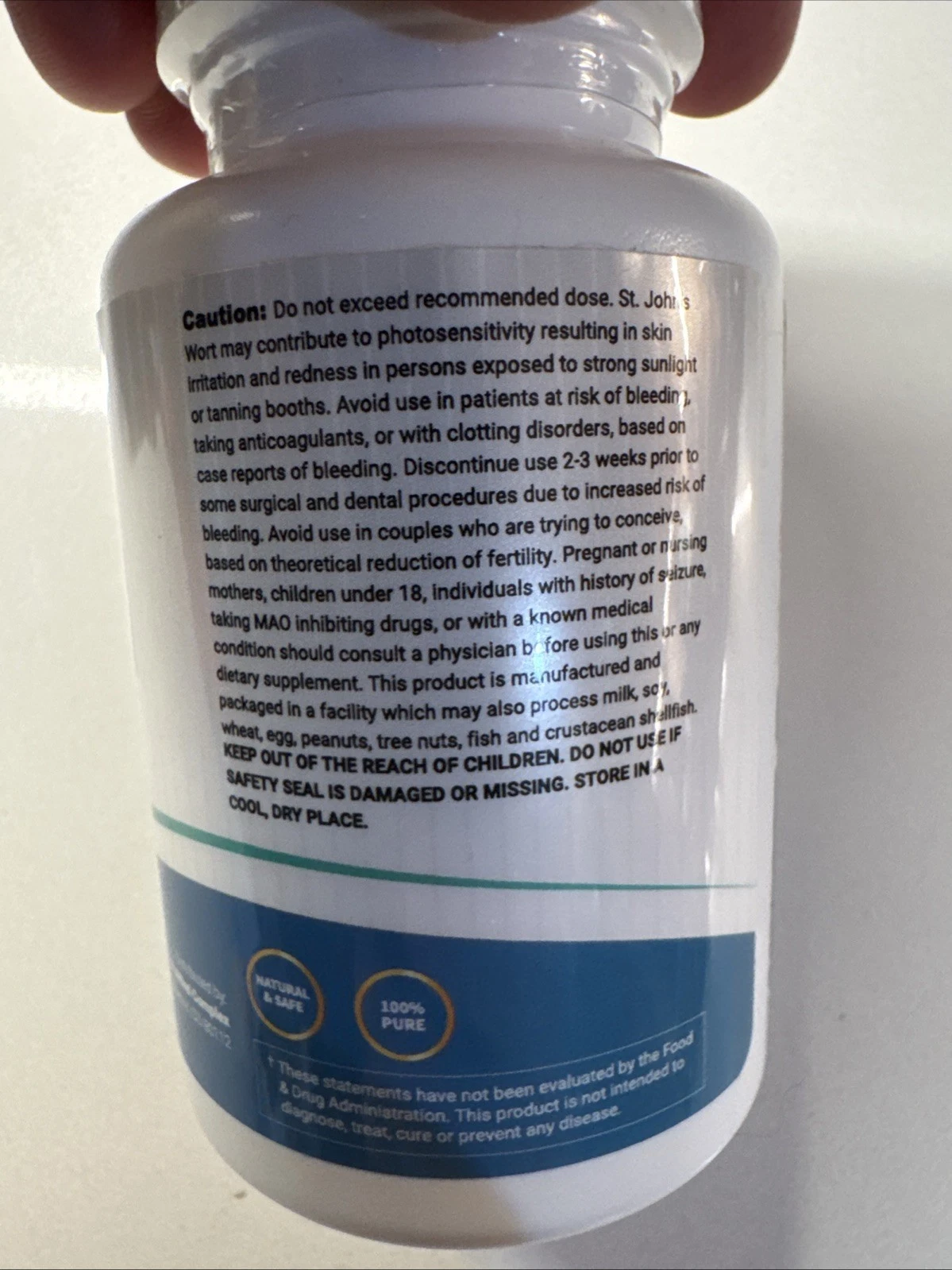
Potential adverse effects depend on individual sensitivity, ingredient quantities, and medication use. St. John’s Wort may cause dizziness, gastrointestinal discomfort, restlessness, sleeping difficulties, and increased sensitivity to sunlight. Ginkgo Biloba can contribute to headaches or digestive symptoms, while Bacopa may occasionally cause stomach discomfort.
Huperzine A can produce cholinergic effects such as nausea or dizziness, while Vinpocetine raises particular reproductive-safety concerns. Because the ingredients are combined, it may be difficult to identify which substance is responsible if an unwanted reaction develops. Severe symptoms, unusual bleeding, or signs of a serious interaction require prompt medical evaluation.
Is Promind Complex Safe for Everyday Use?
Safety is one area where I believe Promind Complex deserves especially careful scrutiny. Although several ingredients are derived from plants or naturally occurring substances, that does not automatically make them harmless.
St. John’s Wort has well-documented medication interactions, including reduced effectiveness of certain contraceptives and other prescription drugs. The FDA advises pregnant women and women who could become pregnant to avoid Vinpocetine because of potential reproductive harm. The formula should not be considered universally safe, and I would not recommend unsupervised use.
A further limitation is the absence of independently verified finished-product safety testing available for this assessment. Without complete dosage information and quality-control documentation, it is difficult to make confident conclusions about the suitability of prolonged daily use.
Medication Interactions That Require Particular Attention
Medication compatibility may be more important than advertised cognitive benefits when evaluating this formula. St. John’s Wort can influence enzymes and transport proteins responsible for processing numerous medications, potentially reducing drug concentrations or increasing certain adverse effects.
Particular caution is appropriate with antidepressants, hormonal contraceptives, anticoagulants, seizure medications, immunosuppressants, and selected heart or HIV medicines. Ginkgo may contribute to bleeding concerns when combined with anticoagulants, while Huperzine A may interact with medicines affecting acetylcholine activity.
Anyone taking prescription medication should obtain professional advice before using this supplement. A pharmacist can often help identify clinically significant interactions using the complete ingredient and medication lists.
Who Might Consider Promind Complex, and Who Should Avoid It?
Whether a cognitive supplement is appropriate depends on medical history, medication exposure, and the specific problem someone hopes to address. I would separate potential users from individuals requiring stronger precautions.
Potentially suitable consumers:
- Adults exploring cognitive wellness: People interested in understanding botanical and nutritional approaches to memory support may find the formulation worth discussing with a clinician, provided they have no relevant contraindications.
- Consumers comfortable with evidence limitations: Individuals who understand that supplement ingredients are not equivalent to clinically proven cognitive treatments may be better positioned to assess their purchasing decisions realistically.
- Those preferring uncomplicated routines: The once-daily format may appeal to consumers who value convenience, assuming professional screening establishes that the ingredients are appropriate.
People who should avoid it or seek medical guidance:
- Pregnant women and women who could become pregnant: Vinpocetine presents reproductive-safety concerns identified by the FDA.
- People using prescription medications: St. John’s Wort and other components can create meaningful interaction risks.
- Individuals with bleeding disorders or upcoming surgery: Ginkgo-related bleeding concerns require professional assessment.
- People managing neurological or psychiatric conditions: A combination influencing neurotransmitter pathways should not replace established medical treatment.
- Children and breastfeeding individuals: Adequate safety evidence for this complete formulation has not been established.
What I Didn’t Like About the Formula
Several limitations prevent me from interpreting the product’s broad ingredient selection as proof of superior cognitive support. These weaknesses concern scientific certainty, safety, and the information consumers need before purchasing.
- Insufficient finished-formula research: I could not verify clinical trials demonstrating that Promind Complex itself improves memory or protects brain cells. Research involving individual components provides useful context but cannot establish the results of the complete combination.
- Questions about precise ingredient quantities: An ingredient list without independently verified active quantities makes it difficult to determine whether the formula resembles preparations used in clinical studies.
- Meaningful safety complications: Including St. John’s Wort and Vinpocetine substantially narrows the population for whom the product may be appropriate, particularly among medication users and people who could become pregnant.
- Promotional claims stronger than the available evidence: Statements implying substantial improvements in memory or neurological protection should be supported by finished-product trials before being accepted as reliable expectations.
Is Promind Complex Legit or a Scam?
From the available information, Promind Complex is promoted as an identifiable dietary supplement with a published ingredient concept, advertised purchasing options, and refund claims. These characteristics are relevant when evaluating commercial credibility, but they do not independently establish manufacturing quality, ingredient authenticity, or clinical effectiveness. I found insufficient evidence to label the product fraudulent, and equally insufficient evidence to endorse every promotional promise as scientifically proven.
My assessment is that it should be approached as a supplement with a plausible research rationale but unresolved verification questions. Before buying, consumers should examine the current Supplement Facts label, manufacturer contact details, checkout terms, and applicable refund policy. A legitimate sales process is not the same as proven health benefits, and consumers should assess both separately.
Customer Reviews, Testimonials, and Common Concerns
The promotional material for Promind Complex refers to favorable customer experiences and suggests that some purchasers have used the supplement over extended periods. However, promotional testimonials are not equivalent to independently verified clinical outcomes, and I could not establish a reliable, representative distribution of genuine customer satisfaction ratings.
I therefore would not assign fabricated customer-review percentages or repeat unverified success stories as established facts. Consumers researching complaints should pay particular attention to purchasing conditions, refund procedures, ingredient disclosure, and whether reported improvements can reasonably be attributed to the supplement. Independent reviews are most useful when they describe verifiable purchases and clearly separate subjective experiences from medical claims.
Alternative Brain-Support Supplements Worth Comparing
Consumers considering Promind Complex may also wish to examine established alternatives commonly researched in the cognitive-supplement category. The following products provide different formulation approaches, although their current Amazon inventory and pricing should be checked before purchasing.
Jarrow Formulas Neuro Optimizer: This multi-nutrient formula emphasizes ingredients associated with neuronal metabolism and cellular support. It provides an alternative for consumers seeking a different combination of brain-health ingredients, although its safety, dosages, and scientific relevance still require individual assessment.
Jarrow Formulas PS-100: This product takes a more focused approach using Phosphatidylserine. A single-ingredient formulation can make dosage evaluation easier, but it should not automatically be considered clinically effective or appropriate for everyone.
Jarrow Formulas MagMind: Built around magnesium L-threonate, this alternative targets a different nutritional pathway from Promind Complex. Its ingredient strategy may interest consumers seeking a simpler comparison, although evidence for meaningful cognitive improvements remains limited.
I would compare these products using transparent labeling, relevant clinical doses, third-party quality information, total cost, and medication compatibility. None should be treated as an established substitute for professional evaluation of persistent memory problems.
Understanding the 60-Day Money-Back Guarantee
The advertised refund policy is one of the purchasing features I appreciate about Promind Complex. The product’s promotional material describes a 60-day, 100% money-back guarantee, including language suggesting that empty bottles may be eligible for refunds. This potentially gives buyers an opportunity to evaluate their purchase without accepting the entire financial risk.
However, shoppers should confirm the current policy before ordering. The promotional page does not, by itself, establish every administrative condition, deadline calculation, shipping expense, or refund procedure. The official offer should be distinguished from purchases through unauthorized resellers because third-party sellers may apply different return policies.
I recommend saving the order confirmation, recording the purchase date, and checking the applicable refund contact information. These basic precautions can make a significant difference if a customer later decides that the product is unsuitable.
Frequently Asked Questions About Promind Complex
Q: What is Promind Complex mainly designed to do?
A: Promind Complex is marketed as a cognitive-support dietary supplement intended to support memory, concentration, and general brain wellness. Its ingredients participate in different biological pathways, but the finished formulation has not been established through independent clinical trials as an effective treatment for memory impairment.
Q: How many capsules should I take daily?
A: The supplied directions specify one capsule daily. Before starting, consumers should confirm the current packaging instructions and obtain professional guidance concerning medication interactions. Taking more than the recommended quantity does not necessarily increase benefits and could increase adverse effects.
Q: Does Promind Complex help with memory loss?
A: Certain ingredients, particularly Bacopa Monnieri, have shown potential benefits in selected memory-related research. However, these studies do not demonstrate that Promind Complex reverses memory loss or treats neurological disease. Persistent or worsening memory difficulties deserve medical evaluation rather than self-treatment.
Q: How quickly should results appear?
A: No reliable clinical timeline has been established for the finished product. Some Bacopa trials evaluated participants over approximately 12 weeks, but that does not prove that Promind Complex produces similar outcomes within the same period. Responses may vary, and some users may experience no noticeable improvement.
Q: Can I take Promind Complex alongside prescription medications?
A: Medication compatibility should be assessed before use because St. John’s Wort can interfere with numerous prescription drugs, while Ginkgo and Huperzine A introduce additional concerns. Patients should provide their pharmacist or healthcare professional with the complete ingredient label rather than assuming that a natural supplement is harmless.
Q: Is Promind Complex FDA-approved?
A: Dietary supplements generally are not approved by the FDA for effectiveness before marketing in the same manner as prescription drugs. Consumers should not interpret the presence of familiar ingredients or promotional quality statements as evidence of FDA approval. Vinpocetine also carries specific FDA safety and regulatory concerns.
Q: Does the product have a refund policy?
A: Promind Complex is advertised with a 60-day money-back guarantee. The promotional material also describes empty-bottle coverage, although buyers should verify the applicable terms, order eligibility, and refund procedures at checkout. Purchases made through unofficial sellers may not receive the same protection.
Q: Is Promind Complex worth purchasing?
A: Its value depends on individual expectations, safety suitability, ingredient transparency, and current pricing. Although some listed ingredients have plausible research applications, I would not purchase it solely because of ambitious memory-enhancement claims. Professional medication screening and verification of the complete label should come before any decision to order.
My Final Verdict: Is Promind Complex Worth Considering?
After examining the available information, I see Promind Complex as a cognitive-health supplement with an ambitious formulation and several ingredients that have attracted legitimate scientific investigation. Bacopa Monnieri provides a particularly relevant research foundation, while Phosphatidylserine and acetyl-L-carnitine contribute additional biological interest. The one-capsule routine and advertised refund policy are practical advantages, but neither demonstrates clinical effectiveness.
My most substantial reservations concern the absence of verified finished-product trials, uncertainty about individual ingredient quantities, and important safety considerations. St. John’s Wort has clinically significant medication interactions, and Vinpocetine carries a warning concerning reproductive harm. These limitations deserve greater attention than promotional descriptions of memory improvement, regardless of the supplied 4.7/5 editorial rating.
For readers interested in exploring the formulation further, I recommend discussing the ingredients with a healthcare professional and checking the current label and purchasing conditions before making a decision. You can visit the official Promind Complex purchasing page to review the available offer, but I would prioritize safety, realistic expectations, and verified product information over promises of dramatic cognitive improvement.
Disclaimer
This article is intended for informational purposes and does not constitute medical advice, diagnosis, or treatment. Dietary supplements are not substitutes for prescribed medications or professional healthcare. Consult a qualified healthcare professional before using brain-health supplements, especially if you take medication, have an underlying condition, or could become pregnant.
Affiliate Disclosure: This article contains affiliate links. I may earn a commission from qualifying purchases at no additional cost to you.
References
- National Center for Complementary and Integrative Health (NCCIH). St. John’s Wort: Usefulness and Safety. Explains the research on St. John’s Wort, its limitations for non-depression applications, and potentially serious medication interactions.https://www.nccih.nih.gov/health/st-johns-wort
- U.S. Food and Drug Administration (FDA). Vinpocetine in Dietary Supplements. Describes the agency’s concerns about Vinpocetine, including the potential for adverse reproductive effects and questions regarding its dietary-supplement status.https://www.fda.gov/food/information-select-dietary-supplement-ingredients-and-other-substances/vinpocetine-dietary-supplements
- Pase, M. P., et al. The Cognitive-Enhancing Effects of Bacopa Monnieri: A Systematic Review of Randomized, Controlled Human Clinical Trials. Reviews evidence suggesting possible improvements in certain memory-recall outcomes following standardized Bacopa supplementation.https://pubmed.ncbi.nlm.nih.gov/22747190/
- National Center for Complementary and Integrative Health (NCCIH). Ginkgo: Usefulness and Safety. Examines the inconsistent clinical evidence for Ginkgo Biloba, including dementia-prevention findings and medication-related bleeding concerns.https://www.nccih.nih.gov/health/ginkgo
- National Center for Complementary and Integrative Health (NCCIH). Herb-Drug Interactions: What the Science Says. Summarizes clinically important interactions involving botanical supplements, particularly St. John’s Wort and Ginkgo Biloba.https://www.nccih.nih.gov/health/providers/digest/herb-drug-interactions-science