

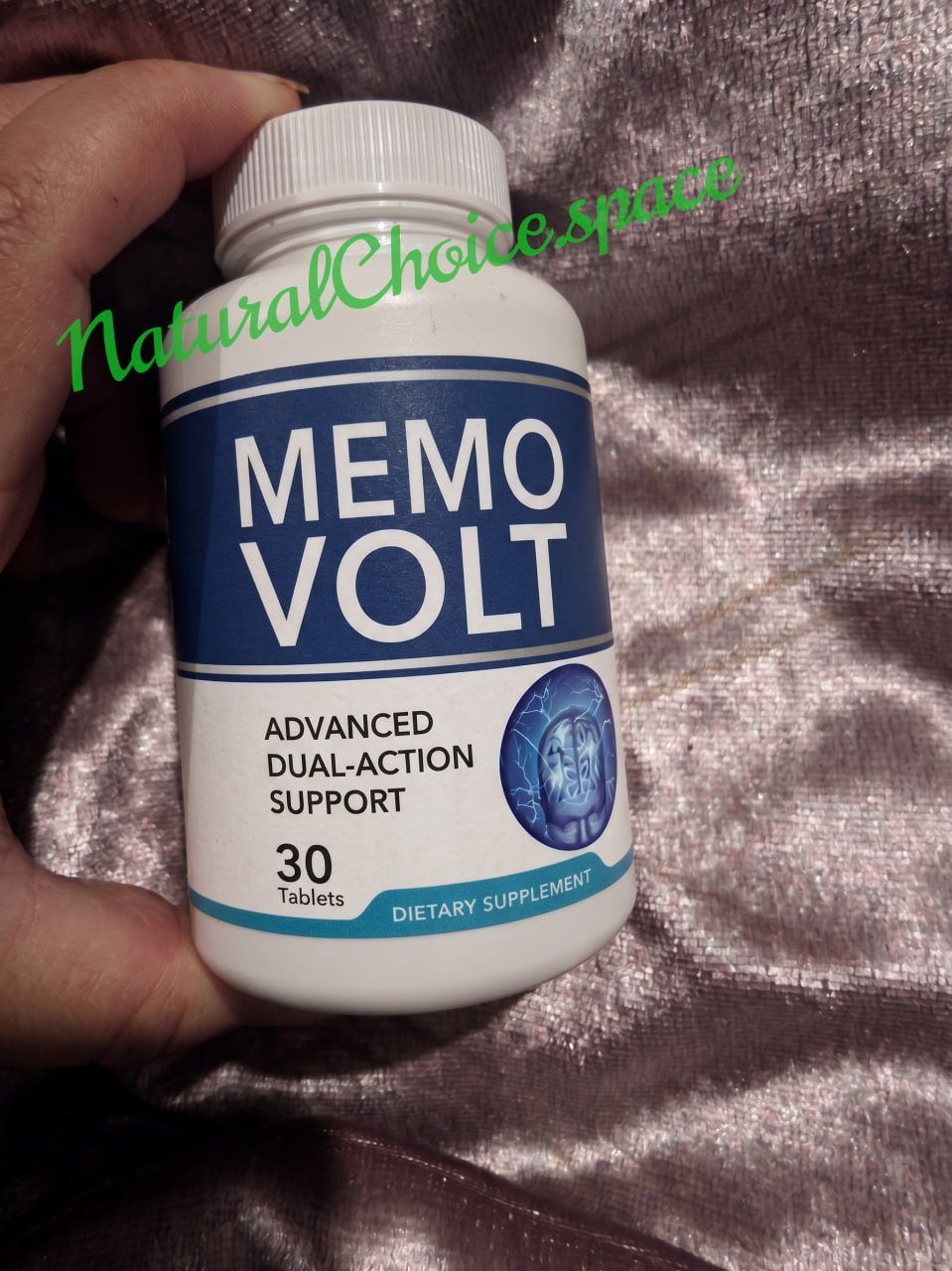
MemoVolt has entered the cognitive-support market with a more unusual angle than the typical memory supplement. Rather than relying only on familiar nootropic ingredients, the formula is marketed around two connected ideas: protecting neurons from processes associated with oxidative stress and inflammation while supporting healthier metabolic activity that may influence how efficiently brain cells obtain and use energy. The product combines ten botanical and naturally derived ingredients into a simple once-daily formula.
In this detailed MemoVolt review, the formula, potential benefits, possible side effects, ingredient research, customer feedback, safety considerations, and real-world usefulness will be examined carefully. The goal is to determine whether MemoVolt represents a practical option for adults interested in supporting memory, mental clarity, recall, focus, and long-term cognitive wellness without relying on stimulant-heavy brain products. The science behind the product also deserves a closer look because some of MemoVolt’s marketing claims are considerably stronger than the clinical evidence currently available.
What Is MemoVolt?
MemoVolt is a dietary supplement designed to support memory, concentration, mental clarity, neural health, and metabolic processes that may indirectly influence cognitive performance. According to the official product materials, the formula contains ten ingredients divided conceptually between compounds intended to support the brain directly and ingredients associated with metabolic or antioxidant health.
The product is particularly marketed around what its manufacturer calls Neuron Starvation, a term used to describe the idea that poor cellular energy handling, inflammation, oxidative damage, and environmental stressors may interfere with healthy neuronal function. MemoVolt also connects its formulation to emerging research examining microplastics and their possible effects on the nervous system.
That connection needs proper context. Scientific research has indeed raised concerns about micro- and nanoplastics reaching nervous tissue and contributing to processes such as oxidative stress, mitochondrial dysfunction, and neuroinflammation. However, the current research does not establish that MemoVolt removes microplastics from the human brain or reverses cognitive decline caused by microplastic exposure. A 2025 systematic review concluded that microplastics may produce neurological effects through mechanisms including oxidative stress and energy disruption, while also stressing that long-term human outcomes remain insufficiently understood.
This distinction matters because MemoVolt is a dietary supplement rather than a medication. Its strongest practical case comes from the individual ingredients and the biological pathways they may support, including antioxidant defenses, glucose metabolism, inflammatory balance, and general neural resilience.
The official product page describes MemoVolt as stimulant-free, non-GMO, naturally formulated, and designed to be taken once daily with food. It also states that more than 71,000 brain-health-conscious customers have chosen the product, although that customer figure should not be confused with independently verified clinical evidence or a verified review count.
The Science Supporting MemoVolt
There is an important distinction between research supporting MemoVolt itself and research supporting ingredients found inside MemoVolt.
At the time of this review, there does not appear to be a published randomized controlled clinical trial testing the finished MemoVolt formula against placebo. Therefore, claims about the entire product should not be treated as clinically proven outcomes.
There is, however, meaningful research surrounding several individual ingredients.
Saffron has attracted considerable attention for neurological and psychological applications. A randomized, double-blind, placebo-controlled human study involving patients undergoing coronary artery bypass surgery examined saffron supplementation and measures related to cognition, anxiety, and depression. While that population cannot automatically be generalized to healthy adults using MemoVolt, it adds human evidence to saffron’s broader neurological research base.
View the saffron clinical study on PubMed
Berberine has considerably stronger evidence for metabolic effects. A systematic review and meta-analysis of 20 randomized trials involving 1,761 participants found improvements in measurements such as fasting glucose, fasting insulin, HbA1c, and insulin resistance. These findings are relevant because metabolic health and cognitive health are increasingly studied together, although improving glucose metabolism does not automatically mean a supplement will improve memory.
View the berberine meta-analysis on PubMed
Fucoidan has demonstrated antioxidant, anti-inflammatory, and neuroprotective activity in experimental research. A review published in the scientific literature examined its potential role in brain injury and neurodegenerative conditions. Much of this evidence remains preclinical, so fucoidan should be viewed as a promising research ingredient rather than an established treatment for memory disorders.
View the fucoidan review on PubMed
Oleuropein, one of the best-known compounds associated with olives and olive leaves, has also been investigated for antioxidant and neuroprotective actions. Researchers have explored possible effects involving inflammatory signaling, oxidative stress, neural plasticity, and abnormal protein aggregation, although much of the strongest mechanistic evidence remains laboratory or animal based.
What this evidence suggests is that MemoVolt is built around several biologically interesting ingredients. What it does not establish is that the complete formula has been clinically proven to restore memory, remove microplastics, prevent dementia, or reverse established neurological disease.
How Does MemoVolt Work?
MemoVolt appears to work through several overlapping mechanisms rather than depending on a single stimulant or neurotransmitter-targeting compound.
The first approach involves cellular protection. Ingredients such as saffron, fucoidan, fucoxanthin, oleuropein, and red-orange polyphenols contain compounds studied for antioxidant or inflammatory-response activity. Oxidative stress occurs when reactive molecules exceed the body’s ability to neutralize them. Neurons are particularly sensitive to prolonged oxidative stress because brain tissue requires substantial energy and contains lipids that can be vulnerable to oxidation.
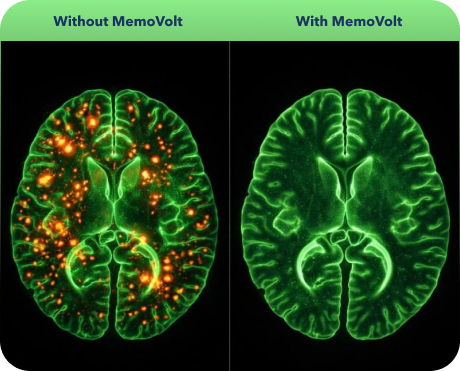
The second approach involves metabolic support. Berberine, Ceylon cinnamon, corosolic acid, and kudzu-derived compounds have been investigated for effects involving glucose metabolism, insulin signaling, or related metabolic pathways. The brain uses substantial amounts of glucose, and maintaining healthy metabolic function is important for overall neurological health.
MemoVolt’s manufacturer connects these pathways to neuronal energy availability. That theory is biologically plausible at a general level, but the term Neuron Starvation is primarily a marketing concept rather than a recognized medical diagnosis.
The third part of the formula focuses on long-term neural resilience. Rather than producing an immediate caffeine-like feeling, MemoVolt is intended for consistent use. Anyone expecting a dramatic burst of concentration an hour after taking the first capsule may therefore misunderstand how the formula is positioned.
Ingredients in MemoVolt
Ingredient safety deserves serious attention before evaluating potential benefits. Natural does not automatically mean risk-free, especially when botanical compounds influence blood glucose, blood pressure, blood clotting, medication metabolism, or gastrointestinal function. MemoVolt includes several pharmacologically active plant compounds, particularly berberine, saffron, cinnamon, and olive-derived polyphenols.
The formula may therefore be reasonable for many healthy adults, but people using prescription medication, managing diabetes, preparing for surgery, or dealing with chronic medical conditions should discuss it with a qualified healthcare professional before starting it. Another important consideration is that the official presentation emphasizes the ingredient blend without clearly presenting individual clinical-strength dosages for every active ingredient. That makes it difficult to determine whether each component reaches the quantities used in published research.
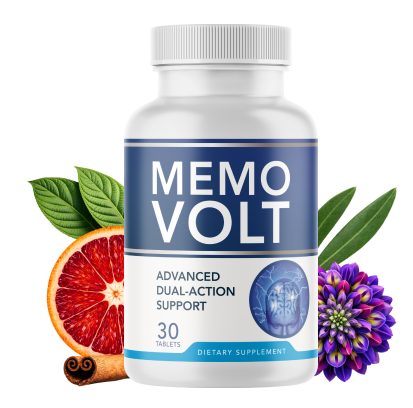
🍃 Saffron Extract (Crocus sativus L)
Saffron is considerably more interesting from a cognitive perspective than its reputation as an expensive culinary spice might suggest. Its primary bioactive compounds include crocin, crocetin, and safranal, which have been investigated for antioxidant, neurological, and mood-related activity.
Researchers have studied saffron in relation to cognitive function, mood balance, inflammatory processes, and oxidative stress. Some human trials have produced encouraging findings, although dosages, extracts, participant populations, and study designs vary substantially.
Its position in MemoVolt makes sense because mental clarity is rarely influenced by only one biological process. Stress, sleep quality, mood, inflammatory burden, and neurological signaling can all influence the subjective feeling of mental sharpness.
Saffron should nevertheless be treated as an active botanical. Larger quantities may cause gastrointestinal discomfort, dizziness, headache, or other unwanted effects in susceptible individuals, and pregnancy is an important reason to seek professional advice before using concentrated saffron supplements.
🍃 Fucoxanthin (Japanese Sea Kelp)
Fucoxanthin is a carotenoid naturally present in brown seaweeds. It has generated considerable research interest because of its antioxidant, anti-inflammatory, and metabolic properties.
In MemoVolt, fucoxanthin serves as a bridge between neurological and metabolic support. Experimental research has explored its influence on oxidative stress, inflammatory pathways, lipid metabolism, mitochondrial function, and metabolic health.
These mechanisms are relevant to brain wellness because neurons are highly dependent on efficient energy production. Mitochondrial dysfunction and chronic inflammatory signaling are widely investigated in neurological research.
However, strong human evidence showing that supplemental fucoxanthin directly improves memory or removes microplastics from brain tissue remains limited. Its inclusion should therefore be viewed as supportive and mechanistically interesting rather than independently proven to produce major cognitive changes.
🍃 Fucoidan (Japanese Sea Kelp)
Fucoidan is a sulfated polysaccharide found primarily in brown seaweed. Its research profile includes antioxidant, immune-modulating, inflammatory-response, cardiovascular, and neurological areas.
For brain health specifically, research has investigated whether fucoidan can help protect cells against oxidative injury and excessive inflammatory signaling. Experimental evidence has also examined potential effects on neural survival and pathways involved in neurodegenerative processes.
The limitation is important: much of the neurological evidence comes from laboratory and animal research rather than large human cognitive trials.
That makes fucoidan one of MemoVolt’s more forward-looking ingredients. It has credible biological mechanisms, but consumers should not confuse promising neuroprotective research with proof that it rebuilds damaged human neurons.
🍃 Oleuropein (Olive Leaf Extract)
Oleuropein is a polyphenolic compound associated with olives and olive leaves. It is one reason researchers remain interested in the relationship between Mediterranean dietary patterns and healthy aging.
Oleuropein has shown antioxidant and anti-inflammatory properties and has been studied for potential effects involving neuronal protection, cardiovascular health, metabolic function, and abnormal protein aggregation.
Research has also explored possible interactions with pathways involving brain-derived neurotrophic factor, oxidative damage, and inflammatory signaling. These areas make oleuropein especially relevant to a formula designed around long-term brain resilience.
The ingredient remains more convincing as a supportive neuroprotective compound than as a stand-alone memory enhancer. Human evidence specifically showing dramatic improvements in everyday recall remains limited.
🍃 Berberine HCl
Berberine may be the most metabolically significant ingredient in MemoVolt.
It is a plant-derived alkaloid extensively studied for its effects on glucose metabolism, insulin sensitivity, lipids, inflammatory markers, and AMPK-related signaling. Human meta-analyses have reported improvements in several glycemic measurements, giving berberine a stronger clinical research foundation than many ingredients commonly found in supplements.
Its relevance to MemoVolt comes from the relationship between metabolic function and brain health. Healthy neurons require reliable energy metabolism, while long-term insulin resistance and poor metabolic health have been studied as potential contributors to cognitive decline.
Berberine also deserves the most caution. It may interact with diabetes medication and other drugs and can cause diarrhea, constipation, abdominal discomfort, or nausea. Anyone already taking medication to lower blood sugar should be especially cautious about combining it with a berberine-containing supplement without medical guidance.
🍃 Ceylon Cinnamon Bark (Cinnamomum verum)
Ceylon cinnamon is often preferred over cassia cinnamon because it typically contains substantially less coumarin, a compound that can become problematic in excessive quantities.
Cinnamon has been studied for antioxidant activity and possible effects on glucose metabolism and insulin signaling. Those properties explain its placement alongside berberine in MemoVolt’s metabolic-support portion.
Its role is more supportive than dramatic. Cinnamon is unlikely to create an obvious cognitive effect on its own, but it fits the broader idea of helping maintain metabolic conditions that support healthy energy handling.
Consumers should still remember that concentrated cinnamon extract is different from sprinkling a small amount of cinnamon on food. People using medication that affects blood glucose should consider the combined effects of multiple metabolically active ingredients in the formula.
🍃 Corosolic Acid (Banaba Leaf)
Corosolic acid is a triterpenoid found in banaba leaves and has been investigated primarily for glucose-related metabolic effects.
Research has explored its potential influence on glucose uptake and insulin-related pathways. This makes it relevant to MemoVolt’s attempt to support cellular energy use rather than focusing exclusively on neurotransmitters.
For a cognitive supplement, this is a less conventional approach. It recognizes that brain performance depends on metabolic health as well as neural signaling.
The main practical concern is again cumulative blood-glucose effects. MemoVolt combines several ingredients associated with glucose regulation, meaning people using insulin or glucose-lowering medications should not treat the formula casually.
🍃 Kudzu Flower Extract
Kudzu has a long history of use in traditional East Asian practices and contains several isoflavones and plant compounds that continue to attract scientific interest.
In MemoVolt, kudzu flower extract appears primarily as a metabolic and antioxidant supporting ingredient. Certain kudzu-derived compounds have been studied for effects involving glucose metabolism, oxidative stress, circulation, and inflammatory pathways.
Human cognitive evidence remains much less developed than the marketing language surrounding the ingredient might suggest. Its presence adds botanical diversity, but it should be seen as part of the overall formula rather than a clinically established memory treatment.
🍃 Morosil (Sicilian Red Orange Extract)
Morosil is a branded extract derived from Moro blood oranges grown in Sicily. Blood oranges contain anthocyanins, flavonoids, vitamin-related compounds, and other plant polyphenols.
Most published interest in Morosil has centered on metabolic health and body-composition-related outcomes rather than direct memory enhancement. From MemoVolt’s perspective, the ingredient appears to support antioxidant and metabolic aspects of the formula.
Its rich polyphenol content may contribute to protection against oxidative stress, but there is currently little reason to expect Morosil alone to transform memory.
Its value lies more in reinforcing the formula’s multi-pathway strategy.
🍃 Xylitol
Xylitol is a sugar alcohol naturally present in small quantities in certain fruits and vegetables and widely used as a lower-glycemic sweetener.
Its presence in MemoVolt is unusual compared with traditional nootropic formulas. The manufacturer positions it as part of the formula’s metabolic strategy because xylitol has a lower immediate impact on blood glucose than ordinary sugar.
That does not mean xylitol should be considered a specialized brain fuel or cognitive enhancer. Its role is primarily complementary.
Xylitol can also cause bloating, gas, or diarrhea when consumed in substantial quantities, although the amount contained in a single MemoVolt serving may be considerably lower than the quantities typically associated with those effects.
Potential Benefits of MemoVolt
MemoVolt’s potential benefits are best understood as areas of support rather than guaranteed outcomes. Cognitive performance is influenced by sleep, exercise, medication, age, metabolic health, stress, nutrition, and underlying medical conditions, meaning no dietary supplement can reasonably produce identical results for everyone.
The formula becomes more interesting when its ten ingredients are considered together. Rather than targeting only temporary alertness, MemoVolt attempts to support several biological processes associated with healthy cognitive aging.
★ May Support Clearer Everyday Thinking
Mental fog is one of the most common reasons people become interested in cognitive supplements. It can show up as difficulty organizing thoughts, losing track of conversations, rereading the same paragraph repeatedly, or feeling mentally slower during routine tasks.
MemoVolt addresses this area without relying on caffeine. Saffron, olive-derived polyphenols, marine compounds, and metabolic ingredients may collectively support conditions associated with healthier neural function. The effect, if noticeable, would more realistically appear as gradual improvement in day-to-day mental steadiness rather than an immediate stimulant rush.
Brand-published customer comments commonly emphasize feeling less mentally foggy and being able to stay engaged with reading or conversations more comfortably. Those reports are anecdotal and cannot establish cause and effect, but they reflect the type of improvement users appear to be seeking from MemoVolt.
People who respond well may notice that ordinary mental activities require less effort. That could mean following a discussion without repeatedly losing the thread, sitting through longer reading sessions, or approaching routine work with a steadier sense of concentration.
★ May Help Support Memory and Recall
Memory involves several separate processes, including attention, encoding, storage, and retrieval. A supplement cannot compensate for every cause of forgetfulness, but ingredients that support oxidative balance, neural signaling, mood, and metabolic function could theoretically help create conditions that favor healthier cognitive performance.
Saffron and olive-derived compounds are particularly relevant here because both have been investigated in neurological research. Oleuropein-related research has explored oxidative stress, neuroinflammation, and neural plasticity, while saffron has been examined in human cognition-related trials.
Some MemoVolt customers featured by the manufacturer describe noticing better word recall or feeling more capable of keeping up with conversations. These experiences do not mean the supplement treats memory disease, yet they illustrate the subtle type of day-to-day change that may matter to users.
For healthy adults, the most reasonable expectation is support for normal memory function, particularly when supplementation is combined with sufficient sleep, physical activity, stress management, and a nutrient-dense diet.
★ May Promote More Consistent Focus
Focus problems are often approached with stimulants, but the resulting boost can come with jitteriness, sleep disruption, rapid tolerance, or an afternoon crash.
MemoVolt takes a different route. It is marketed as stimulant-free, so the goal is not to force alertness through caffeine. Instead, the formula combines compounds associated with neural protection and healthier metabolic activity.
That could appeal to older adults or caffeine-sensitive users who want to support concentration without increasing stimulant intake.
Customers who report favorable experiences tend to describe better engagement rather than intense stimulation. Being able to remain present during a conversation, finish reading without constantly losing position, or maintain attention during normal daily tasks represents a more realistic outcome than expecting prescription-like cognitive stimulation.
★ May Support Healthy Brain Energy Metabolism
One of MemoVolt’s strongest conceptual features is its emphasis on metabolic health.
Berberine has demonstrated meaningful effects on glucose metabolism in randomized human research, while cinnamon and corosolic acid are also studied for glucose-related mechanisms.
The brain has substantial energy demands. Supporting overall metabolic health may therefore be relevant to long-term neurological wellness, although it would be inaccurate to claim that taking MemoVolt automatically increases glucose delivery to neurons or reverses brain insulin resistance.
People with poor diet quality, sedentary lifestyles, or existing metabolic problems should also remember that supplements cannot substitute for the fundamentals. MemoVolt makes more sense as an additional layer of support alongside balanced meals, regular exercise, healthy body weight, and medically appropriate management of blood glucose.
★ May Provide Antioxidant and Neuroprotective Support
Several ingredients in MemoVolt have antioxidant or inflammatory-response properties.
Fucoidan has demonstrated neuroprotective effects in experimental research, oleuropein has been widely investigated for its relationship with oxidative stress and inflammation, and saffron contains compounds such as crocin that have attracted neurological interest.
This matters because oxidative stress is one of many biological processes involved in cellular aging. Supporting the body’s antioxidant defenses does not make neurons immune to aging, but a diet and lifestyle rich in plant-derived polyphenols may support broader cellular health.
People are unlikely to physically feel antioxidant activity. The value of this benefit is therefore long-term and preventive in nature rather than something that can be judged after taking one capsule.
★ May Support Long-Term Cognitive Resilience
Perhaps the most realistic way to evaluate MemoVolt is as a long-term wellness product rather than a quick cognitive enhancer.
The formula combines plant polyphenols, marine compounds, and metabolic-support ingredients that touch several pathways associated with healthy aging. None guarantees protection from dementia or age-related cognitive disease, but the overall formulation is more comprehensive than products built almost entirely around caffeine and short-term stimulation.
Some users may appreciate that the routine is uncomplicated. Taking one capsule with a meal each day is easier to maintain than formulas requiring several doses spread throughout the day.
Consistency matters because many nutritional interventions are gradual. Anyone who benefits is more likely to notice changes over several weeks of regular use rather than during the first few days.
MemoVolt Customer Reviews
MemoVolt is commonly presented in review coverage around ⭐⭐⭐⭐⭐ 4.5/5, reflecting generally favorable comments about mental clarity, recall, focus, and everyday cognitive support. The manufacturer instead states that more than 71,000 brain-health-conscious customers have chosen MemoVolt.
The following testimonials are condensed, paraphrased versions of customer experiences published across MemoVolt-related product pages and review coverage rather than independently verified clinical outcomes.
★★★★★ George H., Texas
“After using MemoVolt consistently, my thinking began to feel clearer and everyday recall seemed noticeably easier. Conversations feel less frustrating because words come to mind more naturally.”
★★★★★ Diane K., Ohio
“Following longer conversations has become easier for me. I feel more mentally present, and that improvement has made me more comfortable and confident around other people.”
★★★★★ Marilyn P., Florida
“The biggest improvement for me has been the reduction in mental fog. Reading feels easier because I am not constantly losing my place or struggling to stay focused.”
★★★★☆ Robert S., Arizona
“I wanted to give the formula enough time rather than judging it after a few days. With regular use, my focus has felt steadier and the once-daily routine has been simple to maintain.”
Individual experiences vary considerably, and the official MemoVolt site itself states that testimonials should not be interpreted as typical or guaranteed results.
MemoVolt Complaints
Even a well-positioned supplement will not suit everyone. The most reasonable MemoVolt complaints involve gradual results, unclear individual ingredient dosages, and the reality that cognitive supplements are unlikely to produce the same response in every user.
★★★☆☆ Slow to Notice a Difference
“I expected to notice something within the first week, but the changes were much more gradual. After several weeks my concentration seemed somewhat steadier, although I would have preferred faster results.”
★★★☆☆ More Formula Transparency Would Help
“The ingredient list is interesting, but I would like clearer information about the exact amount of every active ingredient. Knowing those dosages would make it much easier to compare the formula with published research.”
These are legitimate considerations. A strong ingredient list is much easier to evaluate when individual dosages are completely transparent.
MemoVolt vs Other Popular Brain-Support Formulas
MemoVolt occupies a slightly different position from many mainstream cognitive supplements. A large number of competing products concentrate on temporary alertness, caffeine, several vitamins, or a small selection of traditional nootropics. MemoVolt instead combines neuro-support ingredients with compounds associated with metabolic health.

| Area of Comparison | MemoVolt | Typical Competing Brain Supplement |
|---|---|---|
| Primary approach | Uses a multi-pathway strategy involving antioxidant support, metabolic health, neural protection, and everyday cognitive function. | Often concentrates primarily on focus, alertness, neurotransmitter support, or general vitamin supplementation. |
| Stimulant content | Stimulant-free, making it more suitable for users who dislike caffeine-related jitters or sleep disruption. | Many formulas rely on caffeine, green tea extract, guarana, or similar stimulants to create a noticeable short-term effect. |
| Metabolic support | Includes berberine, Ceylon cinnamon, corosolic acid, and other ingredients linked with glucose-related pathways. | Metabolic health is frequently absent because most cognitive products focus exclusively on neurotransmitters or alertness. |
| Antioxidant coverage | Uses saffron, olive-derived polyphenols, seaweed compounds, and blood-orange polyphenols to provide broad antioxidant support. | Often contains one or two antioxidant ingredients or relies mostly on general vitamins. |
| Marine ingredients | Includes both fucoxanthin and fucoidan, giving the formula an uncommon marine-derived component. | Marine neuro-support compounds are uncommon in standard nootropic blends. |
| Convenience | Requires one capsule daily with food, making adherence relatively simple. | Some competing formulas require two to four capsules or multiple daily servings. |
| Immediate stimulation | Designed for gradual nutritional support rather than an instant energy surge. | Stimulant-based formulas may feel stronger immediately but can produce a crash or interfere with sleep. |
| Ingredient diversity | Ten ingredients address several overlapping areas of wellness. | Many competitors use fewer ingredients or concentrate heavily on a single category of compounds. |
| Clinical certainty | Several individual ingredients have useful scientific research, but the complete finished product lacks a published clinical trial demonstrating the advertised combined effects. | This limitation is common throughout the supplement market, although a small number of premium products do have finished-formula studies. |
| Dosage transparency | The formula’s biggest weakness is the difficulty of comparing every ingredient amount directly with doses used in research. | Some competing products provide full milligram-level transparency, while proprietary blends may have the same limitation. |
| Purchase protection | Official orders carry a 60-day money-back guarantee. | Refund periods vary substantially; some competitors offer shorter guarantees or restrictive return conditions. |
| Overall positioning | Best characterized as a comprehensive cognitive-and-metabolic wellness supplement aimed at gradual support. | Typical formulas are more often positioned as immediate focus boosters or generic memory products. |
The main reason MemoVolt stands out is therefore breadth rather than raw stimulation. Someone who wants a caffeine-like productivity boost may find other products more noticeable in the short term. Someone interested in a stimulant-free formula touching several areas of metabolic and neurological health may find MemoVolt more thoughtfully structured.
How to Use MemoVolt
MemoVolt is designed to keep supplementation straightforward: take one capsule daily with food.
There is no complicated cycling schedule, multiple-dose routine, or requirement to coordinate the product around workouts or specific hours. Taking the capsule with breakfast or another consistent daily meal can make adherence easier.
Using it with food may also be preferable for anyone with a sensitive stomach, especially because berberine and certain botanical extracts can occasionally produce gastrointestinal discomfort.
Pros and Cons of MemoVolt
| Pros | Cons |
|---|---|
| Broad ten-ingredient formula: MemoVolt goes beyond a basic vitamin-and-caffeine formula by combining botanical extracts, seaweed-derived compounds, polyphenols, and metabolic-support ingredients. | No published finished-product clinical trial: Research exists for individual ingredients, but that cannot prove that the complete MemoVolt blend produces the same effects. |
| Stimulant-free cognitive support: People sensitive to caffeine can use the formula without intentionally adding another stimulant source to their daily routine. | Individual ingredient dosages deserve greater transparency: Without clear clinical-dose comparisons for every ingredient, it is harder to judge how closely the finished formula matches research protocols. |
| Strong metabolic component: Berberine, cinnamon, and corosolic acid make MemoVolt more comprehensive than brain products that ignore the relationship between metabolic and neurological health. | Results are unlikely to be immediate: The formula is designed for consistent nutritional support, so consumers expecting an instant cognitive surge may be disappointed. |
| Antioxidant and polyphenol diversity: Saffron, oleuropein, fucoidan, fucoxanthin, and Morosil give the product broad coverage of compounds associated with oxidative and inflammatory balance. | Medication interactions are possible: Berberine and other glucose-active ingredients mean people using prescription medications should obtain professional guidance before taking it. |
| Simple once-daily routine: One capsule with food is easier to maintain than products requiring several capsules throughout the day. | |
| 60-day refund window on official orders: The guarantee gives buyers time to evaluate tolerance and personal experience rather than judging the formula after only a few days. |
What Are the Side Effects?
MemoVolt is composed mainly of naturally derived ingredients, but side effects remain possible.
The most likely issues are gastrointestinal. Berberine can cause diarrhea, constipation, nausea, stomach discomfort, or cramping, while xylitol can produce bloating or loose stools at sufficiently high doses. Cinnamon and concentrated botanical extracts may also irritate sensitive digestive systems.
Because several ingredients may influence glucose metabolism, dizziness or symptoms associated with low blood sugar could theoretically become a concern in people taking diabetes medication.
Saffron and olive-derived compounds may also interact with medications in certain circumstances. Anyone developing persistent gastrointestinal symptoms, dizziness, rash, unusual bleeding, or another concerning reaction should stop using the supplement and seek appropriate medical advice.
Is MemoVolt Safe?
For a generally healthy adult who tolerates the ingredients, MemoVolt appears to be designed as a routine dietary supplement rather than a high-stimulant product. The official product page describes it as non-GMO, stimulant-free, 100% natural, and produced with ingredients handled in a certified facility.
Some MemoVolt marketing pages additionally describe U.S. manufacturing and GMP-standard production, but consumers should understand an important regulatory distinction: dietary supplements and supplement manufacturing facilities are not “FDA approved” in the way prescription drugs are approved. FDA registration or manufacturing under applicable GMP standards is different from FDA approval of the product’s effectiveness.
Pregnant or nursing women, people with medical conditions, and anyone using medication should obtain professional guidance before beginning the supplement.
Can You Take MemoVolt With Other Medications?
This is one area where caution is more important than marketing.
Berberine can influence blood glucose and may interact with diabetes medication. Cinnamon and corosolic acid may further reinforce glucose-related effects. People using insulin, metformin, sulfonylureas, or other glucose-lowering drugs should therefore speak with their healthcare provider before combining those treatments with MemoVolt.
Additional caution may be appropriate with blood-pressure medication, anticoagulants, antiplatelet medication, or drugs that are sensitive to changes in metabolic enzyme activity.
Do not stop or adjust a prescription medication simply because you want to begin MemoVolt. A pharmacist or physician can review the complete ingredient list against an individual’s medication profile much more reliably.
Who Should Use MemoVolt, and Who Should Avoid It?
| Who May Consider MemoVolt | Who Should Avoid or Seek Medical Advice First |
|---|---|
| Adults experiencing ordinary age-related changes in mental sharpness: People noticing occasional difficulty with focus or recall may consider MemoVolt as part of a broader healthy-aging routine. | Anyone with unexplained or rapidly worsening memory problems: Sudden or progressive cognitive changes should receive medical evaluation rather than being managed solely with supplements. |
| People wanting stimulant-free cognitive support: MemoVolt may appeal to individuals who dislike caffeine, jitters, or late-day stimulation. | Pregnant or breastfeeding women: Concentrated saffron, berberine, and other botanical extracts warrant professional evaluation during pregnancy and lactation. |
| Adults interested in metabolic as well as brain wellness: The formula may appeal to people who appreciate ingredients addressing glucose-related pathways alongside neural support. | People taking diabetes medication: Berberine, cinnamon, and corosolic acid may influence glucose regulation and could complicate medication management. |
| People willing to use a supplement consistently: MemoVolt makes more sense for someone prepared to take one daily serving for several weeks rather than expecting an immediate effect. | People taking multiple prescription medications: Potential botanical-drug interactions make professional review advisable. |
| People already supporting cognition with good lifestyle habits: The product fits best alongside exercise, quality sleep, balanced nutrition, stress management, and social or intellectual activity. | Children and adolescents: MemoVolt is marketed for adult supplementation and should not be given to minors without medical supervision. |
| Adults who value a broad botanical formula: The ten-ingredient combination may appeal to consumers who prefer multi-pathway support instead of stimulant-heavy nootropics. | Anyone allergic or sensitive to the listed botanicals or seaweed-derived compounds: The complete label should be checked carefully before starting the product. |
What I Didn’t Like About MemoVolt and Why
Although MemoVolt has several strengths, a credible review also needs to address the weaknesses.
- The microplastic language is stronger than the clinical evidence. Emerging research genuinely raises concerns about microplastics and neurological health, but there is currently no convincing human clinical evidence showing that MemoVolt removes accumulated microplastics from brain tissue.
- The complete formula has not been clinically tested in a published randomized trial. Ingredient studies are useful, but they cannot establish exactly how the ten-ingredient MemoVolt combination will perform.
- Individual dosages could be clearer. Research quality means little if an ingredient is included at a quantity far below the amount used in studies. Full dosage transparency would make the formula considerably easier to evaluate.
- The product requires realistic expectations. MemoVolt is not an instant-focus supplement. People buying it expecting a dramatic same-day transformation may misunderstand what a nutritional formula can reasonably deliver.
- Third-party marketplaces create unnecessary confusion. The manufacturer positions MemoVolt as an online product available through its official sales channel, making unofficial marketplace listings difficult to authenticate.
Is MemoVolt a Scam?
MemoVolt itself is presented through an established sales page with disclosed ingredients, pricing, customer-service information, a return policy, and a 60-day money-back guarantee. The official page also clearly states that the product is a dietary supplement and that its statements have not been evaluated by the FDA. Those disclosures make it more appropriate to evaluate MemoVolt as a supplement with aggressive marketing claims rather than automatically labeling the product a scam.
The bigger risk comes from unofficial sellers. If bottles appear on Amazon, eBay, marketplace listings, or unfamiliar websites, there may be no reliable way to determine whether the seller obtained authentic stock, whether the product was stored correctly, or whether the guarantee applies. That does not mean every third-party listing is fraudulent, but it creates avoidable uncertainty. Buying through the official MemoVolt website provides the clearest connection to the advertised 60-day refund policy and official customer support. Consumers should also keep their order confirmation and receipt in case a refund request becomes necessary.
Tips to Improve Your MemoVolt Results
Maintain a Consistent Daily Routine
Supplements designed around nutritional and metabolic support should not be judged the same way as caffeine. Taking MemoVolt sporadically makes it almost impossible to determine whether the formula is producing a meaningful difference.
Choose one meal and make the capsule part of that routine. Breakfast works well for many people because it is easy to remember, although another consistent meal is perfectly reasonable.
Track practical changes instead of chasing a vague feeling. Pay attention to whether names come to mind more easily, reading sessions feel more focused, conversations are easier to follow, or mental fatigue occurs later in the day.
A simple written record once a week can be much more informative than trying to remember exactly how cognition felt several weeks earlier.
Protect Your Sleep
No brain supplement can compensate for chronic sleep deprivation.
Sleep plays an important role in learning, memory consolidation, emotional regulation, metabolic health, and attention. Someone sleeping five hours each night may experience brain fog regardless of how thoughtfully formulated a supplement is.
Aim for a regular sleep schedule and reduce habits that repeatedly disrupt rest. Late-night caffeine, excessive alcohol, bright screens immediately before bed, and irregular sleep timing can all interfere with sleep quality.
Improving sleep at the same time as taking MemoVolt also gives the brain a more supportive environment in which nutritional interventions have a realistic chance of making a difference.
Exercise Regularly
Physical activity remains one of the most practical lifestyle tools for supporting long-term brain health.
Aerobic activity supports cardiovascular health and blood flow, while resistance training contributes to metabolic health, glucose regulation, mobility, and healthy aging.
This is especially relevant to MemoVolt because several ingredients are included specifically for metabolic reasons. A sedentary lifestyle paired with a metabolic-support supplement is much less sensible than combining supplementation with regular movement.
Walking, cycling, swimming, resistance training, or another sustainable activity is preferable to an extreme exercise program that disappears after two weeks.
Eat for Brain and Metabolic Health
MemoVolt should complement a healthy diet rather than serve as permission to ignore one.
A diet centered around vegetables, berries, legumes, nuts, seeds, whole grains, fish, olive oil, and adequate protein provides numerous nutrients and polyphenols involved in neurological and cardiovascular health.
Reducing excessive intake of refined carbohydrates and heavily processed foods may also help support better metabolic control.
This matters because the formula’s berberine, cinnamon, corosolic acid, and polyphenols are being asked to support pathways that are heavily influenced by everyday diet.
Give the Formula a Fair Evaluation Period
Expectations can ruin an otherwise sensible supplement trial.
A person checking for dramatic changes every morning may conclude that nothing is happening even if small improvements are gradually developing.
MemoVolt’s own materials describe results as varying between individuals, with some users reporting changes after several weeks.
A more practical strategy is to evaluate the product over several weeks while keeping other major variables reasonably stable. Notice concentration, reading stamina, word retrieval, everyday organization, and mental fatigue.
If nothing meaningful changes after a reasonable trial, the 60-day guarantee becomes particularly relevant.
MemoVolt Money-Back Guarantee
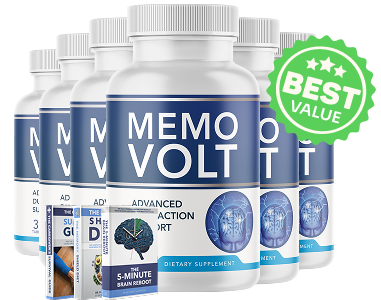
MemoVolt is backed by a 60-day money-back guarantee on qualifying purchases made through the official sales channel.
According to the official site, customers can use MemoVolt during the guarantee period and request a refund if they are not satisfied. The policy is valuable because cognitive supplements can require weeks of consistent use before someone can reasonably evaluate whether they notice a worthwhile difference.
The safest approach is to purchase directly through the official website, retain the confirmation email and order information, and review the current refund terms before purchasing.
Products obtained through unauthorized third-party sellers should not automatically be assumed to carry the same protection. Buying through the official channel creates a clear purchase record and gives consumers direct access to the customer-service process associated with the advertised guarantee.
MemoVolt Bonuses
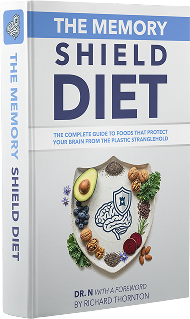
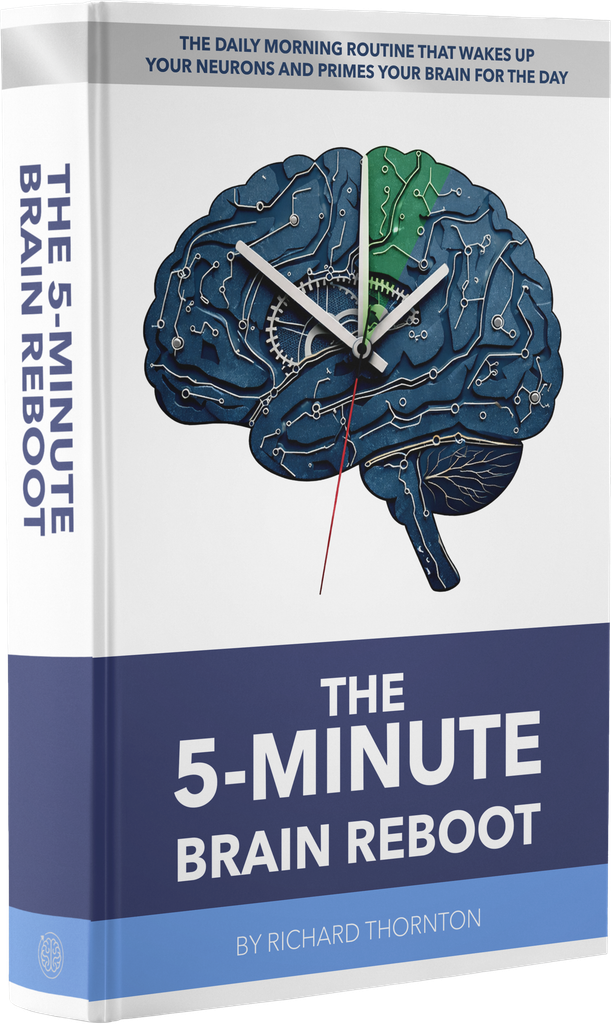

Frequently Asked Questions About MemoVolt
Q: What is MemoVolt designed to do?
A: MemoVolt is designed as a daily cognitive-wellness supplement supporting areas such as normal memory, concentration, mental clarity, neural resilience, and metabolic health. It is not a medication and should not be treated as a cure for dementia, Alzheimer’s disease, or another neurological condition.
Q: How many MemoVolt capsules should be taken each day?
A: The official instructions recommend one capsule per day with food. Taking it with a consistent meal makes the routine easier to remember and may reduce digestive discomfort from ingredients such as berberine.
Q: How quickly does MemoVolt work?
A: There is no universal timeline. The manufacturer states that some users report improvements after several weeks, but individual responses depend on factors such as age, sleep quality, diet, baseline cognitive health, medications, and consistency. It should not be expected to behave like a stimulant.
Q: Does MemoVolt remove microplastics from the brain?
A: Current research supports concern about possible neurological effects of micro- and nanoplastic exposure, but there is not adequate human clinical evidence showing that MemoVolt removes microplastics from brain tissue. The product’s strongest scientific support comes from research on its individual nutritional ingredients.
Q: Is MemoVolt suitable for older adults?
A: MemoVolt is marketed toward adults interested in maintaining memory and cognitive wellness as they age. Older adults are also more likely to use prescription medications, however, so medication interactions should be reviewed with a physician or pharmacist before beginning supplementation.
Q: Can MemoVolt replace memory medication?
A: MemoVolt is a dietary supplement and should not replace prescribed medication or medical treatment. Anyone diagnosed with mild cognitive impairment, dementia, Alzheimer’s disease, or another neurological condition should follow professional medical advice.
Q: Is MemoVolt sold on Amazon or eBay?
A: The core official sales page states that MemoVolt is available through its online offer and is not sold through ordinary third-party channels. Marketplace listings therefore deserve caution because authenticity and guarantee eligibility may be difficult to confirm.
Q: Does MemoVolt come with a refund policy?
A: Orders placed through the official sales channel are advertised with a 60-day money-back guarantee. Buyers should retain purchase records and check the current terms on the official site because refund procedures can change over time.
Final Verdict on MemoVolt
MemoVolt is more interesting than the average caffeine-heavy brain supplement because its formula attempts to address cognitive wellness from several directions. Saffron, fucoidan, fucoxanthin, oleuropein, berberine, Ceylon cinnamon, corosolic acid, kudzu flower, Morosil, and xylitol create a combination focused on antioxidant protection, inflammatory balance, metabolism, and long-term neural support. Among these ingredients, berberine has particularly useful human evidence for metabolic health, while saffron also has human clinical research relevant to neurological and psychological outcomes. Fucoidan and oleuropein add promising neuroprotective mechanisms, although much of their cognitive research remains preclinical.
The main limitation is the gap between promising ingredient science and the stronger language used in some MemoVolt marketing claims. Research on microplastics and brain health is developing quickly, and evidence increasingly suggests that these particles can contribute to oxidative stress and neuroinflammatory processes. That does not yet prove that MemoVolt neutralizes accumulated microplastics or reverses neuronal damage in humans. Anyone evaluating the supplement should base the decision primarily on its ingredients, convenience, stimulant-free design, metabolic emphasis, and refund protection rather than assuming the product has been clinically proven to eliminate a specific cause of memory decline.
For adults interested in general cognitive wellness, MemoVolt does have practical advantages. The once-daily serving is easy to maintain, the absence of caffeine makes the formula suitable for people who dislike stimulant-based nootropics, and the ten-ingredient combination covers a wider range of biological pathways than many ordinary memory supplements. The strongest users for this type of formula are likely to be people who already understand that supplements work best alongside consistent sleep, regular movement, healthy nutrition, metabolic control, and mentally engaging activities. MemoVolt should be considered an addition to those habits rather than a substitute for them.
Overall, MemoVolt offers a thoughtfully constructed but not clinically proven complete formula for adults who want broad, stimulant-free cognitive and metabolic support. The scientific rationale behind several ingredients is respectable, while other aspects remain preliminary and deserve more research. Anyone interested in trying it should purchase through the official sales channel, use it consistently, monitor meaningful day-to-day changes rather than expecting overnight results, and take advantage of the 60-day money-back guarantee if the formula does not provide enough personal value. For people taking medication or experiencing significant or worsening memory problems, speaking with a healthcare professional should come before adding any cognitive supplement.
References
- Moazen-Zadeh E, et al. Effects of Saffron on Cognition, Anxiety, and Depression: Randomized Double-Blind Placebo-Controlled Trial. Journal of Alternative and Complementary Medicine.
PubMed: Saffron and Cognition Study - Zhao JV, et al. Effect of Berberine on Glycemic and Insulin-Related Traits: Systematic Review and Meta-Analysis of Randomized Controlled Trials. The Journal of Nutrition.
PubMed: Berberine Meta-Analysis - Fucoidan: A Promising Agent for Brain Injury and Neurodegenerative Disease Intervention. Review of the neurological and neuroprotective research surrounding fucoidan.
PubMed: Fucoidan and Neuroprotection - Kayhan S, et al. Neurotoxicity of Microplastic Particles in the Human Brain: A Systematic Review. Review of current evidence concerning microplastic exposure, oxidative stress, energy disruption, and neurological effects.
PubMed: Microplastics and Brain Health Review
Disclaimer: This review is provided for informational purposes only and is not medical advice. MemoVolt is a dietary supplement and is not intended to diagnose, treat, cure, or prevent disease. Results vary between individuals. Anyone who is pregnant, breastfeeding, managing a medical condition, or taking prescription medication should consult a qualified healthcare professional before using MemoVolt or another dietary supplement.
[…] whether MemoHive makes sense as a daily supplement for memory, focus, mental clarity, and everyday cognitive support, rather than relying only on promotional […]
[…] is a dietary supplement marketed to support memory, concentration, and overall cognitive wellness. Its formulation combines magnesium, antioxidants, and botanical ingredients involved in normal […]