

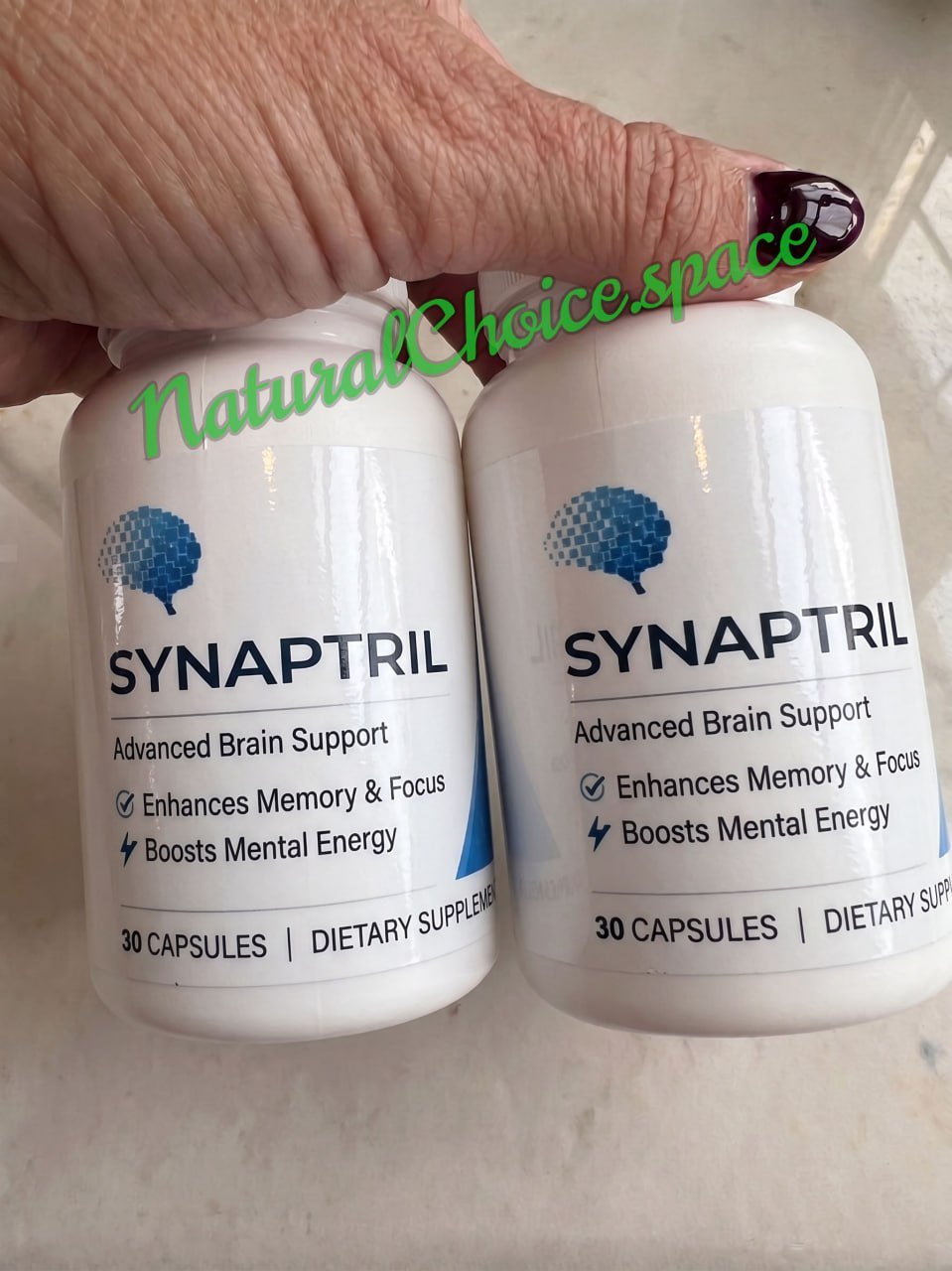
Maintaining mental sharpness can become increasingly challenging when demanding schedules, insufficient sleep, and everyday stress interfere with normal cognitive performance. Occasional forgetfulness, difficulty concentrating, and mental fatigue are common concerns among adults who want to remain productive and mentally engaged. Although these experiences do not necessarily indicate a medical condition, they can encourage people to explore nutritional approaches to supporting long-term brain health.
Synaptril is a dietary supplement marketed to support memory, concentration, and overall cognitive wellness. Its formulation combines magnesium, antioxidants, and botanical ingredients involved in normal nerve activity and cellular metabolism. Rather than relying on caffeine or other familiar stimulants, the product emphasizes nutritional support for biological processes associated with healthy brain function.
This Synaptril review explores the supplement’s ingredients, potential benefits, side effects, and practical limitations to help readers determine whether it deserves a place in their daily wellness routine. The discussion also examines the scientific reasoning behind its formulation, compares its characteristics with conventional brain-support supplements, and explains what consumers should understand about its advertised satisfaction guarantee.
Synaptril Overview: Everything You Should Know
Synaptril is presented as a convenient cognitive wellness supplement containing several nutritional compounds with established physiological roles. Its formula is intended for adults interested in maintaining normal brain and nervous system function.
The following table summarizes the available product information, making it easier to understand the supplement’s purpose, composition, and purchasing considerations.
| Product Information | Details |
|---|---|
| Product Name | Synaptril |
| Product Category | Brain health and cognitive wellness supplement |
| Primary Purpose | Nutritional support for normal memory, focus, concentration, and overall cognitive function |
| Supplement Form | Oral capsules |
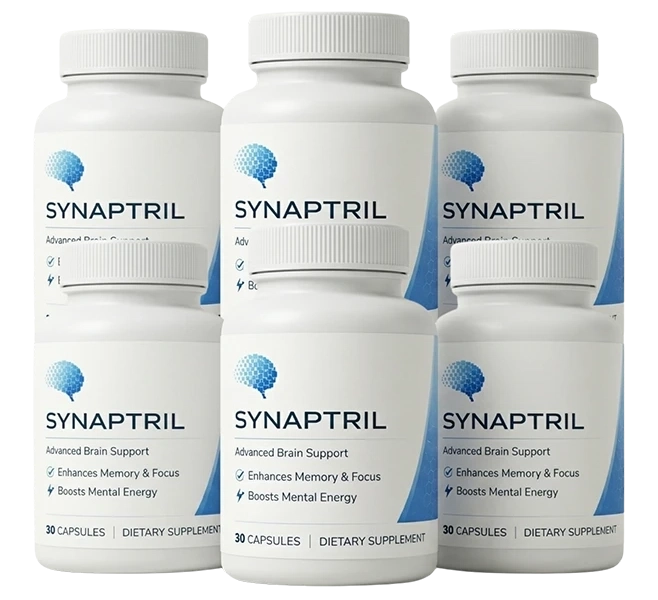
| Capsules Per Bottle | 30 capsules |
| Serving Size | One capsule per labeled serving |
| Servings Per Bottle | 30 servings |
| Suggested Usage | Follow the instructions printed on the purchased bottle |
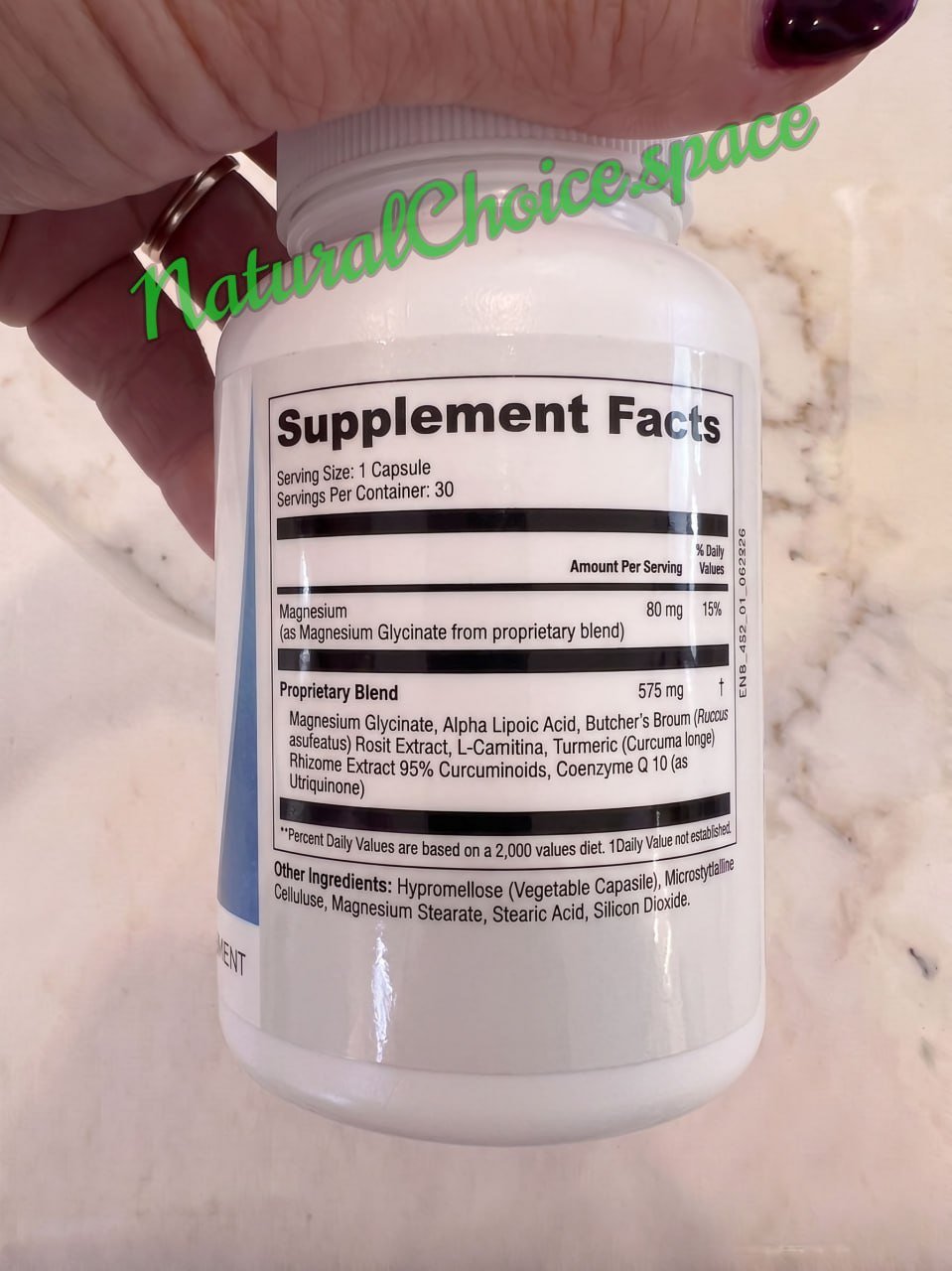
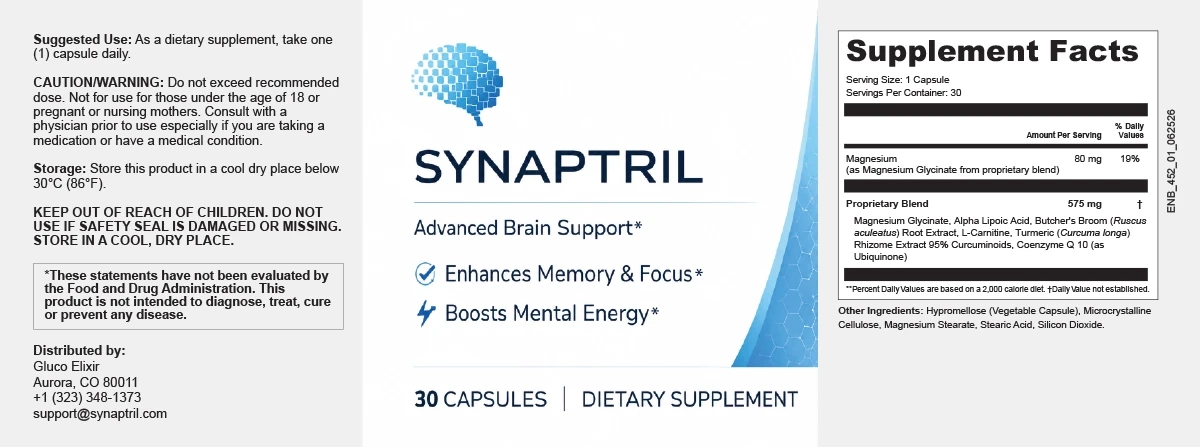
| Key Ingredients | Magnesium Glycinate, Alpha Lipoic Acid, Butcher’s Broom Extract, L-Carnitine, Turmeric Extract, and Coenzyme Q10 |
| Magnesium Content | 80 mg per serving, according to the supplied product information |
| Formula Characteristics | Combination of mineral, botanical, antioxidant, and energy-related compounds |
| Intended Benefits | Support for normal nerve function, cellular energy metabolism, and cognitive wellness |
| Intended Users | Adults interested in nutritional support for everyday brain health |
| Clinical Evidence | Individual ingredients have been studied, but clinical effectiveness of the complete formula has not been established |
| Manufacturing Information | Current manufacturing and quality-assurance claims should be verified with the manufacturer |
| Money-Back Guarantee | Advertised 60-day money-back guarantee, subject to the seller’s terms |
| Purchasing Information | Verify the official seller and current return policy before ordering |
| Official Website | ✅ Click Here |
What Is Synaptril?
Synaptril is a dietary supplement formulated around nutritional compounds associated with normal nervous system function and cellular wellness. It is marketed for adults interested in maintaining everyday cognitive performance, particularly in areas involving memory, focus, and concentration.
The supplement combines ingredients with different biological roles. Magnesium participates in normal nerve signaling, Coenzyme Q10 contributes to mitochondrial energy production, and Alpha Lipoic Acid has antioxidant-related properties. L-Carnitine supports fatty-acid metabolism, while turmeric extract contains compounds studied for their effects on oxidative and inflammatory pathways.
This combination creates a nutritional approach that addresses several processes relevant to general brain health. However, the biological importance of individual ingredients does not establish that the finished supplement improves cognitive performance.
Synaptril should therefore be considered an optional nutritional supplement rather than a replacement for established health practices. Adequate sleep, regular physical activity, balanced nutrition, and appropriate medical care remain central to maintaining normal cognitive function.
The product is not intended to diagnose, treat, cure, or prevent dementia, Alzheimer’s disease, or other neurological conditions.
The Science Supporting Synaptril
Understanding the scientific reasoning behind Synaptril requires distinguishing between established biological functions and demonstrated clinical outcomes.
Its formulation includes several compounds involved in cellular processes relevant to neurological activity. Magnesium contributes to nerve transmission and energy production, while Coenzyme Q10 participates in mitochondrial electron transport. Alpha Lipoic Acid is involved in metabolic enzyme activity and has antioxidant properties.
These functions help explain why the ingredients are commonly discussed in nutritional and neurological research.However, scientific studies involving individual nutrients do not automatically establish the effectiveness of a finished supplement containing those ingredients.
For example, research involving curcumin has investigated its effects on cognitive health, but findings from human studies remain limited and inconsistent. Similarly, Coenzyme Q10 has recognized roles in cellular energy production, yet evidence that routine supplementation improves memory in healthy adults remains insufficient.
The National Center for Complementary and Integrative Health has reviewed dietary supplements marketed for cognitive function and emphasized important limitations in the available evidence.Some natural compounds have produced promising preliminary findings, but stronger human research is needed before broad claims about cognitive improvement can be established.
No adequately controlled clinical trial of the complete Synaptril formulation was established from the available information used for this review. Consequently, its scientific rationale is primarily based on the physiological roles and individual research histories of its ingredients.
This distinction is important for consumers because a supplement can contain legitimate nutritional compounds without having demonstrated that its particular combination produces meaningful improvements in memory or concentration.
How Does Synaptril Work?
Synaptril is designed around several biological processes involved in maintaining normal brain and nervous system activity. Its ingredients contribute to different metabolic functions, creating a combination intended to support overall cognitive wellness.
Supporting Normal Nerve Communication
Nerve cells depend on carefully regulated electrical and chemical signaling to communicate efficiently.Magnesium contributes to normal nerve activity and participates in processes involving the movement of calcium and potassium across cell membranes.
These functions are essential for normal nervous system operation.Synaptril includes magnesium glycinate to contribute to magnesium intake. However, additional supplementation is not necessarily beneficial when an individual’s existing magnesium intake is already adequate.
Supporting Cellular Energy Metabolism
Brain cells require a continuous energy supply to maintain normal function. L-Carnitine participates in transporting fatty acids into mitochondria, while Coenzyme Q10 is involved in mitochondrial energy production.
Alpha Lipoic Acid also contributes to enzyme systems associated with cellular metabolism.These ingredients provide a plausible nutritional foundation for Synaptril’s energy-support positioning. Nevertheless, there is insufficient evidence that this particular combination increases mental stamina or reduces fatigue in healthy adults.
Providing Antioxidant-Related Compounds
Normal cellular metabolism produces reactive molecules that the body regulates through its antioxidant systems.Synaptril contains Alpha Lipoic Acid, curcuminoids, and Coenzyme Q10, all of which have antioxidant-related biological properties.
Their inclusion reflects an interest in supporting normal cellular processes. However, antioxidant activity observed in laboratory experiments does not necessarily translate into measurable cognitive improvements in humans.
Combining Multiple Nutritional Functions
Synaptril’s central formulation strategy is to combine ingredients associated with different physiological processes.Rather than depending on a single compound, the supplement brings together nutrients involved in mineral balance, energy metabolism, and antioxidant activity. Its proposed mechanism is nutritional support, not direct treatment of cognitive impairment.
Ingredients in Synaptril: A Detailed Examination
Ingredient selection is one of the most important considerations when evaluating a dietary supplement. Natural compounds can have beneficial physiological roles, but their safety and usefulness depend on dosage, formulation, individual health circumstances, and potential interactions with medication.
Consumers should also understand that the presence of an ingredient does not establish that a product contains an amount sufficient to produce the effects observed in research. Synaptril’s available ingredient information identifies several compounds, but the individual quantities of most ingredients are not established in the supplied product description.
🍃 Magnesium Glycinate (80 mg)
Magnesium is an essential mineral involved in hundreds of biochemical reactions. It contributes to normal muscle and nerve function, protein synthesis, and energy metabolism. Magnesium glycinate combines magnesium with glycine and is frequently used in supplements intended to increase magnesium intake. Because normal nerve transmission depends on adequate mineral availability, magnesium has a legitimate place in discussions about nervous system wellness.
Synaptril reportedly provides 80 mg of magnesium per serving. This amount may contribute to daily nutritional requirements, although the label should clarify whether the figure represents elemental magnesium. An 80 mg serving has not been established as an effective treatment for forgetfulness or poor concentration. Its nutritional value is most relevant when considered alongside a person’s existing diet, health status, and total magnesium intake.
🍃 Alpha Lipoic Acid
Alpha Lipoic Acid is a naturally occurring compound involved in mitochondrial enzyme activity. It also has antioxidant-related properties and participates in biological pathways associated with energy metabolism. Researchers have investigated Alpha Lipoic Acid for several applications, including metabolic health and certain forms of nerve discomfort. These areas of research help explain its popularity in supplements intended for general neurological wellness.
Within Synaptril, Alpha Lipoic Acid contributes an antioxidant and metabolic component to the formulation. However, findings involving metabolic conditions or nerve discomfort cannot automatically be applied to improving memory in healthy individuals. Its exact quantity is also necessary for evaluating whether the product resembles doses investigated in clinical studies. Some people experience digestive discomfort when taking Alpha Lipoic Acid, and those using blood-glucose-lowering medication should seek professional guidance.
🍃 Butcher’s Broom Extract (Ruscus aculeatus)
Butcher’s Broom is a botanical traditionally associated with circulatory wellness. The plant contains compounds called steroidal saponins, including ruscogenins, which have attracted research interest for their effects on vascular function. Extracts from the plant’s rhizome have been investigated primarily in relation to venous circulation rather than cognitive performance.
Its inclusion in Synaptril adds a botanical component, although the connection with memory and concentration remains indirect. Healthy circulation is important throughout the body, but evidence involving venous health does not establish that Butcher’s Broom improves cerebral circulation or cognitive performance. The extract’s concentration and actual quantity would be necessary for a more meaningful assessment. People with cardiovascular conditions or those taking medication should review its suitability with a healthcare professional.
🍃 L-Carnitine
L-Carnitine is a naturally occurring compound involved in transporting long-chain fatty acids into mitochondria, where they can contribute to energy production. The body synthesizes carnitine, and additional amounts are obtained through certain foods. Because energy metabolism is fundamental to normal cellular activity, L-Carnitine is commonly included in supplements marketed for physical and mental wellness.
Some neurological research has investigated acetyl-L-carnitine, which is chemically related to ordinary L-Carnitine but should not be treated as an identical ingredient. Results involving acetyl-L-carnitine cannot automatically establish the effectiveness of Synaptril’s L-Carnitine component. The amount included in the formulation is also important when assessing its potential contribution. Larger supplemental doses may cause digestive discomfort, and people with seizure disorders should obtain medical advice before using carnitine-containing products.
🍃 Turmeric Extract (Curcuma longa)
Turmeric is a botanical derived from the Curcuma longa plant. Its principal studied constituents include curcumin and related curcuminoids. These compounds have attracted scientific attention because of their antioxidant properties and their effects on inflammatory signaling pathways. Researchers have also explored their possible relationship with cognitive function, although human findings remain preliminary and inconsistent.
Synaptril includes turmeric as part of its antioxidant-oriented ingredient combination. However, curcumin absorption varies considerably between formulations, meaning the presence of turmeric extract does not establish how much curcumin reaches the bloodstream. Concentrated turmeric supplements can cause digestive symptoms, and rare cases of liver injury have been reported with certain formulations. The product’s actual dose and formulation are essential considerations when evaluating potential benefits and safety.
🍃 Turmeric Rhizome Extract (95% Curcuminoids)
A turmeric rhizome extract standardized to 95% curcuminoids contains a concentrated proportion of turmeric’s principal studied compounds. Standardization can help describe the composition of a botanical extract and distinguish it from ordinary turmeric powder. Nevertheless, the percentage alone does not establish how many milligrams of curcuminoids a person receives from each capsule.
The supplied ingredient description lists turmeric extract and a 95% curcuminoid rhizome extract. It is unclear whether these represent separate ingredients or two descriptions of the same standardized extract. Consumers should consult the actual Supplement Facts panel before assuming that Synaptril contains two independent turmeric components. Concentration also does not guarantee superior effectiveness, particularly when the clinical relevance of the finished formulation has not been established.
🍃 Coenzyme Q10 (Ubiquinone)
Coenzyme Q10 is a naturally occurring compound found throughout the body, particularly in tissues with substantial energy requirements. It participates in mitochondrial electron transport, which helps cells produce usable energy. Coenzyme Q10 also contributes to antioxidant activity, making it relevant to research involving normal cellular function and oxidative stress.
Its inclusion gives Synaptril an additional energy-metabolism component. However, Coenzyme Q10’s established biological function does not demonstrate that supplementation improves memory or concentration in healthy adults. Clinical findings depend on the population studied, dosage, and intended outcome. Coenzyme Q10 is generally well tolerated in studied settings, although digestive discomfort and sleep disturbances may occur. It can also interact with warfarin and certain other medications.
Potential Benefits of Synaptril
Synaptril is marketed for several aspects of cognitive wellness, including normal memory, concentration, and mental clarity. Its ingredients participate in processes relevant to neurological activity, providing a reasonable explanation for the product’s nutritional positioning.
The following six potential benefits examine the formulation’s intended applications and the biological functions that support them. These should be understood as areas of possible nutritional support rather than clinically demonstrated outcomes of the complete supplement.
⭐ 1. May Support Normal Memory Function
Memory depends on coordinated communication between nerve cells and an adequate supply of energy to maintain their activity. Magnesium contributes to normal nerve signaling, while several other Synaptril ingredients participate in cellular metabolism. These biological functions provide a nutritional rationale for the product’s memory-support positioning. Maintaining sufficient intake of essential nutrients is important for general neurological health, particularly when a person’s usual diet does not meet nutritional requirements.
However, memory performance is influenced by many factors beyond supplementation. Sleep quality, medication effects, stress, and underlying medical conditions can all contribute to forgetfulness. Synaptril has not been clinically established to improve memory or prevent cognitive decline, and individuals with persistent or worsening memory problems should seek professional evaluation rather than depending on a dietary supplement.
⭐ 2. Provides Nutritional Support for Concentration
Concentration involves maintaining attention while managing competing information and distractions. Normal neurological activity requires adequate nutrition, and magnesium contributes to the physiological processes that support nerve communication. Synaptril combines magnesium with compounds involved in energy metabolism, creating a formulation intended to complement the nutritional requirements of healthy cognitive function.
Its non-stimulant positioning may appeal to individuals who prefer avoiding caffeine-based focus supplements. Nevertheless, there is no established evidence that Synaptril produces measurable improvements in attention span or concentration. Consumers should distinguish between ingredients supporting normal biological activity and a product demonstrating improved performance in controlled cognitive testing.
⭐ 3. Contributes to Cellular Energy Metabolism
The brain requires a substantial and continuous energy supply, making normal mitochondrial activity important for neurological function. Synaptril contains Coenzyme Q10 and L-Carnitine, compounds involved in different aspects of cellular energy metabolism. Alpha Lipoic Acid also participates in metabolic enzyme activity. Their combination gives the product an energy-related nutritional profile without depending on caffeine as its primary mechanism.
These functions help explain why the ingredients are included, but additional supplementation does not automatically increase brain energy availability. Healthy individuals already regulate cellular energy through sophisticated metabolic pathways. Synaptril should not be expected to eliminate mental fatigue or produce immediate increases in mental stamina, particularly when fatigue is associated with inadequate sleep or an underlying health condition.
⭐ 4. Offers Antioxidant-Related Support
Oxidative stress is a biological process associated with an imbalance between reactive molecules and the body’s protective systems. Synaptril contains several compounds with antioxidant-related properties, including Alpha Lipoic Acid, turmeric-derived curcuminoids, and Coenzyme Q10. These ingredients have been investigated in laboratory and clinical research for their roles in cellular metabolism and oxidative processes.
Their inclusion may interest adults seeking broad nutritional support. However, antioxidant activity does not automatically translate into protection against neurological disease or improved cognitive performance. Human research involving antioxidant supplements has produced mixed findings, and the clinical effects depend on numerous factors. Synaptril’s antioxidant ingredients provide a formulation rationale, but their combined cognitive benefits remain unproven.
⭐ 5. Supports Normal Nervous System Function
Normal nervous system activity depends on the availability of essential minerals and the efficient functioning of cellular metabolic pathways. Magnesium is particularly relevant because it participates directly in nerve transmission and the regulation of electrical activity. Other ingredients in Synaptril contribute to processes associated with cellular energy metabolism and antioxidant activity.
This combination may appeal to adults interested in maintaining nutritional adequacy as part of their overall wellness routine. However, the formula should not be interpreted as a treatment for neuropathy, neurological disease, or abnormal nerve function. Its most clearly established nutritional contribution is the provision of compounds with recognized physiological roles, while the magnitude of any additional benefit from the finished product remains uncertain.
⭐ 6. Offers a Non-Stimulant Approach to Cognitive Wellness
Many supplements marketed for mental performance emphasize immediate alertness through caffeine or other stimulating substances. Synaptril takes a different approach by combining nutrients and botanical compounds associated with ordinary physiological processes. This formulation strategy may appeal to people who dislike the temporary stimulation associated with some conventional focus products.
A non-stimulant approach may also fit the preferences of adults who want to avoid adding caffeine to their daily routine. However, the absence of caffeine does not guarantee that a supplement will be free from adverse effects or medication interactions. Synaptril’s practical appeal lies in its nutritional formulation and convenient format, while its ability to produce noticeable cognitive improvements remains to be demonstrated.
My Rating on Synaptril: 4.6/5
★★★★★ 4.6 out of 5
Editorial Formulation Rating: 4.6/5
Synaptril receives an editorial formulation rating of 4.6 out of 5 based on its ingredient concept, convenient capsule format, and emphasis on nutritional support. Its combination of magnesium, Coenzyme Q10, Alpha Lipoic Acid, and L-Carnitine provides a recognizable physiological foundation. These ingredients have established roles in normal biological processes, making the reasoning behind their inclusion understandable.
The formula’s broad nutritional positioning is another appealing characteristic. It brings together ingredients associated with mineral nutrition, cellular energy metabolism, and antioxidant activity in a single capsule. This may be convenient for adults who prefer a combined supplement rather than purchasing several individual products.
However, important limitations prevent the rating from representing proven clinical effectiveness. The complete formulation lacks established controlled clinical evidence for memory or concentration improvements, and the available ingredient descriptions do not consistently disclose every individual quantity.
The 4.6/5 score represents an editorial assessment of formulation appeal and convenience. It is not a scientifically validated effectiveness rating, clinical safety score, or verified customer-satisfaction measurement.
Synaptril vs Other Popular Brain Support Brands
Brain-support supplements differ considerably in their ingredient selections and intended purposes. Some emphasize stimulant-based alertness, while others concentrate on vitamins, herbal extracts, or nutritional compounds associated with cellular metabolism.
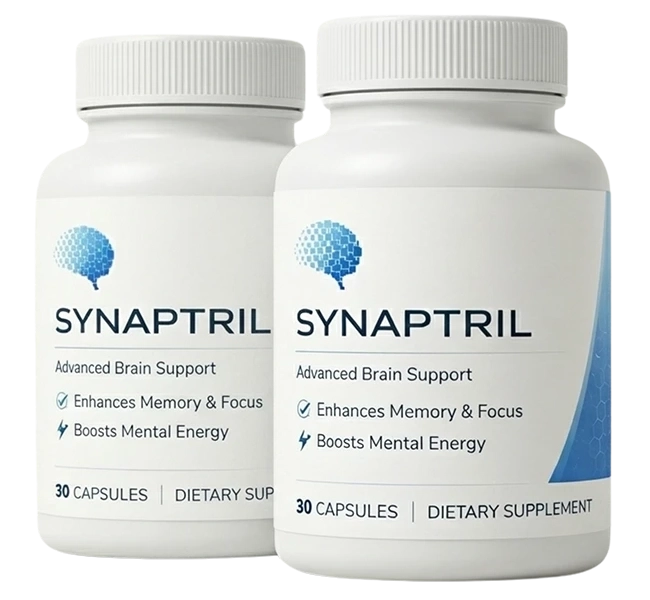
Synaptril’s distinguishing characteristic is its combination of mineral nutrition, antioxidant-related ingredients, and energy-metabolism compounds. The following comparison examines this approach alongside general characteristics found among popular cognitive wellness supplements rather than comparing it with a specific competing product.


| Comparison Factor | Synaptril | Other Popular Brain Support Brands |
|---|---|---|
| Formula Philosophy | Combines several compounds associated with normal nerve function, energy metabolism, and antioxidant activity. Its formulation provides multiple nutritional ingredients in one capsule. | Formulations vary substantially. Some emphasize a narrow selection of compounds, while others contain broad combinations of vitamins, botanicals, and metabolic ingredients. |
| Memory Support Positioning | Marketed for general memory wellness through ingredients associated with normal neurological and metabolic activity. Clinical improvement from the finished formulation remains unestablished. | Some products emphasize memory-specific botanicals or vitamins. Their effectiveness depends on the actual ingredients, dosages, and product-specific evidence. |
| Concentration Support | Uses a nutritional approach rather than relying primarily on stimulant-induced alertness. This may suit consumers who prefer avoiding caffeine. | Stimulant-containing products may emphasize immediate alertness, whereas non-stimulant formulations may use nutritional or botanical approaches. |
| Magnesium Content | Provides a reported 80 mg of magnesium per serving, contributing toward normal nutritional intake. | Magnesium content varies. Some brands include substantial amounts, while others omit magnesium entirely. |
| Cellular Energy Ingredients | Includes L-Carnitine and Coenzyme Q10, compounds involved in established metabolic processes. | Other formulations may contain similar compounds, alternative metabolic nutrients, or ingredients unrelated to mitochondrial energy production. |
| Antioxidant Components | Contains Alpha Lipoic Acid and turmeric-derived compounds, providing several ingredients associated with antioxidant activity. | Antioxidant combinations differ between brands. Some contain concentrated botanical extracts, while others primarily use vitamins or individual antioxidants. |
| Ingredient Variety | Brings together a mineral, metabolic compounds, and botanicals within one formulation. | Product complexity ranges from single-ingredient supplements to extensive proprietary blends containing numerous compounds. |
| Dosage Transparency | Available information identifies its principal ingredients but does not consistently establish separate quantities for every compound. | Some competing brands publish complete individual dosages, while others use proprietary blends that limit detailed evaluation. |
| Clinical Evidence | The individual ingredients have research histories, but the finished Synaptril formula has not demonstrated clinical effectiveness through established controlled trials. | Evidence varies significantly. Some products have ingredient-level studies, while others may have finished-product trials supporting particular outcomes. |
| Daily Convenience | Available descriptions indicate 30 capsules and a one-capsule serving, making the format relatively straightforward. | Daily requirements vary from one capsule to multiple capsules, powders, or other supplement formats. |
| Expected Results | No reliable timeline or magnitude of cognitive improvement has been established for the finished formulation. | Expected outcomes depend on individual formulations. Stimulant effects may be immediately noticeable, while nutritional effects are often less predictable. |
| Purchasing Considerations | An advertised 60-day satisfaction guarantee may offer additional reassurance for qualifying purchases through the official sales channel. | Return policies differ by manufacturer and retailer. Some offer satisfaction guarantees, while others restrict refunds after opening. |
Where Synaptril Has Practical Advantages
Synaptril’s main advantage is the convenience of obtaining several nutritional compounds within a single capsule. Consumers interested in magnesium, Coenzyme Q10, and Alpha Lipoic Acid may appreciate having these ingredients combined rather than maintaining several separate supplement containers.
The non-stimulant approach is another relevant consideration. People seeking to avoid caffeine may find its formulation more compatible with their preferences than products designed primarily around immediate alertness.
However, a larger ingredient combination does not necessarily produce better cognitive results. A simpler supplement with clearly disclosed dosages could be more appropriate for someone addressing a specific nutritional need.
The available evidence does not establish that Synaptril improves cognitive performance more effectively than competing formulations. Its appeal is therefore best understood through its ingredient selection, convenience, and intended wellness positioning.
How to Use Synaptril
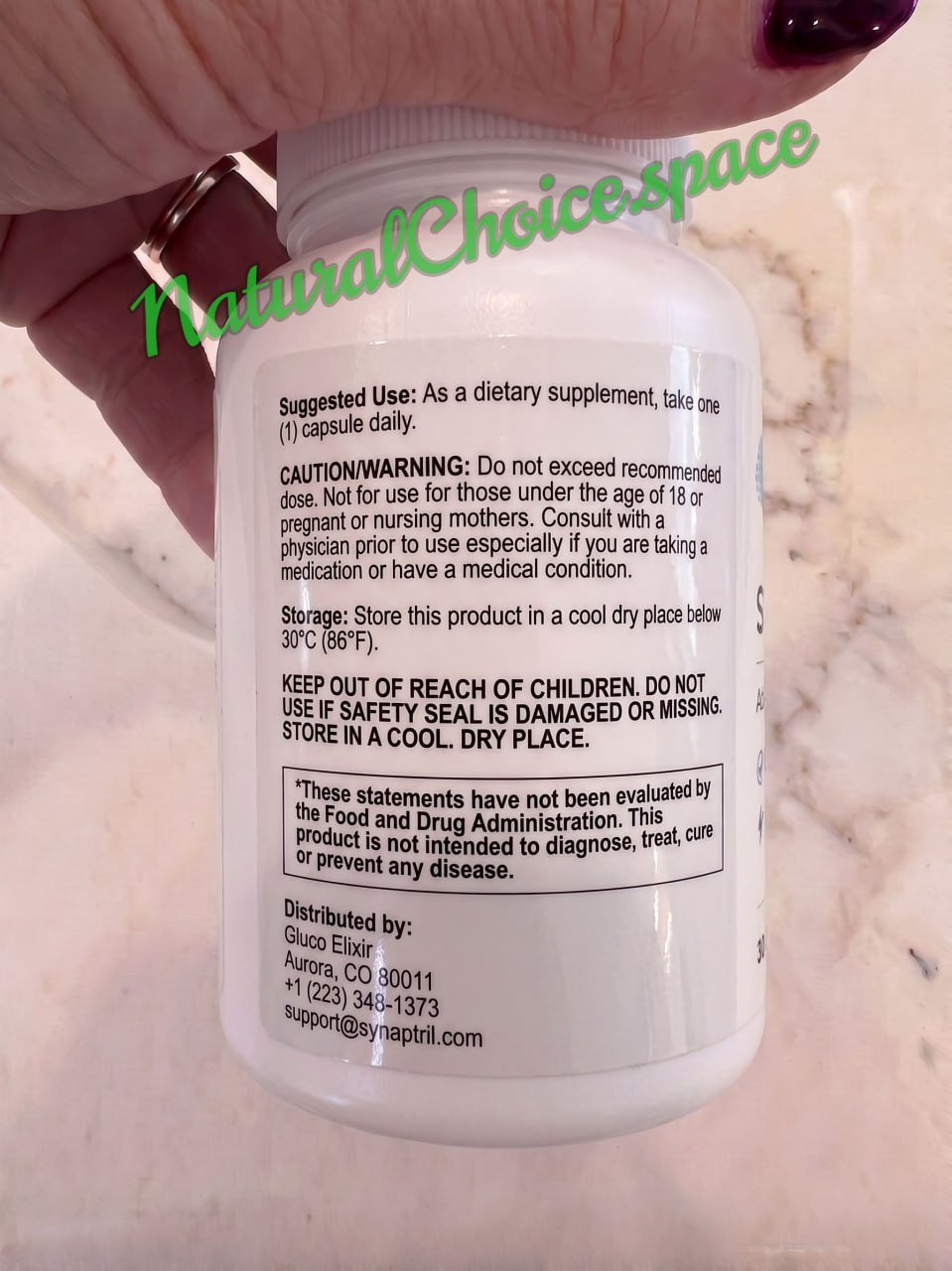
Available product information describes Synaptril as containing 30 capsules per bottle, with one capsule representing a labeled serving. This indicates that each bottle contains 30 servings, although the serving size alone does not establish the manufacturer’s recommended dosing frequency.
Consumers should follow the directions printed on the actual purchased bottle. If the label recommends daily use, taking the supplement at a consistent time may make the routine easier to maintain. It should be swallowed with water according to the manufacturer’s instructions, and any directions concerning food should be followed.
Do not exceed the recommended serving in an attempt to accelerate or strengthen the product’s effects. Taking larger amounts may increase adverse-effect risks without providing additional cognitive benefits.
Anyone already taking magnesium, turmeric, Coenzyme Q10, or another combination supplement should compare ingredient lists before adding Synaptril to their routine.
Pros and Cons of Synaptril
Synaptril combines several recognizable nutritional ingredients within a convenient capsule. However, its formulation also raises questions about individual dosage disclosure, clinical effectiveness, and product-specific quality verification.
The following comparison highlights six potential advantages and four limitations that consumers should consider before purchasing.
| Pros | Cons |
|---|---|
| 1. Broad Nutritional Formula: Synaptril brings together ingredients associated with nerve function, energy metabolism, and antioxidant activity. This provides a convenient combination for consumers interested in several aspects of general wellness. | 1. Limited Finished-Product Research: Research involving individual compounds does not establish the effectiveness of their combination. Controlled clinical trials involving Synaptril itself would provide stronger evidence for its cognitive wellness claims. |
| 2. Contains Magnesium: Its reported magnesium content contributes toward daily mineral intake. Magnesium is essential for normal nerve signaling and numerous metabolic reactions, making it a relevant nutritional ingredient. | 2. Incomplete Ingredient Dosage Information: Available descriptions do not consistently disclose the amounts of every compound. Without those figures, consumers cannot reliably compare the formula with dosages investigated in scientific studies. |
| 3. Includes Energy-Related Compounds: L-Carnitine and Coenzyme Q10 participate in normal cellular metabolism. Their inclusion provides a recognizable physiological basis for the product’s energy-support positioning. | 3. Uncertain Cognitive Outcomes: No established clinical evidence demonstrates how much Synaptril improves memory or concentration. Consumers should avoid assuming that noticeable results are guaranteed or will occur within a particular timeframe. |
| 4. Antioxidant-Oriented Ingredients: Alpha Lipoic Acid and turmeric-derived compounds contribute additional antioxidant-related components. This broadens the formula beyond a simple mineral supplement. | 4. Manufacturing and Interaction Considerations: Independent verification of manufacturing claims and complete ingredient dosages would strengthen transparency. Medication interactions also require attention, particularly for people managing chronic health conditions. |
| 5. Convenient Capsule Format: The advertised one-capsule serving simplifies the product’s format. Consumers do not need to measure powders or prepare a separate supplement drink. | |
| 6. Advertised Satisfaction Guarantee: A 60-day refund policy may reduce purchasing uncertainty when an order meets the manufacturer’s written eligibility conditions. |
What Are the Side Effects of Synaptril?
The complete adverse-effect profile of Synaptril has not been established through controlled clinical trials of the finished formulation. However, its individual ingredients have known safety considerations.
Magnesium supplements can cause digestive discomfort, including diarrhea and abdominal cramping, particularly when consumed in excessive amounts. Alpha Lipoic Acid may cause nausea or other gastrointestinal symptoms, while Coenzyme Q10 can occasionally produce mild digestive complaints or sleep disturbances.
Turmeric extracts may cause nausea, acid reflux, or diarrhea. Rare cases of liver injury have also been reported with certain concentrated turmeric formulations, particularly some products designed to increase curcumin absorption.
The possibility of medication interactions is another important consideration. Synaptril contains several biologically active compounds, and their combined suitability depends on individual circumstances.
Anyone experiencing a serious or unexpected adverse reaction should discontinue use and seek appropriate medical attention. Symptoms such as jaundice, dark urine, or unusual persistent fatigue warrant prompt evaluation because of the liver-related concerns associated with some concentrated turmeric supplements.
Is Synaptril Safe?
Synaptril contains recognizable nutritional and botanical compounds, but natural ingredients do not automatically guarantee safety. The complete formulation’s safety has not been established through product-specific clinical trials, making proper dosage and individual health considerations important.
Claims that Synaptril is manufactured in the USA, produced under GMP standards, or made in an FDA-registered facility should be verified through current manufacturer documentation. The FDA does not approve dietary supplements or independently approve manufacturing facilities, and facility registration is not equivalent to product approval.
Healthy adults considering the supplement should examine the complete label and follow its directions. Anyone taking medication or managing an existing health condition should consult a qualified healthcare professional before use.
Can You Take Synaptril With Other Medications?
Synaptril contains ingredients that may interact with certain medications, making compatibility an important consideration for consumers receiving ongoing medical treatment.
Magnesium can interfere with the absorption of specific antibiotics and osteoporosis medications. Coenzyme Q10 may interact with warfarin and insulin, while Alpha Lipoic Acid requires caution among people using blood-glucose-lowering medication.
Concentrated turmeric supplements also deserve particular attention among individuals using medications that affect bleeding or those managing liver-related conditions.
These potential interactions do not establish that Synaptril is incompatible with every medication. However, anyone taking prescription medicine should have the complete ingredient list reviewed by a pharmacist or healthcare professional before beginning supplementation.
Who Should Use Synaptril, and Who Should Avoid It?
Synaptril is intended for adults interested in maintaining general cognitive wellness through nutritional supplementation. Its suitability depends on factors such as dietary intake, existing medical conditions, medication use, and individual expectations.
Understanding who may reasonably consider the product, and who should seek professional guidance, helps consumers approach supplementation more responsibly.
Who May Consider Synaptril?
- Adults Interested in General Cognitive Wellness: Individuals seeking nutritional support for normal brain and nervous system function may consider the formulation. Its ingredients participate in several established biological processes, although noticeable improvements in memory or concentration are not guaranteed.
- People Seeking a Convenient Supplement Format: Consumers who prefer capsules over powders or complicated supplement routines may appreciate the product’s straightforward serving format. Convenience can make a supplement easier to incorporate into an established daily routine.
- Individuals Interested in Magnesium and Cellular Metabolism: Synaptril contains compounds involved in mineral nutrition and normal energy-related processes. Its relevance depends partly on whether additional intake is appropriate for the individual’s nutritional circumstances.
- Adults Who Understand the Limits of Supplementation: Consumers who view supplements as optional additions to healthy living may have more realistic expectations. Synaptril should complement appropriate nutrition and medical care rather than replace them.
Who Should Avoid Synaptril or Seek Medical Advice?
- Pregnant or Breastfeeding Individuals: The safety of the complete ingredient combination has not been established for pregnancy or lactation. Concentrated turmeric supplementation may be inappropriate during pregnancy, making professional advice particularly important.
- People With Kidney or Liver Conditions: Significant kidney impairment can affect magnesium handling, while certain concentrated turmeric formulations have been associated with liver injury. These individuals should not begin supplementation without medical guidance.
- Individuals Taking Potentially Interacting Medications: People using anticoagulants, diabetes medication, or medicines affected by magnesium absorption should obtain a professional compatibility assessment before using the product.
- People Experiencing Progressive Memory Problems: New confusion, substantial memory changes, or worsening concentration may indicate an underlying medical issue. These symptoms deserve appropriate evaluation instead of self-treatment with a cognitive wellness supplement.
- Children and Adolescents: Synaptril’s suitability for younger populations has not been established from the available product information. The supplement should not be given to children without qualified medical guidance.
What I Didn’t Like About Synaptril and Why
Synaptril’s formulation contains several recognizable nutritional ingredients, but some aspects of its presentation leave important questions unanswered. These limitations matter because consumers need more than appealing ingredient descriptions to make informed purchasing decisions.
The following concerns focus on information that would improve the product’s transparency, scientific credibility, and practical usefulness.
- The Lack of Established Clinical Research on the Complete Formula: Synaptril’s ingredients have individual research histories, but their combination has not been established as clinically effective for memory or concentration. Product-specific trials would make it easier to determine whether the formulation produces meaningful benefits beyond those associated with ordinary nutritional intake.
- Incomplete Disclosure of Individual Ingredient Quantities: Although the product description identifies its principal compounds, separate amounts are not consistently available for every ingredient. This makes it difficult to determine whether the formula resembles dosages used in research or whether particular ingredients are present in relatively small quantities.
- Uncertainty Surrounding Noticeable Results: Cognitive performance naturally fluctuates with sleep, stress, workload, and general health. Without controlled studies, consumers cannot reliably predict whether Synaptril will produce noticeable changes or how long such changes might take to develop.
- Manufacturing Claims Require Better Verification: Statements about U.S. manufacturing, GMP compliance, and quality testing are meaningful when supported by appropriate documentation. Publicly accessible testing information and clear manufacturer details would make the product easier to evaluate.
- The Return Policy Requires Careful Review: The advertised satisfaction guarantee provides a purchasing consideration, but consumers should understand its eligibility conditions before ordering. A clearly documented policy is more useful than promotional language that leaves return requirements open to interpretation.
Is Synaptril a Scam?
Synaptril is marketed as a cognitive wellness supplement containing nutritional compounds with recognizable biological functions. Its formulation concept is understandable, but ingredient plausibility alone cannot establish product effectiveness, manufacturing reliability, or customer satisfaction. A fair assessment requires examining the actual label, seller information, and available evidence rather than accepting promotional claims without verification.
There is insufficient independently verified information to make a definitive judgment about Synaptril’s commercial reliability. Consumers should be cautious of advertisements promising guaranteed memory restoration or treatment of neurological disease, since such outcomes have not been established for the product. Verifying the seller, reviewing the complete ingredient label, and understanding the written refund policy are important steps before purchasing.
Alternatives to Synaptril Available in the Market
Consumers considering Synaptril may also be interested in supplements containing individual nutrients or different combinations of compounds associated with brain health.
Magnesium supplements provide a simpler option for individuals who specifically need additional magnesium. They allow consumers to select a particular magnesium form and assess their total daily intake without simultaneously taking several unrelated ingredients. Their usefulness depends on nutritional requirements rather than a guaranteed improvement in cognitive performance.
Omega-3 supplements represent another widely available category. Omega-3 fatty acids have important physiological roles, but clinical evidence does not establish that routine omega-3 supplementation reliably improves cognition or prevents cognitive decline in healthy adults.
Individual Coenzyme Q10 supplements may interest consumers who specifically want a compound involved in cellular energy production. However, their relationship with cognitive improvement remains insufficiently established, and medication interactions still require consideration.
Conventional multivitamins offer broader nutritional coverage for people whose diets may not consistently provide adequate amounts of essential vitamins and minerals. They may be more relevant when general nutritional adequacy is the primary concern.
The appropriate choice depends on individual needs. A simpler supplement may be preferable when addressing a specific dietary gap, while a combination formula may appeal to consumers seeking several ingredients in one capsule.
Synaptril 60-Day Money-Back Guarantee
Synaptril comes with an advertised 60-day money-back guarantee, giving customers an opportunity to purchase the supplement with greater confidence. If the product does not meet their expectations, eligible buyers can request a refund within the specified period, subject to the manufacturer’s return conditions. This policy provides additional reassurance for first-time customers who want to evaluate the supplement before making a longer-term commitment.
The 60-day money-back guarantee is available only for qualifying purchases made through the official Synaptril website. Orders placed through unauthorized third-party sellers may not qualify for the manufacturer’s refund policy. To understand the protection available to them, customers should verify the official sales channel and review the applicable return conditions before completing their purchase.
Frequently Asked Questions About Synaptril
Q: What is Synaptril designed to do?
A: Synaptril is marketed as a dietary supplement intended to support general cognitive wellness, including normal memory, focus, and concentration. Its formulation contains nutritional compounds associated with nerve activity, cellular energy metabolism, and antioxidant-related functions.
These biological roles explain the supplement’s intended purpose, but they do not establish that the finished formula produces measurable improvements in cognitive performance. Synaptril should be considered an optional nutritional product rather than a treatment for memory disorders or neurological disease.
Q: How long does Synaptril take to produce results?
A: There is no established clinical timeline demonstrating when Synaptril produces noticeable cognitive benefits. Individual responses may depend on baseline nutritional status, lifestyle factors, ingredient dosages, and other personal circumstances.
Some consumers may notice no meaningful difference. Others may experience changes that are difficult to distinguish from normal variations in sleep, stress, or daily productivity. Specific timelines promoted without reliable product-specific research should therefore be treated cautiously.
Q: Can Synaptril permanently improve memory?
A: Permanent memory improvement has not been established for Synaptril. Research involving individual nutritional compounds does not demonstrate that taking this particular combination produces lasting improvements in memory performance.
Maintaining cognitive health involves numerous factors, including adequate sleep, balanced nutrition, physical activity, and appropriate management of medical conditions. Individuals experiencing persistent or worsening memory problems should obtain professional evaluation rather than relying on supplementation.
Q: Is Synaptril suitable for older adults?
A: Older adults may be interested in cognitive wellness supplements, but age alone does not establish a need for Synaptril’s ingredients. Its suitability depends on nutritional requirements, medication use, existing medical conditions, and the complete product formulation.
Older adults are also more likely to use medications that may interact with supplement ingredients. Reviewing Synaptril with a healthcare professional is particularly important when taking anticoagulants, diabetes medication, or other long-term prescriptions.
Q: Can Synaptril be taken alongside other supplements?
A: Combining Synaptril with other supplements requires careful attention to overlapping ingredients and total daily intake. Products containing magnesium, turmeric, Coenzyme Q10, or similar compounds may duplicate ingredients already present in the formula.
Taking several supplements together does not necessarily produce stronger benefits. Consumers should compare Supplement Facts labels and seek professional advice when uncertain about dosage, interactions, or the suitability of a particular combination.
Q: Does Synaptril treat Alzheimer’s disease or dementia?
A: Synaptril is a dietary supplement and has not been established as a treatment for Alzheimer’s disease, dementia, or another neurological condition. Its ingredient selection reflects an interest in general nutritional support rather than demonstrated therapeutic effects.
People experiencing progressive memory impairment, confusion, or substantial changes in cognitive function should seek medical evaluation. Delaying appropriate assessment in favor of unproven supplements can prevent timely identification of potentially treatable conditions.
Q: What should consumers check before purchasing Synaptril?
A: Consumers should examine the actual Supplement Facts label, verify the manufacturer and seller, and review the product’s current purchasing conditions. Individual ingredient quantities are particularly important when comparing the formulation with clinical research.
The advertised 60-day satisfaction guarantee should also be examined carefully. Understanding the eligibility requirements before ordering can help consumers determine whether their purchase will qualify for the stated refund protection.
Q: Is Synaptril worth adding to a daily wellness routine?
A: Synaptril may interest adults who prefer a combination of nutritional compounds associated with normal neurological and metabolic processes. Its convenient capsule format and recognizable ingredients provide a practical basis for considering the product.
However, the decision should reflect individual nutritional needs and realistic expectations. The complete formula’s cognitive effectiveness remains unestablished, and supplementation should not replace adequate sleep, balanced nutrition, or professional medical care when cognitive symptoms require investigation.
Conclusion: Final Thoughts on Synaptril
Synaptril combines several nutritional ingredients associated with normal nerve activity, cellular energy metabolism, and antioxidant-related processes. Its formulation offers a convenient approach for adults interested in general cognitive wellness, particularly those who prefer obtaining multiple compounds through a single supplement. However, the biological roles of its ingredients should not be confused with demonstrated improvements in memory or concentration.
The product’s main limitations involve incomplete individual dosage information and the absence of established clinical trials involving the complete formulation. These considerations make it important to maintain realistic expectations and examine the actual Supplement Facts label before use. Synaptril may serve as an optional nutritional addition for appropriate adults, but it cannot replace healthy lifestyle practices or medical care for persistent cognitive concerns.
For anyone considering Synaptril, the most useful next step is to verify the official seller, examine the current ingredient label, and review the advertised 60-day refund conditions before ordering. Consumers taking medication should also confirm compatibility with a qualified healthcare professional. These precautions make it easier to approach the purchase with appropriate expectations and a clearer understanding of the product’s potential limitations.
References
The following authoritative sources provide evidence-based information relevant to Synaptril’s ingredients, cognitive wellness claims, dietary supplement regulation, and safety considerations.
- National Center for Complementary and Integrative Health (NCCIH). 7 Things To Know About Dietary Supplements for Cognitive Function, Dementia, and Alzheimer’s Disease. Reviews the scientific evidence concerning supplements marketed for memory, cognition, and neurological wellness.https://www.nccih.nih.gov/health/tips/things-to-know-about-dietary-supplements-for-cognitive-function-dementia-and-alzheimers-disease
- National Institutes of Health, Office of Dietary Supplements. Magnesium: Fact Sheet for Health Professionals. Provides detailed scientific information about magnesium’s physiological functions, recommended intake, safety, and medication interactions.https://ods.od.nih.gov/factsheets/Magnesium-HealthProfessional/
- National Center for Complementary and Integrative Health (NCCIH). Turmeric: Usefulness and Safety. Examines research involving turmeric and curcumin, including clinical evidence limitations and potential adverse effects.https://www.nccih.nih.gov/health/turmeric
- National Center for Complementary and Integrative Health (NCCIH). Coenzyme Q10. Discusses Coenzyme Q10’s biological functions, clinical research, safety considerations, and possible medication interactions.https://www.nccih.nih.gov/health/coenzyme-q10
- U.S. Food and Drug Administration (FDA). FDA 101: Dietary Supplements. Explains dietary supplement regulation, manufacturer responsibilities, labeling requirements, and the distinction between regulatory oversight and product approval.https://www.fda.gov/consumers/consumer-updates/fda-101-dietary-supplements
Disclaimer: This review is provided for informational and educational purposes only and does not constitute medical advice. Synaptril is a dietary supplement, not a treatment for any medical condition. Consult a qualified healthcare professional before using dietary supplements, particularly when pregnant, breastfeeding, taking medication, or managing an existing health condition. Individual experiences may vary, and the complete Synaptril formulation has not been clinically established to improve memory or concentration.
[…] short term. Someone interested in a stimulant-free formula touching several areas of metabolic and neurological health may find MemoVolt more thoughtfully […]