

Stress is no longer something that only appears during an unusually difficult week. For many adults, repeated work pressure, poor sleep, constant notifications, financial demands, and an inability to mentally switch off can keep the body in a prolonged state of physiological alertness. The autonomic nervous system plays an important role in this process, particularly the balance between sympathetic activity, associated with the fight-or-flight response, and parasympathetic activity, which supports relaxation and recovery.
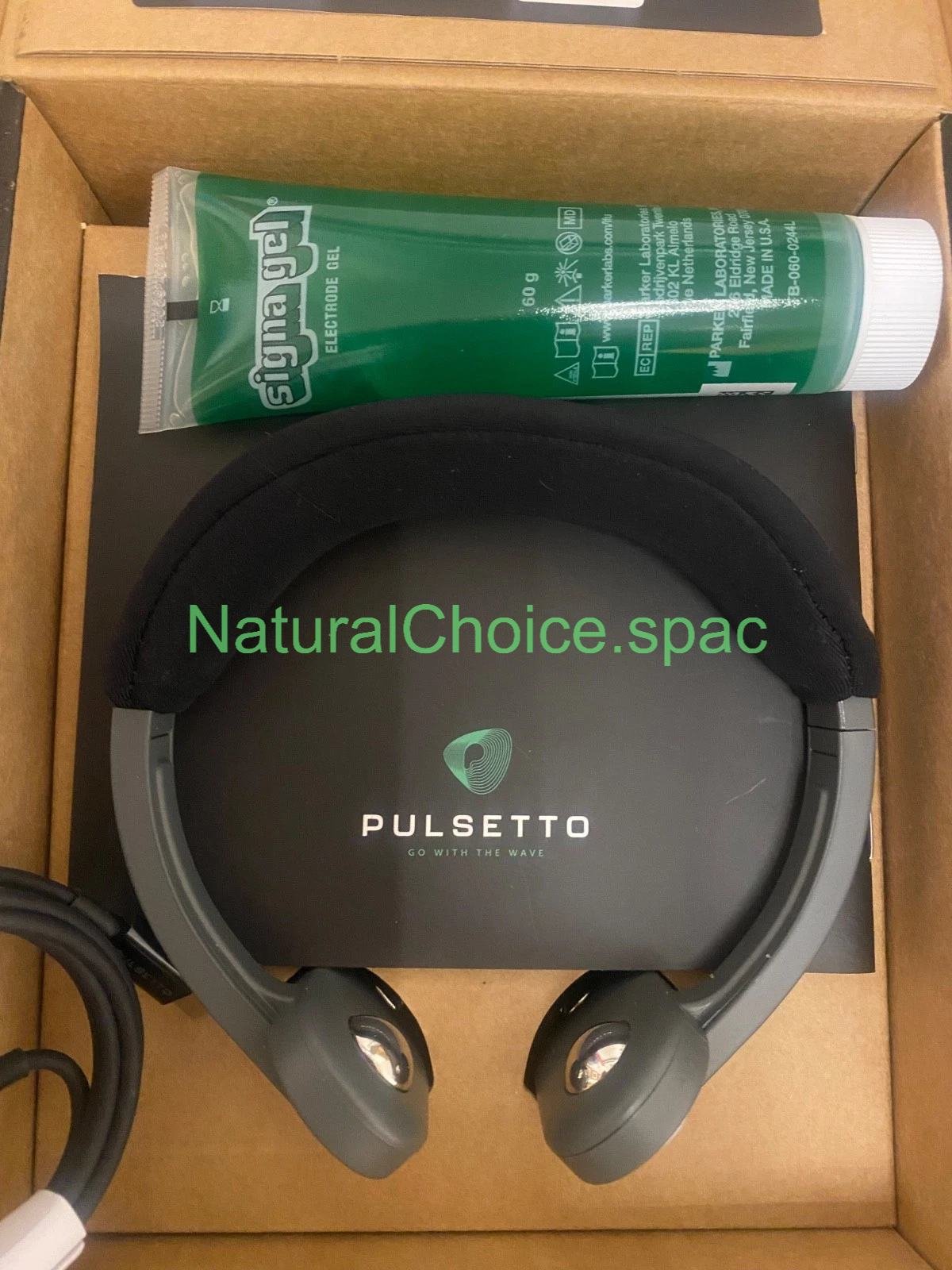
This detailed review examines Pulsetto, a wearable device designed to deliver non-invasive vagus nerve stimulation through the neck. The review looks closely at its technology, potential benefits, limitations, safety considerations, real-world practicality, scientific rationale, and overall value for people interested in supporting relaxation, stress management, and better sleep without medication. The goal is to separate what looks genuinely useful from what still needs stronger evidence before deciding whether this nervous-system wellness device deserves a place in a daily routine.
Pulsetto: Essential Details Before Buying
For shoppers who want the important details without digging through technical descriptions, Pulsetto can be understood as an app-guided, wearable wellness device that applies electrical stimulation around the neck with the intention of influencing vagal activity. Its appeal comes largely from the short sessions and hands-free design.
| Product Detail | Pulsetto Information |
|---|---|
| Product Type | Non-invasive wearable vagus nerve stimulation device |
| Primary Purpose | Designed to support relaxation, stress management, sleep preparation, and general nervous-system wellness |
| Placement | Worn around the neck with conductive gel applied to the contact area |
| Technology | Transcutaneous electrical stimulation intended to target vagal pathways |
| Session Length | Programs vary, with some sessions beginning at approximately four minutes |
| App Required | Yes. The Pulsetto mobile application controls sessions and intensity |
| Adjustable Intensity | Yes, allowing users to gradually find a comfortable stimulation level |
| Programs | Options are designed around areas such as stress, sleep, anxiety, relaxation, and general wellness |
| Conductive Gel Required | Yes, gel improves electrical contact between the electrodes and skin |
| Rechargeable | Yes, using USB-C charging |
| Suitable For | Adults seeking a non-drug wellness tool for relaxation and nervous-system support |
| Guarantee | 30-day money-back guarantee subject to the company’s return conditions |
| Overall Rating | ★★★★☆ 4.5/5 |
| Official Website | ✅ Click Here |
The strongest selling point is convenience. Unlike implanted vagus nerve stimulators used for certain medical conditions, this consumer device does not require surgery. It is designed around short sessions that can fit into an existing morning routine, work break, meditation period, or pre-bed routine.
What Is Pulsetto?
Pulsetto is a rechargeable neck-worn wellness device intended to provide transcutaneous vagus nerve stimulation. Transcutaneous simply means that stimulation is delivered through the skin rather than through surgically implanted electrodes.
The vagus nerve is one of the major communication pathways connecting the brain with organs throughout the body. It participates in several autonomic functions and is closely associated with parasympathetic activity, which becomes more dominant during periods of rest and recovery.
Pulsetto attempts to make this area of neuromodulation accessible to ordinary consumers. Conductive gel is placed on the neck before the device is fitted. Electrical impulses are then delivered through contact points while the accompanying smartphone application controls the selected program and stimulation intensity.
It should be viewed primarily as a general wellness device rather than a medical treatment. That distinction matters. Clinical vagus nerve stimulation has established uses within medicine, but evidence supporting VNS broadly should not automatically be interpreted as proof that every consumer vagus nerve device produces identical clinical effects.
What Science Says About the Idea Behind Pulsetto
The underlying concept behind Pulsetto is more scientifically interesting than many ordinary relaxation gadgets. Vagus nerve stimulation has been studied for decades, beginning largely with surgically implanted systems and later expanding into different forms of non-invasive stimulation.
Research has demonstrated that the vagus nerve has important connections with autonomic regulation. Studies examining non-invasive cervical vagus nerve stimulation have also reported measurable changes in physiological responses under certain experimental conditions.
For example, randomized research involving transcutaneous cervical VNS has found changes in sympathetic responses following stress exposure. Other clinical literature suggests that non-invasive VNS can generally be delivered without the surgical risks associated with implanted systems, although tingling, discomfort, headache, coughing, voice changes, or similar stimulation-related effects can still occur.
There is also growing research into transcutaneous vagal stimulation and autonomic markers such as heart rate variability. HRV is frequently discussed because it reflects variation between heartbeats and can provide information about autonomic regulation. However, a higher HRV reading after using a device should not automatically be interpreted as proof that stress, anxiety, insomnia, or another condition has been treated.
The biggest distinction consumers should understand is between research on VNS as a category and research specifically validating Pulsetto itself. The broader science provides a credible physiological rationale, but the evidence base surrounding the exact consumer device, its stimulation parameters, and its long-term effects is still developing.
That makes the most reasonable expectation modest: Pulsetto may become a useful relaxation and self-regulation tool, but it should not be treated as a guaranteed medical intervention.
How Pulsetto Tries to Influence the Nervous System
The working principle behind Pulsetto centers on electrical stimulation delivered through the skin of the neck. The vagus nerve carries signals between the brain and numerous areas of the body and is an important component of the parasympathetic nervous system.
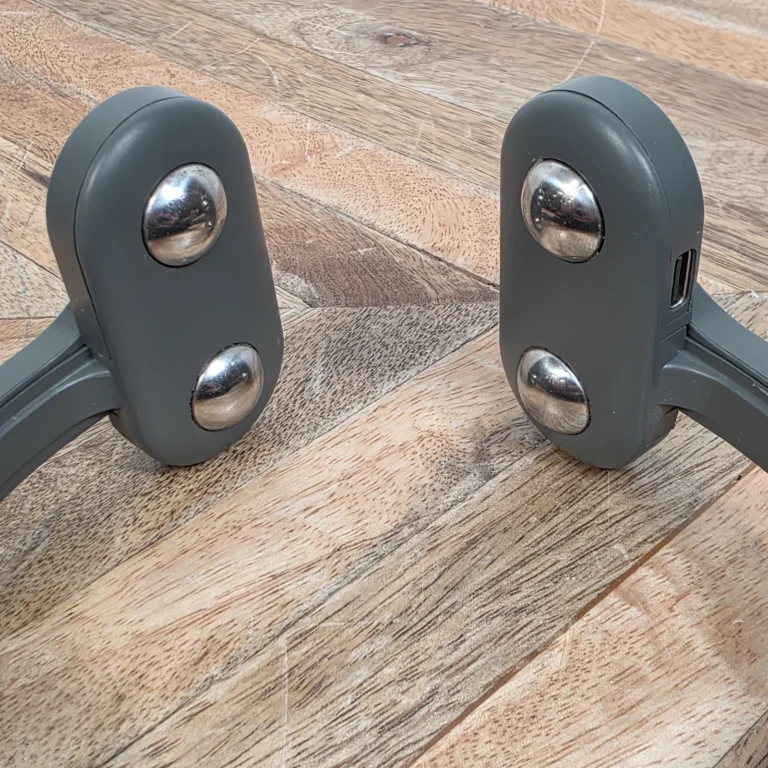
When a Pulsetto session begins, electrodes make contact with the neck through conductive gel. Controlled electrical pulses are delivered according to the program and intensity selected in the mobile application. Users generally feel a tingling, pulsing, or contracting sensation rather than complete silence from the device.
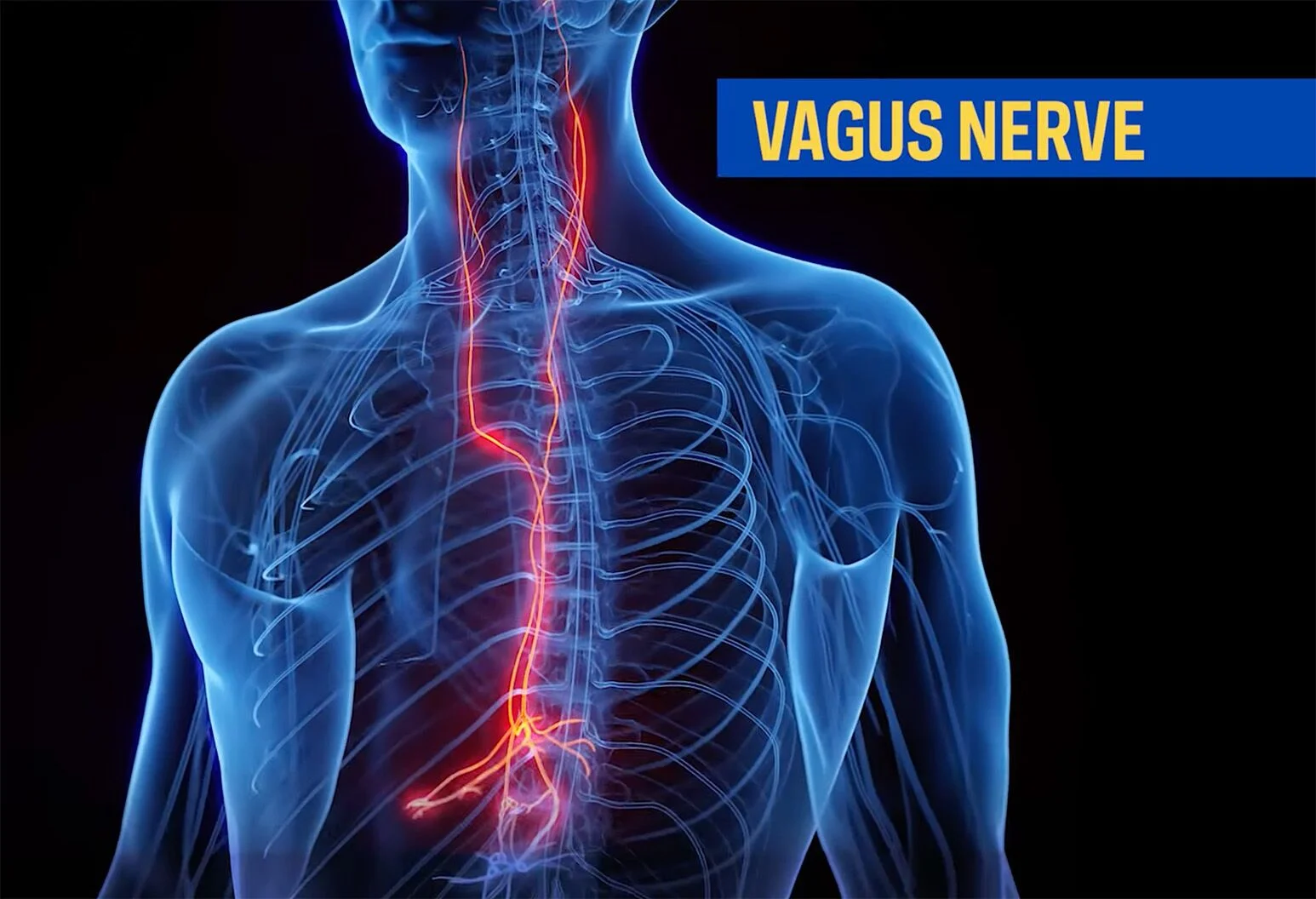
The intended effect is to stimulate pathways associated with vagal activity and encourage the body’s shift toward a calmer autonomic state. This explains why the device is positioned primarily around stress relief, relaxation, winding down, and sleep preparation.
The process is considerably more active than listening to calming music or using a meditation app because the device delivers physical electrical stimulation. At the same time, it is far less invasive than medical VNS systems requiring implanted electrodes.
Consistency is likely more realistic than expecting an instant transformation. Some people may feel noticeably calmer during or shortly after a session, while others may need repeated use before deciding whether the device produces a meaningful difference.
Pulsetto’s Most Useful Features
The design of Pulsetto focuses heavily on making neuromodulation approachable outside a clinical setting. Its strongest features relate to accessibility, customization, and the ability to build short sessions into normal routines.
- Non-invasive cervical stimulation: Pulsetto delivers stimulation through electrodes positioned against the neck rather than requiring implanted hardware. This dramatically lowers the barrier to experimenting with vagus nerve stimulation as a wellness practice and makes sessions possible at home.
- Short guided sessions: Certain programs can be completed within several minutes, which is especially practical for people who struggle to maintain longer meditation, breathing, or relaxation routines. A brief session can fit between meetings or into a bedtime routine without demanding a major schedule change.
- App-controlled operation: Rather than relying entirely on buttons located on the wearable itself, Pulsetto uses a smartphone application to manage programs and stimulation settings. The interface makes the experience easier to understand for people who have never used a neuromodulation device.
- Adjustable stimulation intensity: Sensitivity varies considerably from one person to another. Being able to start gently and increase intensity gradually makes Pulsetto considerably more approachable than a fixed-output system. The goal should be noticeable but comfortable stimulation rather than maximum intensity.
- Multiple wellness programs: Different modes allow users to choose sessions according to the situation, including relaxation or pre-sleep use. This gives the device more flexibility than a single-purpose wearable and encourages experimentation with timing.
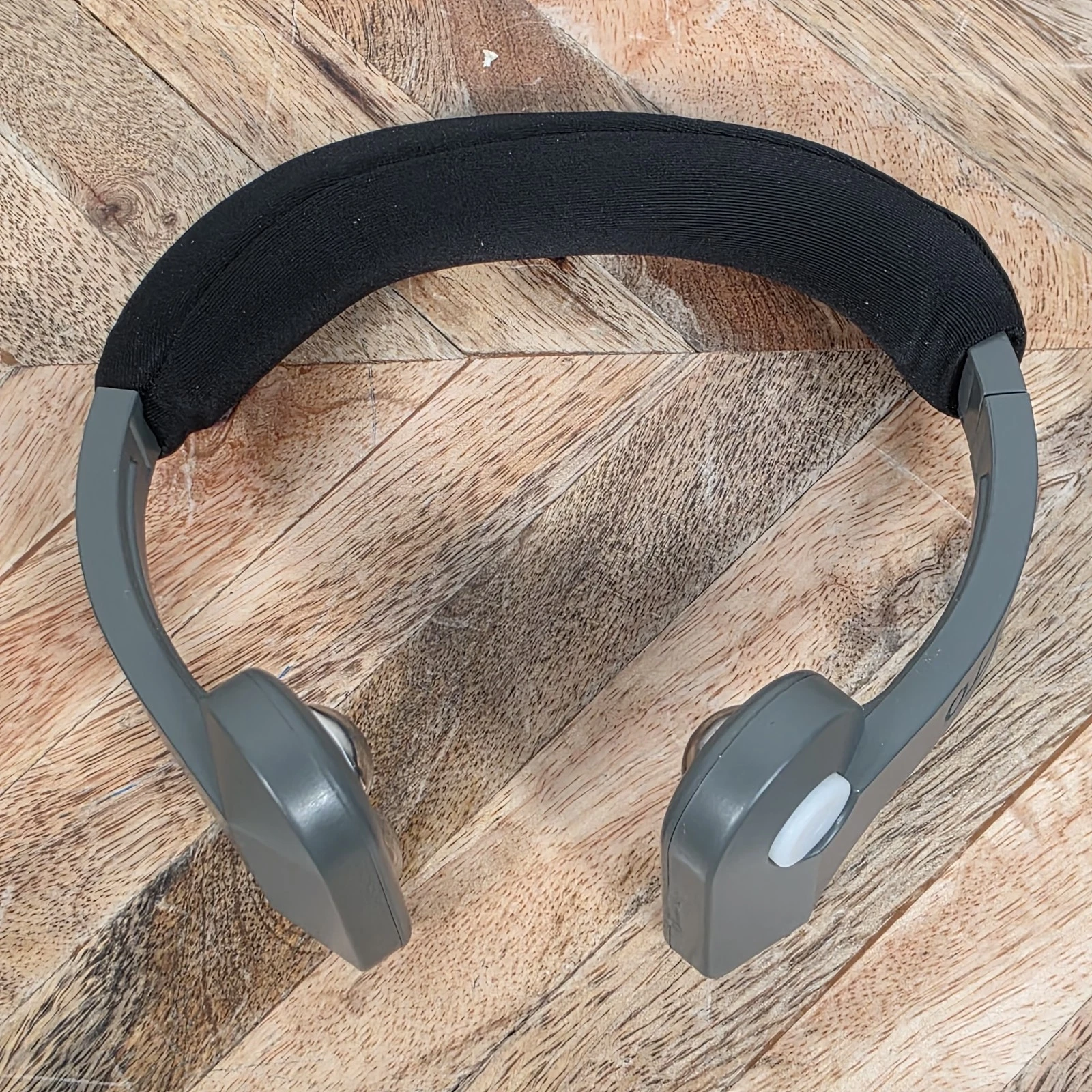
- Rechargeable wearable construction: Pulsetto is designed for repeated use rather than disposable stimulation. USB-C charging and a compact neck-worn format make it relatively easy to maintain as part of a consistent routine.
- Hands-free experience: Once positioned correctly, the device can operate while the user sits or reclines. There is no need to manually hold electrodes against the skin throughout the session, which helps the experience feel more like a relaxation routine than a treatment procedure.
- Progressive learning curve: Initial setup requires attention, particularly when learning electrode placement, gel quantity, and intensity selection. Once those steps become familiar, daily sessions require relatively little preparation.
Potential Benefits of Pulsetto
The potential advantages of Pulsetto are best viewed through the lens of nervous-system regulation rather than as guaranteed treatments for diagnosed conditions. Individual response can vary, and the evidence supporting broader VNS technology is stronger than the evidence proving every Pulsetto marketing claim.
★ May Help the Body Settle After Stress
One of Pulsetto’s most practical applications is providing a structured transition out of a stressful period. A demanding meeting, long commute, intense workout, or overstimulating day can leave the body feeling activated even when the original stressor has disappeared.
A brief stimulation session creates a deliberate period in which the body can slow down. Because cervical VNS has been investigated for its influence on autonomic activity, the mechanism is more plausible than simply wearing an ordinary vibrating relaxation gadget.
The benefit may be especially noticeable for people who understand that their biggest problem is not encountering stress but struggling to switch out of a heightened state once the stressful event has ended.
★ Can Support a More Consistent Bedtime Routine
Poor sleep often begins before a person gets into bed. Bright screens, late work, racing thoughts, irregular schedules, and physiological tension can make it difficult to transition from daytime alertness into sleep.
Pulsetto can act as a consistent pre-sleep signal. Completing the same session roughly 30 to 60 minutes before bedtime may encourage users to stop working, reduce stimulation, and dedicate a few minutes to winding down.
The device should not be presented as a cure for insomnia. Persistent sleep problems can have many causes, including sleep apnea, medication effects, mood disorders, pain, hormonal changes, and lifestyle factors. Its strongest role is as one component of a broader sleep routine.
★ Provides a Drug-Free Relaxation Option
Some people do not want to depend exclusively on supplements or medication whenever they feel tense. Pulsetto offers a different approach because it works through externally applied stimulation rather than introducing another substance into the body.
That does not automatically make it risk-free or suitable for everyone, but it does give appropriate users another option alongside breathing exercises, mindfulness, movement, sleep hygiene, and other behavioral strategies.
For users specifically interested in wellness technology, this physical approach to relaxation may feel easier to follow consistently than meditation alone.
★ May Complement Heart-Rate-Variability Awareness
HRV has become increasingly familiar because smartwatches and fitness wearables now track it automatically. Vagal activity is involved in cardiovascular regulation, which explains the interest in whether vagus nerve stimulation can affect HRV.
Pulsetto may therefore appeal to users who already monitor recovery data and want to experiment with a structured relaxation intervention. The useful approach is to examine trends rather than obsess over individual readings.
A change in HRV should also remain in perspective. HRV is influenced by sleep, exercise, illness, hydration, alcohol, stress, age, and many other variables, so Pulsetto should not receive credit or blame for every movement in the number.
★ Makes Nervous-System Training Easier to Maintain
Consistency is often the hidden difficulty with stress-management practices. A 30-minute meditation session can be effective but difficult to maintain during busy periods. Pulsetto’s short sessions reduce that time barrier.
The wearable format also adds structure. Instead of simply deciding to relax, the user selects a program, fits the device, chooses an intensity, and remains relatively still until the session finishes.
That routine can help create behavioral consistency even when the physiological effects differ between individuals.
★ May Improve the Subjective Sense of Calm
Some users report feeling calmer, sleepier, or less physiologically tense following stimulation. Those subjective changes matter even when they cannot be translated directly into a medical outcome.
A wellness device does not necessarily need to produce dramatic changes in laboratory markers to provide practical value. If a short session reliably helps an otherwise healthy adult disengage from work and transition into a calmer evening routine, that can still be meaningful.
Expectations should remain sensible. Pulsetto is more convincing as a nervous-system wellness tool that may support relaxation than as a device that guarantees major improvements in anxiety, sleep disorders, cardiovascular health, or chronic disease.
Pulsetto Compared With Popular Vagus-Nerve Wellness Devices
The strongest competitive argument for Pulsetto is accessibility. Many consumer nervous-system devices are expensive, use different stimulation locations, require subscriptions, or rely on entirely different forms of sensory stimulation.
The table below compares Pulsetto with the general characteristics commonly found among established premium wellness devices in this category without focusing on one named competitor.
| Category | Pulsetto | Typical Popular Premium Alternative |
|---|---|---|
| Stimulation Approach | Uses electrical stimulation applied externally at the neck with the intention of influencing vagal pathways. | May use cervical stimulation, ear stimulation, vibration, acoustic resonance, or another proprietary relaxation technology. |
| Ease of Starting | Guided through an app, with relatively simple placement once the user understands how much conductive gel and intensity to use. | Setup varies considerably. Some are extremely simple, while others involve precise electrode positioning or accessories. |
| Session Convenience | Short programs make it realistic to use before work, after stress, or near bedtime. | Many competing systems also offer brief sessions, although some relaxation wearables require longer programs. |
| Hands-Free Use | Neck-worn design allows the user to sit comfortably while the session runs. | Some competitors are wrist-based, ear-based, handheld, or placed on the chest, creating a different user experience. |
| Intensity Control | Electrical stimulation can be adjusted according to comfort. | Electrical competitors generally provide intensity adjustment, while vibration-based devices may control pattern instead. |
| Consumables | Conductive gel is required for effective electrode contact, creating an additional maintenance step. | Some alternatives require no gel, which can make them cleaner and slightly easier for spontaneous use. |
| App Dependence | The mobile app forms an important part of program selection and control. | App dependence varies. Some premium devices work largely through an app, while others operate directly from the hardware. |
| Portability | Compact enough for travel, although the device, charging cable, and gel need to be carried together. | Smaller ear- or wrist-based competitors can sometimes be more discreet for travel or workplace use. |
| Scientific Positioning | Based on the broader scientific field of non-invasive vagus nerve stimulation, although Pulsetto-specific evidence remains developing. | Evidence differs considerably among competitors. Some have stronger device-specific clinical research, while others rely mostly on general wellness concepts. |
| User Experience | Designed around short guided routines and relatively direct stimulation that can be physically felt. | Competing technologies may feel gentler or less noticeable, which some users prefer and others find less convincing. |
| Value Proposition | Strong for buyers who want a dedicated vagus nerve wellness device without entering the highest premium price tier. | Premium competitors can cost substantially more, particularly when subscriptions or replacement accessories are involved. |
| Best Fit | Particularly attractive for users who prioritize short sessions, cervical stimulation, adjustability, and an approachable consumer design. | May be preferable for users who strongly dislike conductive gel, want ear stimulation, or prefer less noticeable sensory stimulation. |
Pulsetto is therefore not automatically superior in every area. Devices using ear stimulation may appeal to people who dislike neckwear, while vibration-based alternatives avoid conductive gel completely.
Where Pulsetto becomes competitive is the combination of dedicated vagus nerve stimulation, short routines, adjustable intensity, hands-free operation, and relatively straightforward daily use. It occupies a useful middle ground between inexpensive generic electrical stimulation products and some of the more expensive specialized nervous-system devices.
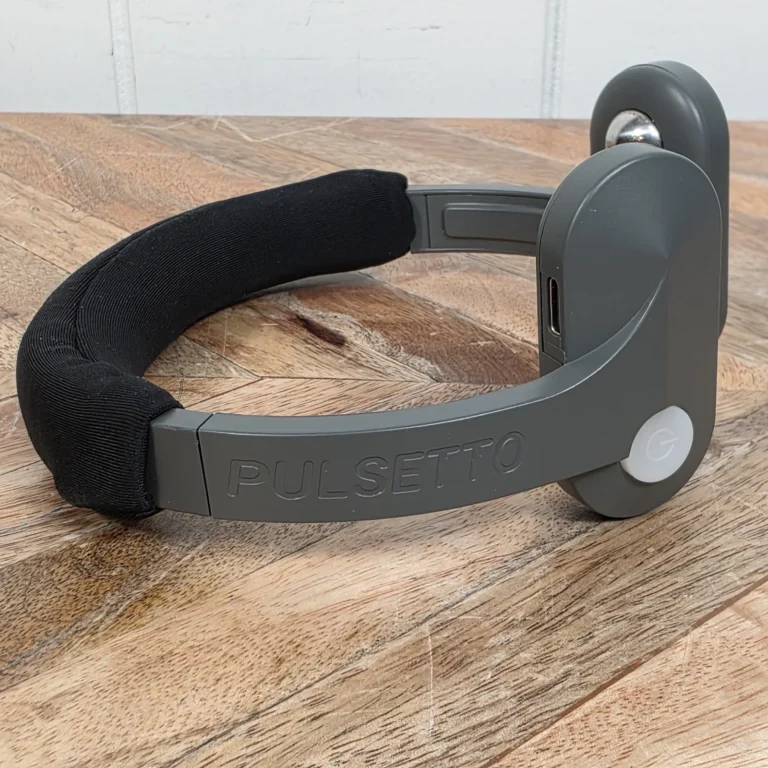
Pulsetto Rating: 4.5 Out of 5
After weighing practicality, technology, usability, scientific rationale, limitations, and overall positioning, Pulsetto earns an editorial score of 4.5 out of 5.
Overall Rating: ★★★★☆ 4.5/5
Technology and Concept: ★★★★★ 4.7/5
The concept is compelling because it draws from a genuine field of neuromodulation research rather than depending entirely on vague wellness language. The deduction reflects the fact that broader VNS evidence should not be confused with definitive proof for every Pulsetto-specific claim.
Ease of Use: ★★★★☆ 4.5/5
After the initial learning period, operation is simple. The app provides guidance, programs are easy to start, and intensity can be adjusted. Conductive gel adds one extra step that prevents the system from feeling completely effortless.
Comfort and Convenience: ★★★★☆ 4.4/5
Short, hands-free sessions are convenient, but fit and stimulation sensation remain personal. Some users may need time to find the right positioning and intensity.
Stress-Management Potential: ★★★★☆ 4.6/5
Pulsetto makes the most sense as a structured relaxation tool. The physiological rationale is credible and short sessions make consistency realistic, although individual results cannot be guaranteed.
Sleep-Routine Support: ★★★★☆ 4.5/5
The device fits particularly well into a pre-bed routine because it gives users a specific period to disengage from stimulation and prepare for rest. It should complement rather than replace established sleep-health practices.
Overall Value: ★★★★☆ 4.5/5
Pulsetto earns a strong overall score because it combines an interesting technology with practical implementation. The rating reflects editorial assessment of the product experience and scientific rationale, not proof that Pulsetto clinically treats stress, anxiety, insomnia, or another medical condition.
How to Use Pulsetto Correctly
Using Pulsetto becomes relatively straightforward after the first setup. Correct placement, adequate conductive gel, and gradual intensity adjustment are more important than immediately trying to maximize stimulation.
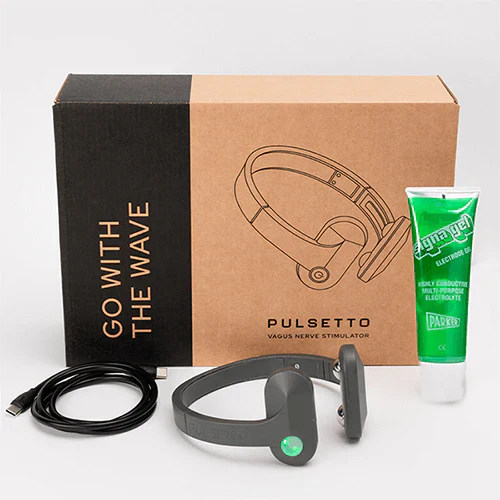
1. Unbox Pulsetto and inspect the device. Make sure the wearable, cable, conductive gel, and instructions are available before beginning.
2. Download the Pulsetto app. The application is available through Google Play and the App Store.
3. Create an account and complete the introductory guide. The onboarding process explains basic positioning, pairing, and stimulation controls.
4. Apply conductive gel to the appropriate neck contact area. Adequate gel helps create consistent electrical contact and can make stimulation feel smoother.
5. Position Pulsetto comfortably around the neck. The contact points should remain correctly positioned without making the wearable excessively tight.
6. Turn on and pair the device. Use the app to confirm the connection before selecting a session.
7. Choose the appropriate program. Select a mode based on the immediate goal, such as daytime relaxation or evening wind-down.
8. Begin at low intensity. Gradually increase stimulation until a clear but comfortable tingling or pulsing sensation is noticeable.
9. Complete the selected program while relaxing. Sitting or reclining comfortably can make the session easier to evaluate without other distractions.
10. Clean the neck and device afterward. Remove remaining conductive gel from the skin and contact areas according to the device-care instructions.
A Sensible Starting Routine
Beginners using Pulsetto should resist the temptation to use high intensity immediately. More powerful stimulation does not automatically mean better results.
A practical starting approach is to try a relaxation-oriented session during the morning or after a predictable period of daily stress. A sleep-oriented session can then be tested approximately 30 to 60 minutes before bedtime.
Begin with the lowest comfortable intensity and increase gradually. The sensation should be noticeable without becoming painful. Any sharp pain, significant dizziness, unusual heart symptoms, or persistent discomfort is a reason to stop using the device and seek appropriate medical advice.
Pulsetto Pros and Cons
No wellness wearable will suit everyone, and Pulsetto has several genuine advantages alongside inconveniences buyers should understand before ordering.
| Pros | Cons |
|---|---|
| Short sessions are genuinely practical. Programs that can be completed in only a few minutes reduce the friction that often causes people to abandon meditation or lengthy relaxation routines. | Conductive gel is required. Gel improves electrical contact but adds preparation and cleanup. People expecting a completely grab-and-go wearable may find this mildly annoying. |
| The technology has a credible physiological basis. Vagus nerve stimulation is an established scientific field, giving Pulsetto a stronger rationale than wellness gadgets built entirely around vague claims. | Pulsetto-specific evidence remains limited. Research on VNS broadly cannot establish that Pulsetto produces every outcome sometimes associated with vagal stimulation. |
| Intensity is customizable. Users can gradually find a level that produces noticeable stimulation without unnecessarily pushing into discomfort. | The stimulation sensation will not appeal to everyone. Tingling and pulsing around the neck can initially feel unusual, particularly for people sensitive to electrical stimulation. |
| The wearable design is hands-free. Once fitted, the user can relax instead of holding a stimulation device against the neck for the entire session. | App dependence can become frustrating. Users who prefer standalone hardware may dislike relying on a smartphone for program selection, pairing, and other functionality. |
| It can fit naturally into morning or bedtime routines. The strongest practical use may simply be providing a consistent period in which the nervous system is deliberately encouraged to settle. | Results vary considerably. Some people may notice relaxation quickly, while others may experience only subtle changes or decide that the device adds little beyond their existing routine. |
| The 30-day return period lowers the purchasing risk. Buying through the qualifying official sales channel gives users time to decide whether the sensation, routine, and perceived benefits justify keeping the device. | Return conditions still matter. Original packaging, timing, device condition, shipping-related charges, and other terms can affect refund eligibility, so buyers should read the current policy rather than assuming every purchase is automatically refundable. |
Possible Pulsetto Side Effects
The most likely side effects associated with Pulsetto are related to electrical stimulation and skin contact rather than systemic drug effects. Possible experiences can include tingling, temporary redness where electrodes touch the skin, mild irritation from gel, muscle twitching, local discomfort, or an unpleasant sensation when intensity is set too high.
Broader research on non-invasive VNS has also documented stimulation-related effects such as headache, coughing, throat sensations, voice changes, and discomfort in some users. These findings do not mean every Pulsetto user will experience them, but they reinforce the importance of starting gradually.
Stop the session if stimulation causes significant pain, dizziness, faintness, abnormal heart sensations, difficulty breathing, or another concerning reaction. Persistent or severe symptoms require professional medical evaluation rather than repeatedly experimenting with intensity.
How Safe Is Pulsetto for Routine Use?
For appropriately selected adults, Pulsetto is designed for non-invasive at-home wellness use, and the absence of surgery avoids many of the risks associated with implanted VNS systems. The stimulation intensity is adjustable, and beginners should always start low rather than assuming stronger stimulation is more effective.
Pulsetto states that the device is FCC certified. It is important to understand that FCC compliance should not be interpreted as FDA approval or proof that the device treats a medical condition. Pulsetto is positioned as a general wellness product, and anyone with a significant cardiovascular, neurological, implanted-device, or other relevant medical history should speak with a qualified healthcare professional before use.
Understanding the Pulsetto Indicator Lights
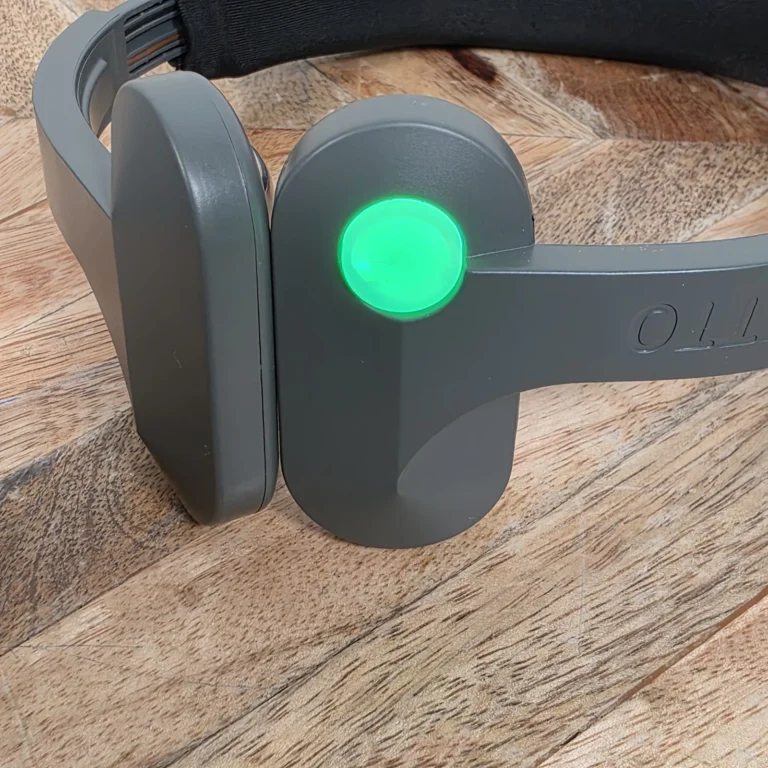
The status lights on Pulsetto provide a quick visual indication of what the device is currently doing.
- 🟣 Glowing Purple Light: The stimulation session has started and the device is actively running the selected program.
- 🔵 Glowing Blue Light: The device is booting and preparing for operation.
- 🔴 Glowing Red Light: Pulsetto is connected to power and charging.
- 🟢 Glowing Green Light: The device is ready to pair with the Pulsetto application.
Knowing these signals makes setup much easier because connection or charging problems can often be identified before beginning a session.
Can Pulsetto Be Used With a Medical Condition?
A medical diagnosis changes the risk calculation considerably. Pulsetto should not be treated as an alternative to prescribed treatment, and anyone with a relevant medical history should obtain professional advice before applying electrical stimulation near the neck.
Manufacturer contraindications include people with certain active implanted electronic devices, such as pacemakers, as well as some implants located at or near the neck. Safety has also not been established for several populations and conditions, including pregnancy, certain cardiovascular disorders, abnormal heart rhythms, seizure history, previous cervical vagotomy, abnormal neck anatomy, and some neurological histories.
The most responsible approach is simple: when an existing medical condition could affect the heart, nervous system, circulation, neck anatomy, or implanted electronics, medical clearance should come before experimentation.
Who Is Pulsetto Best Suited For, and Who Should Avoid It?
Pulsetto is most appealing to people who want an active relaxation technology rather than another passive tracker. It is not equally appropriate for every user.
People Who May Find Pulsetto Useful
- Adults dealing with everyday stress: Someone who frequently finishes the workday feeling mentally and physically switched on may appreciate having a structured four-to-several-minute decompression routine.
- People struggling to establish a wind-down habit: Pulsetto gives bedtime relaxation a specific beginning and ending rather than relying on the vague intention to relax before sleeping.
- Wellness-technology enthusiasts: People already tracking HRV, recovery, resting heart rate, or sleep may find experimenting with a nervous-system intervention more interesting than adding another monitoring device.
- People who struggle with meditation: Sitting quietly without structure can be difficult. Physical stimulation and a guided timer provide something concrete to focus on while relaxing.
People Who Should Avoid It or Seek Medical Advice First
- People with implanted electronic medical devices: Pacemakers and other active electronic implants create important safety considerations with externally applied electrical stimulation.
- People with significant cardiovascular conditions: Abnormal rhythms, substantial blood-pressure abnormalities, serious cardiac disease, or unexplained fainting warrant professional assessment first.
- Pregnant users and younger individuals: Safety has not been adequately established across these populations for routine consumer use.
- People with seizure or serious neurological histories: A healthcare professional familiar with the person’s condition should determine whether vagal stimulation is appropriate.
- Anyone experiencing pain or significant adverse effects during use: Persistent discomfort should never be treated as evidence that the stimulation is working.
What Could Be Better About Pulsetto?
Although Pulsetto has a strong concept, several practical issues keep it from receiving a perfect score.
- The gel requirement reduces spontaneity: Pulsetto cannot always be pulled from a bag and used instantly. Applying gel and cleaning the electrodes afterward creates a small but noticeable amount of friction.
- More independent device-specific research would strengthen confidence: The broader field of VNS is legitimate, but stronger independent trials examining Pulsetto’s exact stimulation parameters and long-term outcomes would make its marketing claims easier to evaluate.
- The app plays a very large role: Smartphone integration is helpful when everything connects correctly, but dependence on Bluetooth, account access, app updates, and software inevitably creates extra points of failure.
- Results cannot be predicted in advance: The 30-day guarantee is useful partly because physiological response is personal. One user may find the sessions deeply relaxing while another notices little beyond the stimulation sensation.
- Some customer complaints deserve attention: Public reviews include positive reports about relaxation and sleep, but complaints also exist around subscriptions, returns, setup, and customer service. Buyers should carefully review checkout options and recurring charges before confirming an order.
Is Pulsetto a Scam?
There is little basis for describing Pulsetto as a scam simply because individual results vary. It is a real physical device with a mobile application, documented operating instructions, customer support infrastructure, a published return policy, and a technology built around the legitimate scientific field of vagus nerve stimulation.
That does not make every advertising statement equally proven. The sensible distinction is that Pulsetto appears to be a legitimate wellness product operating in an emerging consumer neuromodulation category, while some outcome claims remain more ambitious than the Pulsetto-specific clinical evidence currently available. Buyers should approach it with realistic wellness expectations rather than expecting a guaranteed treatment for a medical disorder.
Pulsetto Alternatives Available Through Amazon and Other Retailers
Consumers considering Pulsetto may also encounter several nervous-system and relaxation wearables through Amazon or other major online retailers. Availability changes frequently, so the exact marketplace listing should always be checked before purchasing.
- Apollo Neuro: This wearable uses patterned vibrations rather than cervical electrical stimulation. It is designed around relaxation, recovery, focus, and sleep-related routines. The experience is substantially different from Pulsetto, making Apollo more appropriate for someone who dislikes neck electrodes or conductive gel.
- Sensate: Sensate is placed on the chest and combines vibration or resonance-based stimulation with guided audio experiences. It aims to create a deeply relaxing sensory session rather than directly reproducing Pulsetto’s electrical cervical stimulation method.
- General TENS-style neck stimulators: Amazon carries numerous inexpensive electrical stimulation products positioned around neck comfort or relaxation. These should not automatically be treated as true equivalents to a dedicated vagus nerve stimulation device. Electrode placement, waveform, output parameters, intended purpose, and safety documentation can differ substantially.
- Auricular stimulation products: Some products target regions of the outer ear associated with vagal pathways instead of the cervical region. This approach has its own body of transcutaneous VNS research, although product quality and actual stimulation parameters differ widely between consumer devices.
Pulsetto remains appealing for shoppers specifically looking for hands-free cervical stimulation with guided programs, while alternatives may make more sense for people who prioritize gel-free use or a different stimulation location.
Pulsetto’s 30-Day Money-Back Guarantee
Ordering Pulsetto through the qualifying official sales channel provides access to a 30-day money-back guarantee, which is particularly valuable for a product where comfort and perceived results vary between individuals.
The current return policy states that customers should initiate the return within the required period after delivery. Products generally need to be returned in appropriate condition and with the original packaging and accessories. Return-label or shipping-related costs may apply depending on location, while certain charges such as subscription fees may fall outside the physical-device refund.
Most importantly, the guarantee should not be assumed to apply to a device purchased from an unrelated marketplace, private seller, or unauthorized reseller. Customers who want the protection associated with the advertised guarantee should purchase through the official qualifying sales channel and retain their order confirmation and original packaging until they decide to keep the device.
The policy adds meaningful reassurance, but buyers should read the latest return conditions at the time of purchase because shipping fees, return procedures, eligibility requirements, and regional terms can change.
Frequently Asked Questions About Pulsetto
Q: What is Pulsetto designed to do?
A: Pulsetto is designed as a non-invasive wellness device that provides electrical stimulation around the neck with the intention of stimulating vagal pathways. Its programs are primarily positioned around relaxation, stress management, sleep preparation, and nervous-system regulation. It should not be considered a replacement for medical treatment of anxiety disorders, insomnia, cardiovascular disease, depression, epilepsy, or another diagnosed condition.
Q: How quickly can someone notice a difference?
A: Response varies considerably. Some people describe feeling physically calmer during or shortly after stimulation, while others require repeated sessions before deciding whether the routine is helping. A brief feeling of tingling should also not be confused with proof of a physiological benefit. Evaluating changes over several weeks is more sensible than judging the device after one session.
Q: Does Pulsetto actually stimulate the vagus nerve?
A: The device is designed to deliver transcutaneous electrical stimulation at the neck with the goal of engaging vagal pathways. Cervical non-invasive vagus nerve stimulation is a genuine area of scientific research. However, evidence supporting the general method should remain separate from proof regarding the precise effect size produced by this particular consumer device.
Q: Can Pulsetto replace anxiety or sleep medication?
A: Pulsetto should not be used to independently discontinue medication or replace treatment prescribed for a medical or psychiatric condition. Its most appropriate role is as a wellness or relaxation tool. Anyone considering changing medication because symptoms appear improved should discuss that decision with the prescribing clinician.
Q: Is conductive gel really necessary?
A: Conductive gel helps establish consistent contact between the electrodes and skin, allowing electrical stimulation to be transmitted more predictably. Skipping the gel may make stimulation less consistent or less comfortable. Using the device according to its instructions is preferable to improvising with unrelated products.
Q: How strong should the intensity be?
A: Beginners should start at the lowest stimulation level and increase gradually until a comfortable tingling or pulsing sensation is noticeable. Increasing intensity beyond comfort does not prove that the vagus nerve is being stimulated more effectively. Pain, significant dizziness, or unusual cardiovascular symptoms are reasons to stop the session.
Q: Can Pulsetto be used every day?
A: The product is designed around regular use, but daily use still needs to follow the current manufacturer’s guidance regarding session length, spacing, and total stimulation time. People with medical conditions or unexpected symptoms should obtain individual medical advice rather than simply increasing frequency.
Q: Is Pulsetto worth buying?
A: Pulsetto makes the most sense for someone who is specifically interested in non-invasive vagus nerve stimulation, wants a structured stress-relief routine, is comfortable using an app and conductive gel, and understands that results are individual. The combination of short sessions and a return window makes it more attractive, although shoppers expecting guaranteed clinical improvements should lower their expectations.
Final Verdict: Where Pulsetto Fits Best
Pulsetto is one of the more interesting wellness wearables because its central idea is connected to an established area of neuroscience rather than a completely invented mechanism. Non-invasive vagus nerve stimulation continues to receive scientific attention, and the ability to experiment with cervical stimulation at home gives Pulsetto genuine appeal for people interested in nervous-system regulation.
Its strongest qualities are short sessions, adjustable intensity, hands-free use, app-guided programs, and a clear focus on relaxation and sleep preparation. The main compromises are conductive gel, dependence on the mobile app, variable individual results, and the need for considerably more independent Pulsetto-specific research before broad wellness claims can be treated as established clinical outcomes.
For adults who understand those limitations and want a structured, drug-free addition to their stress-management or evening routine, Pulsetto earns a strong 4.5/5 editorial rating. Anyone interested in trying it should purchase through the qualifying official sales channel, begin at a comfortable intensity, use it consistently enough to make a fair assessment, and take advantage of the return period if the experience does not justify the cost.
References
- Ben-Menachem E, Revesz D, Simon BJ, Silberstein S. Surgically implanted and non-invasive vagus nerve stimulation: a review of efficacy, safety and tolerability. European Journal of Neurology. PubMed. This peer-reviewed review discusses the established uses, adverse effects, and development of non-invasive VNS systems. PubMed study
- Gurel NZ, et al. Transcutaneous cervical vagal nerve stimulation reduces sympathetic responses to stress in posttraumatic stress disorder: a randomized, sham-controlled trial. PubMed. The study evaluated physiological responses to stress following active versus sham cervical vagus nerve stimulation. PubMed clinical trial
- Jigo M, Carmel JB, Wang Q, Rodenkirch C. Transcutaneous cervical vagus nerve stimulation improves sensory performance in humans: a randomized controlled crossover pilot study. Scientific Reports / PubMed. The research examined cervical stimulation, sensory performance, and physiological measures in human participants. PubMed randomized study
- Matsuoka Y, Yamaguchi T, Fujiwara T. Transcutaneous auricular vagus nerve stimulation in healthy individuals, stroke, and Parkinson’s disease: a narrative review of safety, parameters, and efficacy. PubMed. This review discusses safety findings and emphasizes the continuing need for better standardization and validation of stimulation parameters. PubMed safety review
- National Library of Medicine, PubMed Central. Surgically implanted and non-invasive vagus nerve stimulation: efficacy, safety and tolerability. This full-text scientific resource provides additional background on the development and safety considerations of VNS technologies. NIH PubMed Central full text
Disclaimer
This Pulsetto review is intended for informational and educational purposes and does not provide medical advice, diagnosis, or treatment. Pulsetto is discussed as a general wellness product. Anyone who is pregnant, has an implanted electronic device, cardiovascular disease, a seizure history, another significant medical condition, or concerns about vagus nerve stimulation should consult a qualified healthcare professional before use. Individual experiences and results can vary.