

Prostate health becomes an increasingly important concern as men grow older, particularly when ordinary activities such as sleeping through the night or emptying the bladder begin to feel less predictable. Benign prostatic hyperplasia (BPH), commonly called an enlarged prostate, becomes more prevalent with age and can contribute to frequent urination, weak urinary flow, and difficulty completely emptying the bladder. These changes can affect sleep, confidence, and everyday comfort, making prostate health an important part of healthy aging.
After years of writing about nutritional supplements and examining the research behind their ingredients, I’ve learned that a lengthy ingredient list doesn’t automatically make a product effective. What interests me is whether the formula makes scientific sense, whether its benefits are realistic, and whether the manufacturer provides enough information to support a confident purchasing decision.
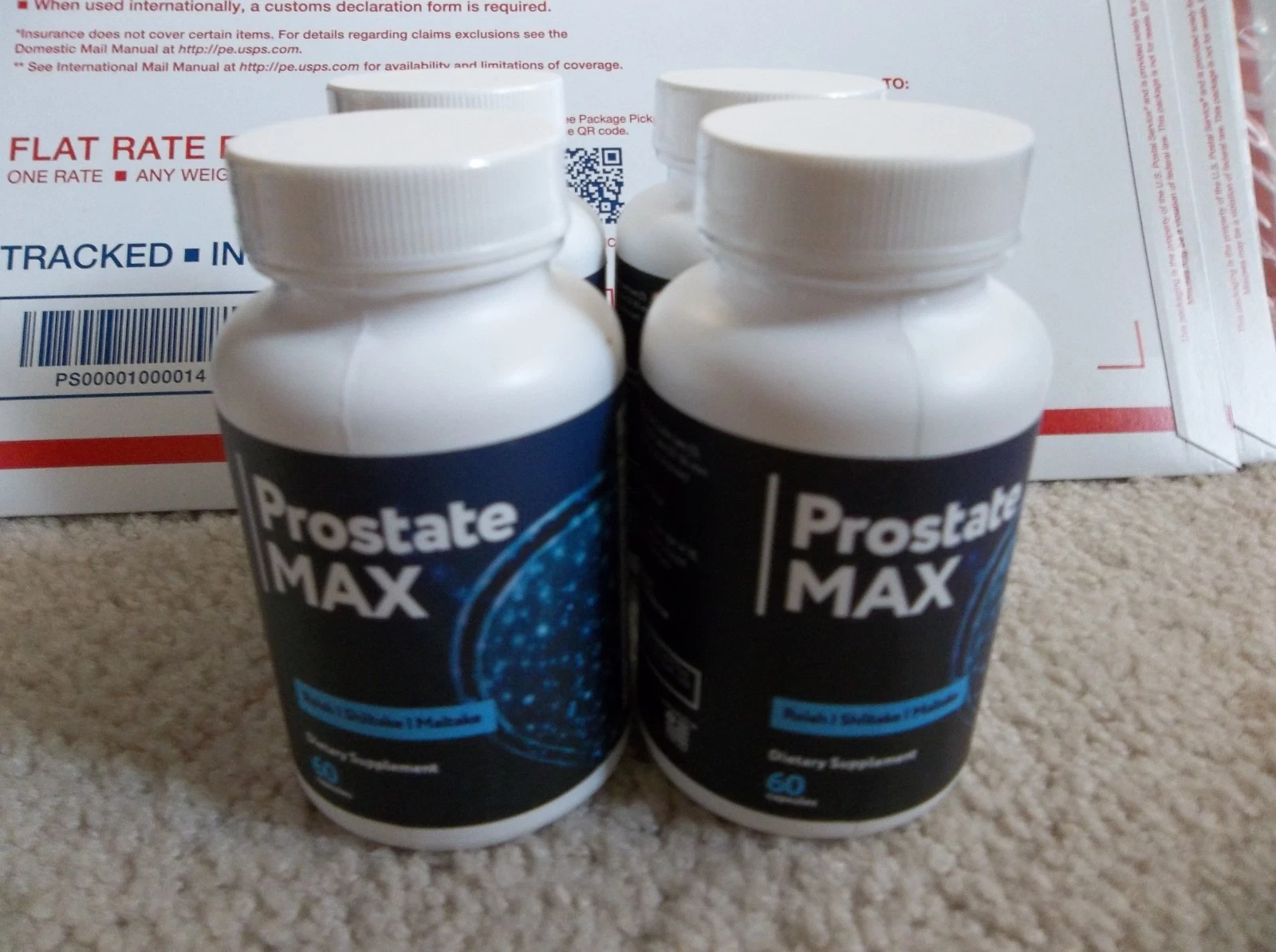
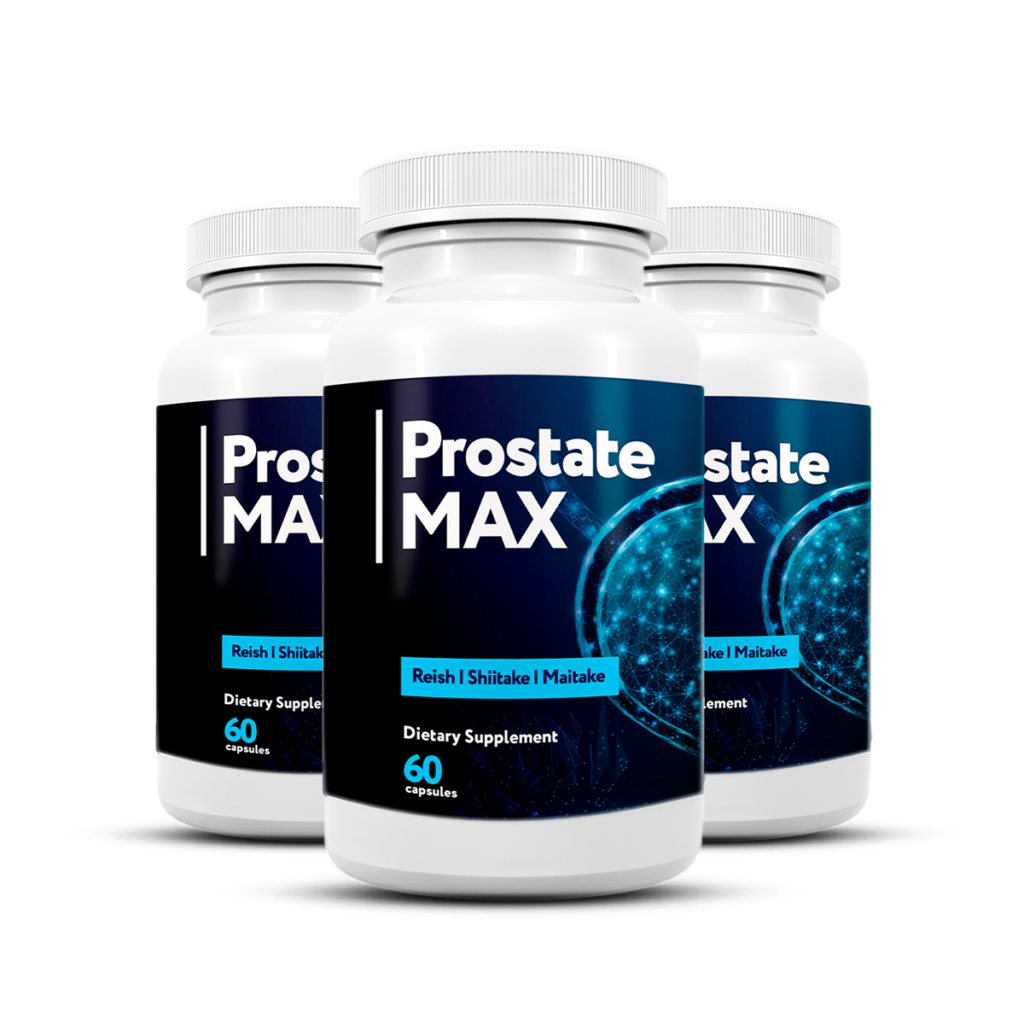
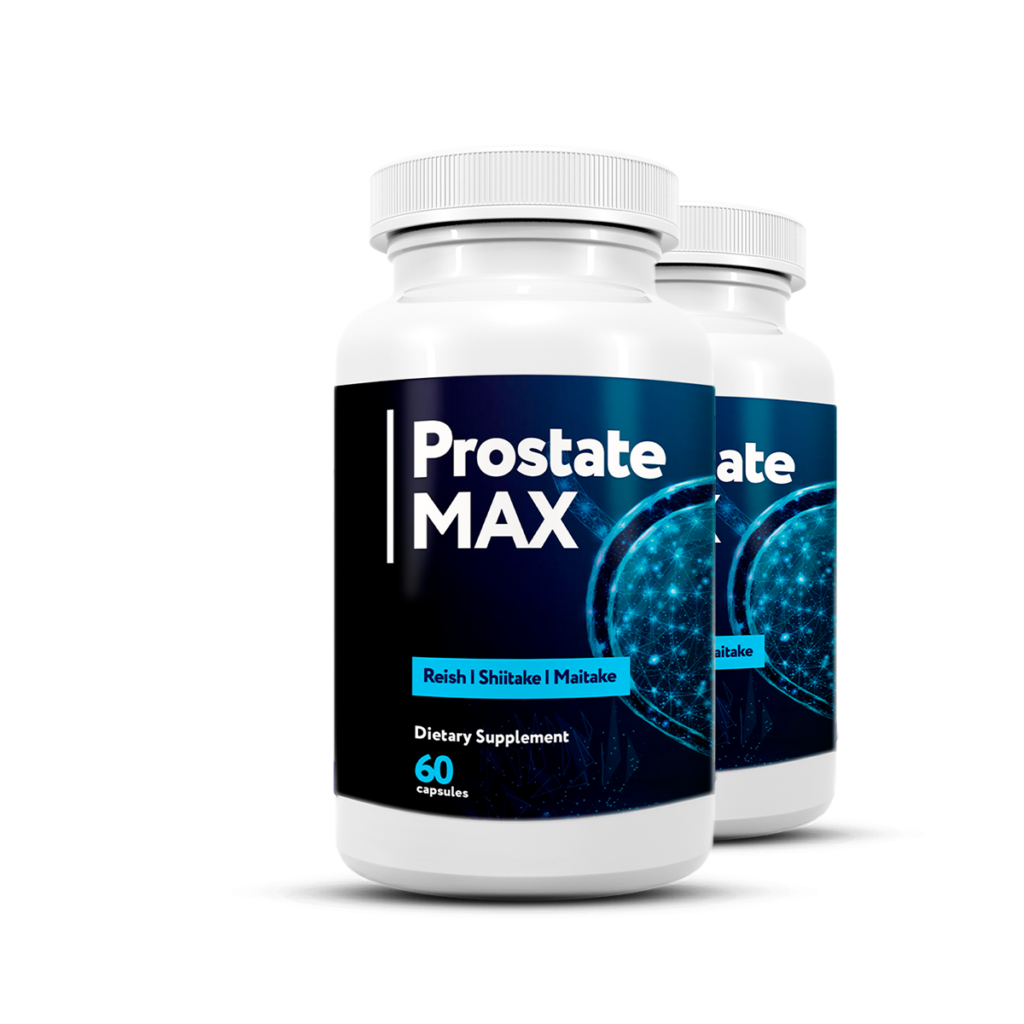
For this review, I’m examining whether Prostate Max is a scam or a legitimate supplement. Prostate Max is a dietary supplement developed to support prostate wellness and urinary comfort. I’ll look closely at its ingredients, proposed benefits, possible side effects, daily dosage, and available research. I’ll also examine its purchasing terms and limitations so readers can decide whether this supplement deserves a place in their prostate health routine.
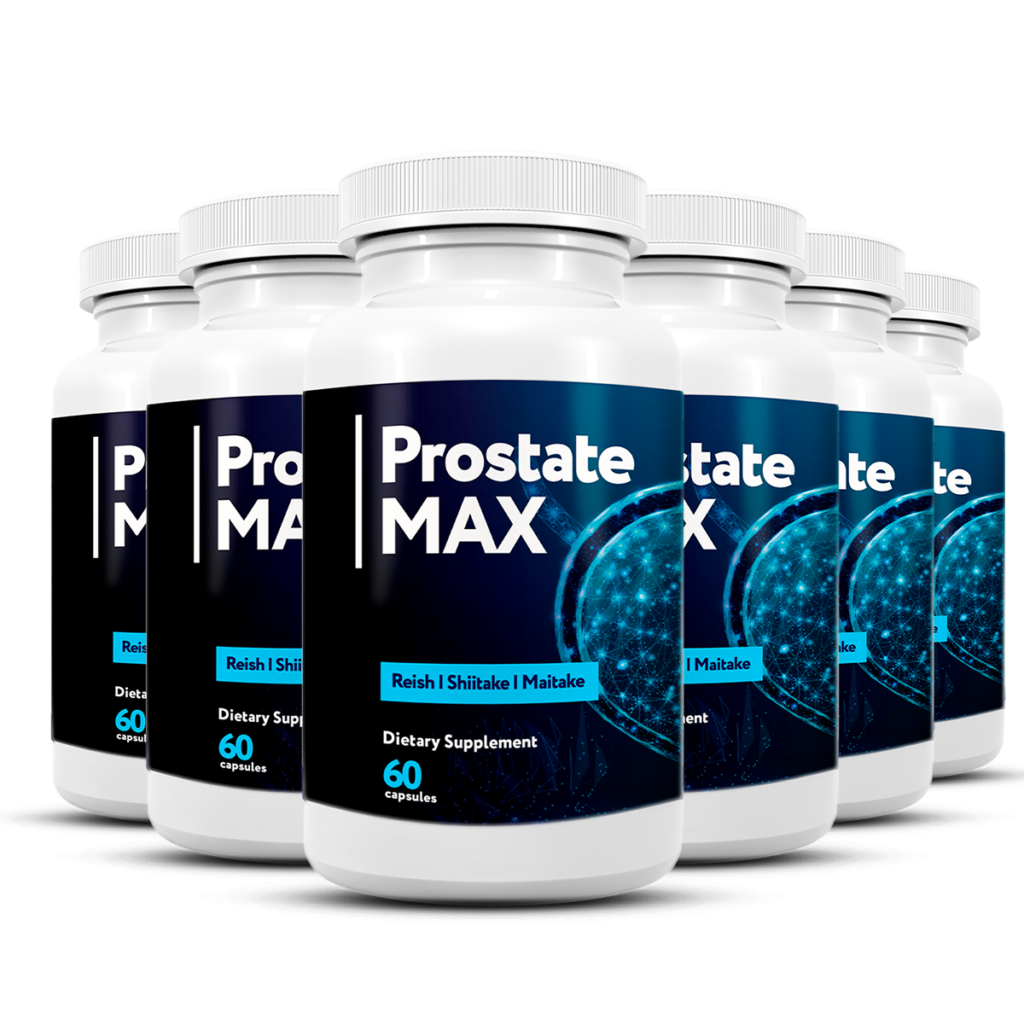
Prostate Max Overview: Essential Product Information
Before examining the formulation, I find it useful to organize the main product details in one place. The following overview summarizes the supplied product information, including its intended purpose, ingredient profile, recommended serving, and purchasing considerations.
| Product Information | Details |
|---|---|
| Product Name | Prostate Max |
| Product Category | Dietary supplement for men’s prostate wellness |
| Primary Purpose | Supports prostate health, urinary comfort, and overall male wellness |
| Supplement Form | Easy-to-swallow capsules |
| Recommended Dosage | 2 capsules daily |
| Key Botanical Ingredients | Saw palmetto, pygeum, nettle, green tea, plant sterols, and medicinal mushroom extracts |
| Additional Nutrients | Vitamin E, vitamin B6, zinc, copper, and selenium |
| Total Listed Ingredients | 18 |
| Intended Audience | Adult men interested in maintaining prostate and urinary health |
| Proposed Mechanisms | Hormonal pathway support, antioxidant activity, and nutritional support for prostate tissues |
| Manufacturing Information | Marketed as manufactured in FDA-registered facilities; independent verification not established |
| Common Allergen Information | Marketed as free from common allergens; buyers should verify the complete label |
| Prescription Required | No |
| Clinical Evidence | Research exists for individual ingredients, but product-specific clinical effectiveness has not been established |
| Money-Back Guarantee | Advertised 60-day guarantee for qualifying official-website purchases; current written terms should be verified |
| My Formula-Focused Rating | ★★★★☆ 4.5/5 |
| Official Website | ✅ Click Here |
My initial assessment: The most interesting aspect of Prostate Max is its combination of traditional prostate-support botanicals with essential minerals, antioxidants, and mushroom-derived compounds. This gives the formulation broader nutritional coverage than many simple saw palmetto supplements, although its effectiveness ultimately depends on ingredient concentrations, quality, and individual response.
What Exactly Is Prostate Max?
Prostate Max is a dietary supplement marketed toward adult men who want additional nutritional support for their prostate gland, bladder comfort, and general well-being. Its formula combines botanical extracts with vitamins, minerals, and naturally occurring plant compounds associated with antioxidant activity and male reproductive health.
The prostate is a small gland positioned beneath the bladder and surrounding part of the urethra. Although its primary biological function involves producing fluid that contributes to semen, its location means that prostate enlargement can interfere with normal urination. As the gland grows, pressure on the urethra may contribute to a weaker stream, urinary hesitancy, or more frequent bathroom visits.
What distinguishes Prostate Max from a basic single-herb supplement is its 18-ingredient formulation. Saw palmetto and pygeum are among the best-known botanicals studied for urinary symptoms associated with BPH. They are accompanied by plant sterols, nettle, antioxidant-rich vegetables, medicinal mushrooms, and essential nutrients involved in normal cellular functions.
The formula is presented as a convenient alternative for men who prefer a daily capsule-based wellness routine. However, I would not describe it as a replacement for prescription BPH treatments. Dietary supplements are not required to demonstrate the same clinical effectiveness as approved medications, and urinary symptoms deserve medical evaluation when they persist.
I consider Prostate Max most appropriately positioned as a supportive nutritional product, particularly for men interested in prostate maintenance who understand that results are uncertain and medical monitoring remains important.
Examining the Science Behind Prostate Max
Scientific evidence is one of the first things I examine before forming an opinion about a prostate supplement. Manufacturers frequently highlight promising laboratory findings or traditional herbal uses, but neither automatically demonstrates that a finished supplement improves symptoms in humans.
The scientific rationale behind Prostate Max draws primarily from research involving individual botanical ingredients, especially saw palmetto, pygeum, and plant sterols.
What Research Says About Saw Palmetto
Saw palmetto has been studied extensively for urinary symptoms associated with benign prostatic hyperplasia. Researchers have investigated whether its naturally occurring fatty acids and plant compounds influence pathways involving dihydrotestosterone (DHT), a hormone associated with prostate growth.
However, the strongest available clinical evidence is less encouraging than many advertisements suggest. According to the National Center for Complementary and Integrative Health, a 2023 review found that saw palmetto used alone provides little or no meaningful benefit for BPH symptoms.
That finding doesn’t prove every multi-ingredient formulation containing saw palmetto is ineffective. It does mean that including saw palmetto is not enough to establish clinical effectiveness, especially when the precise extraction method and serving amount are unknown.
Evidence Supporting Pygeum Africanum
Pygeum is another frequently researched botanical ingredient. A systematic review involving 18 randomized trials and 1,562 participants reported modest improvements in urinary symptoms and certain urinary flow measurements among men receiving pygeum preparations.
The researchers also identified important limitations, including relatively short treatment periods, inconsistent study designs, and differences between the extracts used. These limitations make it difficult to predict whether the same results would occur with every commercial supplement.
For me, pygeum is one of the more interesting ingredients in this formula because some human research suggests potential benefit. Nevertheless, the evidence remains limited, and I would want to know how much standardized pygeum extract Prostate Max provides.
Plant Sterols and Urinary Function
Plant sterols, particularly beta-sitosterol, have attracted scientific attention for their possible effects on urinary symptoms and flow measurements. Reviews of earlier trials reported some improvements in men using certain beta-sitosterol preparations.
The important distinction is that improvements in symptoms do not necessarily mean the prostate gland has become smaller. Plant sterols also haven’t been established as treatments that prevent BPH complications.
What This Means for the Complete Formula
The strongest conclusion I can draw is that Prostate Max contains ingredients with varying levels of scientific support. Some have been examined in human trials, while others are included primarily because of their nutritional properties or preliminary laboratory findings.
I could not establish that the finished Prostate Max formula has undergone high-quality, placebo-controlled clinical trials. Therefore, research on individual ingredients should not be presented as direct proof that the complete product improves urine flow, shrinks an enlarged prostate, or prevents prostate disease.
How Prostate Max Is Designed to Work
Understanding the proposed mechanisms behind Prostate Max helps explain the purpose of its ingredient combination. The supplement appears designed to address several biological processes associated with prostate aging, although these mechanisms haven’t been clinically confirmed for the finished formula.
Supporting Normal Hormonal Pathways
Dihydrotestosterone is produced from testosterone through the action of an enzyme called 5-alpha-reductase. DHT plays a role in normal male development and prostate biology, and changes in hormonal signaling are associated with prostate growth as men age.
Some botanical constituents, including compounds found in saw palmetto, have demonstrated activity involving androgen-related pathways in laboratory studies. Prostate Max appears to incorporate these ingredients with the intention of supporting normal hormonal function.
However, laboratory effects do not establish that swallowing the supplement meaningfully lowers DHT concentrations or reduces prostate enlargement. Such outcomes would require clinical testing.
Providing Antioxidant Nutritional Support
Normal cellular metabolism produces reactive molecules that the body regulates through antioxidant defense systems. Oxidative stress occurs when these molecules exceed the body’s ability to manage them effectively.
Prostate Max includes vitamin E, selenium, green tea, tomato powder, broccoli, and other plant-derived ingredients containing compounds associated with antioxidant activity. These ingredients may contribute to general nutritional support, but antioxidant activity alone does not establish improvement in BPH symptoms.
Targeting Urinary Comfort Through Botanical Compounds
Pygeum, nettle, and plant sterols have been investigated for potential effects on lower urinary tract symptoms. These ingredients form the central urinary-support component of the formula.
The theoretical goal is to promote comfortable urinary function and support normal prostate tissue activity. Actual improvements in urinary frequency, urgency, or flow would need to be assessed through standardized measurements and medical evaluation.
Supporting Long-Term Wellness
Zinc, vitamin B6, copper, and selenium contribute to essential bodily functions, including normal metabolism, immunity, and antioxidant enzyme activity.
Their inclusion provides a broader nutritional dimension to the formula. Still, adequate nutrient intake is different from treating prostate enlargement, and additional supplementation is not automatically beneficial when nutritional requirements are already being met.
Prostate Max Ingredients: My Detailed Examination of All 18
Ingredients deserve more attention than marketing promises because they determine the biological properties and possible safety concerns of a supplement. A botanical may be natural and still cause side effects, interact with medications, or contain substances that are inappropriate for particular medical conditions.
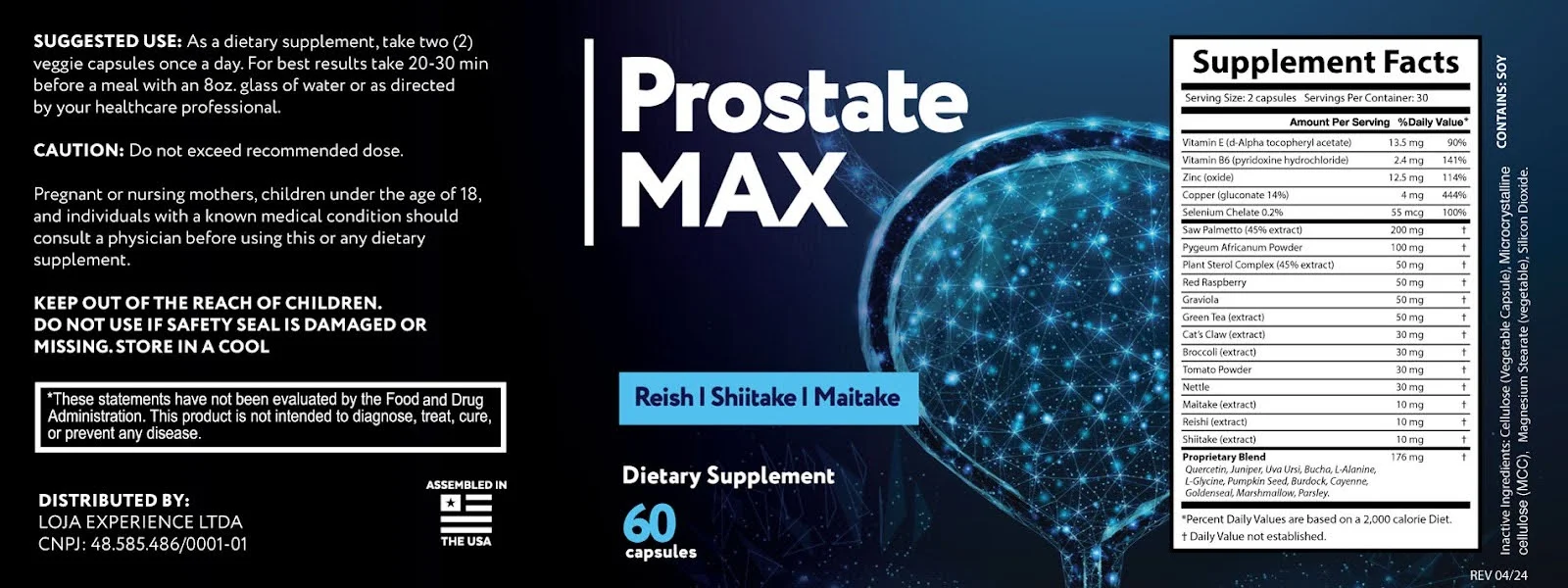
Before using Prostate Max, I recommend checking the complete Supplement Facts panel, including exact amounts, extract standardization, and other ingredients. The supplied formulation identifies 18 components, but their precise concentrations have not been established here. That limitation is important because both potential effectiveness and safety depend heavily on dosage.
🍃 1. Saw Palmetto
Saw palmetto comes from the berries of Serenoa repens, a palm native to the southeastern United States. Its extracts contain fatty acids and phytosterols, and it has a long history of use in supplements marketed for men’s urinary and prostate wellness.
Researchers have investigated saw palmetto for its potential influence on androgen-related processes and urinary symptoms. Despite encouraging findings from some early studies, larger, better-controlled clinical research has generally failed to demonstrate meaningful improvements in BPH symptoms when saw palmetto is used alone.
I see saw palmetto as a recognizable traditional prostate-support ingredient, but I would avoid promising improved urinary flow solely because it appears in this formulation. Its effectiveness depends on more than brand familiarity or long-standing herbal use.
🍃 2. Pygeum Africanum
Pygeum, derived from the bark of the African cherry tree (Prunus africana), is traditionally used for urinary discomfort. Its extracts contain phytosterols, pentacyclic triterpenes, and other compounds investigated for possible effects on urinary function.
Some clinical reviews have reported modest improvements in urinary symptoms and flow-related measurements. However, the trials were generally short, and researchers emphasized the need for better-standardized preparations and stronger long-term evidence.
Among the listed botanicals, pygeum is one that catches my attention. I would nevertheless want confirmation of the extract quantity and standardization before deciding how closely the product resembles preparations used in clinical studies.
🍃 3. Vitamin E
Vitamin E is a fat-soluble nutrient that helps protect cell membranes from oxidative damage. It contributes to normal physiological processes throughout the body and is often incorporated into supplements intended to support healthy aging.
Its presence in a prostate formula is understandable from a nutritional perspective. However, vitamin E supplementation has not been shown to prevent prostate cancer, and the SELECT trial identified an increased prostate cancer risk among men assigned high-dose vitamin E supplementation.
I consider the amount of vitamin E particularly important. More is not necessarily better, and men should avoid stacking multiple high-dose supplements without checking their combined intake.
🍃 4. Vitamin B6
Vitamin B6 supports amino acid metabolism, neurotransmitter production, and numerous enzyme reactions. It also contributes to normal immune and nervous system function, making it a useful nutrient when provided in appropriate amounts.
Prostate Max includes vitamin B6 as part of its broader nutritional formulation. Although maintaining adequate intake supports general health, there is insufficient evidence that additional vitamin B6 specifically improves prostate enlargement or urinary flow.
One concern worth mentioning is that excessive long-term vitamin B6 intake can damage peripheral nerves. Anyone combining Prostate Max with multivitamins, energy products, or other B-complex supplements should calculate total daily consumption.
🍃 5. Zinc
Zinc is an essential mineral involved in immune function, protein synthesis, cell division, and numerous enzymatic processes. The prostate normally contains relatively high concentrations of zinc, which has encouraged research into possible relationships between zinc metabolism and prostate health.
A number of studies have investigated zinc levels in prostate tissues and various prostate conditions. However, such observations do not establish that increasing zinc intake improves BPH symptoms or prevents prostate disease.
I appreciate zinc’s nutritional role, especially for individuals with inadequate dietary intake. Excessive supplementation, however, can cause nausea and interfere with copper balance, so the actual quantity matters.
🍃 6. Copper
Copper is a trace mineral involved in connective tissue formation, iron metabolism, and antioxidant enzyme systems. The body requires only small amounts, but those amounts are essential for maintaining normal biological functions.
Including copper alongside zinc can be nutritionally reasonable because high zinc intake may interfere with copper absorption. This combination suggests an attempt to provide a more balanced mineral profile.
Copper does not have established clinical effectiveness for treating BPH. The ingredient should be viewed as nutritional support, and men with disorders involving copper metabolism should seek medical guidance before using supplements containing it.
🍃 7. Selenium Chelate
Selenium is an essential trace element used by the body to produce selenoproteins, many of which participate in antioxidant defense and thyroid hormone metabolism. Chelated selenium refers to a preparation in which selenium is associated with another molecule, although the precise form must be identified on the label.
Its inclusion fits the product’s general cellular-health positioning. However, large clinical trials have not demonstrated that selenium supplementation prevents prostate cancer, and excessive intake can cause serious toxicity.
I would check the selenium amount carefully, especially because this mineral is present in many multivitamins. Selenium should never be interpreted as a proven prostate cancer prevention ingredient.
🍃 8. Plant Sterol Complex
Plant sterols are naturally occurring compounds found in vegetable oils, seeds, nuts, and other plant foods. Beta-sitosterol is one of the most researched phytosterols in relation to urinary symptoms associated with enlarged prostate conditions.
Earlier trials involving certain beta-sitosterol preparations reported improvements in symptom scores and urine flow measurements. These findings provide a plausible reason for including a plant sterol complex in a prostate-support supplement.
However, a generic plant sterol blend does not reveal how much beta-sitosterol is present. I would prefer a clearly standardized formulation with an identified concentration rather than relying on the ingredient name alone.
🍃 9. Red Raspberry
Red raspberry contains naturally occurring polyphenols, including anthocyanins and ellagic acid-related compounds. These substances have been studied for their antioxidant properties and biological activity.
In a formula intended for prostate wellness, raspberry likely contributes to the wider plant-based antioxidant profile. That is a reasonable nutritional concept, but there is no convincing clinical evidence that raspberry supplementation directly improves BPH symptoms.
I regard red raspberry as a complementary ingredient rather than a central reason to purchase the product. Its possible contribution depends on the form, concentration, and quality of the extract used.
🍃 10. Graviola
Graviola, also called soursop or Annona muricata, is a tropical plant whose leaves and fruit contain several biologically active compounds. Laboratory investigations have examined certain graviola constituents for antioxidant and other cellular effects.
These findings have sometimes been exaggerated in supplement marketing. Laboratory activity does not mean graviola treats prostate disease or cancer, and there is insufficient human clinical evidence to support such claims.
I am especially cautious about graviola because certain compounds, including annonacin, have raised concerns about potential neurological toxicity. The safety of concentrated extracts depends on their composition and exposure, making clear labeling particularly important.
🍃 11. Green Tea
Green tea contains catechins, including epigallocatechin gallate (EGCG), which have been extensively studied for their antioxidant and cellular effects. Green tea consumption has also been investigated in observational research involving various long-term health outcomes.
The relevance to prostate health is primarily based on preliminary biological research rather than proven improvement in enlarged-prostate symptoms. Drinking green tea and taking concentrated green tea extract are also different exposures.
I consider green tea a potentially useful source of plant compounds, but concentrated extracts can sometimes cause liver injury. Buyers should check whether the ingredient is an ordinary tea powder or a standardized high-concentration extract.
🍃 12. Cat’s Claw
Cat’s claw comes from climbing vines of the Uncaria genus, particularly Uncaria tomentosa. Traditional herbal practices have used these plants for several wellness purposes, and laboratory studies have examined their alkaloids and polyphenols.
The ingredient is frequently associated with immune-related and inflammatory pathways. However, human evidence supporting cat’s claw for prostate enlargement, urinary urgency, or nocturia remains inadequate.
Because cat’s claw may influence immune function and potentially interact with some medicines, I wouldn’t automatically consider it suitable for every user. Its inclusion adds botanical complexity without establishing a specific clinical prostate benefit.
🍃 13. Broccoli
Broccoli belongs to the cruciferous vegetable family and contains glucosinolates that can produce biologically active compounds such as sulforaphane. These compounds have attracted attention in nutritional research involving cellular defense processes.
Eating cruciferous vegetables is consistent with a balanced, health-supporting diet. However, the effects of whole broccoli cannot be assumed to match those of a small quantity of broccoli powder in a supplement.
I appreciate the inclusion from a nutritional perspective, but I wouldn’t expect broccoli extract alone to relieve urinary obstruction or reduce prostate size. Its role is better understood as contributing plant nutrients.
🍃 14. Tomato Powder
Tomatoes contain lycopene, a carotenoid pigment responsible for their characteristic red color. Lycopene has attracted considerable interest in prostate-related nutritional research, particularly in studies examining dietary patterns.
Although some observational findings have suggested associations between tomato consumption and prostate-related outcomes, clinical evidence does not establish lycopene as an effective treatment for BPH.
Tomato powder may be a useful addition to a diverse antioxidant formulation. Nevertheless, its lycopene concentration and bioavailability depend on processing and dosage, and neither should be assumed without product-specific information.
🍃 15. Nettle
Nettle, commonly known as stinging nettle or Urtica dioica, has a history of traditional use in herbal preparations for urinary wellness. Some research has focused specifically on nettle root rather than the leaves.
This distinction is important because different plant parts contain different concentrations of biologically active substances. Clinical investigations have explored nettle preparations, sometimes combined with saw palmetto, for urinary symptoms associated with BPH.
I see nettle as another relevant traditional ingredient, although the available evidence is limited. Prostate Max buyers should verify whether its formulation uses nettle root and whether the extract has been standardized.
🍃 16. Maitake Mushroom
Maitake (Grifola frondosa) is an edible mushroom containing polysaccharides, including beta-glucans. Researchers have investigated some of these compounds for their effects on immune-related biological processes.
Its inclusion adds another dimension to Prostate Max’s general wellness positioning. However, studies involving mushroom extracts should not be treated as proof of improvement in prostate enlargement or urinary symptoms.
I would classify maitake as an additional nutritional ingredient. Men using diabetes medication or other treatments should mention concentrated mushroom supplements to their healthcare professional because some extracts may have biological effects beyond basic nutrition.
🍃 17. Reishi Mushroom
Reishi (Ganoderma lucidum) is a medicinal mushroom traditionally used in East Asian herbal practices. It contains polysaccharides and triterpenoid compounds that have been investigated in laboratory and preliminary human research.
Some experimental findings have suggested activity involving inflammatory and hormone-related pathways. However, evidence that ordinary reishi supplements improve clinically meaningful BPH outcomes remains insufficient.
Reishi can also cause adverse effects, including digestive discomfort, and certain preparations have been associated with liver concerns. Its possible interactions with anticoagulants and immune-modifying medications deserve attention.
🍃 18. Shiitake Mushroom
Shiitake (Lentinula edodes) is a widely consumed edible mushroom containing nutrients and polysaccharides, including lentinan. Extracts have been studied for immune-related biological activity in specific research settings.
The inclusion of shiitake contributes to the mushroom complex within Prostate Max. However, its established role as a nutritious food should not be confused with proven therapeutic effects against enlarged prostate symptoms.
I regard shiitake as a supportive nutritional component rather than a primary prostate-targeting ingredient. As with the other mushrooms, the safety and potential effects of concentrated extracts depend on their preparation and amount.
Six Potential Benefits of Prostate Max
The potential appeal of Prostate Max lies in its attempt to support prostate wellness through different nutritional and botanical pathways. Its combination of pygeum, plant sterols, nettle, vitamins, and antioxidant-rich extracts creates a broader formulation than products containing a single botanical.
Nevertheless, I separate the benefits the supplement is intended to support from benefits proven in clinical trials. The following six areas represent its proposed advantages, with explanations of the available rationale and the limits of what consumers should expect.
★ 1. May Support More Comfortable Urinary Function
Urinary discomfort is one of the main reasons men become interested in prostate supplements. Difficulty starting urination, a weak stream, and the sensation of incomplete bladder emptying can interfere with everyday activities and become frustrating over time.
Prostate Max contains pygeum, nettle, and plant sterols, which have been investigated in relation to lower urinary tract symptoms. Some earlier research on specific pygeum and beta-sitosterol preparations suggests that these ingredients may provide modest improvements in certain urinary measurements.
The potential advantage is that the supplement combines several relevant botanicals in one daily serving. However, because the finished formula has not been shown to produce these outcomes in controlled clinical testing, improved urinary flow should be considered possible rather than guaranteed.
★ 2. May Complement a Prostate Wellness Routine
Maintaining prostate health involves several considerations, including age, hormonal changes, existing medical conditions, physical activity, and nutritional status. No dietary supplement can control all these factors.
Prostate Max appears designed to provide an additional nutritional component through ingredients such as zinc, selenium, vitamin E, saw palmetto, and broccoli. These substances participate in normal physiological processes or contain compounds that have been examined in prostate-related research.
For men who already follow an appropriate medical care plan, this type of formulation may be appealing as a supplementary wellness product. Still, there is no established evidence that Prostate Max prevents prostate enlargement, reverses BPH, or protects against prostate cancer.
★ 3. May Help Support Nighttime Urinary Comfort
Frequent nighttime urination, medically called nocturia, is particularly disruptive because it can interrupt sleep and contribute to daytime fatigue. Although prostate enlargement can contribute to nocturia, other conditions such as sleep apnea, diabetes, excessive evening fluid intake, and bladder disorders can also cause it.
Pygeum research has reported improvements in nighttime urination in some older clinical trials. This provides a potential rationale for its inclusion in Prostate Max, particularly for men concerned about prostate-related nighttime discomfort.
I would avoid expecting immediate changes or a guaranteed reduction in bathroom visits. Anyone experiencing persistent nocturia should first identify the underlying cause, since treating a non-prostate-related condition may be more useful than adding a supplement.
★ 4. Provides Antioxidant Nutritional Support
Healthy cells depend on a balance between normal metabolic activity and protective antioxidant systems. Nutrients such as vitamin E and selenium contribute to those systems, while green tea, tomato, broccoli, and raspberry provide additional plant-derived compounds.
Prostate Max brings several of these components into one formula. For individuals whose diets lack variety, this may be attractive from a general nutritional perspective, although supplements cannot replace the wider benefits of regularly consuming vegetables and other nutritious foods.
I view antioxidant support as one of the formula’s broader wellness features. Importantly, antioxidant ingredients have not been demonstrated to make Prostate Max a treatment or preventive measure for prostate disease, and excessive doses of certain antioxidant supplements can be harmful.
★ 5. Offers Convenient Daily Nutritional Supplementation
A supplement can have an impressive formulation and still be inconvenient enough that users struggle to follow its instructions. Prostate Max’s suggested two-capsule daily serving provides a relatively straightforward routine.
This convenience could appeal to men who prefer capsules over multiple separate herbal preparations. Combining several ingredients also avoids the practical complication of purchasing and organizing numerous individual supplement bottles.
The limitation is that convenience does not establish therapeutic effectiveness. I consider an easy dosing schedule a legitimate product feature, particularly for consistent use, but it should not outweigh ingredient transparency, safety, or appropriate medical advice.
★ 6. May Contribute to Overall Male Wellness
Prostate-related concerns often occur alongside broader changes in health as men age. Sleep quality, energy levels, physical activity, and nutritional intake can influence how comfortable and active someone feels throughout the day.
Prostate Max incorporates vitamins, minerals, and mushroom-derived compounds associated with normal nutritional and physiological functions. This gives the formulation a wider wellness focus beyond its main prostate-support ingredients.
There is not enough evidence to conclude that Prostate Max directly improves testosterone, libido, stamina, or energy. Its potential contribution to general wellness is best understood as nutritional support, with any meaningful symptom changes evaluated individually rather than assumed.
Prostate Max vs. Popular Prostate Supplement Formulas
When comparing Prostate Max with other popular prostate supplements, I focus on formulation breadth, ingredient relevance, transparency, convenience, and evidence quality.
For this comparison, I’m using a typical simpler prostate-support formula as the reference rather than selecting or naming a specific competitor. This makes it easier to identify where Prostate Max’s design is more comprehensive without implying that every competing supplement contains the same ingredients.


| Comparison Factor | Prostate Max | Typical Simpler Prostate Supplement |
|---|---|---|
| Overall Formulation | Lists 18 ingredients spanning botanicals, vitamins, minerals, and mushrooms. This offers a broad nutritional approach. | May focus on a smaller selection of prostate-oriented ingredients, creating a narrower formulation. |
| Saw Palmetto | Includes saw palmetto alongside other botanical compounds, potentially appealing to buyers who prefer combination formulas. | Frequently uses saw palmetto as its main active ingredient, sometimes with clearly stated extract standardization. |
| Pygeum Support | Contains pygeum, an ingredient with some historical clinical evidence relating to urinary symptoms. | May omit pygeum entirely or include it as part of a smaller botanical blend. |
| Plant Sterols | Includes a plant sterol complex, adding another component previously investigated for urinary symptom support. | Some formulas contain beta-sitosterol, while others provide only saw palmetto or basic herbal extracts. |
| Nettle Ingredient | Adds nettle to complement its traditional prostate-focused botanicals. | Inclusion varies, and some competitors do not contain nettle at all. |
| Antioxidant Coverage | Contains green tea, raspberry, broccoli, tomato, vitamin E, and selenium, creating a diverse antioxidant-related profile. | Often provides fewer antioxidant-focused ingredients, depending on the manufacturer’s formulation. |
| Essential Minerals | Includes zinc, copper, and selenium, offering a broader mineral combination. | Some products contain zinc alone or omit supporting minerals altogether. |
| Mushroom Complex | Features maitake, reishi, and shiitake, expanding the formula beyond conventional prostate botanicals. | Medicinal mushrooms are less common in basic prostate-support products. |
| Daily Convenience | Uses a two-capsule daily routine, which may be manageable for consumers maintaining a supplement schedule. | Serving sizes vary; some require one capsule, while others require multiple tablets. |
| Ingredient Transparency | The ingredient names are available, but exact dosages and extract standardization still need verification. | Some established competitors publish complete ingredient quantities and standardized extract percentages. |
| Scientific Research | Several individual ingredients have been researched, but the finished formula lacks established product-specific clinical evidence. | Evidence depends on the product; some narrower formulas may more closely match preparations studied in trials. |
| Potential Advantages | Broad ingredient diversity and multiple nutritional components in a single product. | Simpler formulas may provide easier dose evaluation, fewer possible interactions, and clearer identification of individual ingredient effects. |
| Potential Disadvantages | More ingredients can create additional interaction concerns and make it harder to determine which component causes a reaction. | A narrower formula may lack some of the supplementary nutrients and botanicals included in Prostate Max. |
| Overall Positioning | Best suited to buyers interested in a comprehensive multi-ingredient nutritional formulation. | Potentially preferable for buyers seeking a straightforward, clearly dosed ingredient or fewer botanical exposures. |
Where Prostate Max Has a Formulation Advantage
Its most obvious advantage is ingredient diversity. The formula includes several traditional prostate-focused botanicals while incorporating essential nutrients and plant compounds associated with normal cellular processes.
I particularly appreciate the combination of pygeum, plant sterols, and nettle because it creates a more relevant prostate-oriented core than a formulation relying entirely on general antioxidants. This makes the product more interesting from a formulation-design perspective.
The broader ingredient profile may also appeal to men who already appreciate plant-based nutritional products and would rather take a combined supplement than manage multiple bottles.
Where Simpler Competitors Can Be Stronger
A comprehensive supplement is not necessarily more effective. Clinical research depends heavily on dosage, ingredient preparation, and product quality, none of which can be determined simply by counting ingredients.
A competing product that clearly discloses a standardized pygeum amount or beta-sitosterol concentration could be easier to evaluate scientifically. It could also expose users to fewer unnecessary botanical compounds.
My comparison conclusion: Prostate Max is more diverse than many basic prostate supplement formulas, giving it a potential advantage in nutritional breadth. However, I cannot establish that it produces superior clinical outcomes without direct comparison studies, complete dosage information, and independent product-quality verification.
My Prostate Max Rating: 4.5/5 for Formulation Appeal
After evaluating the supplied ingredient list, intended audience, supporting research, and convenience, I’ve assigned Prostate Max a 4.5 out of 5 editorial score for its formulation concept.
This rating reflects how I assess the product’s ingredient variety, design, and intended nutritional role. It is not a customer-review average, a clinical success rate, or a claim that the supplement has been personally tested by me.
| Rating Category | Score | My Assessment |
|---|---|---|
| Overall Formulation Appeal | ★★★★☆ 4.5/5 | A diverse combination of botanicals and nutritional ingredients, with important evidence and transparency limitations. |
| Ingredient Variety | ★★★★★ 4.8/5 | The formula includes 18 listed ingredients covering traditional prostate botanicals, plant sterols, vitamins, and mushrooms. |
| Prostate-Focused Design | ★★★★☆ 4.6/5 | Pygeum, nettle, and plant sterols make the ingredient selection relevant to prostate and urinary wellness. |
| Nutritional Breadth | ★★★★★ 4.7/5 | Several essential nutrients and plant compounds provide wider nutritional coverage than basic single-herb formulas. |
| Daily Convenience | ★★★★★ 4.8/5 | The suggested two-capsule serving offers a manageable daily routine. |
| Scientific Evidence | ★★★☆☆ 3.0/5 | Research on individual ingredients is mixed, and product-specific clinical efficacy has not been established. |
| Transparency and Purchasing Confidence | ★★★☆☆ 3.0/5 | Exact ingredient quantities, independent testing, and current refund procedures require verification. |
How I Arrived at This Score
My strongest positive assessment concerns the formulation’s breadth. Prostate Max includes several ingredients historically researched for urinary wellness, alongside nutrients involved in general physiological functions.
I also appreciate that the product is designed around a straightforward daily serving rather than a complicated supplementation schedule. Practical convenience has value, especially when someone is already managing other wellness responsibilities.
However, I would not give the product an unqualified 4.5/5 for effectiveness or overall purchasing confidence. The lack of verified product-specific trials, undisclosed ingredient amounts, and unresolved consumer-service questions are meaningful limitations.
My final rating distinction is essential: 4.5/5 describes the formulation’s editorial appeal, while actual clinical effectiveness remains unproven.
How to Take Prostate Max Correctly
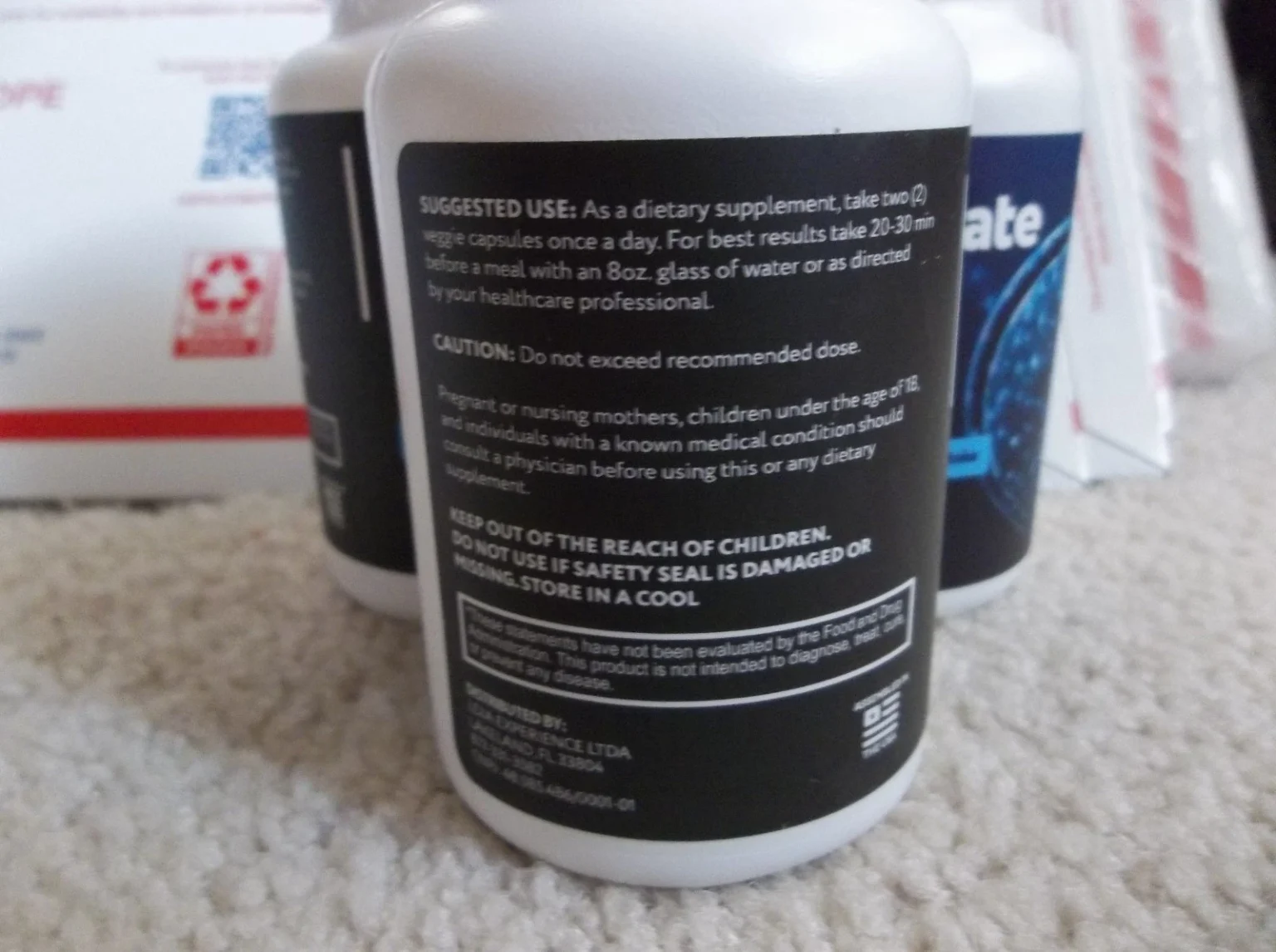
The supplied dosage recommendation for Prostate Max is two capsules per day. I recommend confirming that instruction against the current bottle label before beginning, since supplement directions may change.
For many people, taking capsules with a meal and a full glass of water may help reduce digestive discomfort. However, the specific timing should follow the manufacturer’s instructions, particularly if the formula includes extracts that require additional precautions.
Consistency can make it easier to assess whether a wellness routine is manageable, but prolonged use should not replace assessment of persistent urinary symptoms. I suggest recording urinary frequency, nighttime bathroom visits, and any noticeable adverse reactions rather than relying on memory alone.
Taking more than the labeled dose is not a sensible way to improve results. Higher amounts can increase the risk of adverse effects, particularly with minerals, vitamin B6, concentrated botanical extracts, and fat-soluble vitamins.
Prostate Max Pros and Cons: What Stands Out to Me
Every supplement has practical advantages and limitations, and Prostate Max is no exception. A useful buying decision should consider more than the number of ingredients displayed on the label.
The following comparison identifies six positive features and four concerns that I believe deserve attention.
| Pros | Cons |
|---|---|
| 1. Broad Ingredient Selection: The formula contains 18 listed ingredients, combining familiar prostate-oriented botanicals with vitamins, minerals, and mushrooms. This provides more nutritional variety than a basic single-ingredient supplement. | 1. Limited Product-Specific Clinical Evidence: Research involving saw palmetto, pygeum, or plant sterols does not prove that the complete Prostate Max formula delivers meaningful benefits. Controlled studies of the finished product would strengthen confidence. |
| 2. Includes Pygeum and Plant Sterols: These compounds have been investigated in human research involving urinary symptoms. Their presence gives the formulation a relevant scientific rationale, although actual effectiveness depends on preparation and dosage. | 2. Ingredient Quantities Need Verification: The supplied ingredient list does not establish exact amounts, extract standardization, or concentrations. Without those details, it is difficult to compare the formula with clinical research or fully evaluate safety. |
| 3. Provides Essential Nutrients: Zinc, selenium, vitamin B6, vitamin E, and copper contribute to various normal biological functions. Their inclusion adds a nutritional dimension beyond traditional herbal supplementation. | 3. Greater Interaction Complexity: Combining numerous botanical ingredients creates more potential for unwanted effects or medication interactions. Certain components, including green tea extracts, graviola, and medicinal mushrooms, warrant additional caution. |
| 4. Convenient Capsule Format: The recommended two-capsule daily serving is straightforward and avoids the inconvenience of preparing powders or taking several separate herbal products. | 4. Refund and Customer-Service Uncertainty: Although a 60-day guarantee is advertised, current terms require verification. Public complaints associated with some similarly named Prostate Max sellers raise concerns about refund communication, although product and seller identity must be confirmed. |
| 5. Prostate-Oriented Botanical Core: Saw palmetto, pygeum, nettle, and plant sterols establish a clear focus on prostate and urinary wellness rather than unrelated general-health claims. | |
| 6. Supports a Broad Wellness Approach: The inclusion of vegetable-derived compounds and mushrooms may appeal to men seeking a formula with both prostate-focused and general nutritional components, provided they understand that specific health outcomes are not guaranteed. |
My Overall Assessment of the Advantages and Limitations
The ingredient profile is the reason Prostate Max initially earns my attention. It includes several relevant compounds in a single formulation and offers a straightforward way to incorporate them into a daily routine.
At the same time, I consider ingredient transparency and refund reliability important purchasing factors. A promising formula loses much of its appeal when buyers cannot establish how much of each ingredient they are receiving or how a refund actually works.
For that reason, I recommend examining the product label and written seller policies carefully before committing to a multi-bottle purchase.
What Side Effects Could Prostate Max Cause?
Like other multi-ingredient dietary supplements, Prostate Max may cause unwanted reactions. The finished formula’s adverse-event frequency has not been established through publicly verified clinical trials, so I cannot provide reliable percentages for specific side effects.
Potential effects associated with some of its ingredients include digestive discomfort, nausea, headaches, dizziness, and sensitivity reactions. Saw palmetto can occasionally cause mild gastrointestinal symptoms, while zinc may cause nausea, especially when taken inappropriately or in excessive amounts.
More serious concerns involve particular ingredients or high exposures. Concentrated green tea extracts have been associated with liver injury, excessive vitamin B6 can cause nerve damage, and certain graviola compounds have raised neurological safety concerns. High selenium intake may cause toxicity, while excessive vitamin E intake may increase bleeding risk in some circumstances.
Anyone developing persistent vomiting, severe abdominal discomfort, unusual bruising, rash, weakness, or other concerning symptoms should stop the supplement and seek appropriate medical guidance. Symptoms such as inability to urinate, fever with urinary pain, or blood in the urine require prompt medical evaluation rather than supplementation.
Is Prostate Max Safe for Daily Use?
I would describe Prostate Max as a supplement containing several commonly used nutritional ingredients, but I cannot establish that the complete combination is safe for every adult man.
The most important safety factors are ingredient dosage, individual medical history, medication use, and product quality. Safety conclusions from individual ingredients cannot automatically be applied to a finished multi-ingredient product.

The manufacturer’s claim of production in FDA-registered facilities should also be interpreted correctly. FDA facility registration does not mean the FDA has approved the supplement for safety or effectiveness.
For otherwise healthy adults, some ingredients may be well tolerated at appropriate doses. However, men with prostate conditions, liver or kidney disease, bleeding disorders, or other medical concerns should consult a healthcare professional before using the product.
Can Prostate Max Be Taken With Prescription Medications?
Combining Prostate Max with medication requires careful consideration because its ingredients may influence several physiological pathways.
Men taking anticoagulant or antiplatelet medicines should be particularly cautious. Some botanical extracts and vitamin E may increase bleeding concerns, depending on the dose and individual situation.
Potential interactions are also relevant for diabetes medication, immune-suppressing treatments, and drugs affected by liver metabolism. Medicinal mushroom extracts, cat’s claw, and concentrated green tea preparations deserve attention because the strength and clinical significance of possible interactions can vary.
Anyone currently using medicines for BPH, including tamsulosin, finasteride, or dutasteride, should discuss supplement use with their prescribing clinician. There is no established basis for stopping effective prescribed treatment in favor of this product.
My recommendation is to show the complete ingredient label to a pharmacist or physician before combining Prostate Max with existing medication. That is particularly important for men taking multiple prescriptions.
Who Might Consider Prostate Max, and Who Should Avoid It?
Choosing Prostate Max should begin with an honest assessment of health goals. The formula is designed for nutritional support, and its suitability depends on whether the ingredients are appropriate for an individual’s situation.
Men Who May Find It Relevant
- Adults Interested in Prostate Wellness: Men looking for a botanical-based addition to their general health routine may appreciate the combination of pygeum, plant sterols, and other traditional ingredients. They should understand that the formula has not been proven to prevent or treat BPH.
- Men Seeking Broad Nutritional Support: Individuals interested in vitamins, minerals, and plant compounds may find the ingredient variety appealing. The product should complement an adequate diet rather than replace nutritious meals.
- Men Who Prefer Capsule-Based Supplements: The two-capsule daily serving could suit adults who value a relatively simple routine. Convenience may improve adherence to labeled instructions, although it doesn’t guarantee better clinical outcomes.
- Men Who Have Discussed Urinary Symptoms With a Clinician: Adults who have received an appropriate evaluation and are interested in complementary nutritional options may consider discussing the formulation with their healthcare provider.
Men Who Should Avoid It or Obtain Medical Clearance First
- Men Experiencing Serious Urinary Symptoms: Inability to urinate, blood in the urine, fever accompanied by urinary pain, or severe abdominal discomfort can indicate problems requiring prompt medical care. These situations should never be managed by relying on a supplement.
- Men With Liver or Kidney Disease: Certain concentrated botanicals and excessive mineral exposure may present additional risks. Medical clearance is important before using a complex formula.
- Men Taking Multiple Prescription Medications: The 18-ingredient combination creates possible interaction concerns that should be reviewed by a healthcare professional.
- Men With Known Botanical or Mushroom Allergies: The formula includes several plant extracts and mushroom-derived ingredients. Anyone with relevant sensitivities should examine the complete label and obtain professional advice.
- Men Already Taking High-Dose Vitamin or Mineral Supplements: Overlapping sources of vitamin B6, zinc, selenium, copper, and vitamin E can increase total exposure beyond appropriate levels.
- Men Seeking a Proven Treatment for Enlarged Prostate: Prostate Max should not replace clinically established treatments when medical management is needed. Prescription medications and other treatments have stronger evidence for managing symptomatic BPH.
What I Didn’t Like About Prostate Max and Why
Despite finding the formulation interesting, there are aspects of Prostate Max that prevent me from giving it an unrestricted endorsement.
A comprehensive ingredient list is only one part of a worthwhile supplement. Consumers also deserve clear documentation, realistic claims, and reliable purchasing policies.
- The Lack of Verified Ingredient Amounts: I want to know how much pygeum, beta-sitosterol, zinc, selenium, and every other ingredient is included. Without those figures, comparing the formula against published research becomes difficult, and avoiding excessive nutrient intake becomes more complicated.
- The Absence of Established Finished-Product Trials: Several ingredients have been studied individually, but that does not confirm the effectiveness of their combination. I would be considerably more confident if the manufacturer supplied high-quality human clinical research conducted on the actual formulation.
- The Inclusion of Ingredients With Uncertain Prostate Benefits: Graviola, cat’s claw, and some mushroom extracts have interesting biological properties, but their inclusion in a prostate supplement is not supported by strong evidence of meaningful urinary improvements. Their potential safety concerns deserve consideration alongside their theoretical benefits.
- Limited Independent Quality Verification: Manufacturing claims are useful starting points, but I prefer products supported by accessible third-party testing information, accurate dosage disclosure, and clearly documented quality controls.
- Uncertainty Around the Refund Experience: A written guarantee can increase confidence only when customers can understand and use it. Public complaints involving some Prostate Max-branded sellers make confirmation of the exact merchant, refund window, and customer-service procedures especially important.
These criticisms don’t establish that every bottle is defective or that the formulation is ineffective. They identify areas where better transparency would substantially improve my assessment.
Is Prostate Max a Scam or a Legitimate Supplement?
I cannot reasonably label Prostate Max a scam solely because its clinical effectiveness has not been established. It is marketed as a dietary supplement with an identifiable ingredient profile, and several of those ingredients have legitimate scientific research behind them. However, having recognizable ingredients does not prove that a particular product delivers its advertised benefits.
I also wouldn’t dismiss consumer concerns. Public review pages associated with Prostate Max-branded sellers contain complaints about effectiveness, refunds, and customer-service communication, although similarly named products and sellers may not all represent the exact formulation discussed here. The sensible approach is to verify the seller’s identity, complete product label, payment terms, and refund policy before purchasing.
Alternatives to Prostate Max Available on Amazon
Although Prostate Max offers an extensive ingredient combination, consumers have other options worth examining. Amazon commonly lists prostate-support supplements from established supplement brands, though individual listings, formulations, and seller availability can change.
I wouldn’t automatically describe these alternatives as more effective. Their main advantage is that they offer different formulation approaches, allowing buyers to choose according to ingredient preferences, label transparency, and budget.
1. NOW Supplements Prostate Support
NOW Prostate Support is a multi-ingredient supplement from a widely recognized nutritional supplement manufacturer. Its prostate-focused formulas have included ingredients such as saw palmetto, beta-sitosterol, and supporting nutrients, although the current product label should always be checked.
This option may interest men who want a recognizable brand and a supplement centered on familiar prostate ingredients. I would compare its actual serving amounts, extract standardization, and additional ingredients with those of Prostate Max before deciding.
2. Life Extension Ultra Prostate Formula
Life Extension Ultra Prostate Formula is positioned as a comprehensive prostate-support supplement. Its formulation approach focuses on combining several compounds associated with prostate wellness rather than depending entirely on one traditional herb.
This makes it a relevant alternative for shoppers who prefer complex nutritional formulations. Its ingredient quantities, serving size, and formulation details should be compared carefully, particularly because a larger number of ingredients does not necessarily provide greater effectiveness.
3. Swanson Saw Palmetto and Pygeum Products
Swanson offers various herbal supplements, including products featuring saw palmetto and pygeum. Depending on the current listing, buyers may find simpler formulations with fewer additional botanical compounds.
A focused ingredient approach may appeal to men who want to avoid unnecessarily complex blends. It can also make it easier to identify individual ingredients, although the evidence supporting those ingredients remains mixed.
4. Nature’s Way Saw Palmetto
Nature’s Way offers saw palmetto supplements that may appeal to consumers seeking a more traditional single-herb approach. These formulas generally emphasize saw palmetto rather than a broad collection of plant extracts and mushrooms.
I would consider this category primarily for someone who values simplicity. However, the clinical evidence for saw palmetto alone is not particularly strong, so a narrower formulation should not be assumed to deliver better urinary outcomes.
5. Solaray Prostate Support Formulas
Solaray has offered herbal and nutritional supplements aimed at men’s wellness, including prostate-oriented products. The exact ingredients and serving instructions depend on the formulation currently available.
These products may be worth comparing for buyers interested in herbal combinations from an established supplement company. The most useful comparison factors are standardized extracts, disclosed ingredient amounts, safety information, and overall cost per recommended serving.
My purchasing advice: Whether choosing Prostate Max or an Amazon alternative, prioritize a complete Supplement Facts label, reputable seller, clear return policy, and medical suitability. Amazon availability does not establish clinical effectiveness or product authenticity.
Prostate Max 60-Day Money-Back Guarantee Explained
A money-back guarantee can be an important purchasing consideration, especially for a product whose effects may be uncertain. Prostate Max is advertised with a 60-day money-back guarantee for qualifying purchases made through the official website.
The distinction between an official-site purchase and an order through an unrelated marketplace or reseller is important. A buyer purchasing from a third-party seller may be subject to completely different return procedures, and the manufacturer’s advertised guarantee should not be assumed to cover those transactions.
What I Recommend Checking Before Ordering
Before completing payment, I would carefully review the current written refund policy and save a copy. The most important details include whether the 60-day period begins on the purchase date or delivery date, whether opened bottles qualify, whether return shipping is required, and whether shipping charges are refundable.
I would also verify the customer-service email address, support telephone number if available, and any requirement to obtain return authorization. These details can become particularly important when a buyer needs assistance near the end of the refund period.
Why the Written Policy Deserves Attention
A guarantee is only as reassuring as its actual implementation. Some publicly available reviews associated with Prostate Max-branded sellers describe difficulties obtaining refunds or receiving customer-service responses. Because multiple similarly named sellers exist, those complaints do not automatically establish how every merchant handles returns, but they justify additional caution.
I could not independently verify that the advertised 60-day policy will be honored in every case. I recommend purchasing only after confirming that the seller’s written terms clearly apply to the specific order.
For consumers considering the product, keeping order confirmations, payment records, and copies of the refund terms is a practical precaution. The guarantee should be viewed as a contractual purchasing condition rather than evidence that the supplement itself is effective.
Frequently Asked Questions About Prostate Max
Many questions about Prostate Max concern expected results, ingredient safety, daily use, and whether supplementation can replace medical treatment. These are the questions I consider most important before making a purchasing decision.
Q: How long does Prostate Max take to produce noticeable results?
A: There is no clinically established timeline for the complete Prostate Max formula. Research involving individual botanical ingredients has often assessed results over several weeks, but those findings cannot be automatically applied to this particular supplement.
Anyone using the product should avoid expecting guaranteed improvements within a predetermined period. Persistent urinary symptoms should be medically evaluated, and a supplement trial should not delay appropriate diagnosis or treatment.
Q: Can Prostate Max help with frequent urination at night?
A: Prostate Max contains ingredients such as pygeum that have been investigated for urinary symptoms, including nighttime urination. Some older research reported modest benefits from particular pygeum preparations, although the relevance to this finished formula remains uncertain.
Nighttime urination can also result from diabetes, sleep disorders, medications, fluid intake, and bladder problems. Identifying the cause is essential because a prostate supplement may not address the actual issue.
Q: Does Prostate Max shrink an enlarged prostate?
A: There is no reliable product-specific clinical evidence demonstrating that Prostate Max reduces prostate size. Although its marketing rationale involves hormone-related pathways and prostate support, those theoretical mechanisms do not establish measurable gland shrinkage.
Men with diagnosed BPH should discuss clinically established options with their healthcare professional. Prescription medicines and certain procedures have stronger evidence for improving symptoms and addressing prostate-related urinary obstruction.
Q: Is Prostate Max suitable for men over 50?
A: The product is marketed toward adult men interested in maintaining prostate and urinary wellness, including those in older age groups. However, age alone does not determine whether a supplement is appropriate.
Men over 50 are also more likely to take prescription medications or manage chronic medical conditions. That makes ingredient review, medical consultation, and appropriate prostate evaluation particularly important before beginning a multi-ingredient supplement.
Q: Can Prostate Max improve testosterone or sexual performance?
A: Although the formula contains ingredients sometimes marketed for hormonal support, there is insufficient evidence that Prostate Max meaningfully increases testosterone or improves sexual performance.
Prostate health and sexual function can overlap in some circumstances, but they are not identical concerns. Men experiencing persistent sexual symptoms should obtain an appropriate medical assessment rather than assuming a prostate supplement will resolve them.
Q: Can I use Prostate Max alongside other vitamins?
A: Combining supplements may be possible in some cases, but the total intake of overlapping nutrients should be reviewed carefully. Prostate Max includes vitamin E, vitamin B6, zinc, copper, and selenium, all of which can create problems when consumed excessively.
I recommend comparing the Supplement Facts panels of every product being taken. A pharmacist or qualified healthcare professional can help determine whether combined amounts remain appropriate.
Q: Is Prostate Max approved by the FDA?
A: Dietary supplements are regulated differently from prescription medications, and they generally do not receive FDA premarket approval for effectiveness. A statement that a product is manufactured in an FDA-registered facility should not be interpreted as FDA approval or endorsement.
Consumers should look for accurate labeling, reliable manufacturer information, documented quality controls, and independent testing when available. These factors are more useful than assuming registration establishes clinical effectiveness.
Q: Where should I buy Prostate Max to qualify for the guarantee?
A: The advertised 60-day guarantee is described as applying to qualifying orders placed through the official website. Buyers purchasing through other marketplaces or independent resellers should not assume that the same refund terms apply.
Before ordering, confirm that the checkout page identifies the seller clearly and provides written information about the guarantee. I would also retain the receipt and a copy of the applicable policy in case a return becomes necessary.
My Final Verdict on Prostate Max
After examining the formulation, I think Prostate Max has an interesting nutritional design. Its combination of pygeum, plant sterols, nettle, essential minerals, and antioxidant-related ingredients gives it broader coverage than many basic prostate supplements. My 4.5/5 formulation rating reflects that ingredient diversity and practical capsule format, although it should not be confused with proven effectiveness.
The main limitations are the lack of established clinical trials on the complete formulation, the need for verified ingredient dosages, and uncertainty surrounding some purchasing and refund experiences. I would approach this product as a possible nutritional addition to an established wellness routine, never as a substitute for medical assessment or evidence-based BPH treatment. Anyone experiencing ongoing urinary difficulties should have the underlying cause evaluated before relying on supplements.
For readers who have reviewed the ingredients with a healthcare professional and are comfortable with these limitations, the next step is to examine the current product label, seller identity, and written guarantee. You can view Prostate Max and its current purchasing details here before deciding whether it fits your prostate wellness goals.
References
The following sources provide evidence-based information on benign prostatic hyperplasia, the ingredients discussed, and important nutritional safety considerations.
- National Institute of Diabetes and Digestive and Kidney Diseases (NIDDK). Enlarged Prostate (Benign Prostatic Hyperplasia). National Institutes of Health. Provides information about BPH symptoms, diagnosis, complications, and established treatments.https://www.niddk.nih.gov/health-information/urologic-diseases/prostate-problems/enlarged-prostate-benign-prostatic-hyperplasia
- National Center for Complementary and Integrative Health (NCCIH). Saw Palmetto: Usefulness and Safety. National Institutes of Health. Reviews clinical evidence relating to saw palmetto and enlarged-prostate symptoms.https://www.nccih.nih.gov/health/saw-palmetto
- Wilt, T., Ishani, A., Mac Donald, R., Rutks, I., and Stark, G. Pygeum africanum for Benign Prostatic Hyperplasia. Cochrane Database of Systematic Reviews. Examines clinical research involving pygeum preparations and urinary symptoms.https://pubmed.ncbi.nlm.nih.gov/11869585/
- Dietary Supplements for Benign Prostatic Hyperplasia: An Overview of Systematic Reviews. International Journal of Clinical Practice, 2012. Evaluates evidence involving botanical supplements, including saw palmetto, pygeum, and beta-sitosterol.https://pubmed.ncbi.nlm.nih.gov/22883375/
- National Institutes of Health, Office of Dietary Supplements. Selenium: Fact Sheet for Health Professionals. Provides information about selenium’s biological roles, recommended intake, toxicity, and findings from prostate cancer prevention research.https://ods.od.nih.gov/factsheets/Selenium-HealthProfessional/
Disclaimer
This review is intended for educational and informational purposes and does not constitute medical advice. Prostate Max is a dietary supplement, not an approved treatment for BPH, prostate cancer, or other medical conditions. Individual responses may vary, and product-specific clinical effectiveness has not been established. Consult a qualified healthcare professional before beginning supplementation, particularly if you have urinary symptoms, an existing medical condition, or take prescription medication. This article contains affiliate links, which may generate a commission if a qualifying purchase is made, at no additional cost to the buyer.