

Living with the herpes simplex virus (HSV) can be frustrating, especially when outbreaks return unexpectedly. According to the Centers for Disease Control and Prevention (CDC), HSV establishes a lifelong infection, and some individuals experience recurring symptoms even when they take precautions to manage their health. Stress, illness, and other personal triggers may contribute to recurrences, making long-term management an important concern for people living with the virus.
This ongoing challenge has created considerable interest in nutritional supplements designed to support immune function. Although prescription antiviral medications remain the established treatment for managing herpes outbreaks, some individuals also explore vitamins, minerals, and botanical extracts as complementary approaches to general wellness.
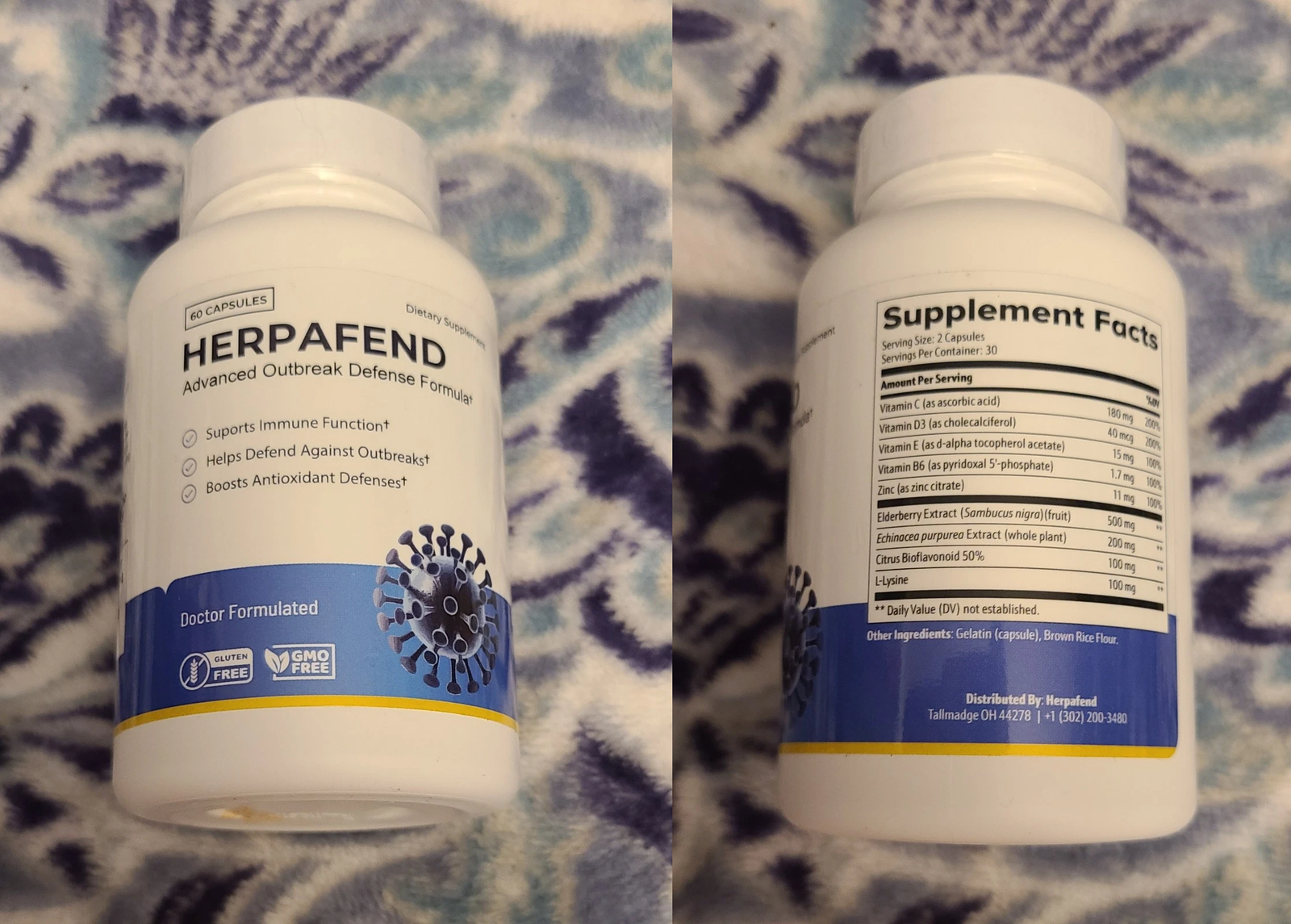
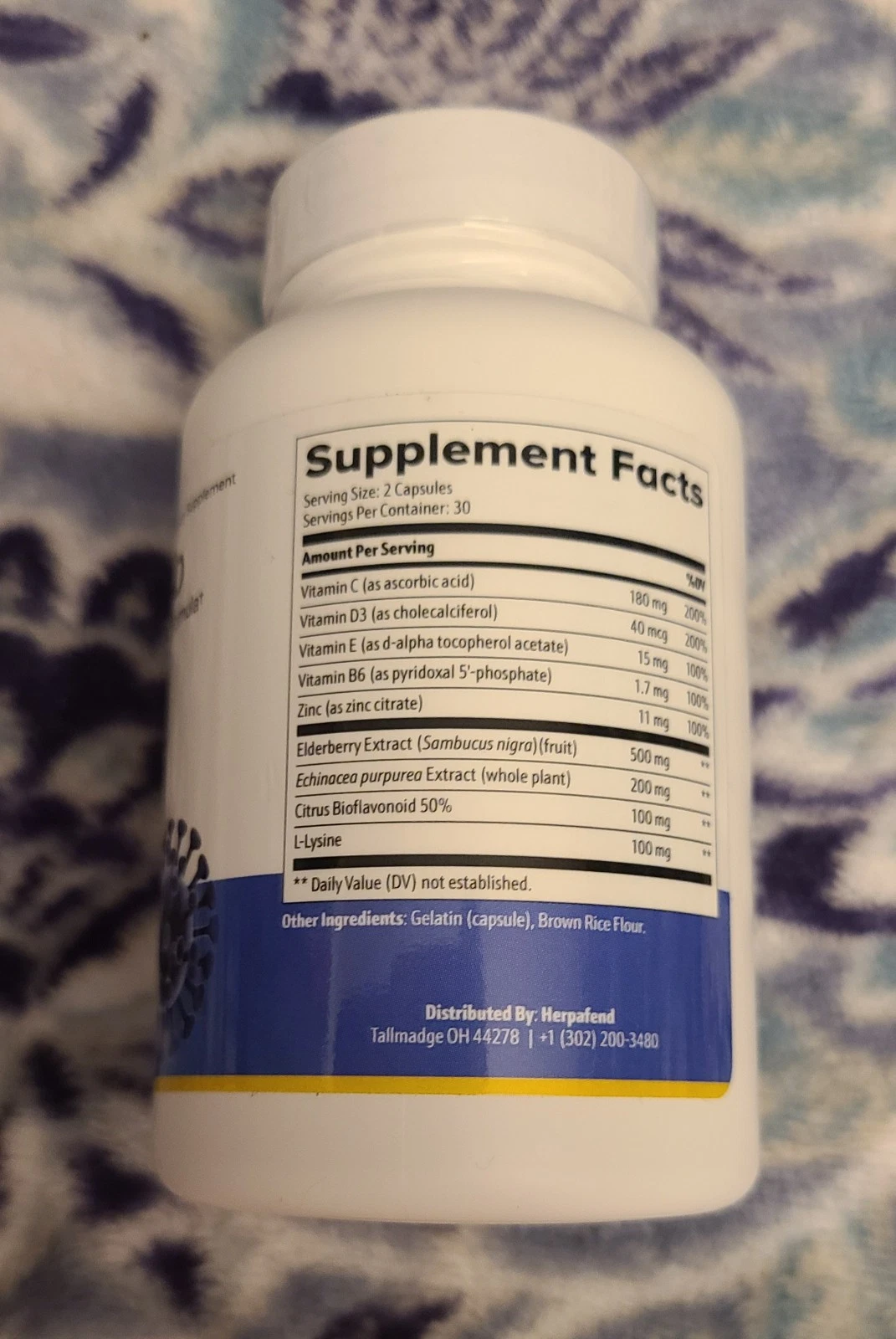
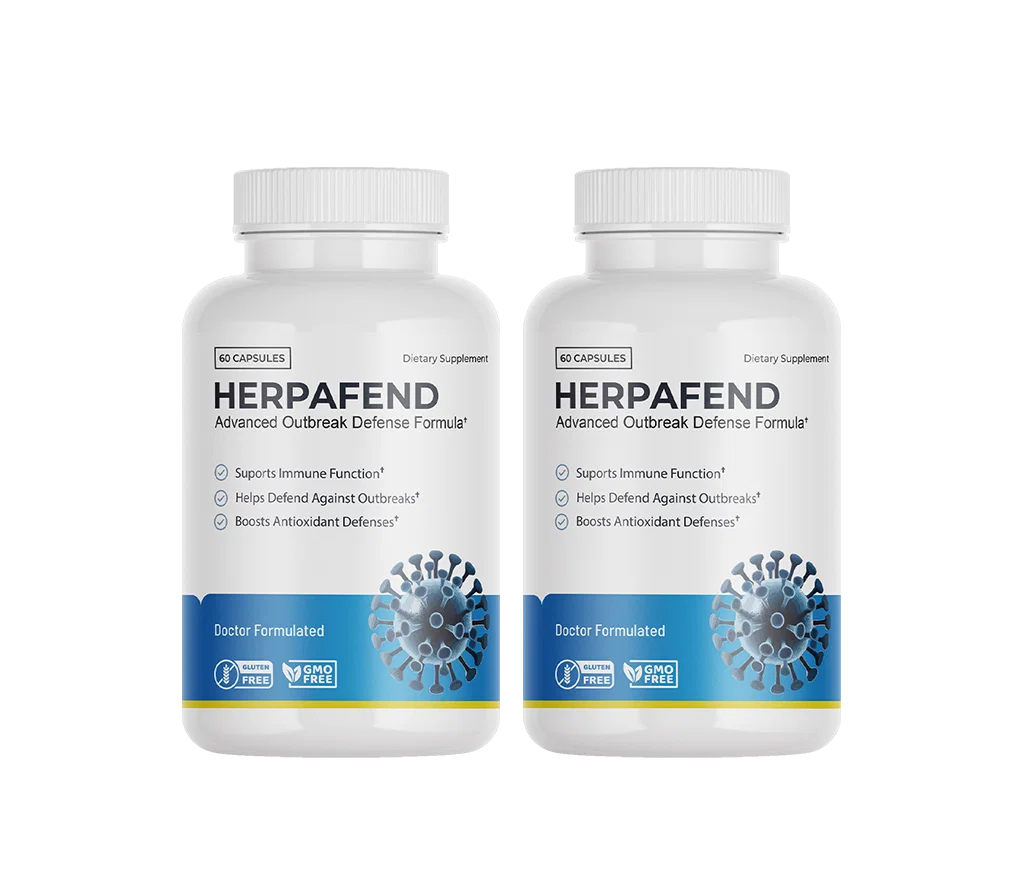
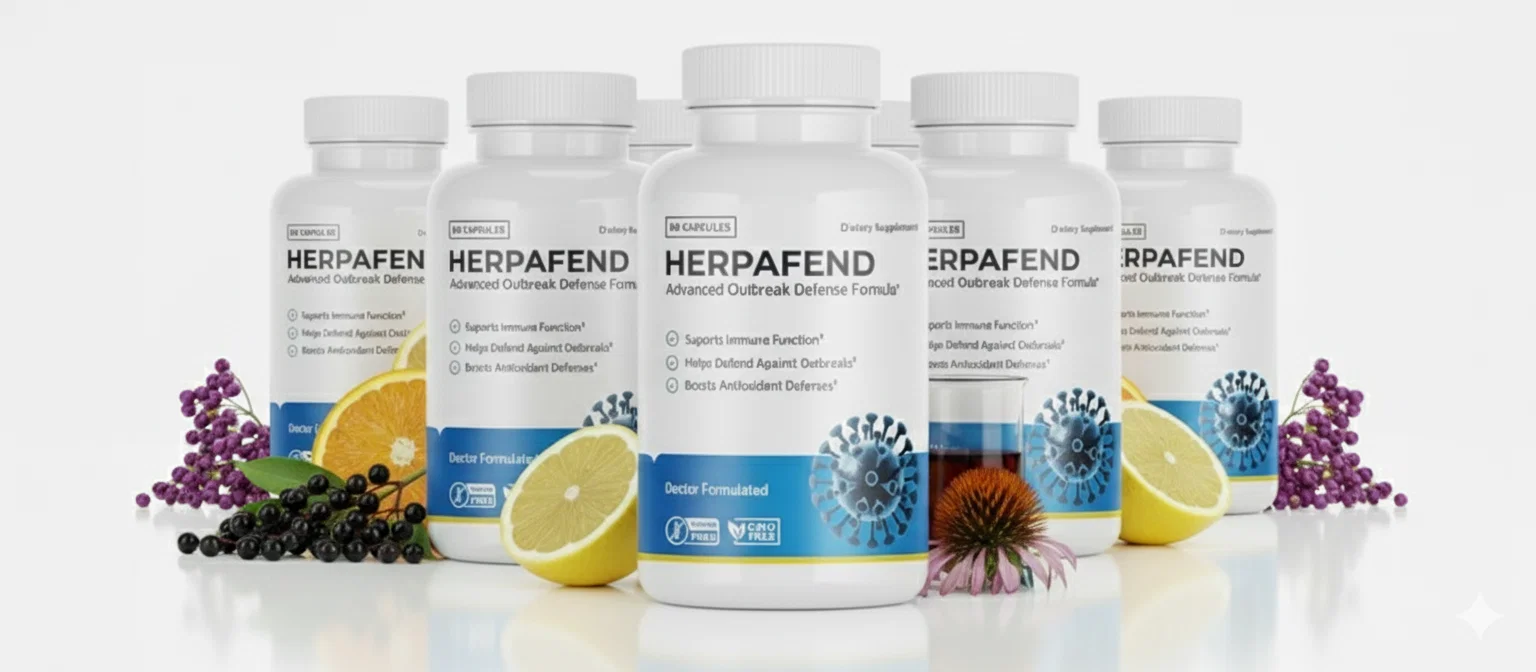
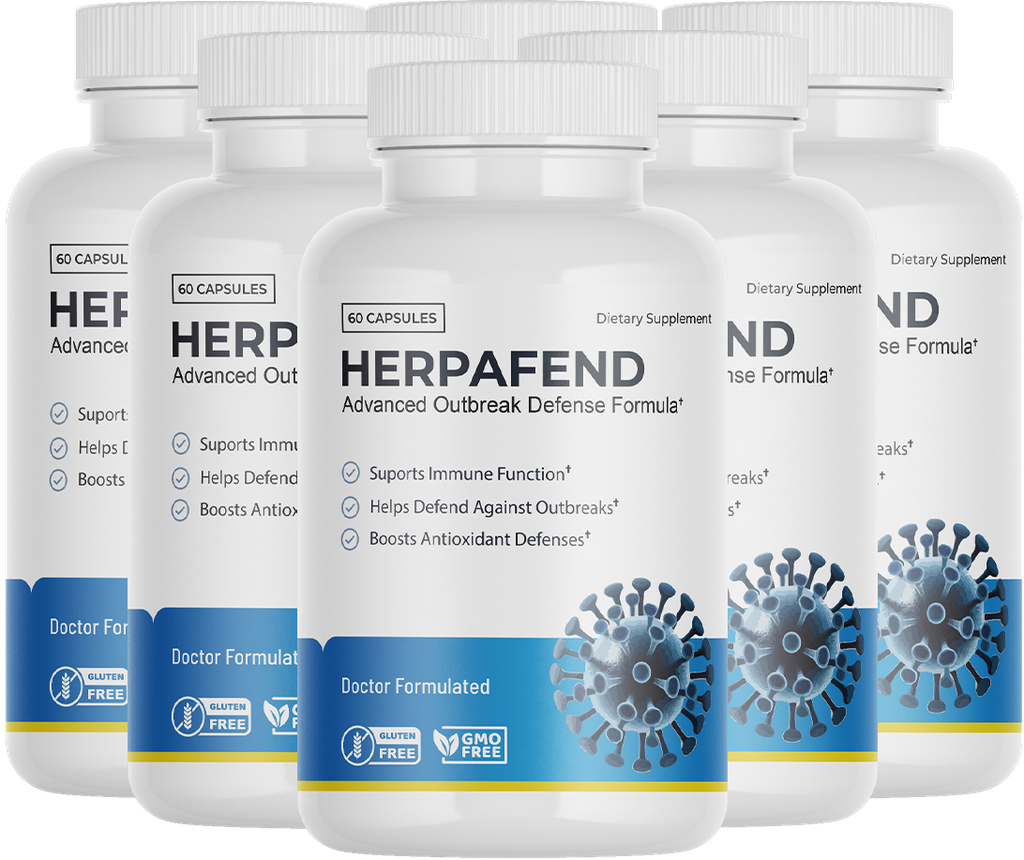
That brings me to Herpafend, a dietary supplement marketed to support the body’s natural immune defenses. The product combines essential nutrients with plant-derived ingredients, including L-lysine, zinc, vitamin C, elderberry, and echinacea. Its marketing emphasizes immune support as a potential way of helping people concerned about recurring herpes symptoms.
This is my detailed Herpafend review of what I discovered about its ingredients, advertised benefits, official customer testimonials, complaints, possible side effects, recommended dosage, and whether it is a scam or legit. I’ll also examine the scientific reasoning behind the formula, compare its features with other supplements, and explain where I think its strengths and limitations lie.
Herpafend Overview: Essential Details Before Buying
Before discussing the ingredients and claimed benefits, I want to provide a practical overview of Herpafend. This summary brings together the product’s advertised purpose, formulation, usage instructions, and purchasing information.
| Product Information | Details |
|---|---|
| Product Name | Herpafend |
| Product Category | Dietary supplement for immune and nutritional support |
| Advertised Developer | Dr. Robert Beck |
| Primary Purpose | Supporting normal immune function, particularly for adults interested in HSV-related wellness |
| Form | Oral capsules |
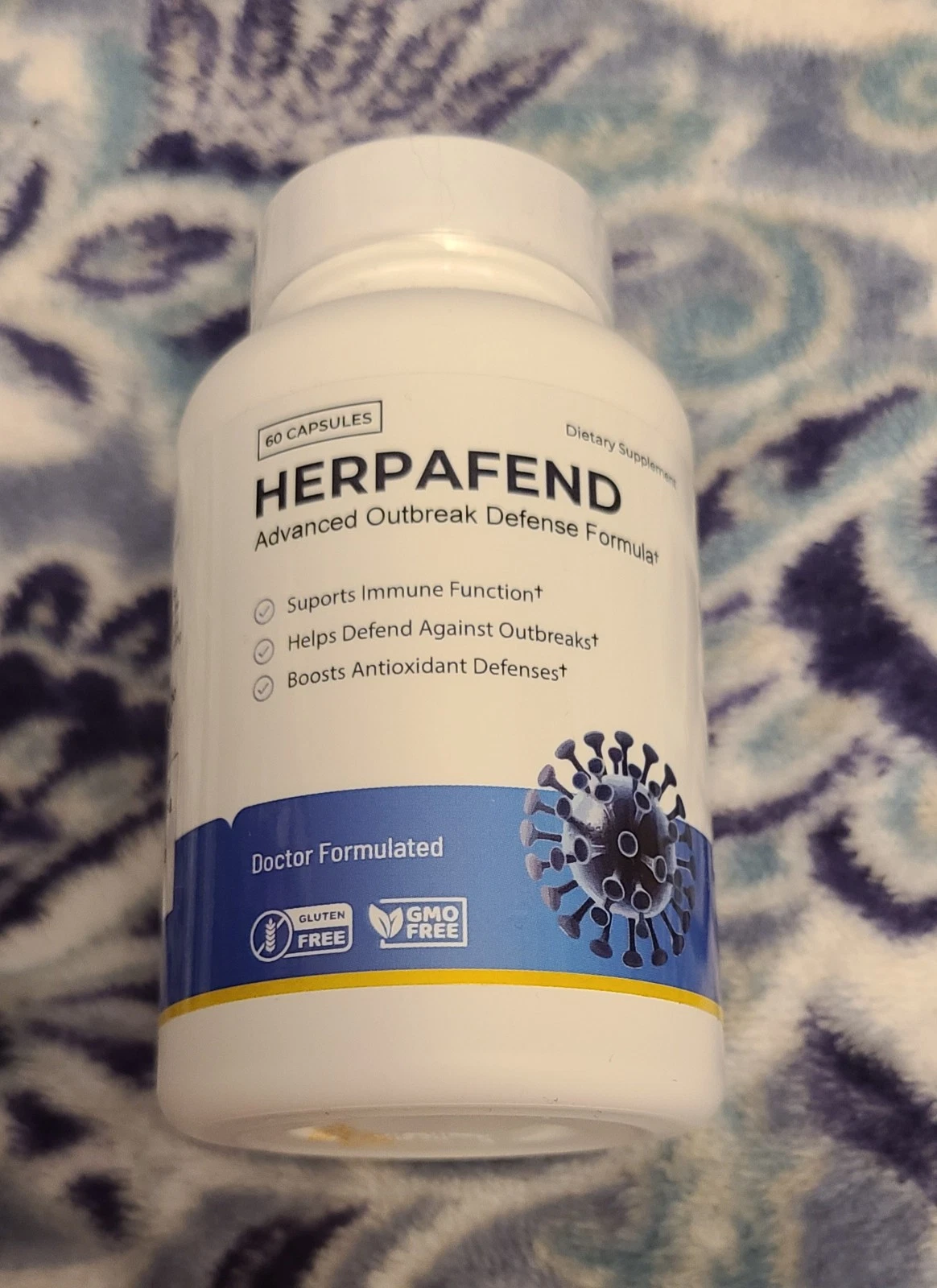
| Key Ingredients | Vitamin C, vitamin D3, vitamin E, vitamin B6, zinc, elderberry extract, echinacea purpurea extract, citrus bioflavonoids, and L-lysine |
| Recommended Dosage | 2 capsules daily |
| How It Is Intended to Work | Nutritional support for immune cells, antioxidant defenses, and general immune resilience |
| Intended Users | Adults looking for complementary immune-support supplementation |
| Prescription Required? | No |
| Clinical HSV Treatment? | No. Herpafend is not an FDA-approved herpes treatment |
| Potential Side Effects | Digestive discomfort, nausea, allergic reactions, and ingredient-dependent medication interactions |
| Expected Results | Individual nutritional responses vary; HSV-specific results have not been clinically established |
| Money-Back Guarantee | Advertised 60-day money-back guarantee, subject to seller terms |
| Availability | Official website |
| My Editorial Rating | 4.6/5 ★★★★★ for formulation concept, convenience, and advertised purchasing benefits; not a clinical efficacy rating |
| Official Website | ✅ Click Here |
My initial impression is that Herpafend has an interesting nutritional foundation. Several of its listed vitamins and minerals have well-established roles in immune function, while the botanical ingredients offer additional areas of research interest. However, the exact quantities of these ingredients matter substantially. Without a fully verified Supplement Facts panel and clinical studies on the finished formula, I would not treat the advertised claims about outbreak reduction as established results.
What Is Herpafend, and What Makes Its Formula Different?
Herpafend is an oral dietary supplement promoted for immune health, with particular attention to people who experience concerns related to herpes simplex infections. According to the product’s marketing, it was developed by Dr. Robert Beck to provide an internal nutritional approach to immune support rather than relying exclusively on products applied to the skin.
The formula brings together vitamins, minerals, an amino acid, and herbal extracts. Its ingredients are intended to support different aspects of normal immune physiology, including the development and activity of immune cells, antioxidant protection, and the maintenance of healthy tissues. The product’s central attraction is its combination of several immune-related nutrients in one daily supplement.
What distinguishes Herpafend from an ordinary multivitamin is its positioning around HSV-related wellness. L-lysine is particularly relevant to that positioning because researchers have investigated its possible relationship with recurrent herpes simplex lesions. However, findings have been inconsistent, and there is insufficient evidence to establish lysine supplementation as a reliable herpes treatment.
I also think it is important to clarify the difference between herpes and general immune weakness. HSV can reactivate even in otherwise healthy individuals with functioning immune systems. The virus establishes latency in nerve cells, and immune activity is only one part of a complicated process involving viral biology, individual triggers, and host responses.
Consequently, I consider Herpafend a specialized immune-support supplement rather than a product proven to address the underlying cause of herpes infections. Its ingredients may provide nutritional value, particularly when someone has inadequate nutrient intake, but the supplement has not been shown to remove dormant HSV or replace prescribed antiviral medication.
How Does Herpafend Work Inside the Body?
The proposed mechanism of Herpafend centers on maintaining normal immune defenses through nutritional supplementation. Its combination of vitamins, zinc, botanical extracts, and L-lysine is intended to support several biological processes associated with immune health.
Supporting Normal Immune Cell Activity
Vitamin D, vitamin C, vitamin B6, and zinc all participate in normal immune function. The immune system uses these nutrients in processes involving cellular signaling, immune-cell development, and responses to infection. When nutritional deficiencies are present, correcting them can help restore normal physiological functioning.
However, consuming additional amounts of these nutrients above what the body needs does not necessarily produce stronger immunity. The relationship between nutrition and infection is more complicated than simply increasing vitamin intake.
Providing Antioxidant Support
Vitamin C, vitamin E, and citrus bioflavonoids contribute to the formula’s antioxidant profile. Antioxidants help protect cells against damage associated with reactive oxygen species, which are produced naturally during metabolism and immune responses.
Maintaining healthy antioxidant defenses is important for general cellular health. Nevertheless, antioxidant support has not been demonstrated to prevent HSV reactivation when delivered through this specific supplement.
Adding Botanical Immune-Support Ingredients
Elderberry and echinacea are included because of their traditional use and research interest in immune wellness. Studies have examined these botanicals primarily in relation to respiratory infections and immune responses, with mixed findings.
Their inclusion gives Herpafend a broader ingredient profile than basic vitamin supplements. Still, research involving individual botanical extracts cannot automatically establish how a combination product will perform.
Exploring the Role of L-Lysine
L-lysine is an essential amino acid involved in protein synthesis and other normal functions. It has attracted interest in herpes research partly because of hypotheses involving its relationship with arginine, another amino acid used in cellular metabolism.
Some older studies reported possible benefits from lysine supplementation, while others failed to demonstrate meaningful improvements. Reviews have concluded that the evidence remains insufficient to recommend lysine confidently for preventing or treating herpes lesions.
In my assessment, Herpafend has a biologically plausible nutritional purpose. What remains unproven is whether its particular formulation meaningfully reduces herpes outbreak frequency, duration, or severity in humans.
Read More: FemiCore Review, Does It Improve Urinary Health?
Herpafend Ingredients: My Detailed Examination of the Formula
Ingredient safety is one of the first areas I investigate when reviewing supplements. A substance can occur naturally and still cause side effects, interact with medications, or become harmful when consumed in excessive quantities. The actual dose, ingredient quality, and individual health circumstances matter more than whether an ingredient is described as natural.
The advertised Herpafend formula includes nine ingredients. I will examine each one individually, focusing on its recognized nutritional role, potential relevance to immune health, and important limitations. The precise amounts should be confirmed using the current product label before purchase.
🍃 1. Vitamin C: Immune Cell Support and Antioxidant Protection
Vitamin C is a water-soluble nutrient required for collagen formation, antioxidant protection, and normal immune activity. It contributes to the function of several immune-cell types and helps maintain epithelial barriers, including the skin and mucous membranes. These barriers are important components of the body’s natural defenses against environmental threats.
I regard vitamin C as a sensible ingredient in an immune-support formula because its physiological importance is well established. However, the scientific evidence does not demonstrate that taking additional vitamin C prevents herpes reactivation. High supplemental doses can also cause diarrhea, abdominal discomfort, or nausea, particularly in sensitive individuals.
🍃 2. Vitamin D3: Supporting Immune Regulation
Vitamin D3, also known as cholecalciferol, supports calcium absorption, skeletal health, and immune regulation. Immune cells contain vitamin D receptors, and adequate vitamin D status helps maintain normal immune responses. Individuals with insufficient vitamin D levels may benefit from supplementation when recommended by a healthcare professional.
Including vitamin D3 gives Herpafend another ingredient with a legitimate nutritional purpose. However, its value depends on the amount supplied and the user’s existing vitamin D status. Excessive vitamin D supplementation can cause elevated blood calcium and other complications, so combining several vitamin D products without checking total intake is unwise.
🍃 3. Vitamin E: Protecting Cells From Oxidative Damage
Vitamin E is a fat-soluble antioxidant that helps protect cell membranes against oxidative damage. It also contributes to normal immune function, particularly through its involvement in cellular signaling and immune responses. Adequate vitamin E intake supports healthy tissues and helps maintain the integrity of cells exposed to everyday metabolic stress.
The antioxidant role of vitamin E makes it a reasonable addition to this formula, although evidence connecting oral vitamin E supplementation with reduced herpes outbreaks is inadequate. I would also pay attention to the dosage because high-dose vitamin E supplements can increase bleeding risk, especially in people taking anticoagulant or antiplatelet medications.
🍃 4. Vitamin B6: Immune Metabolism and Protein Processing
Vitamin B6 participates in numerous enzymatic reactions, including amino acid metabolism, neurotransmitter production, and the formation of substances needed for normal immune function. Because immune cells depend on adequate nutrient availability, vitamin B6 deficiency can interfere with normal physiological responses.
Its inclusion strengthens the nutritional foundation of Herpafend, particularly alongside the other vitamins and minerals. Nonetheless, excessive long-term vitamin B6 supplementation can cause peripheral neuropathy, including tingling or numbness. Anyone already taking a multivitamin or B-complex supplement should check their combined intake rather than assuming more vitamin B6 is automatically beneficial.
🍃 5. Zinc: Essential Mineral for Immune Defenses
Zinc is one of the more relevant ingredients in an immune-support supplement. It contributes to immune-cell development, wound healing, enzyme activity, and the normal maintenance of skin and other protective tissue barriers. Inadequate zinc intake can impair immune function, which makes correcting a deficiency important for maintaining general health.
I see zinc as a useful component, provided the dosage is appropriate. Research into zinc products for certain viral respiratory infections does not establish that a zinc-containing capsule controls HSV outbreaks. Excessive zinc intake can also cause nausea and eventually contribute to copper deficiency, so I would want to know the exact amount supplied in each serving.
🍃 6. Elderberry Extract: Botanical Antioxidants and Immune Research
Elderberry comes from plants belonging to the Sambucus genus and contains naturally occurring compounds, including anthocyanins and other polyphenols. These compounds have antioxidant properties and have attracted research interest for possible effects on immune responses. Elderberry supplements are commonly marketed for seasonal immune wellness.
Although some small clinical studies have explored elderberry for respiratory symptoms, the quality and consistency of the evidence remain limited. There is no reliable clinical basis for concluding that elderberry extract prevents recurrent herpes outbreaks. Proper processing also matters because certain raw or unripe elderberry plant materials can contain potentially toxic compounds.
🍃 7. Echinacea Purpurea Extract: Traditional Herbal Immune Support
Echinacea purpurea is a flowering plant traditionally used in preparations intended to support immune wellness. Researchers have examined various echinacea extracts for their possible influence on immune activity, particularly in the context of common respiratory infections. Some studies suggest modest effects, while others have produced uncertain or negative results.
Its inclusion gives Herpafend a recognizable botanical component, but echinacea products vary significantly in their preparation and chemical composition. I would be particularly cautious with this ingredient in people who have allergies to related plants, autoimmune conditions, or take immunosuppressive medications. Echinacea may cause digestive upset or allergic reactions, and evidence for long-term daily use remains limited.
🍃 8. Citrus Bioflavonoids 50%: Plant Compounds With Antioxidant Activity
Citrus bioflavonoids are naturally occurring compounds found in citrus fruits such as oranges, lemons, and grapefruits. They include several classes of polyphenols investigated for antioxidant and other biological activities. The 50% description generally indicates some degree of extract standardization, although the specific compounds and testing methods should be verified on the product documentation.
From a formulation perspective, citrus bioflavonoids complement vitamin C and vitamin E through their antioxidant profile. However, laboratory observations involving citrus compounds do not prove that oral supplementation produces measurable HSV-related benefits. I would also want the manufacturer to identify the precise extract and clarify potential interactions with medications.
🍃 9. L-Lysine: An Amino Acid Investigated for Herpes Management
L-lysine is an essential amino acid obtained through foods such as meat, dairy products, legumes, and other protein-containing sources. The body needs lysine for protein synthesis, tissue maintenance, and several metabolic processes. It has also been studied as a possible complementary intervention for recurring herpes simplex lesions.
Among Herpafend’s ingredients, lysine is particularly relevant to the product’s herpes-related positioning. However, a published evidence review found that results varied and that lower doses had not demonstrated convincing effectiveness. The amount of lysine supplied by Herpafend is therefore an important unanswered question. Without knowing the dose, I cannot determine whether it resembles the quantities investigated in clinical studies.
My Overall Assessment of the Ingredients
Taken together, these nine ingredients create a formula with a clear immune-support theme. The strongest established rationale comes from the essential vitamins and zinc, which are necessary for normal physiological functions. The botanical extracts and L-lysine introduce additional possibilities, but their HSV-specific effectiveness is considerably less certain.
I appreciate the diversity of the ingredient list, yet I would prefer greater transparency around individual amounts, extract specifications, manufacturing quality, and independent product testing. Those details are necessary to determine whether the formulation is appropriately dosed rather than simply appealing on paper.
Six Potential Benefits of Herpafend Worth Understanding
When examining the benefits of Herpafend, I separate established nutrient functions from outcomes that still require product-specific clinical evidence. This approach is particularly important because a supplement may provide legitimate nutritional support without delivering every result suggested by its marketing.
The six potential benefits below reflect the physiological roles of the listed ingredients and the convenience of the formulation. They should not be interpreted as six clinically proven effects of Herpafend itself, especially where herpes-related outcomes are concerned.
⭐ 1. Helps Maintain Normal Immune System Function
The most persuasive potential benefit is nutritional support for normal immune function. Vitamin C, vitamin D3, vitamin B6, and zinc all participate in processes involving immune-cell development, activity, and signaling. Adequate intake of these nutrients is important because nutritional deficiencies can interfere with the body’s normal immune responses.
For adults who do not obtain enough of these nutrients through their diets, supplementation may help address inadequate intake. That makes Herpafend potentially useful as part of a broader nutritional routine. However, individuals who already have sufficient nutrient levels should not assume that taking more will increase their resistance to infections or prevent HSV reactivation.
⭐ 2. Provides Antioxidant Support for Cellular Wellness
Oxidative stress occurs when the production of reactive molecules exceeds the body’s ability to regulate them. Normal immune activity and everyday metabolism naturally generate these substances, which means the body requires functioning antioxidant systems to maintain cellular health.
Herpafend supplies vitamin C, vitamin E, and plant-derived antioxidant compounds that contribute to its overall antioxidant profile. I consider this a worthwhile nutritional feature because adequate antioxidant intake supports general wellness. Still, the amount of antioxidant activity achieved in the body depends on absorption, metabolism, dosage, and other factors, and it has not been established that this formula improves HSV outcomes.
⭐ 3. Supports the Maintenance of Healthy Skin and Tissues
Healthy skin and mucous membranes perform important protective functions, helping separate internal tissues from potentially harmful environmental exposures. Nutrients such as vitamin C and zinc contribute to collagen-related processes, tissue maintenance, and normal wound-healing physiology.
This aspect may interest people looking to improve overall nutritional support while managing recurring skin concerns. However, I would avoid assuming that Herpafend accelerates the healing of herpes lesions. That specific outcome requires controlled clinical evidence, and painful or persistent herpes lesions should be assessed and treated according to established medical guidance.
⭐ 4. May Help Correct Inadequate Nutrient Intake
Not everyone consistently receives optimal amounts of essential nutrients from food. Restrictive diets, limited food variety, certain health conditions, and other circumstances may contribute to inadequate vitamin or mineral intake. In such situations, a supplement containing relevant nutrients can help improve nutritional coverage.
Herpafend combines several vitamins and zinc in one product, which may appeal to individuals who would otherwise purchase separate supplements. The benefit depends on the actual quantities supplied and whether those quantities match personal needs. It is also important to avoid duplicating nutrients through multiple products, because excessive supplementation can create problems of its own.
⭐ 5. Offers a Complementary Approach to General HSV-Related Wellness
People managing HSV often become interested in factors associated with overall health, including nutrition, sleep, stress management, and immune function. Herpafend’s ingredient selection fits into that broader wellness interest, particularly because L-lysine has been investigated in connection with recurrent herpes symptoms.
I understand the appeal of taking a supplement that addresses nutritional factors while following an established medical management plan. Nevertheless, the evidence does not demonstrate that Herpafend suppresses HSV shedding, prevents transmission, or reliably reduces outbreaks. Anyone considering it for HSV-related concerns should view it as an optional nutritional addition rather than a substitute for proven antiviral therapy.
⭐ 6. Simplifies a Multi-Ingredient Supplement Routine
Convenience is an often-overlooked part of supplement use. A routine involving numerous separate bottles can become expensive, difficult to organize, and easy to follow inconsistently. Herpafend packages several immune-related nutrients and botanical extracts into a recommended daily serving of two capsules.
For someone who has already decided that these particular ingredients are appropriate, the combined formula may make daily supplementation more manageable. The important qualification is that convenience should never replace dose evaluation. One product containing multiple ingredients is only useful when the ingredients and quantities suit the individual’s health circumstances.
My Perspective on the Advertised Benefits
I believe Herpafend has a reasonable basis for offering general nutritional and immune support. Several of its constituents play recognized roles in health, and the combination may appeal to adults seeking an organized supplement routine.
However, I have not found convincing human clinical evidence showing that the finished Herpafend formula reduces HSV outbreak frequency, duration, severity, or viral transmission. I would evaluate any customer claim of dramatic outbreak improvements with that limitation firmly in mind.
Herpafend vs. Other Popular Immune-Support Brands
A useful comparison must look beyond the number of ingredients or the strength of a marketing promise. When I compare Herpafend with conventional immune-support supplements, I focus on formulation purpose, ingredient selection, transparency, convenience, and the evidence supporting expected outcomes.
Herpafend has a distinctive positioning because it combines general immune-support nutrients with ingredients commonly discussed in HSV-related supplement research. The comparison below uses a representative popular multivitamin or immune-support formula as a category benchmark, rather than claiming that every competing product contains the same ingredients.

| Comparison Area | Herpafend | Typical Popular Immune-Support Formula |
|---|---|---|
| Primary Focus | Specifically marketed toward immune support for people concerned about herpes outbreaks. This gives the product a more specialized identity. | Usually marketed for general immunity, seasonal wellness, or daily nutritional coverage without a specific HSV focus. |
| Ingredient Approach | Combines vitamins, zinc, botanicals, citrus compounds, and L-lysine in one formula. | Often emphasizes essential vitamins and minerals, although some versions also include herbs or amino acids. |
| L-Lysine Inclusion | Includes an amino acid investigated in herpes-related research, making it relevant to the product’s intended audience. | Many standard immune-support formulas do not contain L-lysine, although dedicated lysine supplements are available separately. |
| Botanical Diversity | Includes elderberry and echinacea, adding plant-derived components to its nutritional profile. | Some products contain botanicals, while others focus exclusively on conventional vitamins and minerals. |
| Antioxidant Profile | Includes vitamin C, vitamin E, citrus bioflavonoids, and antioxidant-containing botanical extracts. | Antioxidant ingredients vary. Some formulas offer similar nutrients, while simpler options may contain fewer plant compounds. |
| Immune Nutritional Support | Contains nutrients with established physiological roles in normal immune function. | Quality products in this category can provide comparable nutritional support when appropriately dosed. |
| HSV-Specific Evidence | Finished-product clinical effectiveness for HSV has not been established. | General immune supplements also lack evidence demonstrating prevention or treatment of HSV infections. |
| Ingredient Transparency | Advertised ingredient identities are available, but exact quantities and extract details require confirmation. | Some mainstream products provide comprehensive Supplement Facts labels, allowing direct dose comparisons. |
| Daily Convenience | Recommended use involves two capsules per day, offering a consolidated routine. | Depending on the formulation, daily servings may range from one tablet to several capsules or gummies. |
| Affordability | A specialized supplement may cost more than a basic multivitamin, so cost per daily serving should be assessed. | Generic vitamin and mineral supplements are often relatively affordable, although premium blends can also be expensive. |
| Return Policy | Advertises a 60-day money-back guarantee for qualifying official-website purchases. | Return policies vary by brand and retailer, with some offering shorter or more restrictive arrangements. |
| Best-Fit Customer | Adults specifically interested in a combined nutritional formula marketed around HSV-related immune wellness. | Adults primarily concerned with correcting nutrient gaps or supporting general daily nutrition. |
| Main Limitation | Specialized positioning may create expectations about outbreak control that available clinical evidence does not establish. | Broad immune-support formulas may lack specialized ingredients but can be sufficient for basic nutritional needs. |
Where Herpafend Has a Practical Advantage
The combination of L-lysine with several established immune-related nutrients is the aspect that distinguishes Herpafend most clearly. Someone considering separate lysine, vitamin C, zinc, and botanical products may find the combined format appealing, assuming the amounts are appropriate.
Its specialized positioning also makes it easy to understand the intended audience. Rather than presenting itself as a standard daily multivitamin, Herpafend addresses a specific consumer interest in immune wellness associated with recurring herpes concerns. The advertised 60-day refund policy is another useful purchasing feature.
Where Other Supplements May Perform Better
A conventional supplement can be preferable when the priority is transparency, cost, or correction of a specific deficiency. For example, someone who only needs vitamin D or zinc may benefit more from a straightforward product with a clearly stated amount than from a complicated combination formula.
In addition, many established supplement manufacturers publish detailed labels, testing information, and standardized ingredient amounts. Those details make it easier to compare products objectively and reduce the risk of unnecessary nutrient duplication.
My Comparison Verdict
Herpafend stands out for its targeted ingredient combination and convenient two-capsule format. I consider these reasonable advantages over basic formulas that do not address the same nutritional interests.
Nevertheless, I cannot conclude that it is clinically superior to popular competitors. Without direct comparative studies and complete dose information, any claim that Herpafend works better for herpes outbreaks would go beyond the available evidence.
My Herpafend Rating: A Detailed Breakdown
My overall editorial rating for Herpafend is 4.6 out of 5 stars. This is a subjective assessment of the product’s formulation concept, ingredient variety, daily convenience, and advertised consumer protections. It is not a clinical effectiveness score, and it should not be interpreted as evidence that the supplement controls HSV.
After reviewing the ingredient selection and product positioning, I find several elements appealing. At the same time, I have reservations about the absence of established finished-product clinical outcomes and the need for clearer information about ingredient amounts.
Overall Editorial Score
4.6/5 — ★★★★★
| Evaluation Category | My Rating | Explanation |
|---|---|---|
| Overall Editorial Assessment | 4.6/5 ★★★★★ | An appealing combination of immune-related nutrients, botanical extracts, and convenient daily use, with important limitations in clinical validation. |
| Ingredient Selection | 4.8/5 ★★★★★ | The formula contains several recognized nutrients, alongside L-lysine and botanicals relevant to its marketing approach. |
| Immune-Support Rationale | 4.7/5 ★★★★★ | Vitamins C, D3, B6, and zinc have established roles in immune physiology, although this does not establish HSV-specific effectiveness. |
| Antioxidant Composition | 4.6/5 ★★★★★ | The combination of vitamins and plant compounds creates a broad antioxidant profile, subject to appropriate dosing. |
| Daily Convenience | 4.8/5 ★★★★★ | Two capsules per day offer a manageable routine for adults who prefer combined supplementation. |
| Ingredient Transparency | 4.0/5 ★★★★☆ | The named ingredients provide a useful starting point, but clear quantities, extract standardization, and testing documentation are important. |
| Purchasing and Refund Features | 4.7/5 ★★★★★ | The advertised 60-day guarantee is attractive, provided the current terms are honored and understood before purchase. |
| Value as a Supplement Concept | 4.6/5 ★★★★★ | The combined formulation may offer convenience, although actual value depends on price, nutrient quantities, and individual needs. |
How I Arrived at This Rating
My highest category scores go to ingredient selection and convenience because the product has a recognizable nutritional purpose and a straightforward routine. I also appreciate that it combines several different types of ingredients instead of depending entirely on one botanical extract.
The lower transparency score reflects my preference for detailed Supplement Facts information, clear ingredient standardization, and accessible quality-testing documentation. Those factors are particularly important for combination supplements because ingredient names alone do not tell the complete story.
The 4.6/5 overall rating reflects my favorable view of Herpafend as a supplement concept, while recognizing that its actual effectiveness for HSV management remains unproven. I would not assign the same score to herpes outbreak reduction, because sufficient clinical evidence is not available to make that judgment.
How to Use Herpafend Properly
According to the supplied usage instructions, the recommended serving of Herpafend is two capsules per day. The current bottle label should always take priority because manufacturers can update their recommendations or product formulations.
For practical use, I would suggest following the serving directions consistently and taking the capsules with water. If the label permits administration with food, that may be more comfortable for someone who experiences stomach irritation from supplements containing zinc or other concentrated ingredients.
I would also avoid taking extra capsules in the hope of accelerating results. Vitamins and minerals have established safe-intake considerations, while herbal ingredients can produce side effects or interactions. Taking more than the recommended amount does not guarantee stronger immune function.
Anyone using the supplement alongside a multivitamin, standalone zinc product, vitamin D supplement, or prescribed medication should review the combined ingredients with a qualified healthcare professional. Two capsules daily is the advertised serving, not a guarantee of therapeutic benefit.
Herpafend Pros and Cons: What I Appreciated and What Concerned Me
No supplement deserves an entirely positive assessment simply because its ingredient list sounds impressive. My examination of Herpafend identified several attractive features, along with limitations that could materially influence a purchasing decision.
The following comparison summarizes six advantages and four disadvantages, with particular emphasis on practical considerations rather than promotional promises.
| Pros | Cons |
|---|---|
| 1. Broad Immune-Support Formula: Herpafend combines several nutrients involved in normal immune physiology. This gives the product a reasonable nutritional foundation and may appeal to adults seeking more than a single-ingredient supplement. | 1. Lack of Established HSV-Specific Clinical Evidence: The most significant limitation is the absence of convincing published clinical evidence demonstrating that the finished product prevents or treats herpes outbreaks. Its marketed purpose is more specific than its demonstrated effectiveness. |
| 2. Includes L-Lysine: The presence of L-lysine makes the formula relevant to people researching nutritional approaches to recurring herpes concerns. Although evidence is inconclusive, it is an ingredient with a documented history of investigation in this area. | 2. Limited Dose Transparency: Without verified quantities for every ingredient, it is difficult to determine whether the formula supplies meaningful amounts or creates unnecessary exposure to certain nutrients. This also complicates comparisons with established products. |
| 3. Multiple Antioxidant Ingredients: Vitamin C, vitamin E, and citrus-derived compounds contribute to antioxidant nutrition. Their inclusion provides broader cellular-support potential than a product containing only one vitamin or mineral. | 3. Potentially Higher Long-Term Cost: Specialized combination supplements can become expensive when purchased continuously. Consumers should calculate the actual daily expense and consider whether a simpler product could meet their nutritional needs. |
| 4. Convenient Two-Capsule Routine: The straightforward dosage may make it easier for adults to maintain their chosen supplement schedule without organizing numerous separate bottles. | 4. Possible Side Effects and Interactions: Echinacea, zinc, fat-soluble vitamins, and other ingredients may not be appropriate for everyone. A natural ingredient list does not eliminate allergy concerns or medication interactions. |
| 5. Combines Nutritional and Botanical Components: The mixture of essential nutrients, elderberry, and echinacea offers a wider formulation approach than basic vitamin products. This may interest consumers who specifically prefer combination supplements. | |
| 6. Advertised 60-Day Refund Protection: The money-back guarantee can provide additional purchasing reassurance for eligible official-website orders. Consumers should review the current terms, including deadlines and return requirements, before relying on this benefit. |
My Assessment of These Strengths and Weaknesses
The product’s main strengths are its ingredient diversity, convenient presentation, and relevant nutritional foundation. These characteristics help explain why Herpafend may appeal to someone who has researched several different immune-support ingredients and prefers a single formulation.
Its limitations are equally important. The product has not established superiority over conventional supplements or medical HSV treatments, and the absence of verified dose information makes a full safety and value assessment difficult. I would consider the advantages meaningful, but only within a realistic understanding of what a dietary supplement can accomplish.
What Are the Possible Side Effects of Herpafend?
Potential side effects are an essential consideration with Herpafend, especially because it contains multiple nutrients and botanical extracts. A complete product-specific adverse-event profile has not been established through large published clinical trials.
Digestive discomfort is one possible concern. Zinc and certain herbal extracts can cause nausea, stomach upset, diarrhea, or abdominal discomfort, particularly when consumed at unsuitable doses or on an empty stomach.
Allergic reactions are another consideration, especially with echinacea. People who are sensitive to plants in the daisy family may be more likely to experience problems. Symptoms such as rash, itching, swelling, or breathing difficulties require prompt attention, with severe reactions needing emergency care.
Excessive or prolonged intake of certain vitamins and minerals can create additional risks. Too much zinc may interfere with copper status, high vitamin B6 exposure may damage peripheral nerves, excess vitamin D may raise blood calcium, and high-dose vitamin E may contribute to bleeding concerns.
I would stop taking the supplement and seek medical advice if unusual symptoms occurred. Anyone experiencing severe allergic symptoms should seek emergency treatment rather than waiting to see whether the reaction resolves.
Is Herpafend Safe for Daily Use?
The ingredients advertised in Herpafend include nutrients commonly consumed through food and dietary supplements. Several are generally well tolerated at appropriate doses, which is reassuring from a nutritional perspective. However, I cannot confirm that the finished formula is safe for every adult without complete dose information and product-specific safety testing.
The most important precautions involve existing medical conditions, allergies, pregnancy, breastfeeding, medications, and overlapping supplements. Natural does not automatically mean risk-free, and the safest approach is to review the full label before starting regular use.
For a generally healthy adult, an appropriately formulated immune-support supplement may be reasonable. Nevertheless, Herpafend should not be used instead of prescribed herpes treatment, particularly when outbreaks are frequent, painful, prolonged, or associated with complications.
Can You Take Herpafend With Other Medications?
Anyone taking prescription medication should check for potential interactions before adding Herpafend to their routine. This is particularly important because the formula contains vitamins, minerals, and herbal extracts that may influence medication absorption or biological activity.
Zinc can interfere with the absorption of certain antibiotics when taken too close together. Vitamin E may increase bleeding concerns with some anticoagulant or antiplatelet medicines, especially at high supplemental doses. Echinacea also raises potential interaction concerns with immunosuppressive medications and certain medicines metabolized by the liver.
People taking antiviral drugs such as acyclovir, valacyclovir, or famciclovir should not discontinue or alter those medications because they begin taking a supplement. Although Herpafend is marketed toward HSV-related wellness, there is insufficient information to guarantee the absence of interactions with every antiviral regimen.
My advice is to have a pharmacist or healthcare professional review the complete Herpafend label alongside your current medications. This is particularly important for individuals with kidney disease, liver conditions, autoimmune disorders, or complicated medication schedules.
Who Might Consider Herpafend, and Who Should Avoid It?
Choosing a supplement involves more than identifying a desired benefit. With Herpafend, I would look carefully at the individual’s nutritional needs, medical history, expectations, and current treatment plan.
People Who May Consider It
- Adults interested in complementary immune nutrition: Individuals seeking a combination of vitamins, zinc, and botanical ingredients may appreciate the formulation, provided its doses are suitable and they understand the limits of the evidence.
- People with inadequate intake of certain nutrients: Those who do not consistently meet their nutritional requirements may benefit from appropriately selected supplements. Ideally, nutrient needs should be identified rather than assumed.
- Adults who prefer combined formulas: Anyone currently purchasing several separate immune-support products may find a two-capsule routine more practical, although cost and total nutrient intake should be evaluated.
- Individuals already following appropriate HSV management: Someone receiving established medical care who wants additional general nutritional support may discuss the product with their clinician. It should remain supplementary to, rather than a replacement for, effective treatment.
People Who Should Avoid It or Seek Medical Advice First
- Pregnant or breastfeeding individuals: Safety information for the entire formula, especially the herbal ingredients, is insufficient to recommend routine use without professional guidance.
- People with autoimmune conditions or taking immunosuppressants: Echinacea may influence immune activity, creating concerns for individuals with certain medical conditions or treatments.
- Those with known botanical allergies: Anyone with previous reactions to echinacea or related plants should examine the ingredient list carefully and avoid the product when appropriate.
- Individuals with kidney or liver disease: Some supplements may require closer monitoring in people with reduced organ function, particularly when multiple ingredients are combined.
- People taking medications with known nutrient interactions: Anticoagulants, certain antibiotics, and immunosuppressive medicines deserve special consideration because of potential interactions with ingredients in the formula.
- Children and adolescents: The supplied information describes an adult-oriented supplement, and appropriate pediatric safety and dosing have not been established.
I would also discourage anyone from relying on Herpafend alone for severe herpes symptoms. Genital herpes during pregnancy, eye involvement, neurological symptoms, or unusually extensive lesions require prompt medical evaluation because complications can be serious.
What I Didn’t Like About Herpafend and the Reasons Behind My Concerns
After examining Herpafend, I found several aspects that deserve improvement. These concerns do not mean the product lacks nutritional value, but they influence how confidently I can recommend it.
- Insufficient finished-product clinical evidence: The manufacturer’s outbreak-related claims are more ambitious than the available evidence supports. I would like to see well-designed human trials comparing the actual formula with a placebo, with clearly defined outcomes such as outbreak frequency and symptom duration.
- Unclear individual ingredient quantities: An ingredient list is only part of the information needed to assess a supplement. Without precise dosages, consumers cannot determine whether the product provides nutritionally meaningful amounts or how those amounts compare with researched doses.
- Marketing that may oversimplify HSV biology: Herpes reactivation cannot be explained solely by a weakened immune system. HSV establishes latency in nerve tissue, and recurrence patterns are influenced by multiple factors. Simplified explanations can create unrealistic expectations about what immune-support supplementation can accomplish.
- Limited independently verified customer outcomes: Testimonials can be useful for understanding purchasing experiences, but they do not establish medical effectiveness. I would prefer more accessible, independently verified feedback that distinguishes product satisfaction from objectively documented clinical improvements.
- Uncertain value without complete formula details: A multi-ingredient supplement may appear convenient, but cost-effectiveness depends on actual doses and product quality. Consumers need enough information to determine whether they are paying for substantial nutritional content or primarily for specialized marketing.
- Potential for unnecessary supplementation: Some adults already obtain adequate levels of the included vitamins and minerals through diet or existing supplements. Adding another combined formula without reviewing total intake may offer little additional benefit and could increase adverse-effect risks.
What Would Improve My Confidence?
I would welcome a complete and easily accessible Supplement Facts panel, transparent botanical extract specifications, independent quality-testing documentation, and published human clinical research involving the finished product.
These improvements would help consumers evaluate Herpafend more confidently. They would also allow reviewers to distinguish its legitimate nutritional strengths from claims that have not yet been demonstrated through clinical investigation.
Is Herpafend a Scam or a Legitimate Supplement?
Based on the available information, Herpafend is presented as a commercially marketed dietary supplement with an advertised ingredient formula and refund policy. These features suggest an identifiable product offering, but they do not independently verify manufacturing quality, seller reliability, or medical effectiveness. I would not automatically label it a scam, and I would not classify its herpes-related promises as clinically proven.
The sensible approach is to distinguish the legitimacy of a product sale from the accuracy of its health claims. Before purchasing, I would verify the checkout merchant, total charges, refund conditions, complete ingredient label, and customer-service information. Claims that Herpafend cures herpes, eradicates HSV, or guarantees freedom from outbreaks should be treated skeptically because those outcomes have not been established by reliable evidence.
Alternatives to Herpafend Available on Amazon
There are several established supplement brands offering products with ingredients similar to those found in Herpafend. These alternatives may suit people who prefer a simpler formulation, want to focus on a particular nutrient, or would like to compare supplement prices and serving amounts.
I would not describe these products as automatically superior to Herpafend. They serve somewhat different nutritional purposes, and none should be considered a clinically established replacement for prescription herpes treatment. Availability and formulations on Amazon can change, so the exact listing and label should be checked before purchasing.
1. Solgar L-Lysine
Solgar offers L-lysine supplements intended to provide a concentrated source of this essential amino acid. A standalone lysine supplement may interest adults who specifically want to investigate lysine as part of their nutritional routine without taking a wider range of herbal extracts.
Its main advantage is simplicity, since a single-ingredient product generally makes it easier to identify the amount consumed. However, lysine research relating to herpes recurrence remains inconclusive, and consumers should not assume that taking a concentrated lysine product will prevent lesions or eliminate HSV.
2. Nature’s Way Sambucus Elderberry
Nature’s Way offers Sambucus-branded elderberry supplements commonly marketed for immune wellness. Depending on the exact product, formulations may include elderberry extracts alongside selected vitamins or minerals.
This alternative may appeal to individuals primarily interested in botanical antioxidant supplementation. It differs from Herpafend because it does not necessarily provide the same broad combination of L-lysine and other ingredients. Research on elderberry has focused mainly on respiratory health, and HSV-specific benefits are not established.
3. Garden of Life Vitamin Code Raw Zinc
Garden of Life offers zinc-focused nutritional supplements, with certain formulations including additional food-derived components or supporting nutrients. These products may interest consumers whose primary goal is ensuring adequate zinc intake.
A dedicated zinc product can provide a clearer approach when zinc supplementation is appropriate. The downside is that it does not reproduce Herpafend’s broader formula, and excessive zinc intake remains a concern. Consumers should check the elemental zinc amount and avoid unnecessary overlap with multivitamins.
4. Thorne Vitamin D-1000
Thorne Vitamin D-1000 is designed to provide vitamin D3 in a straightforward supplement format. It may be useful for adults who need additional vitamin D based on their diet, lifestyle, laboratory findings, or clinical advice.
Its appeal is the focused ingredient approach and clearly defined nutritional purpose. However, vitamin D supplementation should correspond to individual needs, and taking it does not establish protection against HSV outbreaks. It is an alternative for nutritional support rather than a direct substitute for the Herpafend combination.
5. Life Extension Vitamin C and Bio-Quercetin
Life Extension offers a vitamin C formula combined with a flavonoid ingredient intended to complement antioxidant support. It may appeal to people interested in vitamin C supplementation alongside plant-derived antioxidant compounds.
This product has a narrower nutritional focus than Herpafend, which can be advantageous for consumers who prefer fewer ingredients. Nevertheless, its composition differs, and evidence supporting antioxidant nutrients in general should not be interpreted as proof of herpes prevention or treatment.
My Thoughts on Choosing an Alternative
The best alternative depends on the reason for supplementation. Someone who needs to correct a specific deficiency may benefit from a focused nutrient product, while a consumer interested in several types of ingredients may prefer a combination formula.
Herpafend remains distinctive in its HSV-oriented marketing and broad ingredient selection. Before choosing between these options, I would compare dose transparency, third-party quality information, daily cost, and personal medical considerations rather than relying on promises of stronger immunity.
Herpafend 60-Day Money-Back Guarantee: What Buyers Should Know
One feature I appreciate about Herpafend is its advertised 60-day money-back guarantee. The manufacturer’s sales materials describe a refund arrangement intended to give customers an opportunity to evaluate their purchase and request their money back if they are dissatisfied.
A refund policy can be particularly valuable when purchasing a supplement with uncertain individual outcomes. Since nutritional responses vary and HSV-specific effectiveness has not been clinically established, having a clearly defined return option may reduce some of the financial uncertainty associated with trying the product.
Why Ordering Through the Official Website Matters
The advertised 60-day guarantee applies to qualifying purchases through the official website and its authorized checkout process. Consumers should not assume that products purchased through unrelated sellers, auction websites, or unauthorized marketplace listings receive the same protection.
Purchasing through the advertised official channel also makes it easier to identify the correct retailer, obtain an order confirmation, and locate the terms associated with the transaction. These records can become important if a refund request is necessary.
How to Protect Your Purchase
I recommend saving the order confirmation, transaction receipt, purchase date, and any emails containing the seller’s return instructions. Before completing checkout, review the current refund policy for the deadline, eligible order types, handling of opened bottles, return-shipping responsibilities, and the method used to issue refunds.
The manufacturer’s promotional material states that used bottles may be returned, but consumers should verify the applicable terms directly before purchase. A 60-day guarantee is a helpful purchasing feature, although it does not guarantee clinical results or remove every possible return-related expense.
My Assessment of the Refund Policy
I view the guarantee positively because it demonstrates an advertised willingness to accept eligible returns within a defined period. For someone concerned about spending money on a supplement that may not suit their needs, that can be an important consideration.
However, trust depends on the actual written terms and how reliably the seller fulfills them. I would review the policy before ordering and keep documentation throughout the return window rather than treating a promotional guarantee as unconditional protection.
Frequently Asked Questions About Herpafend
Q1: What is Herpafend primarily designed to do?
A: Herpafend is marketed as a dietary supplement intended to support normal immune function, with particular emphasis on individuals concerned about recurring herpes symptoms. Its formula combines essential vitamins, zinc, botanical extracts, citrus bioflavonoids, and L-lysine.
The ingredients have different nutritional and biological roles, but the finished product has not been clinically established as a treatment for HSV infections. I would interpret its purpose as complementary nutritional support rather than a substitute for antiviral medication or professional healthcare.
Q2: Can Herpafend completely eliminate the herpes virus?
A: There is no reliable evidence that Herpafend eliminates herpes simplex virus from the body. HSV establishes latency in nerve cells, and currently available medical treatments do not eradicate the latent infection.
Prescription antiviral medications can help manage symptoms, reduce recurrence frequency, and, in certain circumstances, lower transmission risk. Supplementation may contribute to general nutritional health, but claims of permanent HSV elimination should not influence purchasing decisions.
Q3: How long does Herpafend take to work?
A: There is no established clinical timeline demonstrating when Herpafend produces measurable HSV-related results. Any nutritional benefit would depend on factors such as existing nutrient intake, individual needs, ingredient quantities, and consistency of use.
I would be cautious about advertising specific improvements after a particular number of days or weeks. People with recurrent HSV symptoms should discuss established episodic or suppressive antiviral treatment with their healthcare professional instead of delaying effective care while waiting for supplement results.
Q4: Can Herpafend be taken alongside prescription antiviral medication?
A: Some people use nutritional supplements while taking prescription medications, but compatibility must be evaluated using the complete ingredient list and individual medical history. Herpafend contains multiple components, and potential interactions cannot be ruled out without knowing the exact formulation and doses.
Anyone taking acyclovir, valacyclovir, famciclovir, or other prescribed medication should ask a pharmacist or clinician to review the supplement. It is particularly important not to reduce or discontinue antiviral treatment simply because a supplement is being added.
Q5: Is Herpafend suitable for both men and women?
A: The general nutritional roles of Herpafend’s vitamins, minerals, and amino acid ingredients are relevant to adults of different sexes. However, suitability depends more on health status, medication use, nutrient needs, and potential allergies than on sex alone.
Pregnancy and breastfeeding require additional caution because the safety of the complete botanical-containing formula has not been adequately established. Individuals in these circumstances should obtain professional guidance rather than assuming that a supplement marketed for adults is automatically appropriate.
Q6: What complaints should prospective buyers consider?
A: Potential concerns include uncertainty about HSV-specific effectiveness, the cost of continued supplementation, incomplete ingredient-dose information, and the possibility of experiencing side effects. These are reasonable issues to investigate before making a purchase.
I also recommend treating customer testimonials with appropriate caution. A positive personal experience does not prove medical effectiveness, and an isolated complaint does not necessarily establish a systematic product problem. Verified purchase information and documented clinical outcomes are more useful than anonymous promotional claims.
Q7: Is Herpafend better than taking L-lysine alone?
A: Herpafend provides a broader ingredient combination, which may appeal to individuals interested in several nutrients and botanical extracts. A standalone L-lysine supplement, on the other hand, can make it easier to evaluate the dosage of one specific amino acid.
Neither approach has been demonstrated to be reliably superior for preventing herpes outbreaks. I would base the decision on nutritional needs, ingredient amounts, tolerability, cost, and medical advice rather than assuming that more ingredients necessarily produce better results.
Q8: Where should Herpafend be purchased to qualify for the money-back guarantee?
A: The product advertises a 60-day refund policy associated with purchases through its official sales channel. To preserve eligibility, consumers should follow the official ordering process and review the return terms displayed by the retailer before paying.
I recommend keeping the transaction receipt and carefully checking any conditions related to refund timing, returned bottles, and shipping costs. Purchasing from an unrelated seller may not provide access to the same guarantee, even when the product name and packaging appear similar.
My Final Verdict: Is Herpafend Worth Considering?
After examining the formulation, advertised benefits, scientific evidence, and purchasing conditions, I consider Herpafend an interesting nutritional supplement for adults who want a convenient combination of immune-related vitamins, minerals, and botanical ingredients. Its greatest strengths are its varied formula, straightforward two-capsule routine, and advertised 60-day refund protection. Those features explain my positive editorial assessment, although they do not establish effectiveness against herpes infections.
The major limitation is the lack of convincing clinical evidence that the finished supplement reduces outbreak frequency, severity, duration, or viral transmission. Herpafend is not a cure for herpes and should never replace appropriate antiviral treatment. I would also prefer complete ingredient-dose transparency and independent quality documentation before making a stronger recommendation. Anyone considering long-term use should assess their nutritional needs and review potential interactions with a healthcare professional.
My overall editorial rating remains 4.6/5 stars for the supplement’s formulation concept and purchasing features. If its ingredient combination matches your nutritional goals, you can visit the official Herpafend website here to examine the current label, pricing, and refund conditions before deciding whether to buy. I would approach that decision with realistic expectations and continue using evidence-based medical care for HSV management.
Disclaimer
This review is provided for informational and educational purposes and does not constitute medical advice, diagnosis, or treatment. Herpafend is a dietary supplement, not an FDA-approved treatment for herpes simplex infection. Individual results may vary, and clinical effectiveness for HSV has not been established. Consult a qualified healthcare professional before using supplements, especially if you take medications, are pregnant or breastfeeding, or have an existing medical condition. This article contains affiliate links, and I may earn a commission from qualifying purchases at no additional cost to you. Product ratings represent editorial assessments rather than independently verified clinical outcomes.
References and Scientific Sources
The following authoritative resources informed my analysis of HSV management, immune-related nutrients, L-lysine, and botanical supplement safety. These sources provide general scientific evidence and do not constitute clinical validation of the finished Herpafend product.
- Centers for Disease Control and Prevention (CDC). Genital Herpes: STI Treatment Guidelines.
Clinical guidance covering HSV infection, recurrent outbreaks, antiviral treatment, suppressive therapy, and prevention of transmission.
https://www.cdc.gov/std/treatment-guidelines/herpes.htm - National Institutes of Health, Office of Dietary Supplements. Dietary Supplements for Immune Function and Infectious Diseases.
Evidence-based analysis of nutrients such as vitamins C, D, E, B6, and zinc, including their physiological functions, potential benefits, safety considerations, and interactions.
https://ods.od.nih.gov/factsheets/ImmuneFunction-HealthProfessional/ - Mailoo, V. J., and Rampes, S. Lysine for Herpes Simplex Prophylaxis: A Review of the Evidence. Integrative Medicine, 2017.
A review evaluating clinical research on oral lysine supplementation for preventing recurrent herpes simplex symptoms and discussing limitations in the available evidence.
https://pmc.ncbi.nlm.nih.gov/articles/PMC6419779/ - National Center for Complementary and Integrative Health (NCCIH). Echinacea: Usefulness and Safety.
Scientific guidance describing echinacea research, variations in herbal preparations, possible adverse effects, and medication-interaction concerns.
https://www.nccih.nih.gov/health/echinacea - National Center for Complementary and Integrative Health (NCCIH). Colds, Flu, and Complementary Health Approaches: Usefulness and Safety.
Research-based discussion of evidence and limitations relating to immune-oriented supplements and complementary health approaches, including vitamin C, zinc, and botanical ingredients.
https://www.nccih.nih.gov/health/colds-flu-and-complementary-health-approaches