

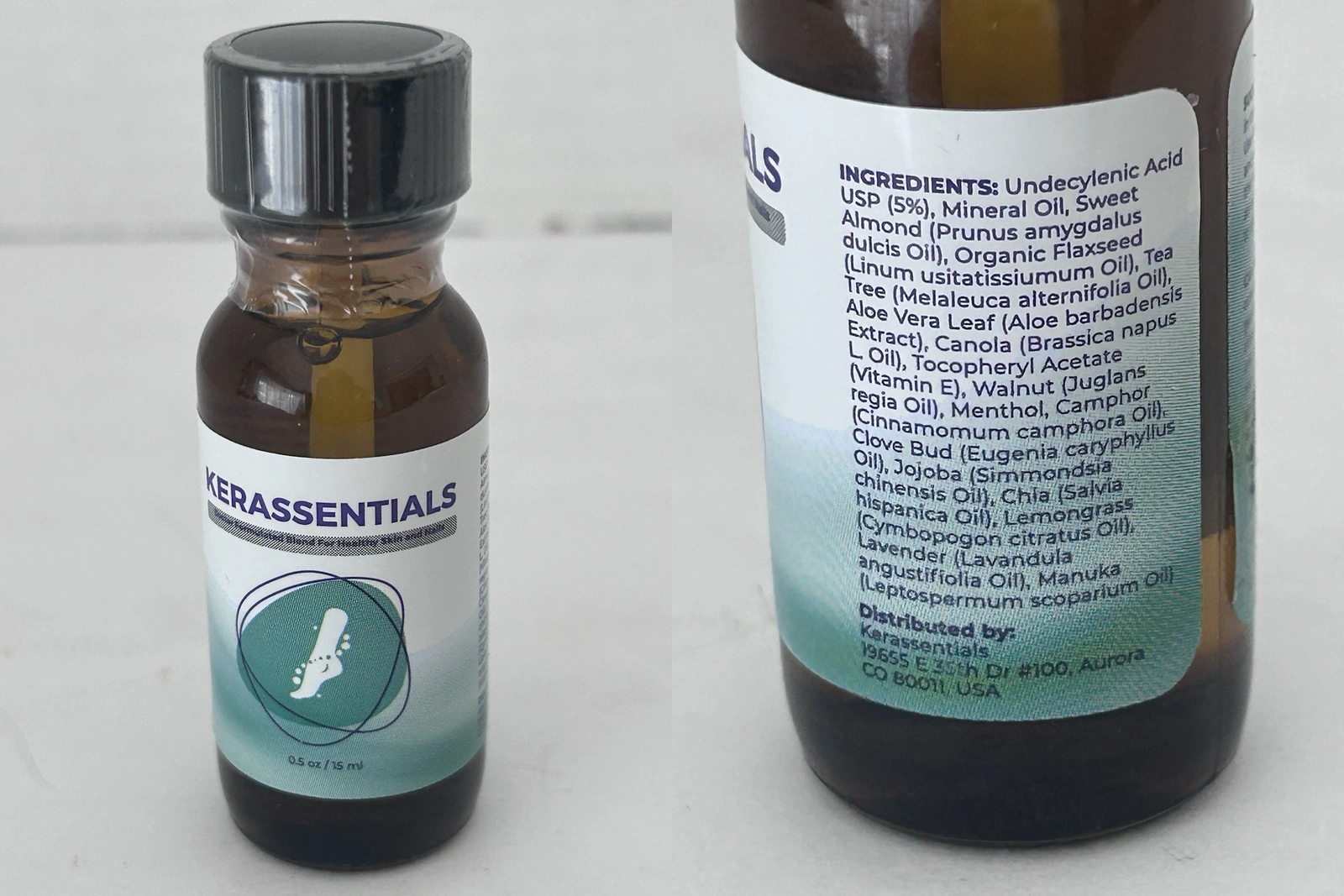
Toenail fungus can be an unusually stubborn problem. Discoloration, thickening, brittle nail edges, and irritation around the toes can make ordinary activities uncomfortable and leave people searching for something more convenient than complicated treatment routines. Unfortunately, the market is crowded with products promising dramatic improvements, making it difficult to distinguish practical nail care from exaggerated advertising.
Kerassentials caught my attention because it combines botanical oils, skin-conditioning ingredients, and an antifungal compound in a topical formula. Rather than relying on a single plant extract, it aims to address nail appearance and the condition of surrounding skin through repeated applications.
This is my detailed review of what I discovered about Kerassentials, including customer feedback, complaints, possible side effects, ingredients, application instructions, and whether the product is legitimate or worth considering. I also examined the scientific evidence behind its highlighted ingredients, the manufacturer’s claims, and the alternatives consumers should understand before making a purchase.
Kerassentials Product Overview
Before examining its individual ingredients, I wanted to establish what the product actually offers and which details are important when evaluating its suitability for daily nail care.
| Product Detail | Information |
|---|---|
| Product Name | Kerassentials |
| Category | Topical nail and surrounding-skin care oil |
| Primary Purpose | Supports healthier-looking nails, conditions cuticles, and provides botanical ingredients with potential antimicrobial properties |
| Product Format | Liquid oil-based formula applied using an enclosed applicator |
| Highlighted Ingredients | Lavender oil, organic flaxseed oil, almond oil, tea tree oil, lemongrass oil, aloe vera, tocopheryl acetate, and undecylenic acid |
| Application Schedule | Four applications daily: twice in the morning and twice in the afternoon |
| Intended Users | Adults interested in topical nail maintenance and supportive care for cosmetically damaged nails |
| Clinical Evidence | Research exists on individual ingredients; finished-product efficacy for fungal nail infections remains unverified |
| Pricing | Current packages and available offers can be checked through the official website |
| Refund Protection | Advertised 60-day money-back guarantee, subject to the seller’s return procedures |
| Overall Editorial Rating | 4.7/5 — ★★★★½ |
| Official Website | ✅ Click Here |
What Exactly Is Kerassentials?
Kerassentials is an externally applied nail-care formulation marketed toward people experiencing damaged-looking, discolored, or otherwise unhealthy nails. Its central proposition is that combining nourishing oils with selected antifungal-oriented ingredients can provide broader support than using a basic moisturizing oil alone.
Unlike oral antifungal medications, it is applied directly to the nail surface and cuticle area. This makes the format appealing to consumers who prefer localized application, although topical delivery also creates a challenge: fungal infections can develop beneath the hard nail plate, where ordinary oils may not penetrate effectively.
The manufacturer emphasizes healthier-looking nails, improved skin comfort, and continuing care during nail growth. These are reasonable areas to investigate, but they should not be confused with clinically proven elimination of onychomycosis, the medical term for fungal nail infection.
Who Is Behind the Formula?

Some Kerassentials promotional websites identify Dr. Kimberly Langdon as a physician associated with the formulation. However, I could not independently establish her precise development role through primary documentation or locate a published clinical trial confirming that she personally tested the finished formula.
I therefore regard the doctor-formulated positioning as a marketing claim rather than independent proof of medical effectiveness.
A physician’s reported involvement can be reassuring, but documented product testing is more informative when evaluating antifungal performance.
How Kerassentials Is Intended to Work
The formula combines two different approaches: conditioning the nail environment and introducing ingredients associated with antimicrobial activity.
Its botanical carrier oils can help soften cuticles and reduce the dry appearance of surrounding skin. Meanwhile, tea tree oil, lemongrass oil, and undecylenic acid have properties that make them relevant to discussions of fungal growth.
The practical obstacle is penetration. Toenails consist primarily of tightly packed keratin, and fungal organisms may reside below the visible surface. An ingredient demonstrating antifungal activity in a laboratory does not automatically reach those organisms in sufficient quantities when included in a cosmetic-style oil.
Consequently, I see the product’s most credible role as supportive nail and skin care, with its ability to cure established fungal infection remaining unproven.
Kerassentials Ingredients: My Detailed Formula Analysis
The composition deserves careful examination because the highlighted ingredients perform different functions. Some primarily condition skin, while others have antimicrobial research behind them.
The following are the eight ingredients supplied for this review. They should be regarded as highlighted components rather than independent verification of the complete current ingredient label.
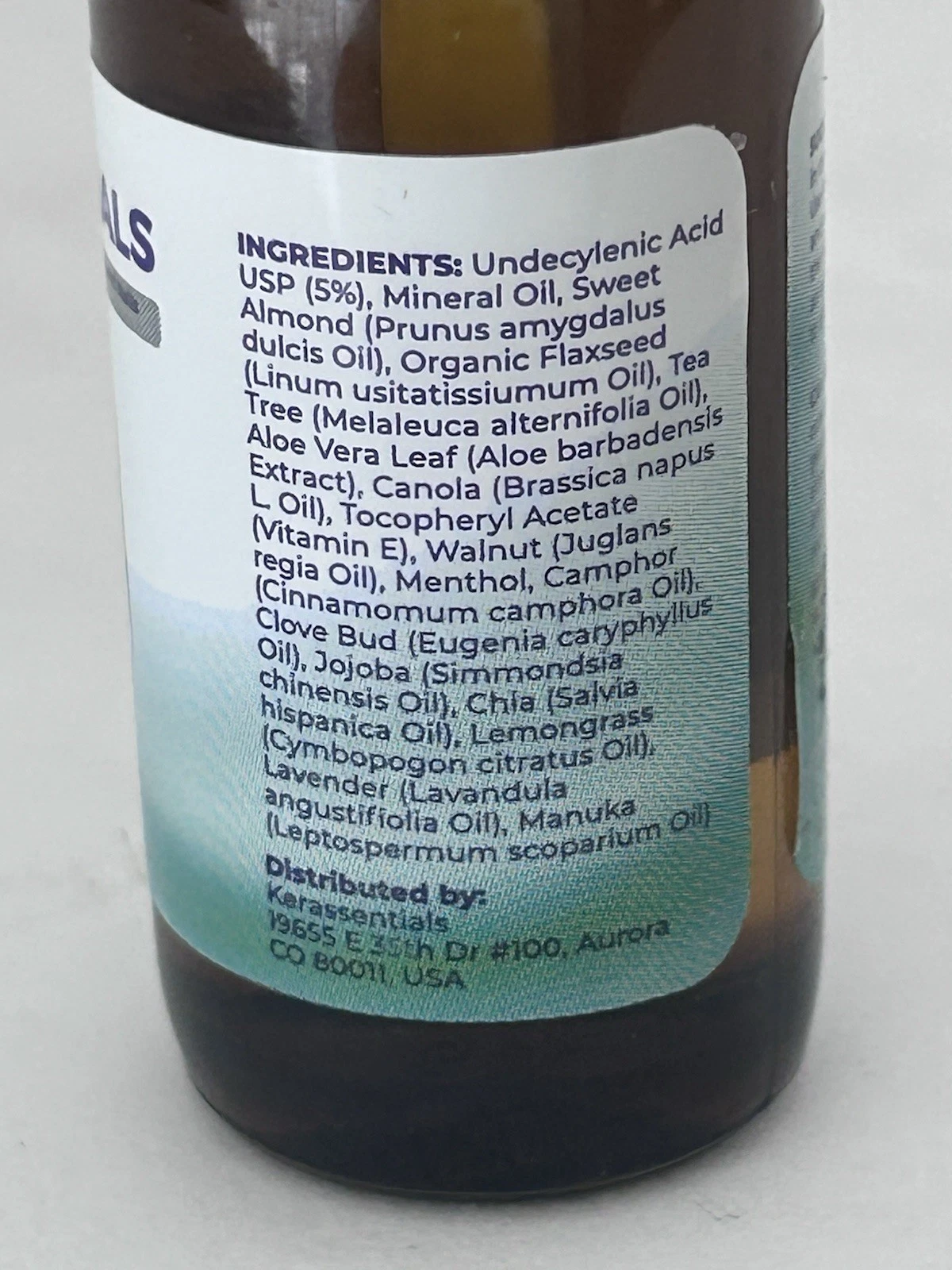
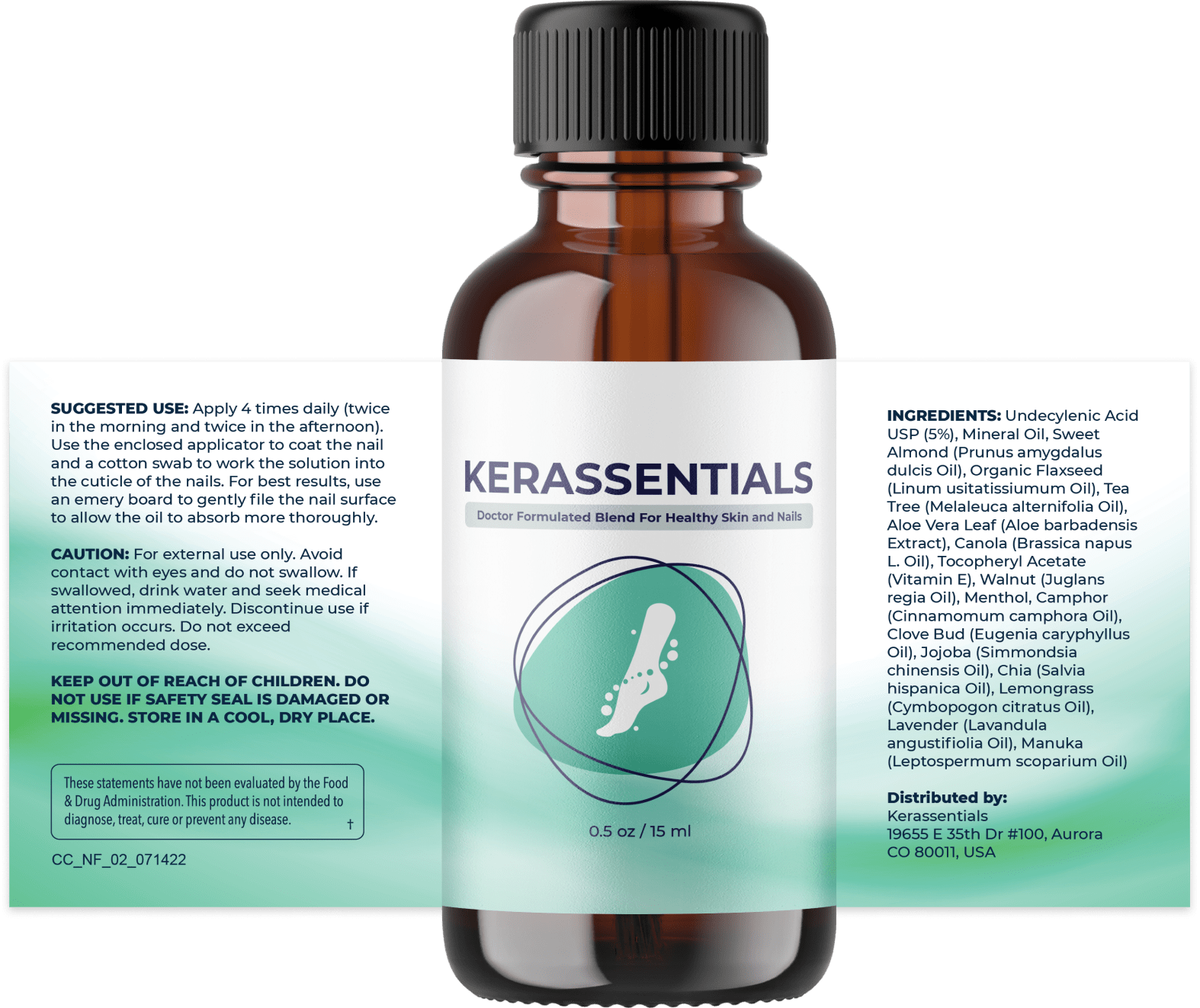
🍃 Lavender Oil
Lavender oil is widely used in topical products for its fragrance and skin-care properties. Laboratory research has also explored antimicrobial activity in certain lavender extracts, although this does not establish reliable treatment of fungal infections beneath toenails.
In Kerassentials, I consider lavender mainly a supplementary skin-care ingredient. Its aromatic character may improve the application experience, but fragrance compounds can also trigger irritation or allergic contact dermatitis in sensitive individuals.
🍃 Organic Flaxseed Oil
Flaxseed oil contains fatty acids, particularly alpha-linolenic acid, that make it useful as an emollient ingredient. Applied topically, oil-based materials can improve the feel of dry skin and reduce moisture loss by supporting surface conditioning.
Its relevance here is primarily cosmetic. Although flaxseed oil has interesting biological properties, convincing human evidence that topical flaxseed oil eliminates toenail fungus is lacking. Its inclusion makes more sense as part of the formula’s moisturizing foundation.
🍃 Almond Oil
Almond oil is frequently incorporated into moisturizers and massage oils because it spreads easily and helps soften rough, dry skin. Around the toenails, that conditioning action may improve the appearance and flexibility of neglected cuticles.
It should not, however, be characterized as a proven antifungal nail treatment. People with almond allergies should also be cautious, especially when the refinement and protein content of the oil have not been independently established.
🍃 Tea Tree Oil
Tea tree oil is among the more scientifically interesting components. It contains terpene compounds, including terpinen-4-ol, that have demonstrated antifungal activity in experimental studies.
A clinical study comparing concentrated tea tree oil with clotrimazole found some improvement in participants with fungal nail infections, but complete culture-confirmed clearance remained limited. Importantly, those results cannot be transferred directly to Kerassentials because its tea tree oil concentration and overall formulation may differ.
🍃 Lemongrass Oil
Lemongrass essential oil contains aromatic compounds such as citral, which have shown antimicrobial and antifungal activity under certain laboratory conditions. This makes it a plausible complementary component in a formula marketed for nail hygiene.
Nevertheless, laboratory activity is not proof of successful treatment in humans. Concentrated lemongrass oil can also irritate the skin, so formulation strength and individual tolerance are important considerations.
🍃 Aloe Vera
Aloe vera is commonly associated with moisturizing and soothing skin-care applications. Its gel contains polysaccharides and other constituents that help explain its widespread use in products targeting dryness and skin comfort.
For someone with rough cuticles, aloe may contribute to a more comfortable application experience. However, the available evidence does not justify claiming that aloe vera cures onychomycosis or accelerates the replacement of infected toenails.
🍃 Tocopheryl Acetate
Tocopheryl acetate is a stable vitamin E derivative frequently used in skin-care formulations. It serves as a conditioning ingredient and can contribute to a product’s overall antioxidant-oriented positioning.
I appreciate its inclusion as part of the moisturizing component of Kerassentials, but topical vitamin E does not have established clinical effectiveness against fungal nail infections. Some individuals also experience contact reactions to vitamin E derivatives.
🍃 Undecylenic Acid
Undecylenic acid stands out because it is recognized in U.S. over-the-counter topical antifungal regulations at specified concentrations. It is commonly associated with treatments for certain superficial fungal skin infections.
However, its presence alone does not establish that Kerassentials meets the requirements for an OTC antifungal drug or can penetrate the nail sufficiently to cure onychomycosis. The finished product’s labeling, concentration, and applicable approved indications remain essential.
Six Potential Kerassentials Benefits Worth Examining
The strongest argument for Kerassentials is not that it guarantees fungal clearance, but that it brings several potentially useful nail-care functions into a single product. I identified six features that may appeal to appropriate buyers, provided expectations remain realistic.
⭐ 1. Supports Better-Looking Nails
Repeated conditioning may improve the appearance of dry, dull nails and neglected cuticles. Oils can leave the nail surface looking smoother, while consistent grooming can reduce the visual impact of surrounding dryness.
These cosmetic changes should be distinguished from the disappearance of an underlying fungal infection. Persistent yellowing, thickening, or separation from the nail bed may require medical diagnosis and targeted treatment.
⭐ 2. Helps Condition Dry Cuticles
The combination of almond oil, flaxseed oil, aloe vera, and vitamin E derivative makes skin conditioning one of the formula’s more plausible strengths.
For consumers who regularly experience dry cuticle edges, a topical oil may be a practical addition to routine foot care. However, damaged or inflamed skin can react unpredictably to essential oils.
⭐ 3. Includes Ingredients With Antifungal Research
Tea tree oil and undecylenic acid distinguish this formula from a basic cosmetic moisturizer. Both have relevant antifungal research or regulatory history, although in different contexts.
This provides a scientifically plausible reason to investigate the formula, not proof that the finished blend treats nail infections. Effectiveness depends on concentration, formulation, organism susceptibility, and delivery to the infected area.
⭐ 4. Offers Targeted Application
The enclosed brush allows users to coat the visible nail rather than spreading oil unnecessarily across the entire foot. A cotton swab can also help apply the solution around accessible cuticle margins.
That targeted format may reduce mess and make application more controlled. Still, a precision applicator cannot by itself overcome the nail’s natural barrier to penetration.
⭐ 5. Encourages Consistent Nail Maintenance
A defined application schedule may help users pay closer attention to their nails, observe changes, and maintain regular hygiene habits.
This is useful because toenail changes develop slowly and can be difficult to assess casually. Consistency matters for nail care, although following a routine does not transform an unproven preparation into a clinically validated antifungal medication.
⭐ 6. Avoids Oral Administration
Because Kerassentials is applied externally, it does not share the same systemic exposure profile as prescription oral antifungal medicines.
This can be attractive to people seeking a topical option. Nevertheless, topical does not mean completely risk-free, and a cosmetic nail oil should not replace prescription treatment when a clinician determines that medication is necessary.
What Scientific Evidence Supports the Formula?
Research into nail fungus highlights an important distinction between laboratory activity, improvements in nail appearance, and confirmed eradication of infection.
A randomized trial involving 117 participants compared concentrated tea tree oil with topical clotrimazole over six months. Some participants experienced visible improvement, but culture-confirmed cures were relatively uncommon. The findings suggest potential activity without establishing tea tree oil as a dependable cure.
The National Center for Complementary and Integrative Health similarly concludes that available research on tea tree oil for fungal nail infections is insufficient for firm conclusions.
Another small investigation evaluated a topical mixture containing vitamin E and essential oils in people with mild-to-moderate onychomycosis. Although relevant to the broader concept, that preparation differed from Kerassentials and cannot validate its performance.
I did not identify a credible published randomized clinical trial establishing the efficacy of the finished Kerassentials formula. Furthermore, dermatology guidance identifies specific prescription topical medications and oral treatments with established roles in managing confirmed nail fungus.
The evidence therefore supports cautious interest in selected ingredients, but not claims of rapid or guaranteed fungal elimination.
Kerassentials Compared With Typical Nail-Care Products
I compared Kerassentials with two broad categories consumers commonly encounter: moisturizing nail oils and regulated antifungal treatments. These products serve overlapping but different purposes.


| Comparison Factor | Kerassentials | Standard Nail-Care Oils | Evidence-Based Antifungal Treatments |
|---|---|---|---|
| Primary Focus | Cosmetic conditioning with antifungal-oriented ingredients | Moisturizing nails and cuticles | Treating specified fungal infections |
| Formulation | Botanical oils, skin conditioners, undecylenic acid | Usually emollients and fragrance ingredients | Defined antifungal active ingredients |
| Application | Four times daily according to instructions | Depends on manufacturer | Depends on medicine and diagnosis |
| Clinical Validation | Finished-product efficacy not established | Generally limited for fungal disease | Drug-specific clinical evidence available |
| Convenience | Targeted brush format, frequent application | Often simple once-daily care | Varies considerably by treatment |
| Transparency | Ingredient names available; verify current label | Depends on brand | Active strength and indications typically specified |
| Value Consideration | Multi-purpose conditioning and advertised refund | Usually cosmetic conditioning | Greater relevance when fungal infection is confirmed |
| Purchase Protection | Advertised 60-day return policy | Seller-dependent | Retailer or pharmacy-dependent |
The distinction I find most important is that cosmetic nail improvement and antifungal treatment success are not interchangeable outcomes. Consumers with confirmed onychomycosis should prioritize an appropriate treatment rather than judging products solely by their botanical ingredients.
My Kerassentials Rating and Editorial Assessment
My supplied overall editorial assessment for Kerassentials is 4.7 out of 5 stars. This score reflects its appeal as a multi-ingredient nail-care product, application format, and advertised consumer protection, not proven clinical success against fungal infection.
Overall Rating: 4.7/5 — ★★★★½
| Evaluation Category | Editorial Score | Assessment |
|---|---|---|
| Ingredient Selection | ★★★★★ 4.8/5 | Combines recognizable emollients with ingredients of antifungal research interest |
| Nail-Care Versatility | ★★★★★ 4.8/5 | Addresses nail-surface conditioning and cuticle maintenance |
| Application Design | ★★★★½ 4.6/5 | Targeted applicator is useful, although four daily applications require commitment |
| Consumer Protection | ★★★★★ 4.8/5 | A 60-day refund window is appealing, subject to return requirements |
| Overall Presentation | ★★★★½ 4.5/5 | Clear consumer-facing purpose, with important clinical claims requiring caution |
I consider the 4.7/5 score a favorable assessment of its nail-care proposition. It must not be interpreted as a customer satisfaction average, medical recommendation, or measure of fungal cure rates.
How to Apply Kerassentials Correctly
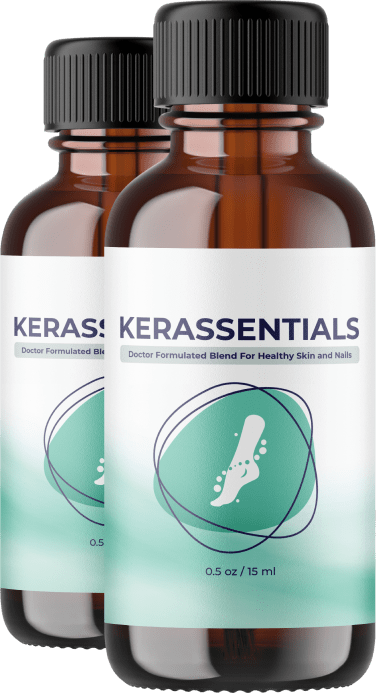
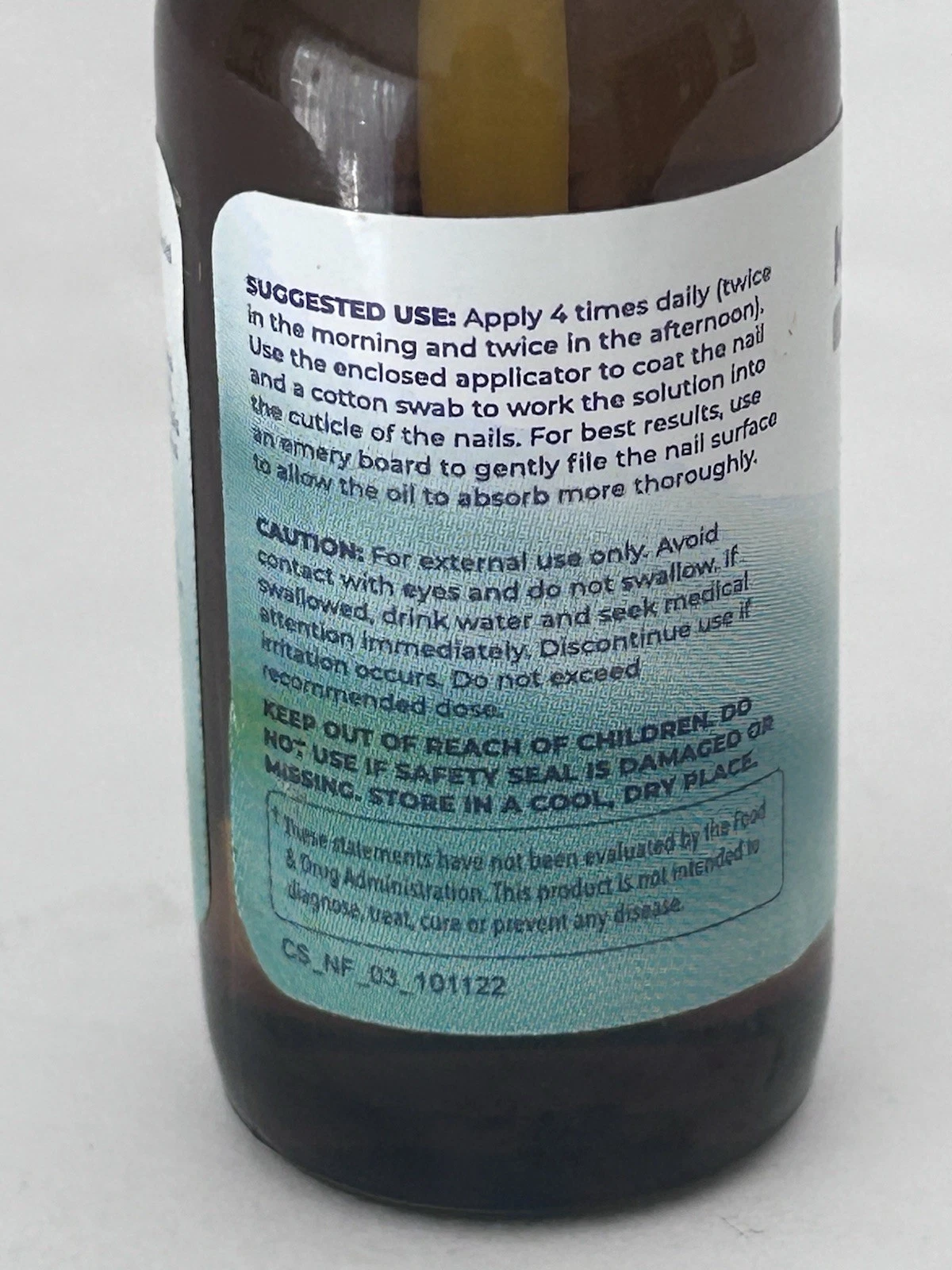
The seller recommends four applications daily: two in the morning and two in the afternoon. Users are instructed to coat the nail with the enclosed applicator and use a cotton swab to work the solution around the cuticle.
The instructions also suggest gently filing the nail surface with an emery board to improve contact. This step requires care: aggressive filing can damage the nail, and individuals with diabetes, poor circulation, neuropathy, or fragile nails should obtain professional guidance before filing.
I would also emphasize applying topical products to clean, dry areas, avoiding open wounds, and stopping if irritation develops. Users should follow the actual product label rather than increasing application frequency or combining multiple treatments without advice.
Kerassentials Pros and Cons
| Advantages | Limitations |
|---|---|
| Broad conditioning formula: Combines botanical emollients and skin-support ingredients rather than relying on fragrance alone. | Unverified finished-product efficacy: Published evidence does not establish reliable cure rates for Kerassentials. |
| Targeted applicator: Allows deliberate coverage of the nail and surrounding cuticle. | Demanding schedule: Four daily applications may be difficult for busy consumers to maintain. |
| Relevant ingredient research: Tea tree oil and undecylenic acid have legitimate antifungal research contexts. | Irritation potential: Essential oils and fragrance components may trigger sensitivity. |
| Non-oral format: Avoids taking an additional oral preparation for routine nail conditioning. | Return obligations: Refunds may require returning all bottles at the purchaser’s shipping expense. |
| Cuticle-care potential: Emollients may improve dryness and cosmetic comfort. | |
| Advertised refund window: Provides a defined opportunity to request a refund under the seller’s policy. |
Possible Kerassentials Side Effects and Drawbacks
The principal concerns involve local skin reactions. Tea tree oil, lavender oil, lemongrass oil, and some vitamin E derivatives may cause burning, redness, itching, or allergic contact dermatitis in susceptible users.
There is also a risk of delaying appropriate diagnosis. Nail psoriasis, trauma, and other disorders can resemble fungal infection, and persistent changes deserve medical assessment rather than repeated experimentation with cosmetic products.
Finally, oil-based products can create unwanted residue. Applying too much may leave socks or surrounding skin greasy, making careful application preferable to excessive coverage.
Is Kerassentials Safe for Everyday Use?
Kerassentials contains ingredients commonly encountered in topical skin-care products, but that does not establish universal safety or guaranteed tolerability.
People with sensitive skin should consider a cautious patch test according to professional advice and stop using the product if redness, swelling, or persistent burning develops. The oil should not be swallowed, placed near the eyes, or used on significantly broken skin without medical guidance.
FDA facility registration is not the same as FDA approval of a finished product. I could not independently verify product-specific FDA approval or clinical safety certification. Pregnant or breastfeeding individuals and people managing significant medical conditions should seek professional advice before use.
Medication Interactions and Treatment Compatibility
Because the product is topical, interactions resembling those associated with oral antifungals may be less likely. However, this does not establish compatibility with every prescription cream, medicated nail lacquer, or dermatological treatment.
Applying an oil over another medication could potentially affect how that medication contacts the skin or nail. I would therefore avoid layering Kerassentials with prescription nail treatments unless a pharmacist or clinician confirms an appropriate routine.
Anyone receiving treatment for diabetes-related foot problems, dermatitis, or nail infection should be especially careful about adding unverified topical products.
Who Should Consider Kerassentials and Who Should Avoid It?
I view this product primarily as an optional cosmetic nail-care preparation rather than a substitute for diagnosis and medical treatment.
Potentially suitable consumers
- People with dry or neglected cuticles: Its emollient ingredients may help soften surrounding skin and improve cosmetic appearance.
- Adults seeking a structured nail-care routine: The applicator and defined schedule may appeal to people comfortable with frequent topical maintenance.
- Consumers interested in botanical formulations: Those who tolerate essential oils may appreciate the combination of familiar skin-care materials.
People who should avoid it or seek guidance first
- Individuals with confirmed or suspected significant nail fungus: A clinician can identify the infection and recommend treatments with appropriate evidence.
- People with diabetes, neuropathy, or impaired circulation: Foot problems deserve particular care because minor injuries and infections can become serious.
- Anyone with essential-oil allergies or inflamed skin: Fragrance-sensitive individuals may experience irritation rather than improvement.
- People with painful, rapidly changing, or severely damaged nails: These symptoms require evaluation instead of relying on an over-the-counter cosmetic routine.
What I Didn’t Like About Kerassentials
Although the formula has appealing characteristics, several issues prevented me from accepting its promotional claims without qualification.
- The antifungal marketing is stronger than the clinical evidence. Ingredients may show laboratory activity without proving that the finished solution clears infections beneath nails. I would prefer published, product-specific clinical outcomes.
- The application schedule is unusually frequent. Four applications every day require meaningful commitment. This is particularly relevant because visible replacement of damaged toenails can take many months.
- The refund language needs careful reading. Broad promises of satisfaction are reassuring, but the published procedure includes returning bottles and paying return postage.
- The physician association needs clearer documentation. Promotional references to a named doctor do not independently demonstrate authorship, clinical supervision, or successful trials of the formulation.
Is Kerassentials a Scam or Legitimate Product?
My research found a marketed topical product with identifiable ingredients, application instructions, customer-support information, and a published return procedure. Those details support the existence of a commercial offering, and I found no basis for categorically calling Kerassentials a scam. However, the existence of a refund policy and professional-looking marketing does not prove therapeutic effectiveness.
The more important concern is whether consumers interpret cosmetic nail-care claims as a guaranteed fungal cure. The current evidence does not justify that conclusion. I consider Kerassentials a legitimate product proposition with potentially useful conditioning ingredients, but its stronger antifungal promises require independent clinical verification.
Kerassentials Customer Reviews and Complaints
Kerassentials promotional websites feature favorable customer-oriented claims, particularly regarding improved-looking nails and renewed confidence. However, I could not independently authenticate individual testimonials, confirm representative customer outcomes, or establish a reliable third-party aggregate satisfaction rating.
Likewise, I did not find sufficiently verified complaint records to quantify dissatisfaction or identify a dependable failure rate. For this reason, I would not present promotional endorsements as independently confirmed reviews.
Consumers should evaluate feedback carefully, prioritizing verified purchases, realistic treatment timelines, and balanced descriptions over dramatic before-and-after marketing.
Amazon Alternatives to Kerassentials
Several recognizable nail-care products appear in Amazon’s nail-treatment category. They are not interchangeable, and their suitability depends on whether the priority is cosmetic appearance, skin infection treatment, or professional management of onychomycosis.
Kerasal Nail Renewal focuses primarily on improving the appearance of damaged or discolored nails. It may interest consumers prioritizing cosmetic nail renewal rather than botanical conditioning.
Fungi-Nail Antifungal Liquid is another category option with an identified antifungal ingredient. Buyers should check its precise labeled indications because antifungal skin products do not necessarily cure infection within the nail plate.
Lunavia Antifungal Pen offers another applicator-based approach and markets an undecylenic-acid-containing formula. Its labeling and active concentration deserve comparison with Kerassentials before purchase.
I would choose among these products based on the actual diagnosis, labeled indication, and application requirements rather than assume any one delivers superior fungal-nail cure rates.
Kerassentials 60-Day Money-Back Guarantee Explained

One attractive feature of Kerassentials is its advertised 60-day money-back guarantee. The seller’s published refund instructions state that the period begins when the order is delivered, rather than necessarily on the purchase date.
Customers seeking a refund are directed to contact support, identify the request, and return all purchased bottles, including opened or empty containers. The policy also specifies that customers are responsible for return shipping. Refund processing is described as occurring after the returned package is received.
An important distinction is that the seller recommends evaluating the product over a period that may exceed the refund window. Consumers should not allow that recommendation to cause them to miss the stated deadline.
I recommend retaining the order confirmation, delivery record, and relevant correspondence. The guarantee is valuable consumer protection, but it is not the same as a risk-free arrangement without any shipping expense or procedural obligations. Buyers should confirm current terms through the official website before ordering.
Kerassentials Bonuses

Frequently Asked Questions About Kerassentials
Q: Can Kerassentials completely cure toenail fungus?
A: I could not verify clinical trials establishing that the finished formula consistently cures onychomycosis. Some ingredients have antifungal research behind them, but nail penetration and confirmed fungal clearance are separate questions. Persistent or suspected infection should be evaluated by a healthcare professional.
Q: How quickly can I expect visible improvements?
A: Conditioning effects on dry surrounding skin may become noticeable sooner than changes in the nail itself. Toenails grow slowly, and replacement of a damaged nail can take many months. Manufacturer promises of immediate transformation should not be treated as guaranteed outcomes.
Q: Can I use Kerassentials on fingernails?
A: The formula is marketed for nail care, but users should verify the current label for specific fingernail instructions. Fingernails and toenails differ in growth rate, and discoloration or structural damage in either location can have causes unrelated to fungus.
Q: Does Kerassentials require a prescription?
A: Kerassentials is marketed as a nonprescription topical product. That makes it accessible for routine cosmetic nail care, but it should not be confused with approved prescription antifungal treatments specifically indicated for confirmed onychomycosis.
Q: Is the product suitable for sensitive skin?
A: Sensitive individuals may react to tea tree, lavender, or lemongrass oil. A cautious approach is appropriate, particularly for people with previous fragrance allergies or contact dermatitis. Discontinue use if significant irritation occurs and consult a clinician if symptoms persist.
Q: Can I apply nail polish while using Kerassentials?
A: I could not verify authoritative manufacturer instructions regarding simultaneous use with nail polish. Coatings may interfere with direct contact between topical preparations and the nail. Anyone using medicated nail products should follow the relevant treatment instructions.
Q: Will I need to keep applying Kerassentials indefinitely?
A: There is no reliable clinical evidence establishing an optimal maintenance duration for this finished formula. Routine cosmetic nail care can be adjusted according to individual needs, while confirmed fungal infection should follow a clinician-directed treatment plan.
Q: What happens if Kerassentials does not meet my expectations?
A: The seller advertises a 60-day refund opportunity, subject to its published return procedure. Customers may need to contact support and send back every purchased bottle. Reviewing the current conditions and retaining proof of delivery helps protect refund eligibility.
My Final Kerassentials Review: Is It Worth Considering?
After investigating its ingredients, claimed benefits, scientific background, and consumer protections, I see Kerassentials as an interesting multi-purpose nail-care oil with a coherent cosmetic formulation. Its combination of emollients, essential oils, and undecylenic acid provides more to evaluate than a simple moisturizing oil. The targeted applicator and advertised refund policy further strengthen its appeal to consumers seeking consistent nail and cuticle maintenance.
The main reservation is clinical effectiveness. I found relevant research on individual ingredients, but not convincing independent evidence demonstrating that the finished formula reliably eliminates toenail fungus. I would therefore approach Kerassentials as supportive nail care rather than a proven replacement for medical antifungal treatment. Its four-times-daily schedule and potential essential-oil irritation also deserve consideration before purchase.
My final editorial rating remains 4.7/5, reflecting its favorable ingredient concept, practical nail-care positioning, and consumer-oriented presentation rather than verified fungal cure performance. For adults seeking an optional topical addition to their nail-care routine, I believe it deserves consideration with realistic expectations. Readers interested in reviewing the available packages, current terms, and product details can explore Kerassentials before deciding whether it suits their needs.

Medical Disclaimer and Affiliate Disclosure
This article is provided for educational and informational purposes and is not medical advice, diagnosis, or treatment. Suspected nail fungus, persistent nail changes, pain, or signs of infection should be assessed by a qualified healthcare professional. Individual responses to topical products vary.
Affiliate disclosure: This article contains affiliate links. I may earn a commission from qualifying purchases made through those links, at no additional cost to the buyer. Editorial assessments do not constitute verified clinical results.
References
- American Academy of Dermatology Association. Nail Fungus: Diagnosis and Treatment. Explains diagnostic considerations, established topical and oral antifungal treatments, nail-growth timelines, and limitations of alternative remedies.https://www.aad.org/public/diseases/a-z/nail-fungus-treatment
- National Center for Complementary and Integrative Health (NIH). Tea Tree Oil: Usefulness and Safety. Reviews the limited evidence concerning tea tree oil for fungal nail infections and summarizes potential irritation and safety considerations.https://www.nccih.nih.gov/health/tea-tree-oil
- Buck DS, Nidorf DM, Addino JG. Comparison of Two Topical Preparations for the Treatment of Onychomycosis: Melaleuca alternifolia (Tea Tree) Oil and Clotrimazole. A randomized clinical investigation providing context for tea tree oil’s possible activity and limitations in fungal nail treatment.https://pubmed.ncbi.nlm.nih.gov/8195735/
- U.S. Food and Drug Administration. Final Administrative Order OTC000017: Topical Antifungal Drug Products for OTC Human Use. Establishes regulatory specifications for recognized topical antifungal ingredients, including undecylenic acid, and relevant approved indications.https://www.accessdata.fda.gov/drugsatfda_docs/omuf/Order/Final%20Administrative%20Order%20OTC000017_M005-Topical%20Antifungal%20drug%20products%20for%20OTC%20Human%20Use.pdf
- University of Bologna Researchers. An Open Study to Evaluate Effectiveness and Tolerability of a Nail Oil Composed of Vitamin E and Essential Oils in Mild to Moderate Distal Subungual Onychomycosis. Examines a different essential-oil nail preparation, offering preliminary evidence while illustrating why results cannot automatically be generalized to Kerassentials.https://pubmed.ncbi.nlm.nih.gov/32021856/