

Toenail fungus can be remarkably persistent, partly because the nail itself creates a protective barrier that makes many topical treatments less effective. Dermatological research shows that fungal nail infections, medically known as onychomycosis, can involve organisms living within and beneath the nail plate. Consequently, improving the appearance of a discolored toenail and successfully eliminating an underlying fungal infection are two very different outcomes.
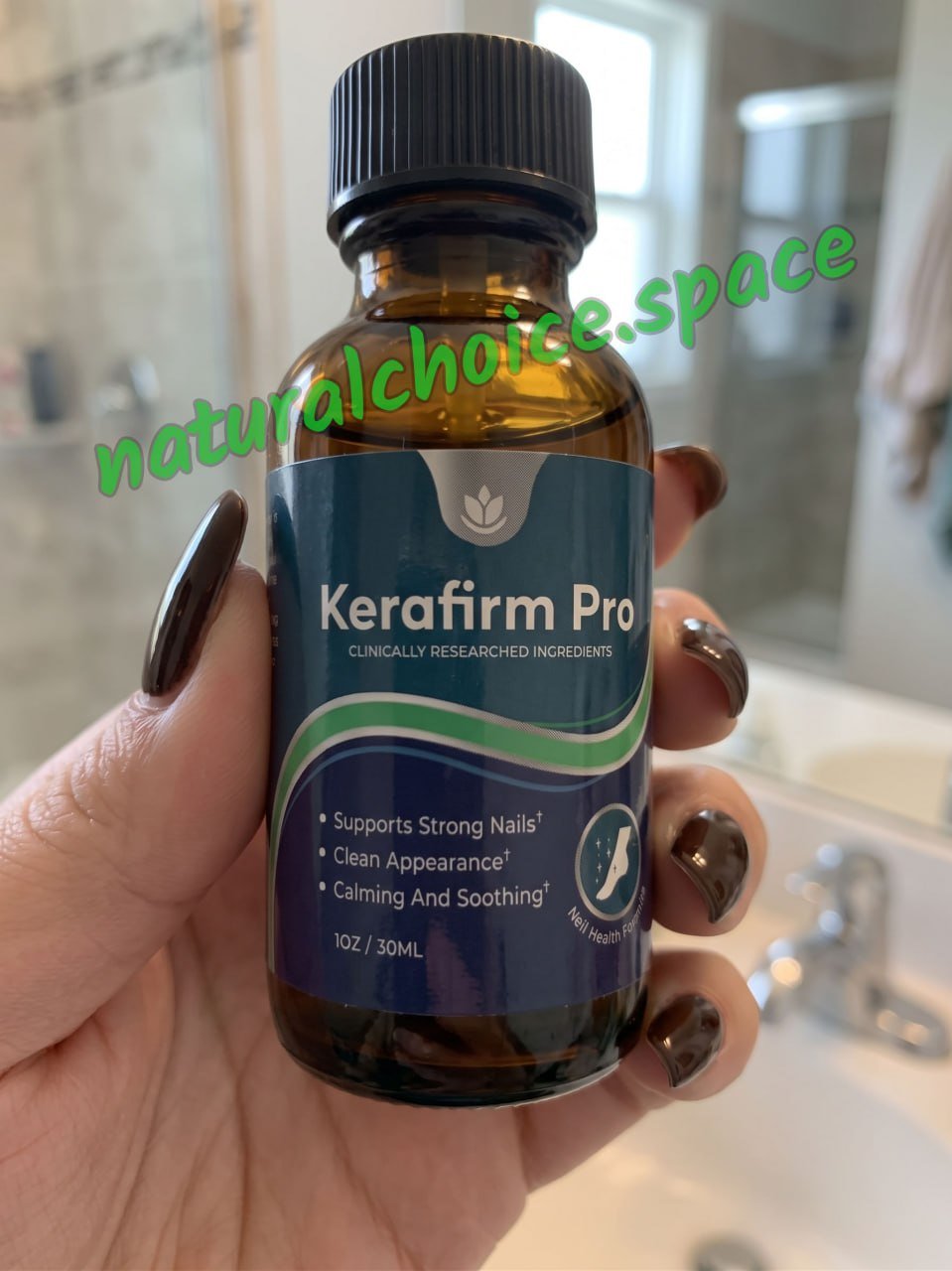
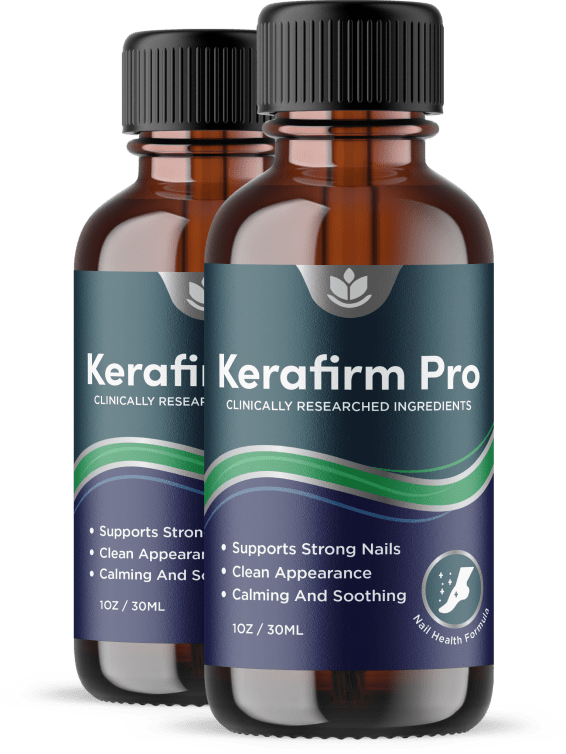
That distinction immediately caught my attention when investigating KeraFirm Pro, a topical nail-care solution marketed for people dealing with discolored, brittle, rough, and unhealthy-looking toenails. Its brush-on delivery system, botanical oils, and undecylenic acid give it an interesting formulation, particularly for consumers who prefer topical products over complicated soaking routines.
However, I also discovered important questions about ingredient-label consistency, antifungal effectiveness, application frequency, and whether the product offers enough value compared with established nail-care alternatives. These details deserve careful examination before anyone commits to a multi-bottle purchase.
This is my detailed review of what I discovered about KeraFirm Pro, including its official customer testimonials, complaints, possible side effects, ingredients, recommended dosage and application instructions, and whether it is a scam or a legitimate product worth considering.
KeraFirm Pro at a Glance: Product Details and Buying Information
I prefer beginning with the essential product information because readers considering a purchase should understand exactly what they are buying. The following overview combines the supplied product specifications with publicly advertised information, while identifying details that still require confirmation.
| Product Information | Details |
|---|---|
| Product Name | KeraFirm Pro |
| Product Category | Topical nail and cuticle care |
| Intended Purpose | Supports healthier-looking nails, improved nail appearance, and surrounding skin conditioning |
| Product Format | Brush-on liquid solution |
| Target Users | Adults concerned about discolored, rough, brittle, or damaged-looking toenails |
| Featured Ingredients | Undecylenic Acid, Tea Tree Oil, Clove Bud Oil, Lavender Oil, Manuka Oil, Aloe Vera, and Vitamin E |
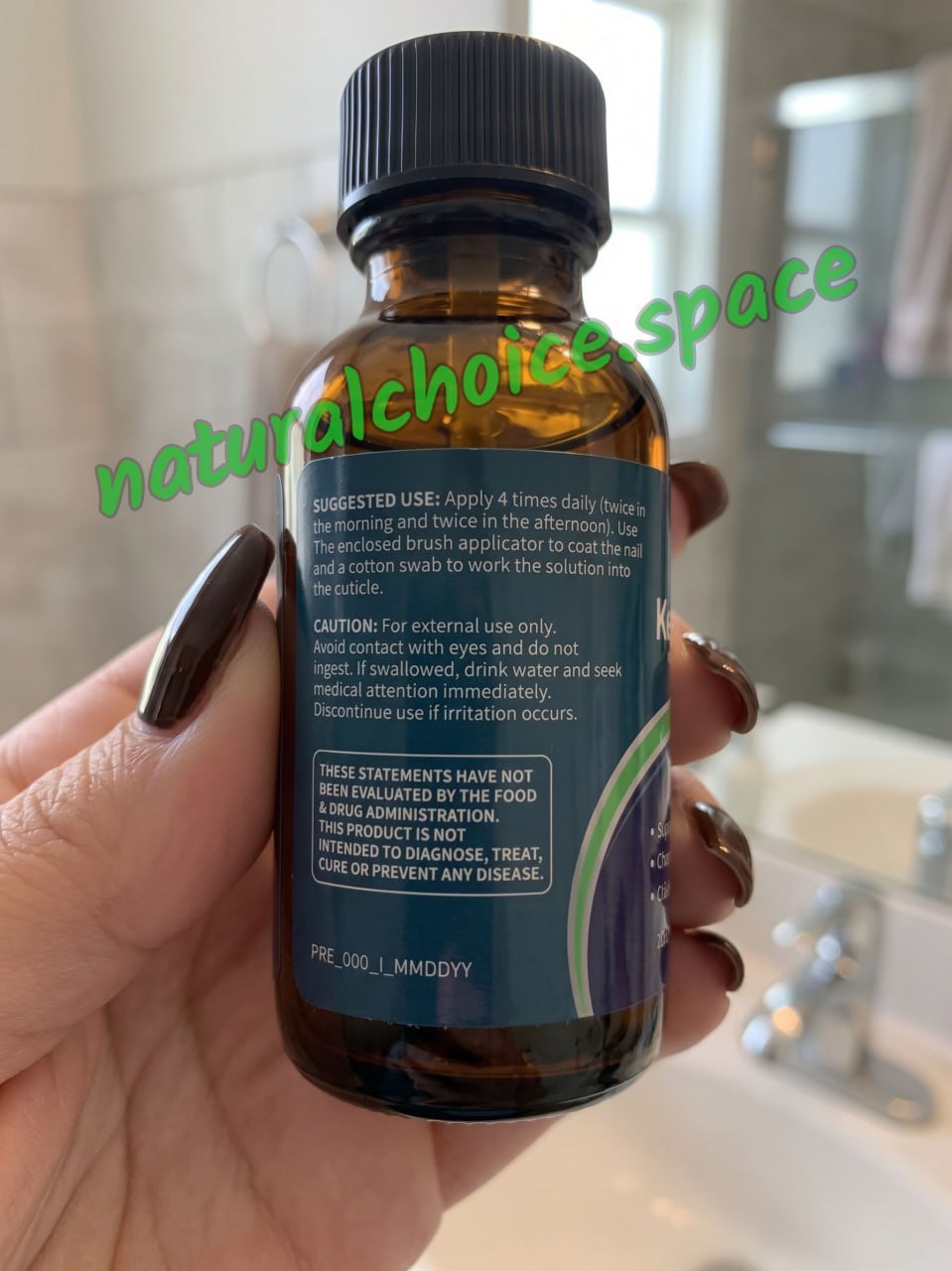
| Application Instructions | Four applications daily: twice in the morning and twice in the afternoon |
| Applicator | Precision brush; cotton swab recommended for cuticle application |
| Advertised Pricing | 2 bottles: $158; 3 bottles: $207; 6 bottles: $294 |
| Money-Back Guarantee | Advertised 60-day refund protection |
| Overall Editorial Rating | 4.7/5 — ★★★★★ |
| Official Website | ✅ Click Here |
The package prices above reflect publicly advertised offers rather than a verified live checkout on the supplied affiliate page. Shipping charges, taxes, availability, and promotional terms may differ when ordering.
What Exactly Is KeraFirm Pro?
KeraFirm Pro is a liquid nail-care product designed for direct application to the nail surface and surrounding cuticle. Its marketing emphasizes nail appearance, skin conditioning, and ingredients associated with antifungal activity.
The formulation is positioned as a convenient alternative to elaborate foot-soaking regimens. Instead of preparing a solution or using a separate cream, consumers apply the liquid with a narrow brush and work it around the cuticle using a cotton swab.
The manufacturer describes the formula as targeting fungal buildup beneath damaged nails while encouraging clearer, healthier-looking nail growth. That proposed effect should not be confused with clinically demonstrated treatment of onychomycosis. A topical product must successfully penetrate the nail and reach the infected tissue before its antifungal ingredients can deliver a meaningful therapeutic effect.
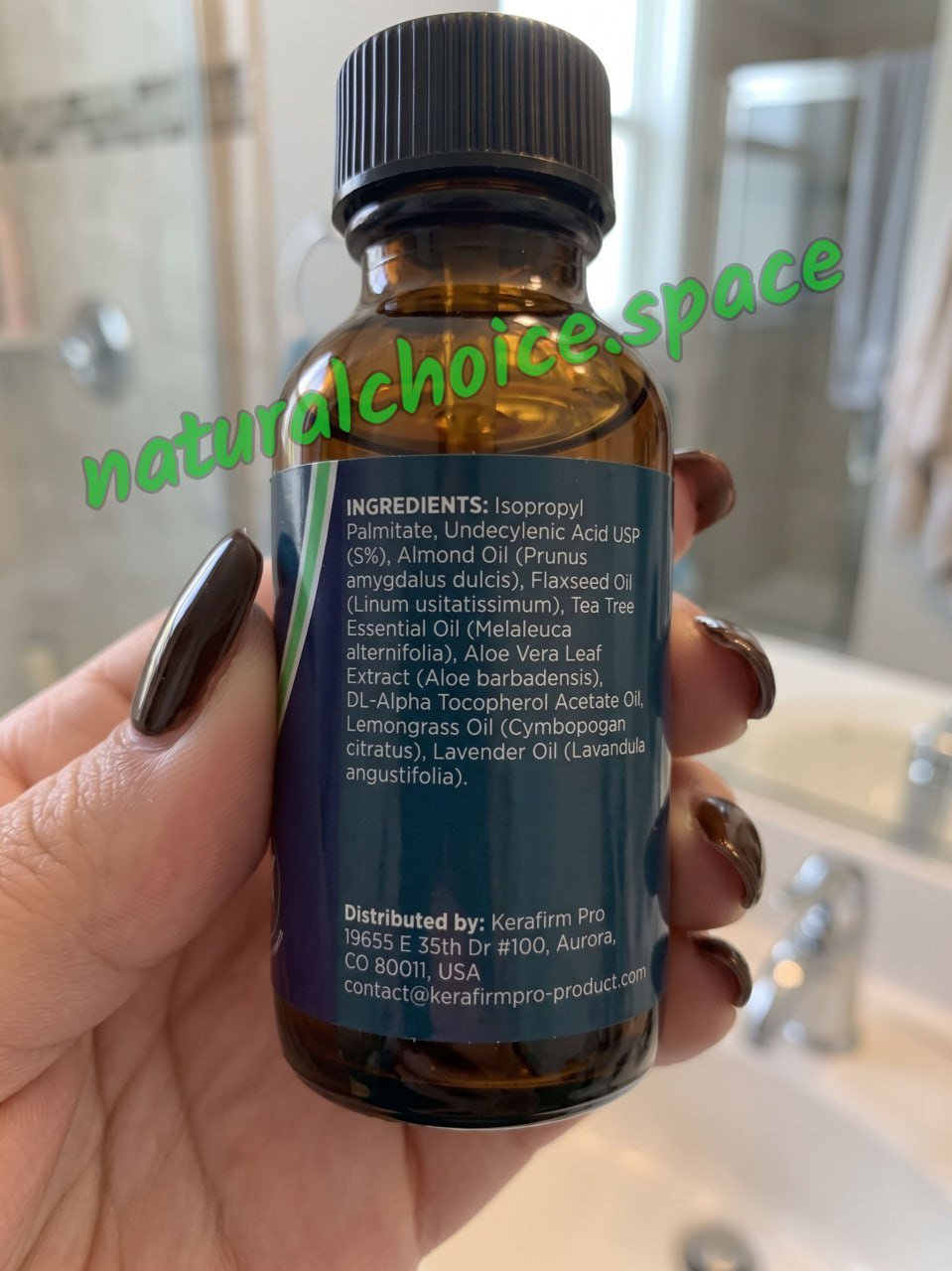
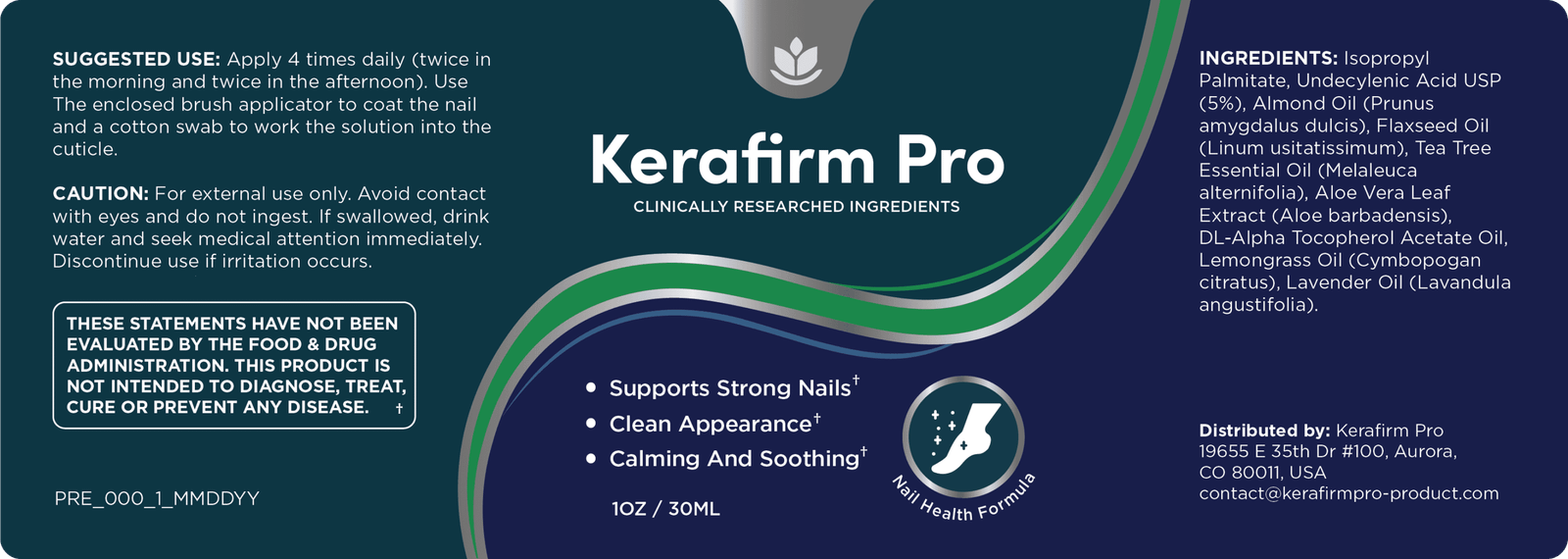
One particularly important finding concerns the ingredients. Marketing material describes a 13-ingredient botanical blend, while other publicly available descriptions of a photographed product label identify a shorter formula containing undecylenic acid at 5%, along with several conditioning ingredients. I would therefore verify the actual bottle label before purchasing, especially if allergies are a concern.
What Scientific Research Says About the Formula
Scientific evidence is essential when reviewing a product associated with fungal nail problems. Although several KeraFirm Pro ingredients have interesting laboratory research behind them, I could not verify a published, randomized clinical trial testing the complete finished formulation.
Evidence for Tea Tree Oil
A randomized clinical trial published in the Journal of Family Practice compared topical tea tree oil with clotrimazole solution in 117 patients with confirmed toenail fungus.
After six months, fungal culture clearance remained relatively low in both groups. The results suggested potential antifungal activity, but they did not establish tea tree oil as a reliably curative treatment.
The study also used a different preparation and application schedule, so its findings cannot establish the effectiveness of KeraFirm Pro.
The Challenge of Nail Penetration
A scientific review published in Clinical, Cosmetic and Investigational Dermatology explains that the compact keratin structure of nails makes topical antifungal delivery particularly difficult.
Even prescription treatments specifically developed for onychomycosis frequently require extended application periods. Merely brushing an antifungal ingredient onto a nail does not prove that sufficient concentrations reach the infected tissue.
What About Undecylenic Acid?
Undecylenic acid is an established topical antifungal ingredient used in certain over-the-counter preparations for superficial fungal skin infections.
However, evidence supporting its use on skin should not automatically be extended to infections underneath thick toenails. The finished product’s concentration, delivery vehicle, and nail penetration determine whether meaningful antifungal activity is plausible.
My assessment: The ingredient rationale is credible enough to investigate, but clinical evidence for curing toenail fungus with the complete KeraFirm Pro formula remains unverified.
How the Brush-On Formula Is Supposed to Work
The proposed mechanism combines surface application, ingredients with antifungal properties, and skin-conditioning oils.
First, the brush spreads the solution over the affected nail. This allows focused coverage, including areas that can be difficult to reach with thicker creams. The cotton swab then helps distribute the formula around the cuticle.
Second, undecylenic acid and selected essential oils provide the formulation’s proposed antifungal action. Laboratory studies involving certain plant oils suggest that some constituents can interfere with fungal growth under experimental conditions.
Third, the accompanying oils and moisturizers are intended to condition the nail surface and neighboring skin. This may help reduce the appearance of dryness and roughness, although cosmetic conditioning does not necessarily eliminate an infection.
The unresolved question is whether KeraFirm Pro penetrates deeply enough to reach fungus beneath the nail. Without product-specific penetration testing, I consider this a proposed mechanism rather than an established result.
Breaking Down All 13 Advertised KeraFirm Pro Ingredients
Ingredient selection is central to this product’s appeal, but formulation transparency is equally important. The following analysis covers the 13 ingredients supplied in the product description, including their potential roles and limitations. Not all 13 have been independently confirmed on the same finished-product label, so consumers should check the packaging they receive.
🍃 1. Clove Bud Oil
Clove bud oil contains eugenol, an aromatic compound investigated for antimicrobial and antifungal properties. Laboratory findings suggest that eugenol can affect certain microorganisms, making it a plausible addition to botanical antifungal formulations.
Nevertheless, antifungal activity in laboratory cultures does not prove effectiveness against infections beneath human toenails. Clove oil can also irritate skin, particularly at higher concentrations, making dilution and formulation quality important.
🍃 2. Lavender Oil
Lavender oil is widely used in personal-care formulations because of its fragrance and potential skin-conditioning properties. Certain lavender constituents have demonstrated antimicrobial activity in laboratory experiments.
For KeraFirm Pro, lavender oil appears more relevant as a supporting botanical ingredient than as a proven nail-fungus treatment. Fragrance sensitivity and allergic contact dermatitis remain possible, especially with repeated application.
🍃 3. Manuka Oil
Manuka oil is extracted from the New Zealand manuka plant and contains compounds that have attracted scientific interest for their antimicrobial properties.
Although laboratory antifungal findings are promising, human clinical evidence involving fungal toenail infections remains insufficient. Its contribution to this particular formulation cannot be established without knowing the concentration and whether it appears in the final bottle.
🍃 4. Flaxseed Oil
Flaxseed oil contains fatty acids that can contribute to the conditioning properties of topical formulations. In nail care, its most plausible function is helping moisturize surrounding skin and improve the feel of a dry nail surface.
I would not regard flaxseed oil as an independently proven antifungal ingredient. Its inclusion makes more sense as part of the oil-based conditioning system than as a primary treatment for an established infection.
🍃 5. Undecylenic Acid
Undecylenic acid is arguably the most scientifically relevant ingredient in this review. It is used in topical antifungal medicines for specific superficial fungal skin conditions, providing a more established pharmacological foundation than most of the botanical oils.
However, the presence of undecylenic acid does not establish that this product can cure onychomycosis. Publicly described product-label information suggests a 5% concentration, but I could not verify the exact concentration on the supplied checkout page. Consumers should check the actual label before use.
🍃 6. Tea Tree Oil
Tea tree oil contains terpinen-4-ol and related compounds associated with antimicrobial activity. Among the plant-derived ingredients listed, it has comparatively relevant human research involving toenail fungus.
Even so, existing studies have important limitations, and the NIH’s National Center for Complementary and Integrative Health concludes that evidence is insufficient to establish its effectiveness for fungal nail infections. Oxidized or concentrated tea tree oil may also produce irritation and allergic reactions.
🍃 7. Sweet Almond Oil
Sweet almond oil is a familiar emollient used in skincare to soften and condition dry skin. Within a topical nail-care formula, it may help support cuticle flexibility and reduce a rough or dry feeling.
It is not a demonstrated treatment for fungal nail disease. Its presence also makes ingredient-label verification important for consumers with almond or other tree-nut allergies.
🍃 8. Camphor Oil
Camphor-containing preparations are commonly associated with a cooling or stimulating skin sensation. In nail-care formulations, camphor may contribute to the product’s sensory characteristics.
Its cooling sensation should not be mistaken for antifungal effectiveness. Camphor can cause irritation and may be toxic if swallowed, so any product containing it should be used strictly as directed and kept away from children.
🍃 9. Aloe Vera
Aloe vera is valued in skincare for its moisturizing properties and potential soothing effects on irritated or dry skin. This makes it a reasonable supporting ingredient in products applied near cuticles.
Although laboratory studies have investigated aloe’s biological activity, there is no convincing evidence that aloe alone eliminates fungal infections beneath toenails. Some users may also experience sensitivity to topical aloe preparations.
🍃 10. Menthol
Menthol activates cooling receptors in the skin, producing a refreshing sensation without necessarily changing the underlying skin temperature.
For this formulation, menthol’s contribution is primarily sensory. It does not establish treatment effectiveness, and the cooling effect can occasionally be accompanied by stinging or irritation on sensitive skin.
🍃 11. Walnut Oil
Walnut oil contains fatty acids that may provide emollient properties, helping soften dry skin around nails.
However, walnut oil is not a clinically established antifungal treatment. Because walnuts are tree nuts, consumers with relevant allergies should verify the formulation carefully rather than assuming all botanical ingredients are suitable for them.
🍃 12. Chia Seed Oil
Chia seed oil contains essential fatty acids and other naturally occurring compounds associated with cosmetic conditioning applications.
Its proposed contribution is more likely related to moisturizing and protecting the appearance of surrounding skin than directly addressing fungal organisms. Research involving chia oil does not demonstrate that this finished product restores infected toenails.
🍃 13. Vitamin E
Vitamin E, commonly incorporated into topical products as tocopherol or related derivatives, functions primarily as an antioxidant and skin-conditioning ingredient.
It may help protect certain oils from oxidation and support the overall cosmetic qualities of the formula. However, vitamin E has not been established as an effective stand-alone treatment for nail fungus, and topical preparations can occasionally cause contact dermatitis.
Six Potential Benefits Worth Considering
The advertised advantages of KeraFirm Pro become more useful when separated into achievable cosmetic goals and medical outcomes requiring stronger evidence.
⭐ 1. Improved Appearance of Discolored Nails
The product aims to promote clearer-looking nails through regular topical care. Conditioning the nail surface may improve its overall appearance, especially when dryness and superficial damage contribute to a dull finish.
However, discoloration caused by an active fungal infection generally cannot be resolved through moisturizing alone. Genuine restoration may require successful antifungal treatment followed by healthy nail growth.
⭐ 2. Support for Stronger-Looking Nail Structure
Brittle nails can become rough, split, or uneven, particularly after repeated exposure to moisture, friction, and footwear pressure.
The formulation’s moisturizing oils may help improve surface flexibility and appearance. I found no product-specific measurements demonstrating increased nail strength or reduced breakage, so this remains a potential cosmetic advantage rather than a verified structural improvement.
⭐ 3. Better Cuticle Conditioning
Dry cuticles may feel uncomfortable and make otherwise healthy nails appear neglected. Ingredients such as almond oil, aloe vera, and vitamin E provide a reasonable foundation for moisturizing the surrounding skin.
This is one of the more plausible everyday benefits because it does not depend on achieving deep antifungal penetration. Nevertheless, highly sensitive skin may react to essential oils, reducing the product’s suitability for some users.
⭐ 4. Convenient, Targeted Coverage
The enclosed brush offers a straightforward way to apply a small amount of liquid to a specific nail without coating the entire foot.
This design may appeal to people who dislike greasy creams or lengthy soaking routines. The limitation is that application must occur four times daily, making the overall schedule less convenient than the applicator initially suggests.
⭐ 5. Botanical Ingredients With Antifungal Potential
Tea tree, clove, and manuka oils have attracted research interest because certain components demonstrate antifungal activity under laboratory conditions.
Combining them with undecylenic acid provides an understandable formulation concept. Yet no verified clinical study establishes that this combination eliminates nail fungus or prevents recurrence.
⭐ 6. A More Consistent Nail-Care Routine
A dedicated applicator can encourage people to pay closer attention to their toenails, trim them appropriately, and maintain better hygiene.
Consistent nail care may complement practical habits such as keeping footwear dry and avoiding shared nail tools. These general measures are valuable, although they do not turn KeraFirm Pro into a substitute for medical treatment when an infection is present.
KeraFirm Pro Versus Other Types of Nail-Care Products
I compared KeraFirm Pro with three common product categories rather than selecting individual competing brands. This approach highlights meaningful differences without assuming one product is automatically superior.


| Comparison Factor | KeraFirm Pro | Cosmetic Nail Repair | OTC Antifungal Skin Solutions | Prescription Nail Treatments |
|---|---|---|---|---|
| Primary Focus | Nail appearance and conditioning; antifungal claims | Surface appearance and texture | Fungal infections covered by their labels | Diagnosed nail fungal infection |
| Formulation | Botanical oils and undecylenic acid | Often urea, moisturizers, or exfoliants | Recognized antifungal drugs | Clinically evaluated antifungal drugs |
| Application | Brush plus cotton swab | Varies by product | Liquid, spray, or cream | Nail lacquer or solution |
| Frequency | Four times daily | Commonly once or twice daily | Product dependent | Prescription dependent |
| Nail Infection Evidence | No verified finished-product trial | Not generally intended to cure infection | Skin efficacy does not guarantee nail efficacy | Product-specific clinical evidence |
| Ingredient Transparency | Conflicting publicly reported lists | Label dependent | Regulated drug labeling | Standardized prescribing information |
| Value | Higher advertised bundle commitment | Often lower initial cost | Often lower initial cost | Depends on prescription and insurance |
| Purchase Protection | Advertised 60-day guarantee | Retailer dependent | Retailer dependent | Pharmacy and insurer policies |
The key distinction is therapeutic evidence. Cosmetic nail-repair products may improve appearance, while properly selected prescription treatments address confirmed infections. KeraFirm Pro occupies a less clearly established position between those categories.
KeraFirm Pro Bonuses



My KeraFirm Pro Rating: Strengths, Evidence, and Overall Value
I assigned the requested editorial score of 4.7 out of 5, emphasizing its formulation concept, focused applicator, and intended cosmetic uses. This is an editorial assessment, not a verified average customer rating or measured clinical success rate.
Overall Rating: 4.7/5 — ★★★★★
| Evaluation Category | Editorial Score | Assessment |
|---|---|---|
| Application Design | ★★★★★ 4.9/5 | Focused brush application is practical, although frequency is demanding. |
| Ingredient Concept | ★★★★★ 4.8/5 | Combines recognizable topical-care ingredients with antifungal rationale. |
| Cosmetic Nail Care | ★★★★★ 4.8/5 | Emollients offer plausible benefits for dry nails and cuticles. |
| Daily Convenience | ★★★★★ 4.6/5 | Simple individual applications, but four sessions require commitment. |
| Value and Protection | ★★★★★ 4.7/5 | Bundle discounts and a stated guarantee are positives, subject to current terms. |
| Scientific Confidence | ★★★☆☆ 3.0/5 | Finished-product clinical evidence and complete label consistency remain unresolved. |
My overall score reflects the product’s proposed cosmetic-care experience, not proven effectiveness against fungal nail infection. The lower scientific-confidence score is particularly important for readers whose primary objective is medical treatment rather than nail appearance.
How to Apply KeraFirm Pro Correctly
The supplied application instructions specify four uses per day: twice in the morning and twice in the afternoon.
Begin with clean, dry nails. Use the enclosed brush to coat the nail surface, then apply the solution around the cuticle with a cotton swab. Repeat according to the stated schedule, avoiding excessive application or contact with irritated skin.
Because topical preparations can cause sensitivity, I would check the complete label, avoid applying the product to open wounds, and discontinue use if significant irritation occurs. Do not ingest the liquid or apply it near the eyes.
The seller does not provide independently verified treatment timelines for the finished product. Importantly, even when nail fungus is effectively treated, discolored toenail tissue often takes many months to grow out.
Six Advantages and Four Drawbacks: My Pros and Cons
| Pros | Cons |
|---|---|
| 1. Precision application: Brush-based delivery allows focused coverage of individual nails. | 1. Limited clinical validation: No verified controlled trial of the finished formula was found. |
| 2. Ingredient variety: Includes botanical oils and undecylenic acid with relevant topical properties. | 2. Label uncertainty: Some advertised ingredients differ from publicly described packaging labels. |
| 3. Cuticle conditioning: Moisturizing ingredients may improve surrounding skin comfort and appearance. | 3. Frequent application: Four daily uses may be inconvenient for busy consumers. |
| 4. Non-oral format: Avoids swallowing a product and offers localized application. | 4. Purchase commitment: Advertised multi-bottle packages require more upfront spending than many pharmacy alternatives. |
| 5. Straightforward equipment: Does not require soaking containers or specialized devices. | |
| 6. Refund protection: The advertised 60-day guarantee offers potential purchasing reassurance. |
For me, the most meaningful advantage is the focused topical design. The most important weakness is the absence of convincing evidence demonstrating that this particular solution reliably treats infections beneath the nail.
Possible Side Effects and Skin Reactions
Although KeraFirm Pro is applied externally, topical ingredients can still produce adverse reactions. Essential oils such as clove, lavender, and tea tree may cause redness, itching, burning, or allergic contact dermatitis in susceptible individuals.
Undecylenic acid can also produce localized irritation. Menthol and camphor may create cooling sensations that some consumers find uncomfortable, particularly when the skin barrier is already damaged.
Consumers with suspected tree-nut allergies should examine the actual product label carefully because almond and walnut oils appear in the advertised formulation. If substantial swelling, blistering, persistent burning, or a spreading rash develops, stop using the product and seek professional advice.
Is KeraFirm Pro Safe for Regular Topical Use?
For adults with intact skin and no relevant sensitivities, the general concept of a topical nail-conditioning product is reasonable. However, I could not verify complete safety testing of the finished KeraFirm Pro formulation.
The concentration of each botanical oil, manufacturing quality, and complete ingredient declaration are important factors in assessing tolerability.
I would not interpret natural ingredients, manufacturing claims, or a facility’s possible FDA registration as proof of FDA approval. A product containing antifungal ingredients is not automatically FDA-approved to treat toenail fungus.
Anyone with persistent nail thickening, pain, swelling, or suspected infection should consider obtaining a diagnosis rather than relying exclusively on cosmetic products.
Can KeraFirm Pro Interact With Medication or Other Nail Treatments?
Because the solution is intended for topical application, systemic drug interactions are generally less concerning than with oral antifungal medications. However, I found no verified interaction studies involving this specific formulation.
Combining it with prescription nail lacquers, exfoliating acids, medicated creams, or other essential-oil treatments could increase irritation or interfere with the intended application of prescribed medication.
People undergoing nail-fungus treatment should ask their dermatologist or pharmacist before adding another topical product. This is particularly relevant when medication instructions require a clean nail surface or a specific drying period.
Who May Benefit, and Who Should Seek Medical Advice?
KeraFirm Pro is primarily positioned for adults who want targeted nail and cuticle care. Suitability depends on whether the concern is cosmetic or involves a potentially significant medical condition.
Potentially suitable users:
- Adults with dry-looking nails: Those seeking improved nail-surface conditioning may appreciate the oil-based application.
- People with rough cuticles: The moisturizing ingredients may support routine cuticle care when skin is intact.
- Consumers preferring brush applicators: Targeted delivery may be more appealing than broad creams or soaking treatments.
People who should avoid it or consult a professional first:
- Individuals with ingredient allergies: Essential-oil or tree-nut sensitivities warrant particular caution.
- People with diabetes or poor circulation: Nail changes and foot injuries require careful medical attention because complications can be serious.
- Pregnant or breastfeeding individuals: Seek professional advice because finished-formulation safety information is limited.
- Anyone with painful or severely damaged nails: Thickening, lifting, bleeding, or spreading inflammation should be evaluated rather than managed with cosmetic care alone.
What I Didn’t Like About KeraFirm Pro
Several concerns became more apparent as I compared its marketing with available scientific and product information.
- Unresolved ingredient discrepancies: I found marketing descriptions listing 13 ingredients, while other product-label descriptions contain fewer. That inconsistency makes it difficult to assess allergies and formulation accuracy confidently.
- Insufficient product-specific research: Evidence involving undecylenic acid or individual botanical oils does not substitute for controlled testing of the complete solution.
- Four applications every day: Although brushing the product onto a nail is simple, maintaining four separate applications could become inconvenient over time.
- Limited purchasing transparency: Public promotional sites describe different package offers and refund details. I would prefer one easily verifiable manufacturer source with consistent labeling, current prices, and complete return conditions.
These issues do not automatically make the product ineffective or illegitimate. They do, however, reduce my confidence in stronger marketing promises concerning fungal elimination or permanent nail restoration.
Is KeraFirm Pro a Scam or a Legitimate Nail-Care Product?
Based on the information available, KeraFirm Pro is marketed as a physical topical nail-care product with identifiable ingredients, application instructions, pricing offers, and advertised refund protection. Those characteristics are consistent with an ordinary consumer product, and I found insufficient evidence to label it a scam. Nevertheless, promotional claims about reaching hidden fungus or preventing recurrence require stronger supporting research than ingredient descriptions alone.
My main credibility concerns involve inconsistent ingredient information, unverified testimonials, and the lack of published clinical testing of the complete formula. I would describe KeraFirm Pro as a marketed nail-care product with plausible cosmetic uses but unverified medical effectiveness. Consumers should confirm the exact label, seller identity, payment terms, and guarantee before ordering.
Official Customer Reviews, Testimonials, and Complaints
Public promotional pages contain favorable KeraFirm Pro testimonials describing improvements in discoloration, nail appearance, and confidence about wearing open footwear. Several accounts also emphasize the simplicity of the brush applicator.
However, I could not independently authenticate those testimonials, confirm the purchasers’ identities, or establish that the described changes resulted from the product rather than other treatments or natural nail growth.
Similarly, I could not substantiate a representative independent customer satisfaction score or reliable complaint rate. Promotional five-star ratings should therefore not be treated as independently verified statistics.
The consumer concerns I can substantiate from the available information are primarily about formulation transparency, demanding application frequency, medical evidence, and refund-policy clarity. I would distinguish these editorial concerns from documented complaints submitted by actual purchasers.
Amazon Alternatives Worth Comparing
For readers who prefer shopping through Amazon, I found several relevant nail-care products listed in the same broader category. Their intended uses differ, so they should not be considered interchangeable treatments.
| Alternative | Main Characteristics | Best Comparison |
|---|---|---|
| Kerasal Multi-Purpose Nail Repair | Uses urea and lactic acid to hydrate, exfoliate, and improve damaged-nail appearance. | Cosmetic nail repair rather than confirmed infection treatment. |
| Dr. Scholl’s Fungal Nail Revitalizer | Nail-appearance formula designed to address discoloration and roughness. | Appearance-focused alternative with a different ingredient system. |
| Fungi-Nail Antifungal Liquid | OTC antifungal product line with formulations intended for labeled superficial fungal skin conditions. | Consumers seeking a conventional antifungal formulation should check the precise indication. |
Kerasal is particularly relevant for rough, brittle nails, while Dr. Scholl’s focuses on visible nail restoration. Fungi-Nail products require close label inspection because treating surrounding fungal skin conditions is not equivalent to curing fungal infection inside the nail.
Amazon listings and availability can change. I recommend verifying current ingredients, seller authenticity, and exact product indications before purchasing any alternative.
Understanding the 60-Day Money-Back Guarantee

KeraFirm Pro is advertised with a 60-day money-back guarantee, providing buyers with a potential opportunity to request reimbursement if they are dissatisfied.
However, publicly available descriptions differ regarding when the refund window begins and whether additional conditions apply. I could not independently verify every refund requirement through the supplied checkout link.
I would treat the guarantee as applicable to eligible purchases made through the authorized official seller, not assume that purchases from third-party websites receive identical protection.
Before ordering, check whether returns require an authorization, whether opened bottles qualify, who pays return shipping, and whether delivery charges are refundable. Saving the order confirmation and a copy of the current refund policy provides useful protection if a dispute arises.
Eight Frequently Asked Questions About KeraFirm Pro
Q: 1. Can KeraFirm Pro completely eliminate toenail fungus?
A: I found no verified clinical trial demonstrating that the finished product cures onychomycosis. Some ingredients have antifungal properties, but infections beneath the nail are difficult to treat. Persistent discoloration, thickening, or nail separation should be evaluated by a healthcare professional who can determine whether antifungal medication is necessary.
Q: 2. How long does KeraFirm Pro take to show results?
A: No reliable product-specific improvement timeline was established during my research. Conditioning effects may differ from changes caused by successful infection treatment. Because toenails grow slowly, replacing visibly damaged nail tissue can take many months, even when the underlying problem has been effectively managed.
Q: 3. Is the formula suitable for sensitive skin?
A: Sensitive skin may react to essential oils, menthol, camphor, or other components. Before considering regular application, review the complete packaging and discuss significant allergies with a healthcare professional. Stop application if discomfort or irritation develops.
Q: 4. Does KeraFirm Pro require a prescription?
A: It is marketed as a direct-to-consumer topical nail-care product rather than a prescription medication. That does not establish that it is an approved treatment for fungal nail disease. Consumers seeking medically established options should consult a dermatologist.
Q: 5. Why does the product require four daily applications?
A: The supplied instructions specify twice in the morning and twice in the afternoon. Presumably, the frequent schedule is intended to maintain repeated topical coverage, but I could not verify research demonstrating that four applications are more effective than fewer applications of this particular formulation.
Q: 6. Can I use KeraFirm Pro alongside prescription antifungal treatment?
A: I would not combine treatments without discussing the products with a dermatologist or pharmacist. Additional oils could affect how a prescribed nail preparation is applied, while overlapping ingredients may increase irritation. The safest approach is to follow the prescribed treatment instructions.
Q: 7. Is KeraFirm Pro sold on Amazon?
A: The product is primarily promoted through direct-sale websites, and I could not verify an authorized Amazon listing during this review. Buyers who encounter third-party offers should verify the seller, packaging, and refund protection before assuming they are purchasing the same authentic product.
Q: 8. Is KeraFirm Pro worth its advertised price?
A: Its value depends on expectations. Someone seeking a botanical nail-conditioning routine may appreciate the applicator and formula concept. A consumer primarily seeking proven treatment of an established fungal nail infection may find better-supported options through professional medical care. I would confirm the current total checkout price before purchasing a multi-bottle package.
My Final Verdict: Is KeraFirm Pro Worth Trying?
After examining the formulation, application instructions, ingredient research, and promotional claims, I see KeraFirm Pro as an interesting topical nail-care option with a practical brush applicator and several ingredients that have legitimate cosmetic or laboratory-researched properties. Its strongest advantages involve targeted application and potential conditioning of rough nails and dry cuticles. Those benefits are more scientifically defensible than broad promises of eliminating persistent fungal infections.
The limitations deserve equal attention. I could not confirm a clinical trial evaluating the complete formula, and inconsistencies between advertised ingredients and reported packaging labels raise legitimate transparency concerns. The four-times-daily routine also demands more commitment than many competing products. Although the advertised 60-day guarantee provides some reassurance, buyers should verify its full terms before making a purchase.
My overall editorial rating remains 4.7/5, reflecting the supplied review score and the product’s potential as a cosmetic nail-care solution, not a medically established cure. I would consider it only with realistic expectations and after checking the current ingredients, pricing, and refund conditions. Readers interested in its botanical brush-on approach can review the official purchasing information before deciding whether it fits their nail-care priorities.

Medical and Affiliate Disclaimer
This review is intended for educational and informational purposes and does not replace professional medical advice, diagnosis, or treatment. Suspected fungal nail infections should be assessed by a qualified healthcare professional. Individual experiences may vary, and the product’s clinical effectiveness has not been established in this review. This article contains affiliate links, meaning I may receive a commission from qualifying purchases at no additional cost to the buyer.
References
- American Academy of Dermatology Association — Nail Fungus: Diagnosis and Treatment. Clinical guidance concerning diagnosis, medical treatment options, nail penetration, and recovery expectations.
https://www.aad.org/public/diseases/a-z/nail-fungus-treatment - National Center for Complementary and Integrative Health (NIH) — Tea Tree Oil: Usefulness and Safety. Evidence and safety considerations for tea tree oil, including its limited support for fungal nail infections.
https://www.nccih.nih.gov/health/tea-tree-oil - Buck DS, Nidorf DM, Addino JG — Comparison of Two Topical Preparations for the Treatment of Onychomycosis: Tea Tree Oil and Clotrimazole. Journal of Family Practice, 1994.
https://pubmed.ncbi.nlm.nih.gov/8195735/ - Leung AKC et al. — Onychomycosis: An Updated Review. Review of fungal nail disease, topical treatments, treatment limitations, and nail penetration.
https://pmc.ncbi.nlm.nih.gov/articles/PMC7509699/ - Falotico JM, Lipner SR — Updated Perspectives on the Diagnosis and Management of Onychomycosis. Clinical, Cosmetic and Investigational Dermatology, 2022.
https://pmc.ncbi.nlm.nih.gov/articles/PMC9484770/