

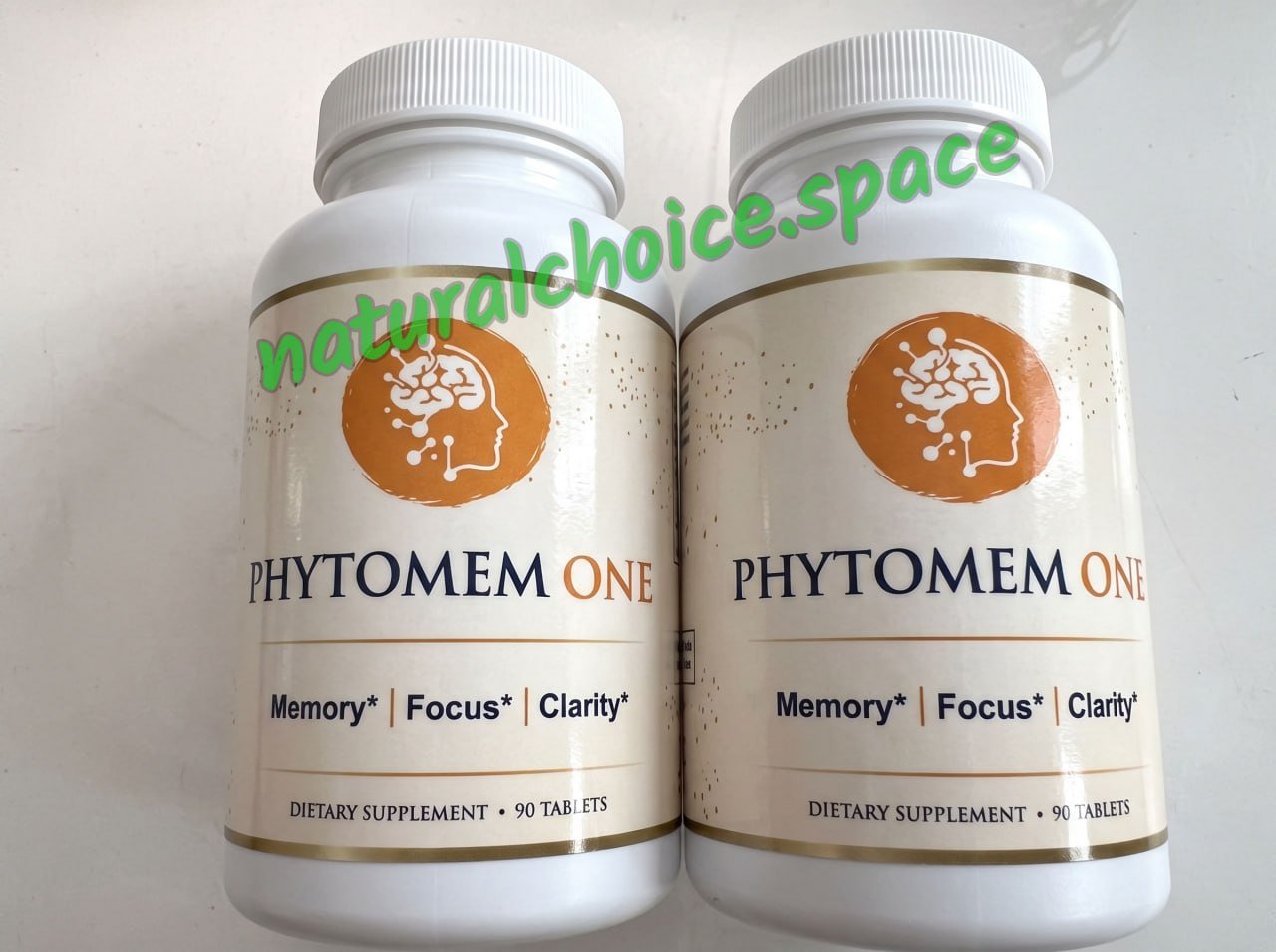
Forgetting an appointment, struggling to remember someone’s name, or losing track of a conversation can become frustrating, particularly when these lapses start happening more frequently. Memory changes have many possible causes, including poor sleep, stress, medication effects, nutritional deficiencies, and aging. Researchers are also investigating how inflammation and impaired glucose regulation may influence cognitive health.
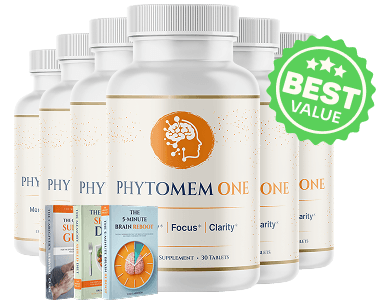
That growing interest in brain metabolism has encouraged manufacturers to develop supplements that approach cognitive wellness from several directions. Phytomem One stands out for combining botanical compounds associated with antioxidant activity, metabolic function, and neurological research. Its unusual positioning caught my attention, although the claims deserve careful examination.
This is my detailed Phytomem One review, covering what I discovered about its ingredients, scientific evidence, official customer testimonials, complaints, potential side effects, recommended dosage, and whether the supplement appears legitimate or a scam.
Phytomem One Overview: Essential Product Information
Before examining the formula, I wanted to organize the most important purchasing and safety information in one place. The following overview explains what Phytomem One offers, how it is positioned, and what prospective buyers should understand.
| Product Information | Details |
|---|---|
| Product Name | Phytomem One |
| Supplement Category | Brain health and cognitive wellness |
| Primary Purpose | Supporting memory, concentration, mental clarity, and healthy cognitive aging |
| Formula | Ten botanical and naturally derived ingredients |
| Featured Ingredients | Saffron, fucoxanthin, fucoidan, oleuropein, berberine, Ceylon cinnamon, banaba, kudzu flower, Morosil, and xylitol |
| Main Approach | Antioxidant, neurological, and metabolic support |
| Recommended Dosage | One capsule daily with food |
| Stimulant Content | Marketed as stimulant-free |
| Intended Users | Adults interested in maintaining cognitive wellness |
| Clinical Evidence | Some individual ingredients have been studied; clinical effectiveness of the complete formula remains unestablished |
| Customer Feedback | Manufacturer-published testimonials describe improvements in focus and mental clarity; independent verification is limited |
| Money-Back Guarantee | Advertised 60-day refund period, subject to seller terms |
| My Editorial Rating | ★★★★☆ 4.4/5 for formula concept, convenience, and purchasing features; not a clinical effectiveness score |
| Official Website | ✅ Click Here |
What Exactly Is Phytomem One?
Phytomem One is a dietary supplement marketed to adults seeking additional nutritional support for memory, concentration, and long-term cognitive wellness. Its formulation combines ten ingredients selected for their potential relationships with oxidative stress, cellular metabolism, and neurological function.
The manufacturer emphasizes a dual-defense concept involving microplastic exposure and impaired brain insulin signaling. These subjects are legitimate areas of scientific investigation, but the promotional phrases Plastic Stranglehold and Type 3 Diabetes should not be confused with established diagnoses or proven mechanisms that this supplement can reverse.
What interests me most is the inclusion of metabolic-support ingredients alongside compounds traditionally associated with cognitive health. This gives the formula a distinctive identity, although its effectiveness ultimately depends on ingredient quality, appropriate dosages, and clinical evidence.
The Scientific Evidence Behind Phytomem One
The science surrounding Phytomem One is best understood by separating research on individual ingredients from evidence about the finished supplement.
Saffron provides one of the more relevant scientific foundations. A randomized clinical trial involving people with mild-to-moderate Alzheimer’s disease reported improvements on certain cognitive measures after saffron supplementation. A subsequent systematic review identified encouraging findings but concluded that the available evidence was insufficient for clinical recommendations.
Berberine, cinnamon, and certain plant polyphenols have also attracted research interest because of their effects on metabolic pathways. However, improvements in blood glucose regulation do not automatically translate into measurable memory improvements.
Research into microplastics and neurological health remains developing. There is currently insufficient clinical evidence that Phytomem One removes microplastics from the human brain, reverses Alzheimer’s disease, or treats insulin resistance within brain tissue.
My assessment is that the formulation contains scientifically interesting ingredients, but the complete product still needs rigorous human trials to establish meaningful cognitive benefits.
How Phytomem One Is Designed to Work
The proposed mechanism behind Phytomem One involves supporting several biological processes associated with healthy brain function.
First, ingredients such as saffron and oleuropein contain compounds investigated for antioxidant and anti-inflammatory properties. Oxidative stress can contribute to cellular damage, making these pathways relevant to neurological research.
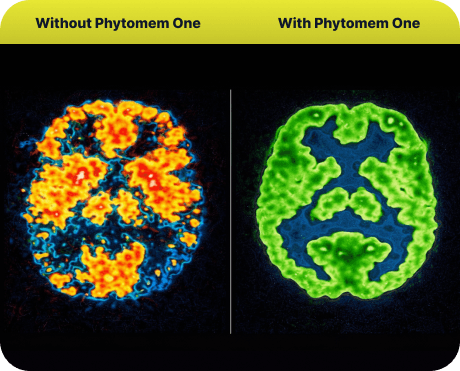
Second, berberine, Ceylon cinnamon, and corosolic acid are associated with glucose metabolism. Because the brain requires a dependable energy supply, researchers are exploring how metabolic health and cognitive performance interact.
Finally, marine-derived ingredients such as fucoxanthin and fucoidan are being investigated for their biological activities. Their neurological applications remain largely preliminary.
The formula’s proposed advantage is its broad biological coverage. Nevertheless, these mechanisms are hypotheses about potential support, rather than proof that one daily capsule produces measurable improvements in memory.
Phytomem One Ingredients: My Detailed Formula Analysis
Ingredient quality is particularly important in multi-compound supplements because natural substances can still produce side effects, interact with medications, or affect blood pressure and blood sugar. I recommend reviewing the complete Supplement Facts label, including individual quantities, before beginning any new formula.
Here is my assessment of the ten ingredients listed for Phytomem One.
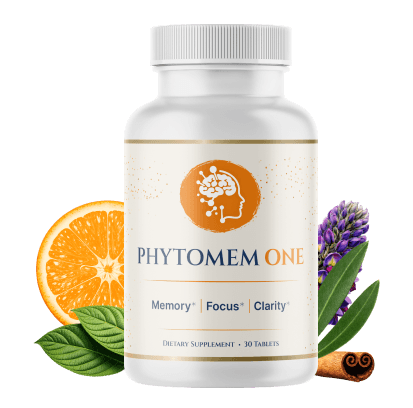
🍃 1. Saffron Extract (Crocus sativus L.)
Saffron contains biologically active compounds, including crocin and safranal, which have been investigated for antioxidant activity and possible neurological effects. Small clinical studies have explored saffron in people experiencing cognitive impairment, making it one of the formula’s more relevant ingredients.
What appeals to me is its direct connection to published human research. However, those findings cannot automatically be applied to Phytomem One because the exact saffron dose and extract standardization must be considered. Saffron may also interact with certain medications.
🍃 2. Fucoxanthin (Japanese Sea Kelp)
Fucoxanthin is a carotenoid naturally occurring in brown marine algae. Researchers have investigated its antioxidant activity, metabolic effects, and possible influence on inflammatory pathways, primarily through laboratory and animal studies.
Its inclusion gives the formula an interesting marine-derived component. Still, evidence demonstrating meaningful memory improvements in humans remains limited. Individuals with seaweed allergies or thyroid concerns should check the source material and iodine content.
🍃 3. Fucoidan (Japanese Sea Kelp)
Fucoidan is a sulfated polysaccharide extracted from brown seaweed. Experimental research has examined its antioxidant, immune-modulating, and anti-inflammatory properties, including possible applications involving nervous-system health.
I see fucoidan as a promising research ingredient rather than an established memory enhancer. Its effects depend on molecular structure and preparation methods, while human cognitive studies remain insufficient. Potential interactions with anticoagulant medications deserve attention.
🍃 4. Oleuropein (Olive Leaf Extract)
Oleuropein is a polyphenol found in olive leaves and olives. It has attracted scientific attention for antioxidant activity and its possible relationship with cardiovascular and metabolic health.
Its relevance to this formula comes from the connection between vascular health and brain function. Healthy circulation supports oxygen and nutrient delivery throughout the body. Nevertheless, clinical evidence that oleuropein supplementation directly improves memory is still limited.
🍃 5. Berberine HCl
Berberine is a plant-derived alkaloid extensively investigated for its influence on glucose and lipid metabolism. Research suggests that it can affect pathways involved in insulin sensitivity, making it particularly relevant to the supplement’s metabolic positioning.
I consider berberine scientifically interesting, but also one of the ingredients requiring the greatest caution. It can lower blood glucose and interact with prescription medications. Gastrointestinal discomfort is another recognized concern, and cognitive benefits have not been established for this finished formula.
🍃 6. Ceylon Cinnamon Bark (Cinnamomum verum)
Ceylon cinnamon contains aromatic compounds and polyphenols studied for their antioxidant and metabolic properties. Some research has examined cinnamon supplementation in relation to glucose regulation, although findings vary considerably.
I appreciate the selection of Ceylon cinnamon because it generally contains less coumarin than cassia cinnamon. However, its inclusion does not establish that the supplement improves brain glucose utilization or memory performance.
🍃 7. Corosolic Acid (Banaba Leaf)
Corosolic acid is a compound associated with banaba leaves, traditionally used in herbal preparations. Researchers have investigated its possible influence on glucose uptake and metabolic signaling.
Its role complements berberine and cinnamon, creating a recognizable metabolic theme within the formulation. However, combining several glucose-related compounds also makes medication compatibility important, especially for people managing diabetes.
🍃 8. Kudzu Flower Extract
Kudzu flowers contain plant compounds, including isoflavones, that have been studied for antioxidant and metabolic activity. Much of the available research remains experimental rather than based on large human cognitive trials.
This ingredient adds botanical diversity, although its contribution to everyday memory remains uncertain. Individuals with hormone-sensitive conditions should discuss concentrated botanical extracts with their healthcare professional before use.
🍃 9. Morosil (Sicilian Red Orange Extract)
Morosil is a branded extract derived from Sicilian red oranges, containing anthocyanins and other polyphenols. Its research has primarily focused on body composition and metabolic outcomes rather than direct improvements in cognition.
I understand its inclusion within a metabolism-oriented formula, but I would avoid treating weight-management research as proof of neurological effectiveness. Its actual contribution depends on the amount used and the quality of the extract.
🍃 10. Xylitol
Xylitol is a sugar alcohol commonly used as a sweetener and formulation ingredient. Unlike the other components, it has no established role as a clinically effective memory-support supplement.
Its presence may contribute to the formulation’s physical characteristics or palatability. Larger amounts can cause digestive discomfort, although the amount present in a capsule may be small. I would not consider xylitol a primary reason to purchase this product.
Six Potential Benefits of Phytomem One
The appeal of Phytomem One comes from its attempt to address cognitive wellness through multiple nutritional pathways. I believe its potential benefits deserve consideration, provided expectations remain realistic.
⭐ 1. Supporting Everyday Memory
The formula contains saffron, an ingredient investigated in clinical research involving cognitive function. This provides a plausible foundation for exploring memory-related benefits, particularly when compared with supplements containing ingredients with little neurological research.
However, remembering appointments, recalling names, and retaining information involve complex processes. Phytomem One has not been clinically proven to improve these abilities, and persistent memory problems require proper medical evaluation.
⭐ 2. Encouraging Mental Clarity
Occasional mental sluggishness can interfere with reading, conversations, and demanding tasks. Antioxidant-rich botanicals are being investigated for their potential contribution to cellular health, which may be relevant to maintaining normal cognitive function.
I find this positioning appealing for adults interested in general wellness. Still, brain fog frequently has treatable causes, including poor sleep and medication effects, so supplementation should not replace identifying the underlying problem.
⭐ 3. Supporting Healthy Glucose Metabolism
Berberine, cinnamon, and banaba provide a metabolic dimension that distinguishes the formula from many conventional nootropic products. These ingredients have been investigated for their effects on blood glucose regulation.
Healthy metabolic function is important for overall well-being, including neurological health. Yet supporting blood glucose does not prove improved memory, and combining glucose-active ingredients requires particular care for anyone taking diabetes medication.
⭐ 4. Providing Antioxidant Compounds
Saffron, olive leaf, marine carotenoids, and red orange extract supply compounds associated with antioxidant activity. These substances are relevant because oxidative stress is involved in numerous biological processes.
The potential advantage is ingredient diversity, although antioxidant activity observed in laboratory experiments does not guarantee meaningful benefits after oral supplementation. Actual absorption, dosage, and human outcomes remain essential considerations.
⭐ 5. Supporting Long-Term Cognitive Wellness
Maintaining cognitive health involves physical activity, cardiovascular health, adequate sleep, social engagement, and balanced nutrition. A carefully selected supplement may appeal to people who want additional nutritional support alongside those established habits.
Phytomem One offers a broad formula that fits this preventive-wellness perspective. Nevertheless, no evidence establishes that taking it prevents dementia, reverses age-related cognitive decline, or protects against neurological disease.
⭐ 6. Simplifying a Daily Wellness Routine
Convenience is one of the product’s clearest practical advantages. Combining several botanical ingredients into one capsule eliminates the need to purchase and organize numerous separate supplements.
I consider this especially useful for people who prefer uncomplicated routines. The benefit is convenience rather than guaranteed effectiveness, but consistency becomes easier when a supplement requires only one daily serving.
Phytomem One vs. Other Popular Brain-Support Brands
When comparing Phytomem One with conventional memory supplements, I focus on formulation strategy, ingredient relevance, convenience, and transparency. Its broad metabolic approach offers some conceptual advantages, although it cannot be declared clinically superior without direct comparative studies.

| Comparison Factor | Phytomem One | Typical Popular Brain-Support Formula |
|---|---|---|
| Formulation Strategy | Combines neurological, antioxidant, and metabolic ingredients within one formula. | Often emphasizes traditional nootropics, vitamins, or a smaller collection of cognitive-support compounds. |
| Metabolic Focus | Includes berberine, cinnamon, and banaba, creating a stronger emphasis on glucose-related pathways. | Metabolic support may receive less attention, depending on the formulation. |
| Antioxidant Diversity | Includes saffron, olive leaf, marine extracts, and red orange polyphenols. | Antioxidant coverage varies widely between brands and ingredient combinations. |
| Marine Ingredients | Features fucoxanthin and fucoidan, giving the formula a distinctive research angle. | Many mainstream cognitive formulas do not include these particular marine compounds. |
| Daily Convenience | One capsule daily with food makes the routine straightforward. | Some competing products require multiple capsules or divided servings. |
| Scientific Evidence | Individual ingredients have varying levels of research; complete-formula cognitive trials remain unestablished. | Some competitors also lack finished-product trials, while others may offer stronger ingredient-specific clinical data. |
| Dose Transparency | Buyers should verify individual milligram quantities and standardization on the current label. | Transparency varies; some brands disclose full quantities while others use proprietary blends. |
| Safety Considerations | Multiple metabolically active ingredients create potential medication-interaction concerns. | Safety depends on ingredients, dosage, stimulant content, and individual health conditions. |
| Best-Suited Preference | Adults interested in a combined cognitive and metabolic wellness approach. | Adults seeking targeted nootropics, simpler formulas, or specific clinically studied nutrients. |
My preference for Phytomem One’s formulation concept comes from its combination of metabolic and botanical ingredients. Its strongest distinction is breadth of approach, not proven superiority. A competing product with clearly disclosed clinical dosages or direct human trials could offer a stronger evidence-based choice.
Phytomem One Bonuses



My Phytomem One Rating: 4.4 Out of 5
After examining Phytomem One, I give it an editorial rating of 4.4/5 based on formulation interest, ease of use, ingredient diversity, and advertised purchasing terms.
Overall Editorial Rating: ★★★★☆ 4.4/5
| Rating Category | Score | My Assessment |
|---|---|---|
| Formula Concept | ★★★★★ 4.7/5 | The combination of cognitive and metabolic ingredients provides an interesting, distinctive formulation strategy. |
| Ingredient Diversity | ★★★★★ 4.6/5 | Ten ingredients cover several biological pathways, although diversity alone cannot establish effectiveness. |
| Convenience | ★★★★★ 4.9/5 | One daily capsule with food is exceptionally straightforward. |
| Scientific Support | ★★★☆☆ 3.5/5 | Some ingredients have relevant research, but product-specific clinical evidence is lacking. |
| Purchase Protection | ★★★★★ 4.5/5 | The advertised 60-day refund policy is attractive, provided buyers understand its conditions. |
| Overall Editorial Score | ★★★★☆ 4.4/5 | A promising formulation concept with meaningful evidence and transparency limitations. |
The rating reflects my assessment of the product’s design and practical features. It should not be interpreted as a verified effectiveness rating, since the complete formula has not demonstrated consistent memory improvements in published clinical trials.
How to Take Phytomem One Correctly
The manufacturer’s recommended routine for Phytomem One is straightforward: take one capsule daily with food. There is no complicated timing schedule or powder preparation.
I would recommend choosing a consistent mealtime and following the label instructions. Avoid exceeding the suggested serving, and consult a healthcare professional before starting if you use medications or have an existing medical condition.
Phytomem One Pros and Cons: My Practical Assessment
Every supplement has strengths and limitations. My evaluation of Phytomem One identifies six appealing characteristics and four considerations that deserve attention before ordering.
| Pros | Cons |
|---|---|
| 1. Broad ingredient selection: Combines botanical compounds associated with antioxidant, metabolic, and neurological research. | 1. Limited finished-product evidence: Published studies on individual ingredients cannot establish the effectiveness of the complete formula. |
| 2. Convenient daily serving: One capsule with food simplifies long-term use and reduces the burden of managing separate supplements. | 2. Uncertain individual dosages: Without confirming exact ingredient quantities, buyers cannot reliably compare the formula with research-based amounts. |
| 3. Interesting metabolic approach: Berberine, cinnamon, and banaba distinguish the formula from products focused exclusively on conventional nootropics. | 3. Medication interactions: Several ingredients may influence blood glucose or interact with prescription treatments, requiring additional precautions. |
| 4. Saffron inclusion: Saffron has preliminary human cognitive research, providing a more relevant scientific foundation than purely speculative ingredients. | 4. Ambitious marketing claims: Claims involving microplastic removal and reversal of brain insulin resistance exceed currently established product-specific evidence. |
| 5. Botanical antioxidant diversity: Marine extracts, olive leaf, and red orange compounds contribute a varied phytochemical profile. | |
| 6. Advertised purchase protection: The 60-day guarantee offers potential financial reassurance when buyers follow the seller’s refund conditions. |
Possible Phytomem One Side Effects
Although Phytomem One contains naturally derived ingredients, that does not eliminate the possibility of adverse reactions.
Potential concerns include digestive discomfort, nausea, changes in blood glucose, dizziness, and allergic reactions. Berberine is particularly associated with gastrointestinal effects and medication interactions, while concentrated botanical extracts may affect individuals differently.
Because comprehensive safety studies on the finished combination are unavailable, its overall side-effect frequency cannot be reliably established. Discontinue use and seek medical advice if concerning symptoms develop.
Is Phytomem One Safe for Daily Use?
Phytomem One contains recognizable botanical ingredients, several of which have been studied individually. However, natural ingredients are not automatically risk-free, particularly when combined.
For generally healthy adults, suitability depends on the actual doses, personal health history, and medication use. I recommend checking the full label and discussing the formula with a qualified healthcare professional before beginning regular supplementation.
Can Phytomem One Interact With Medications?
Medication compatibility is an important consideration with Phytomem One, particularly because the formula contains berberine and other compounds associated with metabolic effects.
People using diabetes medications, anticoagulants, blood-pressure treatments, immunosuppressants, or other long-term prescriptions should obtain professional guidance before taking it. Combining glucose-lowering ingredients with diabetes treatment may increase the risk of hypoglycemia.
I would also avoid assuming that separating supplement and medication doses prevents interactions. A pharmacist can review the specific combination more reliably.
Who May Benefit From Phytomem One, and Who Should Avoid It?
I see Phytomem One as a product primarily intended for adults interested in general cognitive wellness, rather than individuals seeking treatment for diagnosed neurological conditions.
Potentially Suitable Users
- Adults interested in cognitive wellness: People looking for additional nutritional support may appreciate the combination of botanical compounds, provided they understand the limitations of current evidence.
- People preferring stimulant-free formulations: Those who dislike caffeine-based nootropics may find the product’s advertised stimulant-free approach appealing.
- Individuals seeking simple routines: A once-daily capsule may suit people who prefer minimal supplement preparation and uncomplicated schedules.
People Who Should Avoid It or Seek Medical Clearance
- Pregnant or breastfeeding individuals: Safety information on the complete botanical combination is insufficient for routine use during these periods.
- People taking diabetes medication: Berberine and other metabolic ingredients may alter blood glucose, creating potentially significant interactions.
- Individuals using complex prescription regimens: Medication compatibility should be checked carefully before supplementation.
- People experiencing progressive memory loss: New, persistent, or worsening cognitive symptoms require medical evaluation rather than self-treatment with supplements.
What I Didn’t Like About Phytomem One and Why
Despite its interesting ingredient selection, Phytomem One has limitations that influence my final assessment.
- The marketing language is stronger than the clinical evidence. References to a Plastic Stranglehold create a dramatic impression, but the finished supplement has not been proven to remove microplastics from brain tissue.
- The ingredient quantities deserve closer scrutiny. Listing ten ingredients is useful, but meaningful scientific comparisons require exact dosages and standardized extract information.
- Independent customer evidence is limited. Manufacturer-published testimonials can describe personal experiences, but they cannot establish typical outcomes or rule out placebo effects.
- The metabolic ingredients require caution. I appreciate the formula’s broad approach, although the presence of several glucose-related compounds makes it less suitable for unsupervised use alongside certain medications.
Is Phytomem One a Scam or a Legitimate Supplement?
Based on the available information, Phytomem One is marketed as a botanical dietary supplement with an identifiable ingredient concept and advertised refund terms. I found no basis to declare it a scam simply because its promotional claims are ambitious.
However, legitimate marketing and clinically proven effectiveness are different standards. I would verify the seller’s identity, full Supplement Facts label, customer-service information, and refund conditions before purchasing. The absence of finished-product clinical trials remains an important limitation.
Alternatives to Phytomem One Available on Amazon
Anyone comparing Phytomem One with other cognitive-support products may want to investigate these established supplement lines, which are commonly associated with the Amazon marketplace. Current availability, seller authenticity, and formulations should be checked before purchasing.
1. Life Extension Cognitex Elite
Life Extension offers cognitive-support formulations featuring ingredients selected for neurological wellness. Cognitex Elite may appeal to shoppers who prefer a product with a more conventional nootropic emphasis.
Its formulation differs substantially from Phytomem One, particularly regarding metabolic ingredients. I would compare exact dosages, ingredient standardization, and clinical research rather than assuming either formula is superior.
2. Nature’s Bounty Ginkgo Biloba
Nature’s Bounty Ginkgo Biloba offers a simpler botanical approach centered on ginkgo extract. Ginkgo has been studied extensively, although evidence for preventing cognitive decline or improving memory in healthy adults remains inconsistent.
This alternative may suit people who prefer fewer ingredients. However, ginkgo can interact with medications, particularly those affecting bleeding risk.
3. Jarrow Formulas Citicoline
Jarrow Formulas offers citicoline supplements, which focus on a compound involved in phospholipid metabolism and neurological function. Citicoline has been investigated for cognitive applications, with mixed findings depending on the population studied.
I would consider this a more targeted alternative rather than a direct substitute for Phytomem One’s broad botanical and metabolic formulation.
Phytomem One 60-Day Money-Back Guarantee

One attractive purchasing feature of Phytomem One is its advertised 60-day money-back guarantee. This gives prospective customers a defined period in which they may request a refund under the seller’s applicable terms.
Importantly, the advertised official refund protection should only be relied upon for qualifying purchases made through the official website. Orders from unrelated marketplaces, unauthorized resellers, or imitation websites may not receive the same coverage.
Before ordering, I recommend reading the current refund policy carefully, confirming when the 60-day period begins, and checking whether shipping charges or return requirements apply. Keep your order confirmation and transaction details, as these may be necessary when contacting customer support.
A clearly documented guarantee can reduce purchasing uncertainty, although it should never be interpreted as evidence that a supplement will deliver its advertised results.
Frequently Asked Questions About Phytomem One
Q: What is Phytomem One primarily designed to support?
A: Phytomem One is marketed for memory, concentration, mental clarity, and general cognitive wellness. Its formulation also emphasizes metabolic pathways that researchers are investigating in relation to neurological health. These are proposed areas of support rather than clinically established treatment outcomes.
Q: How long does it take to notice results?
A: There is no scientifically established timeframe for experiencing cognitive improvements from this exact formula. Manufacturer testimonials describe different experiences, but individual reports cannot predict typical results. I would avoid expecting immediate changes or interpreting subtle daily fluctuations as proof of effectiveness.
Q: Can Phytomem One prevent Alzheimer’s disease?
A: No clinical evidence establishes that this supplement prevents Alzheimer’s disease or other forms of dementia. Although saffron has been investigated in small cognitive studies, those findings do not demonstrate that the complete Phytomem One formulation prevents or treats neurological disease.
Q: Does the supplement remove microplastics from the brain?
A: The manufacturer discusses microplastic-related mechanisms, but there is insufficient human clinical evidence demonstrating that the finished product removes microplastics from brain tissue. I consider this an unproven promotional claim rather than an established therapeutic benefit.
Q: Can I take Phytomem One with breakfast?
A: The recommended serving is one capsule daily with food, making breakfast a practical option. Taking it consistently at a regular mealtime may help maintain the routine, although users should follow the current package instructions and any individualized medical guidance.
Q: Is Phytomem One suitable for older adults?
A: The product is marketed toward adults interested in cognitive aging, including older individuals. However, older adults frequently use prescription medications and may have underlying conditions that increase interaction risks. Reviewing the ingredient list with a pharmacist or healthcare professional is particularly important.
Q: Are the customer testimonials reliable?
A: Testimonials published by the manufacturer can offer insight into reported customer experiences, but they are not equivalent to independent clinical research. Positive stories may be selectively presented, and outcomes vary. I would consider them supplementary information rather than decisive evidence of effectiveness.
Q: Where should I purchase Phytomem One?
A: I recommend using the verified official sales channel when considering a purchase, especially if the advertised 60-day guarantee is important. Before completing payment, confirm the seller, current pricing, ingredient label, shipping conditions, and refund requirements.
My Final Verdict on Phytomem One
After examining Phytomem One, I find its combination of saffron, marine-derived compounds, and metabolic-support ingredients genuinely interesting. The convenient daily serving and advertised purchase protection add practical appeal, although neither feature guarantees cognitive improvements.
My 4.4/5 editorial rating reflects the formula’s concept and convenience rather than proven clinical performance. The biggest limitations remain the absence of published trials on the complete supplement, uncertainty around ingredient dosages, and promotional claims that go beyond available evidence.
For adults interested in exploring botanical cognitive wellness support, Phytomem One may be worth considering after reviewing its safety and ingredient information. Visit the official website to check the current offer, complete Supplement Facts label, and 60-day refund terms before deciding whether it fits your needs.
Disclaimer
This article is for informational purposes only and does not constitute medical advice. Dietary supplements are not substitutes for medical diagnosis or treatment, and individual results vary. Consult a qualified healthcare professional before use, particularly if you take medications or have an existing condition. This article contains affiliate links, and I may earn a commission from qualifying purchases at no additional cost to you.
References
- PubMed – Saffron in the Treatment of Mild-to-Moderate Alzheimer’s Disease: A Randomized Placebo-Controlled Trial. Research examining saffron supplementation and cognitive outcomes.
https://pubmed.ncbi.nlm.nih.gov/20831681/ - PubMed – Saffron for Mild Cognitive Impairment and Dementia: Systematic Review and Meta-Analysis. Evaluation of clinical findings and limitations in saffron research.
https://pubmed.ncbi.nlm.nih.gov/33167948/ - PubMed – Effects of Saffron on Cognition, Anxiety, and Depression in Patients Undergoing Coronary Artery Bypass Grafting. Randomized clinical research examining cognitive and psychological outcomes.
https://pubmed.ncbi.nlm.nih.gov/29185780/ - National Center for Complementary and Integrative Health (NCCIH) – Herbs at a Glance. Evidence-based information about botanical supplements, safety, and potential interactions.
https://www.nccih.nih.gov/health/herbsataglance - National Institute on Aging – Cognitive Health and Older Adults. Research-based guidance on maintaining cognitive health and understanding factors associated with aging.
https://www.nia.nih.gov/health/brain-health/cognitive-health-and-older-adults