

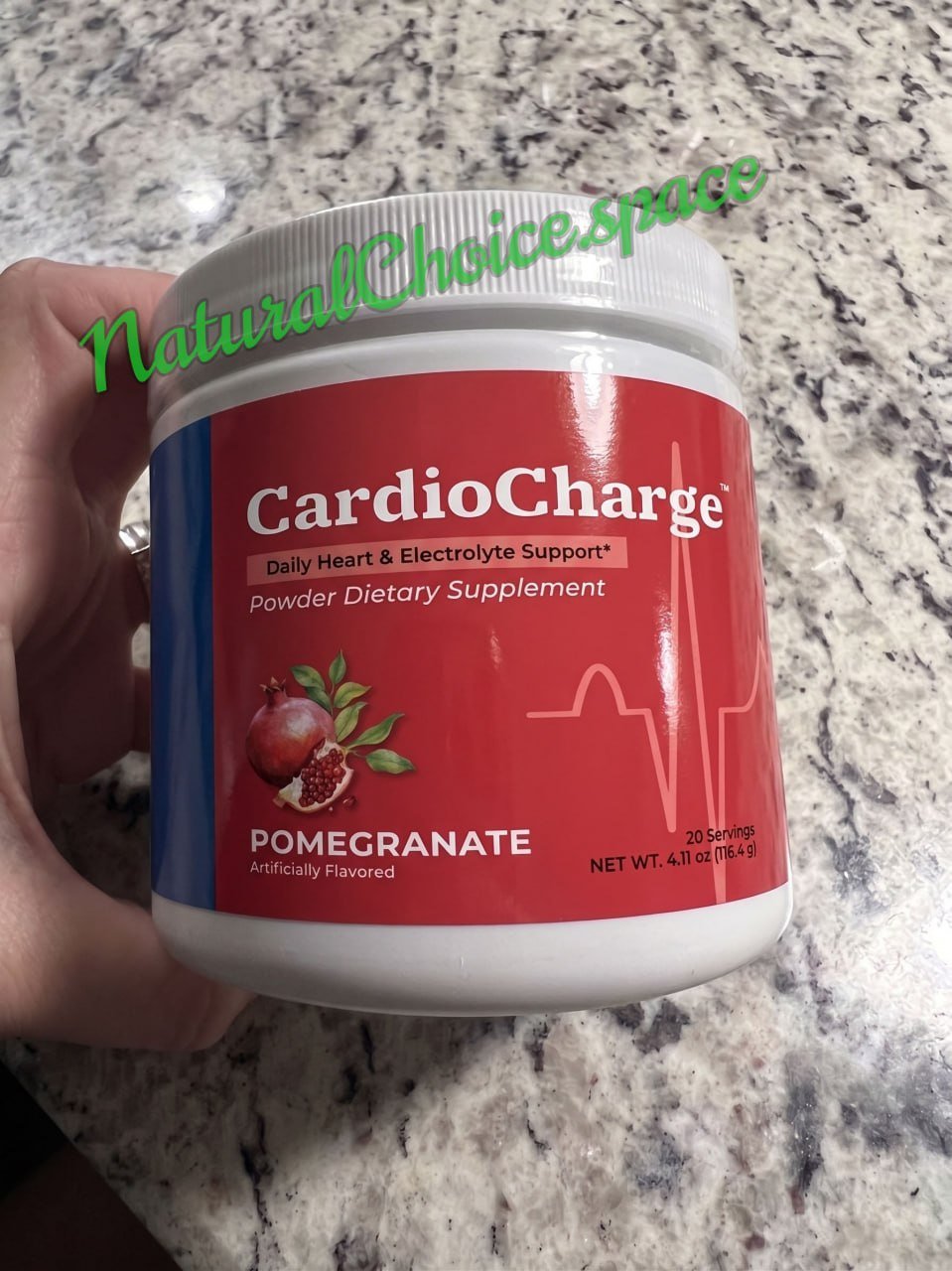
Maintaining healthy circulation becomes increasingly important as the body ages. Blood vessels must remain flexible, the heart needs a dependable supply of energy, and the cardiovascular system relies on several nutrients to function efficiently. When these processes become less effective, everyday activities can feel more demanding, making cardiovascular wellness a growing priority for many adults.
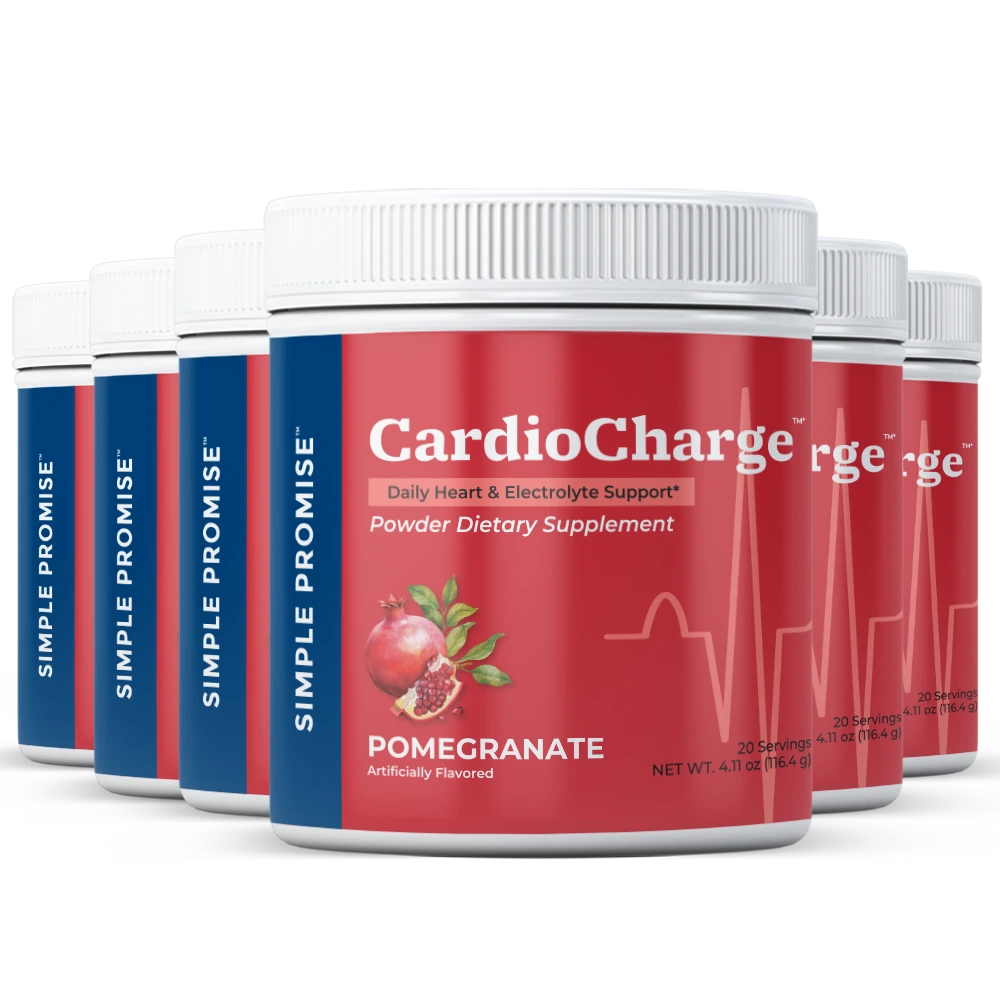
CardioCharge™ is a powdered dietary supplement developed to support cardiovascular function through a combination of botanical extracts, essential minerals, and compounds involved in cellular energy production. Its formula focuses on several aspects of cardiovascular wellness, including arterial flexibility, antioxidant protection, electrolyte balance, and normal cellular metabolism.
This comprehensive CardioCharge review examines its ingredients, proposed benefits, scientific background, potential side effects, and practical limitations. It also explores the product’s purchasing considerations and money-back guarantee to help readers determine whether CardioCharge is an appropriate addition to their cardiovascular wellness routine.
CardioCharge – Overview
| Product Information | Details |
|---|---|
| Product Name | CardioCharge™ |
| Product Category | Cardiovascular health and circulation support supplement |
| Supplement Form | Powdered drink mix |
| Primary Purpose | Supporting healthy circulation, normal cardiovascular function, and cellular energy metabolism |
| Key Ingredients | D-Ribose, Hibiscus Flower Extract, Hytolive® Olive Extract, Potassium Citrate, Magnesium Glycinate, Sodium Citrate, and L-Glycine |
| Intended Benefits | Supports arterial flexibility, antioxidant defenses, electrolyte balance, cardiovascular wellness, and normal energy production |
| Formula Approach | Combines botanical antioxidants, cellular energy support, and essential electrolytes |
| Stimulant Content | Marketed as a non-caffeinated cardiovascular support formula |
| Flavor | Light pomegranate spritzer |
| Recommended Serving | One scoop mixed with water daily |
| Recommended Timing | First thing in the morning |
| Intended Users | Adults seeking additional nutritional support for cardiovascular wellness |
| Manufacturing | Described as USA-made; independent manufacturing certification should be verified |
| Customer Rating | 4.5/5 promotional rating; independently verified review count unavailable |
| Money-Back Guarantee | Advertised 365-day money-back guarantee; confirm current purchase terms |
| Official Website | ✅ Click Here — use the manufacturer’s verified website |
What Is CardioCharge?
CardioCharge is a daily cardiovascular support supplement designed for adults interested in maintaining healthy blood vessel function and supporting the body’s natural energy-producing processes. Unlike conventional multivitamins that provide broad nutritional coverage, CardioCharge concentrates on ingredients associated with circulation, vascular health, and electrolyte regulation.
The product is supplied as a drinkable powder, making it an alternative to capsules and tablets. Its ingredients include D-Ribose for cellular energy metabolism, hibiscus extract for vascular support, olive-derived antioxidants, and minerals involved in normal muscle and nerve function. L-Glycine provides an additional amino acid component associated with protein synthesis and several important metabolic pathways.
The central concept behind CardioCharge is that cardiovascular health depends on more than the heart muscle alone. The endothelial cells lining blood vessels, the smooth muscles controlling vascular tension, and the body’s energy-producing systems all contribute to cardiovascular function.
CardioCharge aims to provide nutritional support for several of these interconnected processes through one daily serving.
However, it is important to distinguish nutritional support from medical treatment. CardioCharge has not been established as a treatment for hypertension, coronary artery disease, heart failure, or other cardiovascular conditions. Its potential value lies in supplementing an appropriate wellness routine rather than replacing prescribed medical care.
The Science Supporting CardioCharge
The scientific rationale behind CardioCharge comes primarily from research involving its individual ingredients. Several components have been investigated for their effects on blood pressure, oxidative stress, vascular function, and energy metabolism.
Hibiscus is particularly interesting because human clinical trials have examined its relationship with cardiovascular risk factors. A systematic review and meta-analysis published in Nutrition Reviews found that hibiscus consumption was associated with reductions in systolic blood pressure compared with placebo. However, the included studies varied considerably, and researchers emphasized the need for additional investigations into effective dosages and treatment duration.
Another important component is hydroxytyrosol, an antioxidant compound derived from olives. Research has examined its ability to influence oxidative stress and endothelial function. These findings provide a biological explanation for including olive-derived polyphenols in cardiovascular supplements, although they do not establish that every product containing hydroxytyrosol produces equivalent results.
Magnesium and potassium also have established physiological roles. Both contribute to normal muscle function, nerve signaling, and electrolyte regulation. Magnesium participates in hundreds of enzyme-dependent processes, including reactions involved in cellular energy production.
D-Ribose contributes to the molecular structure of ATP, the compound cells use to transfer energy. This provides a plausible rationale for including it in a cardiovascular formula, although consuming additional D-Ribose has not been conclusively shown to improve heart function or everyday energy in otherwise healthy adults.
The important distinction is that evidence supporting individual ingredients does not automatically establish the effectiveness of CardioCharge as a finished formula.
The overall results depend on ingredient quantities, absorption, individual nutritional status, and the specific combination used. Without published clinical trials evaluating the complete CardioCharge formulation, its cardiovascular benefits should be regarded as promising possibilities rather than guaranteed outcomes.
How Does CardioCharge Work?
CardioCharge is formulated around several complementary nutritional mechanisms. The first involves cellular energy metabolism. D-Ribose is a naturally occurring sugar involved in the synthesis of important cellular molecules, including ATP. By supplying a compound used in these processes, the formula aims to support normal energy metabolism.
The second mechanism concerns vascular function. Hibiscus contains naturally occurring phytochemicals that have been investigated for their influence on blood pressure. These compounds may support processes involved in maintaining healthy vascular responsiveness.
CardioCharge also incorporates magnesium, potassium, and sodium. These electrolytes contribute to normal electrical signaling, muscle contractions, and fluid regulation. Their physiological balance is important because the heart and blood vessels rely on tightly controlled mineral concentrations.
Olive-derived hydroxytyrosol supplies antioxidant activity. Oxidative stress can affect endothelial cells and vascular tissues, making dietary antioxidants an area of ongoing cardiovascular research.
Finally, L-Glycine participates in protein synthesis and other metabolic pathways. Although it is involved in normal tissue maintenance, evidence that supplemental glycine directly repairs damaged arteries remains limited.
Together, these ingredients are intended to support normal cardiovascular physiology through nutritional pathways. They should not be expected to mechanically clear blocked arteries, reverse established cardiovascular disease, or produce immediate changes in circulation.
Ingredients in CardioCharge
Ingredient selection is particularly important in cardiovascular supplements because some compounds can influence blood pressure, electrolyte concentrations, and medication activity. Natural ingredients are not automatically harmless, and even essential minerals may become problematic when consumed in inappropriate quantities.
CardioCharge combines seven ingredients with different biological functions. Understanding their individual contributions makes it easier to evaluate the formula realistically and identify potential safety considerations.
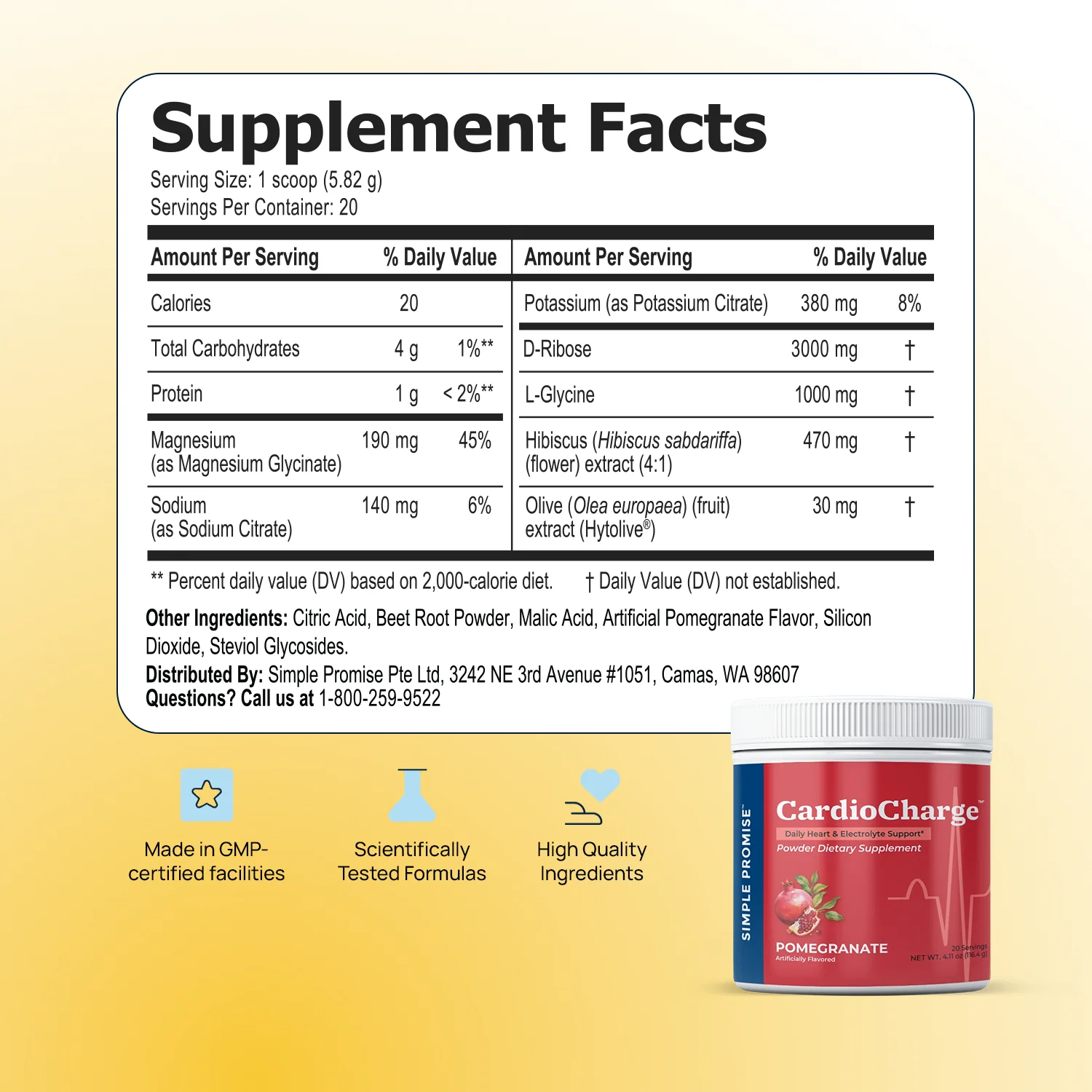
🍃 D-Ribose
D-Ribose is a naturally occurring five-carbon sugar that plays an essential role in cellular metabolism. It forms part of ribonucleic acid and participates in the molecular structure of ATP, which cells use to store and transfer energy. Because cardiac muscle requires a continuous energy supply, researchers have explored whether D-Ribose supplementation could influence energy-related processes in certain cardiovascular conditions.
Its inclusion in CardioCharge is intended to support normal cellular energy metabolism. However, supplying an ATP building block does not necessarily mean that the body will produce more ATP or that cardiovascular performance will improve. Clinical evidence remains limited, and the effects may differ depending on a person’s underlying health. D-Ribose may also lower blood glucose in some circumstances, making appropriate precautions important for individuals using glucose-lowering medications.
🍃 Hibiscus Flower Extract
Hibiscus flower extract is derived from a flowering plant traditionally consumed in herbal beverages. It contains anthocyanins, organic acids, and other naturally occurring phytochemicals that have attracted scientific interest for their antioxidant properties and potential cardiovascular effects.
Clinical research suggests that hibiscus consumption may modestly influence blood pressure in some adults, particularly those with elevated baseline readings. This makes it one of the more relevant botanical ingredients in CardioCharge. However, benefits depend on the extract, dosage, and individual response. Hibiscus should not be regarded as a substitute for prescribed blood pressure medication, and combining it with antihypertensive treatment requires appropriate medical guidance.
🍃 Hytolive® Olive Extract
Hytolive® is an olive-derived extract associated with hydroxytyrosol, a naturally occurring polyphenol. Hydroxytyrosol has been studied because of its antioxidant activity and potential influence on cellular processes associated with cardiovascular health.
Oxidative stress can affect the endothelial cells lining blood vessels, contributing to changes in vascular function over time. Laboratory and clinical research involving olive polyphenols suggests that these compounds may support antioxidant defenses and certain markers of endothelial health. However, results from studies involving olive oil or isolated polyphenols cannot automatically be applied to CardioCharge. The extract’s concentration and daily hydroxytyrosol content are important when evaluating its likely contribution.
🍃 Potassium Citrate
Potassium is an essential mineral involved in electrical signaling, muscle contractions, and fluid regulation. Normal potassium balance is especially important for cardiac function because potassium contributes to the electrical processes coordinating the heartbeat.
CardioCharge includes potassium in citrate form as part of its electrolyte-supporting formula. Adequate potassium intake is associated with healthy blood pressure regulation, but supplementation is not appropriate for everyone. Individuals with impaired kidney function or those taking certain medications may develop dangerously elevated potassium levels. The actual amount supplied per serving is therefore more important than the presence of potassium alone.
🍃 Magnesium Glycinate
Magnesium glycinate combines magnesium with glycine. Magnesium participates in hundreds of enzyme-dependent reactions and contributes to normal muscle function, energy production, and the movement of electrolytes across cell membranes.
Its cardiovascular relevance includes supporting normal heart rhythm and muscular function. Magnesium glycinate is commonly marketed as a gastrointestinally tolerable form, although individual responses differ and the available evidence does not establish that it is universally superior to other magnesium compounds. CardioCharge’s effectiveness in addressing inadequate magnesium intake depends on the amount of elemental magnesium provided per serving.
🍃 Sodium Citrate
Sodium citrate supplies sodium, an essential electrolyte that contributes to fluid regulation, nerve signaling, and muscle function. Sodium is necessary for normal physiology, but the body maintains its concentration within a carefully regulated range.
Its inclusion in CardioCharge contributes to the formula’s electrolyte composition. However, sodium supplementation does not inherently improve circulation, and excessive sodium consumption can be undesirable for people managing hypertension, heart failure, or fluid retention. The product’s total sodium content should be considered alongside dietary intake, particularly when following a medically recommended sodium restriction.
🍃 L-Glycine
L-Glycine is an amino acid used in protein synthesis and several important metabolic pathways. It is also a component of collagen, a structural protein found throughout connective tissues, including tissues associated with blood vessel structure.
Glycine additionally participates in the synthesis of glutathione, an antioxidant involved in cellular protection. These functions provide a reasonable nutritional rationale for its inclusion in CardioCharge. Nevertheless, the fact that glycine contributes to collagen production does not establish that supplementation repairs arterial damage or reverses vascular aging. Its proposed cardiovascular benefits require more direct human clinical evidence.
Potential Benefits of CardioCharge
CardioCharge is designed to support several physiological systems involved in cardiovascular wellness. Its ingredients provide a combination of essential nutrients and plant-derived compounds that may complement a balanced diet and other healthy habits.
The following six benefits represent the formula’s intended areas of support. Their likelihood and magnitude depend on individual health, dietary intake, ingredient quantities, and consistency. These are potential nutritional benefits, not clinically established treatment outcomes for the finished product.
★ 1. Supports Healthy Blood Circulation
Healthy circulation allows oxygen and nutrients to reach tissues throughout the body. Blood vessels must maintain appropriate flexibility and responsiveness while the heart continuously pumps blood through the vascular system.
CardioCharge contains hibiscus extract and olive-derived polyphenols, ingredients investigated for their influence on vascular health. Hibiscus has demonstrated potentially beneficial effects on blood pressure in some clinical studies, while olive polyphenols have been examined for their effects on endothelial function. Together, these ingredients provide a scientifically plausible foundation for supporting normal circulation.
However, improved blood circulation should not be interpreted as a guaranteed sensation of warmth, reduced swelling, or relief from leg discomfort. Such symptoms may have unrelated medical causes. CardioCharge is intended for general nutritional support, and its ability to improve measurable circulation has not been established through product-specific clinical trials.
★ 2. Helps Maintain Normal Arterial Flexibility
Arterial flexibility allows blood vessels to respond to changes in blood flow and pressure. As people age, vascular tissues may gradually become less responsive due to changes in their structural proteins, endothelial function, and other biological processes.
Hibiscus and olive-derived polyphenols are relevant to this aspect of cardiovascular wellness. Their antioxidant and vascular effects have been explored in scientific investigations, providing a rationale for including them in a formula concerned with arterial function.
CardioCharge also contains magnesium, which contributes to normal muscular and cellular activity. Although this combination is conceptually appealing, no published product-specific evidence establishes that CardioCharge reverses arterial stiffness. Maintaining vascular health still requires attention to physical activity, blood pressure management, smoking avoidance, and appropriate medical care.
★ 3. Supports Normal Cellular Energy Production
The heart requires a continuous supply of ATP to maintain its pumping activity. Cellular energy production therefore plays a fundamental role in cardiovascular physiology.
D-Ribose contributes to the molecular structure of ATP, while magnesium participates in reactions involved in ATP metabolism. This gives CardioCharge a distinctive nutritional focus compared with products containing botanical antioxidants alone. Its non-caffeinated positioning may also appeal to adults who prefer avoiding stimulant-based energy supplements.
Nevertheless, a biological role in ATP production does not establish that additional supplementation will produce noticeable energy improvements. Individuals experiencing persistent fatigue should investigate possible underlying causes rather than assuming that their symptoms reflect inadequate cellular energy substrates.
★ 4. Provides Antioxidant Support for Vascular Cells
Oxidative stress occurs when the production of reactive molecules exceeds the body’s capacity to regulate them. Persistent oxidative stress can influence cellular structures and is associated with several processes involved in cardiovascular aging.
Hytolive® olive extract provides hydroxytyrosol, while hibiscus supplies additional plant-derived antioxidant compounds. These ingredients contribute to the formula’s antioxidant profile and reflect growing scientific interest in dietary polyphenols and vascular health.
Antioxidants may support the body’s protective systems, but consuming antioxidant supplements does not guarantee protection against cardiovascular disease. The strongest practical foundation remains a nutrient-rich dietary pattern that regularly includes vegetables, fruits, legumes, and other minimally processed foods.
★ 5. Contributes to Normal Heart and Muscle Function
Potassium and magnesium participate in electrical signaling and muscular activity, making both nutrients important for normal heart function. Maintaining adequate mineral status helps the cardiovascular system perform its ordinary physiological tasks.
CardioCharge combines potassium citrate and magnesium glycinate with sodium citrate, creating an electrolyte component within its broader formulation. This may be useful when the product provides meaningful amounts of nutrients that are otherwise insufficient in the diet.
However, electrolyte supplementation should be guided by actual needs. More potassium or magnesium is not automatically beneficial, and excessive amounts can create significant health problems. The potential benefit is therefore related to supporting appropriate nutritional intake rather than indiscriminately increasing mineral consumption.
★ 6. Offers a Convenient Non-Caffeinated Wellness Routine
A practical advantage of CardioCharge is its powdered format. Adults who dislike swallowing capsules may find a flavored drink easier to incorporate into their morning habits.
The product is marketed as providing a light pomegranate-spritzer flavor without relying on caffeine for its energy-related positioning. This makes its intended experience different from stimulant-heavy products that may produce noticeable alertness followed by unwanted effects in sensitive individuals.
Convenience can improve consistency, but consistency alone does not guarantee cardiovascular improvements. The greatest practical value comes when a supplement fits into a sustainable routine that also includes appropriate nutrition, physical activity, and established cardiovascular risk management.
CardioCharge Customer Reviews
CardioCharge is presented with a customer satisfaction rating of ⭐⭐⭐⭐⭐ 4.5/5, reflecting its promotional positioning around circulation support, daily vitality, and cardiovascular wellness. However, an independently verified review count and a sufficiently documented customer-review database were not available to substantiate that rating.
The following examples illustrate the types of feedback relevant to evaluating a cardiovascular supplement. They are illustrative customer scenarios rather than authenticated testimonials from verified purchasers.
⭐⭐⭐⭐⭐ 5/5 – Convenient Morning Supplement
“I wanted a cardiovascular supplement that would fit into my morning routine without requiring several capsules. The powdered format appealed to me because preparing a drink feels easier than remembering multiple tablets throughout the day. The pomegranate-style flavor also sounds more enjoyable than the typical unflavored supplement.”
⭐⭐⭐⭐⭐ 5/5 – Interesting Ingredient Combination
“The ingredient combination is what caught my attention. I like the idea of a formula that includes magnesium and potassium alongside hibiscus and olive extract. My main interest is maintaining healthy cardiovascular habits as I get older, so the nutritional approach makes sense to me.”
⭐⭐⭐⭐ 4/5 – Appreciates the Non-Caffeinated Formula
“I generally avoid energy supplements because I am sensitive to caffeine. CardioCharge’s focus on normal cellular metabolism is more appealing than products that depend on stimulants. I would still want to check the exact ingredient amounts before deciding whether it fits my nutritional needs.”
⭐⭐⭐⭐ 4/5 – Positive About the Daily Format
“The single-scoop preparation seems straightforward, and I appreciate that the product is designed around long-term wellness rather than an immediate stimulant effect. My biggest consideration would be whether the price is reasonable for daily use and whether the ingredient quantities justify that cost.”
CardioCharge Complaints
Even a thoughtfully formulated supplement may not suit every consumer. Taste preferences, ingredient transparency, pricing, and the absence of immediate effects can all influence customer satisfaction.
The following examples represent possible purchasing concerns rather than independently verified complaints.
⭐⭐⭐ 3/5 – Uncertainty About Noticeable Results
“I prefer supplements that have clear clinical evidence showing what users can realistically expect. Although the ingredients are interesting, I would like to see published testing of the complete CardioCharge formula. Without that information, it is difficult to know whether any changes in energy or cardiovascular measurements would come directly from the supplement.”
⭐⭐⭐ 3/5 – Wants More Detailed Purchasing Information
“The daily preparation sounds convenient, but I would want the complete Supplement Facts panel and exact serving quantities before purchasing. I would also compare the monthly cost with buying individual nutrients. Having clear information about the refund conditions would make the decision easier.”
CardioCharge vs Other Popular Brands?
When comparing CardioCharge with other popular cardiovascular supplements, the most important considerations are ingredient quality, nutritional coverage, convenience, and the scientific rationale behind the formula. While many supplements concentrate on a limited number of ingredients, CardioCharge combines botanical extracts, essential minerals, and compounds involved in cellular energy metabolism.
Its formulation is designed to address several nutritional processes associated with cardiovascular wellness. The comparison below highlights how CardioCharge differs from conventional cardiovascular supplements and where its combination of ingredients may offer practical advantages.
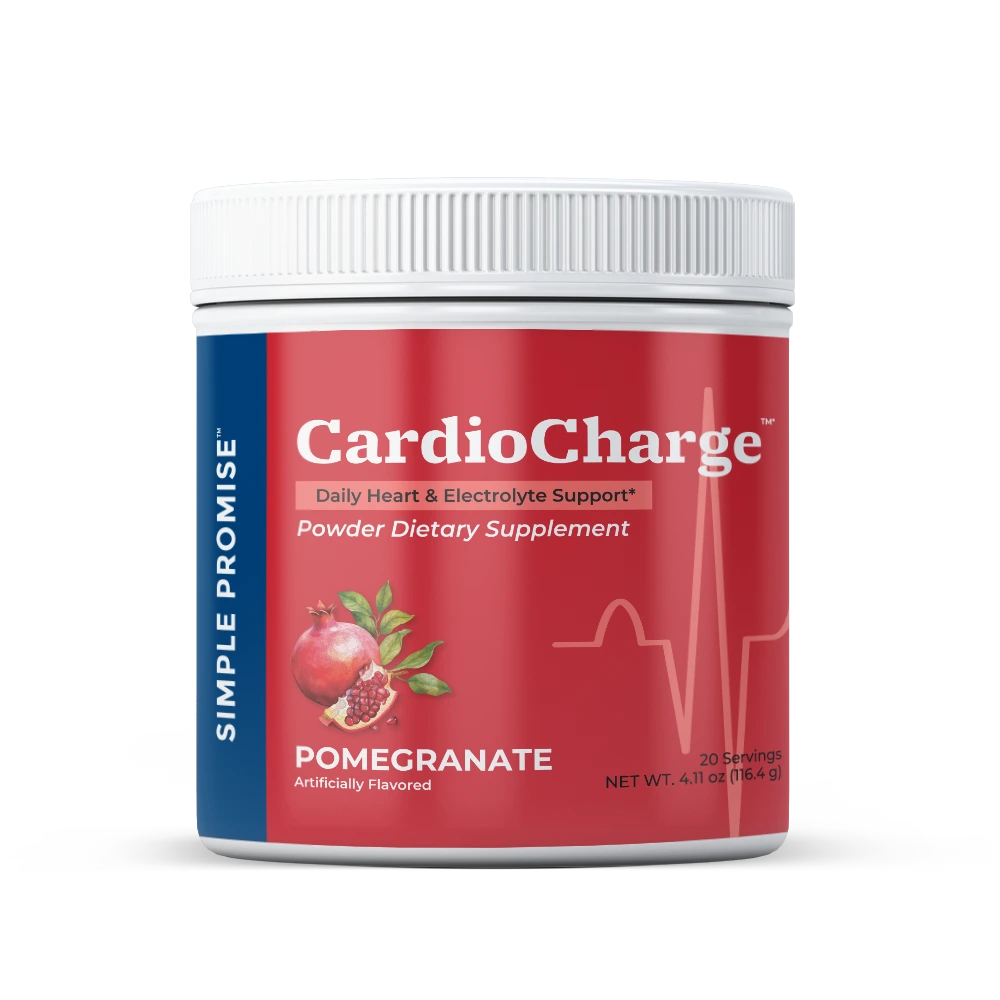

| Comparison Features | CardioCharge™ | Other Popular Brands |
|---|---|---|
| Formula Composition | Contains seven ingredients, including D-Ribose, Hibiscus Flower Extract, Hytolive® Olive Extract, Potassium Citrate, Magnesium Glycinate, Sodium Citrate, and L-Glycine. These ingredients contribute to several different nutritional processes associated with cardiovascular function. | Formulations vary considerably. Some brands concentrate on individual vitamins, minerals, or botanical extracts, while others contain multiple ingredients. Their nutritional coverage depends on the specific formulation and quantities supplied. |
| Cardiovascular Support | Designed to support normal cardiovascular function through ingredients associated with vascular health, cellular metabolism, and electrolyte balance. Its combined approach may appeal to individuals seeking several types of nutritional support in one product. | Many cardiovascular supplements emphasize particular mechanisms, such as nitric oxide production, antioxidant activity, or essential nutrient replacement. Their effectiveness depends on ingredient selection, dosage, and individual nutritional needs. |
| Healthy Circulation | Includes hibiscus extract and olive-derived polyphenols, which have been investigated for their potential influence on vascular function and cardiovascular risk markers. | Circulation-focused formulas may contain beetroot, L-arginine, or other ingredients studied for their relationship with vascular function. Different ingredients act through different biological pathways, making direct effectiveness comparisons difficult. |
| Cellular Energy Support | Contains D-Ribose, a compound involved in the molecular structure of ATP, alongside magnesium, which participates in normal cellular energy metabolism. | Cellular energy support varies by product. Some formulas contain CoQ10 or B vitamins, while others do not specifically address energy-related nutritional pathways. |
| Arterial Flexibility | Incorporates hibiscus and olive-derived compounds as part of its vascular wellness approach. These ingredients have been studied for cardiovascular-related effects, although improved arterial flexibility from the complete CardioCharge formula has not been clinically established. | Some products include compounds associated with nitric oxide signaling or endothelial function. The ability to influence arterial flexibility depends on the particular ingredients and clinical evidence supporting the finished formula. |
| Antioxidant Protection | Features Hytolive® Olive Extract, which supplies olive-derived hydroxytyrosol, together with antioxidant compounds naturally present in hibiscus. | Antioxidant content depends on the formulation. Certain supplements contain botanical extracts or antioxidant nutrients, while mineral-focused products may provide little direct antioxidant support. |
| Essential Mineral Support | Combines potassium, magnesium, and sodium, providing minerals involved in normal muscle function, nerve signaling, and fluid regulation. | Some cardiovascular brands contain individual minerals, while others omit electrolytes entirely. The presence of additional minerals is beneficial only when the quantities are appropriate for the consumer’s needs. |
| Energy Without Caffeine | Marketed as a non-caffeinated formula that emphasizes normal cellular energy metabolism rather than stimulant-induced alertness. | Many cardiovascular supplements are also caffeine-free, although some general wellness and energy products contain caffeine or other stimulating ingredients. |
| Daily Convenience | Uses a single-scoop powdered format that can be mixed with water. This may simplify daily supplementation for people who prefer drinks over capsules. | Popular brands are available as capsules, tablets, powders, and liquids. Some require multiple daily servings, while others offer equally convenient once-daily preparations. |
| Ingredient Transparency | Identifies seven principal ingredients. Consumers should examine the complete Supplement Facts panel to verify their exact quantities and assess whether the formulation meets their needs. | Transparency varies among manufacturers. Some brands disclose precise ingredient amounts, while others use proprietary blends that make individual quantities more difficult to evaluate. |
| Scientific Foundation | Several individual ingredients have been studied for cardiovascular-related effects. However, published clinical evidence establishing the effectiveness of CardioCharge as a complete formula remains unavailable. | Scientific support differs substantially between brands. Certain individual ingredients have extensive research, but evidence involving one product cannot automatically establish the effectiveness of another. |
| Money-Back Guarantee | Advertised with a 365-day money-back guarantee, subject to the manufacturer’s current written terms and purchase eligibility requirements. | Refund policies vary. Some manufacturers provide limited return windows, while others offer extended guarantees or different conditions for opened products. |
| Overall Value | Offers the convenience of several cardiovascular-related nutrients in one daily serving. Its value depends on ingredient quantities, product quality, price, and individual nutritional requirements. | Some brands may be more economical for consumers seeking one specific ingredient. Others offer comprehensive formulations at different price points, making cost per serving and ingredient transparency important comparison factors. |
CardioCharge’s principal distinction is its combination of cellular energy-related nutrients, botanical antioxidants, and essential electrolytes within a single formula. This may be convenient for adults who would otherwise purchase several separate supplements to obtain similar ingredients. The powdered format also offers a practical alternative to conventional capsules and tablets.
How to Use CardioCharge
CardioCharge is intended to be taken once daily as a powdered drink. The manufacturer’s suggested preparation involves mixing one scoop into a glass of water first thing each morning.
Filtered, bottled, sparkling, or ordinary tap water can be used according to personal preference. The product is described as having a light pomegranate-spritzer flavor and a smooth-mixing texture.
For practical use, follow the serving instructions printed on the product label. Consistent daily intake may make it easier to maintain a routine and evaluate tolerability, although there is no established evidence that taking CardioCharge specifically in the morning improves its effectiveness.
Do not exceed the recommended serving in an attempt to obtain faster results. The formula contains electrolytes and botanical ingredients, and additional amounts are not necessarily beneficial.
People with sensitive stomachs may wish to ask a healthcare professional whether taking the supplement with food is appropriate. Individuals who monitor blood pressure or blood glucose should continue their usual monitoring schedule rather than relying on subjective impressions.
Pros and Cons of CardioCharge
Every cardiovascular supplement has strengths and limitations. CardioCharge offers an interesting combination of ingredients, but evaluating its suitability requires considering both its potential advantages and the uncertainties surrounding its effectiveness.
| Pros | Cons |
|---|---|
| 1. Multiple nutritional pathways: The formula combines ingredients associated with cellular energy metabolism, antioxidant activity, and normal electrolyte function. This provides broader nutritional coverage than a supplement focused on a single compound. | 1. Limited product-specific evidence: Although individual ingredients have been investigated, the complete CardioCharge formula has not been established as clinically effective through published human trials. This limits conclusions about its actual benefits. |
| 2. Includes researched botanical ingredients: Hibiscus and olive-derived polyphenols have attracted scientific interest for their relationship with vascular function and oxidative stress. Their inclusion gives the formula a research-informed nutritional rationale. | 2. Ingredient quantities require verification: The names of the ingredients do not reveal whether they are present in clinically relevant amounts. The complete Supplement Facts panel is necessary for evaluating effectiveness and safety. |
| 3. Non-caffeinated positioning: Consumers who dislike caffeine or experience unwanted effects from stimulating products may appreciate a formula designed without conventional stimulant-based energy support. | 3. Potential medication interactions: Hibiscus may influence blood pressure, while potassium and magnesium can interact with certain medications. People managing cardiovascular conditions may require professional guidance before using the supplement. |
| 4. Convenient powdered preparation: One daily scoop provides a straightforward alternative to swallowing multiple capsules. The flavored drink format may make it easier for some consumers to maintain a consistent routine. | 4. Benefits may be difficult to measure: Improvements in cardiovascular health are not always accompanied by noticeable sensations. Without appropriate testing, consumers may find it difficult to determine whether the product is making a meaningful difference. |
| 5. Includes essential minerals: Magnesium and potassium contribute to established physiological functions. When appropriate amounts are consumed by someone with inadequate intake, they can help support normal nutritional status. | |
| 6. Advertised purchase protection: The stated 365-day refund period could reduce financial concerns for eligible purchases. Consumers should verify the written policy, exclusions, and return requirements before ordering. |
What Are the Side Effects of CardioCharge?
CardioCharge contains ingredients commonly encountered in foods and dietary supplements, but side effects remain possible. Some consumers may experience temporary gastrointestinal discomfort, including nausea, loose stools, or abdominal cramping. Magnesium supplements can cause digestive symptoms, particularly when total supplemental intake becomes excessive.
D-Ribose may influence blood glucose, which is particularly relevant for people using medications that lower glucose levels. Hibiscus may also contribute to reductions in blood pressure, potentially increasing the risk of dizziness in susceptible individuals.
Potassium requires particular attention. Excessive potassium accumulation can cause hyperkalemia, a potentially dangerous condition that may affect normal heart rhythm. Risk is greater among individuals with impaired kidney function or those using medications that reduce potassium excretion.
Anyone experiencing severe dizziness, an irregular heartbeat, significant weakness, or an allergic reaction should discontinue the supplement and seek appropriate medical attention.
The likelihood of adverse effects depends on the amount consumed and the individual’s health. Because the complete ingredient quantities have not been independently verified here, an exact product-specific side-effect rate cannot be established.
Is CardioCharge Safe?
CardioCharge uses a combination of naturally occurring compounds, botanical extracts, and essential minerals. These ingredients have recognized biological functions, but natural ingredients do not automatically guarantee safety for every individual.
The product is described as being made in the USA under GMP manufacturing standards. Buyers should verify these claims through current manufacturer documentation and any available independent certification.
The distinction between FDA regulation and FDA approval is also important. The FDA does not approve dietary supplements or certify their manufacturing facilities as FDA-approved before products enter the market. Manufacturers are responsible for meeting applicable safety and manufacturing requirements.
For generally healthy adults, suitability depends on the actual ingredient doses and individual circumstances. Anyone with cardiovascular disease, kidney problems, diabetes, or an established medication routine should obtain medical guidance before starting CardioCharge.
Can You Take CardioCharge With Other Medications?
CardioCharge should not automatically be combined with prescription medications without checking for possible interactions.
Its potassium content is particularly relevant for people taking ACE inhibitors, angiotensin receptor blockers, or potassium-sparing diuretics. These medications can reduce potassium excretion, potentially increasing the risk of elevated blood potassium.
Magnesium can also interfere with the absorption of certain antibiotics and medications used to treat osteoporosis. Timing adjustments may be necessary, depending on the prescription.
People taking blood pressure medications should be cautious because hibiscus may have additional blood-pressure-lowering effects. Individuals using diabetes medications should also discuss D-Ribose because of its potential influence on glucose levels.
A doctor or pharmacist should review the complete CardioCharge Supplement Facts panel alongside the individual’s medication list before concurrent use begins. Prescribed medication should never be reduced or discontinued solely because a supplement has been introduced.
Who Should Use CardioCharge, and Who Should Avoid It?
CardioCharge may appeal to adults who want to supplement their existing cardiovascular wellness routine. However, its ingredients make individual health circumstances especially important.
Who May Consider CardioCharge?
- Adults interested in cardiovascular nutrition: People seeking additional nutritional support for normal vascular function may find the formula relevant, provided its ingredient quantities suit their needs.
- Individuals who prefer powdered supplements: The drinkable format may be convenient for consumers who dislike capsules or prefer incorporating supplements into a morning beverage.
- Adults avoiding caffeine: The product’s non-caffeinated positioning may appeal to people who do not want a stimulant-based supplement.
- People addressing identified nutritional gaps: Those with inadequate dietary magnesium or potassium may benefit from appropriate nutritional support, although food sources and individual requirements should be considered first.
Who Should Avoid CardioCharge or Seek Medical Approval?
- People with kidney disease: Impaired kidney function can affect potassium and magnesium regulation. Additional supplementation may create serious electrolyte disturbances.
- Individuals taking cardiovascular medications: Blood pressure drugs, diuretics, and other prescriptions may interact with ingredients in the formula.
- People managing diabetes: D-Ribose may influence blood glucose. Individuals taking glucose-lowering medication should obtain professional advice before supplementation.
- Pregnant or breastfeeding individuals: Product-specific safety information for these populations has not been established.
- Children and adolescents: The formula is positioned for adult use, and its suitability for younger individuals has not been demonstrated.
- People with unexplained cardiovascular symptoms: Chest discomfort, unexplained breathlessness, fainting, or persistent palpitations require medical assessment rather than supplementation.
What I Didn’t Like About CardioCharge & Why
Several aspects of CardioCharge deserve closer examination before consumers commit to regular use.
- Limited clinical research on the complete formula: The most important limitation is the absence of established published trials evaluating CardioCharge itself. Research involving individual ingredients provides useful context, but it cannot establish the effectiveness of their combination at the specific quantities supplied.
- Incomplete dosage information: Ingredient quantities matter considerably in cardiovascular nutrition. A supplement containing potassium or magnesium requires particular attention because both inadequate and excessive intake can have consequences.
- Unverified customer satisfaction figures: A promotional rating may be useful as an indication of how a product is marketed, but independently verified purchase reviews provide a stronger basis for evaluating customer experience.
- Uncertain value without transparent pricing: The number of servings, price per container, and cost per daily dose should be examined together. A convenient formula may still be relatively expensive compared with targeted nutritional alternatives.
- Potential interaction concerns: The combination of blood-pressure-related botanicals and electrolytes means the product is not equally suitable for everyone. This is particularly important because some consumers interested in cardiovascular supplements already take prescription medication.
These limitations do not automatically make CardioCharge unsuitable. They identify the information consumers should obtain before deciding whether the formula matches their needs.
Is CardioCharge a Scam?
CardioCharge contains recognizable dietary supplement ingredients with plausible nutritional functions. Hibiscus, magnesium, potassium, D-Ribose, and olive-derived polyphenols all have established roles or documented areas of scientific investigation. However, the presence of legitimate ingredients does not independently prove the effectiveness, manufacturing quality, or authenticity of a particular commercial product. Consumers should distinguish between ingredient-level research and claims about the finished formula. Before purchasing, examine the Supplement Facts panel, seller information, advertised refund conditions, and available quality documentation. A product should never be considered reliable solely because its promotional materials contain scientific terminology or customer satisfaction claims.
Purchasing through an authentic manufacturer-controlled channel may help reduce exposure to unauthorized sellers, counterfeit products, or misleading listings on marketplaces such as Amazon and eBay. Nevertheless, the presence of a product on either marketplace does not automatically establish that it is counterfeit, and specific fraudulent listings should not be alleged without evidence. Consumers should verify the seller’s identity and avoid offers that appear inconsistent with the manufacturer’s published information. Purchasing directly from a verified official website can make it easier to confirm eligibility for the advertised money-back guarantee, provided the written policy applies to that transaction. The safest approach is to verify the product, manufacturer, seller, and purchase protections before submitting payment.
Tips to Improve Your Results With CardioCharge
Cardiovascular wellness develops through consistent habits. A dietary supplement may contribute to nutritional intake, but its value is best considered alongside lifestyle practices with established cardiovascular benefits.
1. Build a More Cardiovascular-Friendly Diet
A heart-supportive eating pattern should emphasize vegetables, fruits, legumes, whole grains, and other nutrient-dense foods. These foods provide fiber, vitamins, minerals, and naturally occurring phytochemicals that support overall health. A dietary pattern rich in minimally processed foods also makes it easier to manage saturated fat and excessive sodium intake.
CardioCharge can be incorporated into an appropriate diet, but it should not replace nutritious meals or compensate for consistently poor food choices. People who already consume adequate amounts of magnesium and potassium may not require additional supplementation. Understanding dietary intake helps prevent unnecessary duplication and makes the overall wellness strategy more targeted.
2. Introduce Consistent Physical Activity
Regular physical activity supports cardiovascular function by helping the body maintain healthy blood pressure, circulation, and metabolic fitness. Walking, swimming, cycling, and other suitable aerobic activities can contribute to these benefits when performed consistently.
For many adults, establishing a manageable walking routine is more sustainable than attempting an overly demanding exercise program. Activity should be increased gradually according to fitness and medical circumstances. People with established heart disease or concerning exercise-related symptoms should obtain individualized guidance before changing their activity levels.
3. Monitor Relevant Health Measurements
Blood pressure is an important cardiovascular measurement because elevated readings may occur without obvious symptoms. Tracking blood pressure according to a healthcare professional’s recommendations can provide more useful information than relying exclusively on how energetic or comfortable someone feels.
People using CardioCharge should avoid interpreting every change in blood pressure as a direct product effect. Diet, medication, physical activity, stress, and measurement technique can influence readings. Individuals with diabetes or kidney disease may also require glucose or electrolyte monitoring, depending on their medical circumstances.
4. Maintain Healthy Sleep and Stress-Management Habits
Sleep contributes to numerous regulatory processes, including metabolic activity and cardiovascular function. Consistently inadequate sleep can make maintaining healthy routines more difficult and may be associated with unfavorable cardiovascular risk factors.
A regular sleep schedule, reduced evening stimulation, and a comfortable sleeping environment can help improve sleep habits. Managing stress through appropriate relaxation practices and regular physical activity may also support overall wellbeing. These practices provide a more established foundation for long-term health than depending on a supplement to compensate for chronic sleep deprivation.
5. Evaluate Progress With Realistic Expectations
CardioCharge should be approached as a possible nutritional addition rather than an immediate cardiovascular intervention. The body’s response to supplementation depends on existing nutritional status and other individual factors, and there is no established timeline for noticeable benefits from the finished formula.
A practical evaluation should consider tolerability, adherence, ongoing health measurements, and whether the supplement provides nutrients that are genuinely needed. Consumers should avoid increasing the dose when immediate results are not apparent. If a supplement produces no meaningful value or creates unwanted effects, its continued use should be reconsidered with appropriate professional guidance.
CardioCharge Money-Back Guarantee
CardioCharge is advertised with a 365-day money-back guarantee, which may offer buyers additional reassurance when considering a long-term nutritional product. A refund period of this length can be attractive because supplements are often purchased with the intention of establishing a consistent routine. However, eligibility requirements, return procedures, and any restrictions should be confirmed before purchase. The advertised duration alone does not establish whether opened containers, shipping expenses, or every purchase channel are covered.
Consumers should retain their order confirmation and familiarize themselves with the manufacturer’s written return policy. Purchasing from the verified official seller may simplify access to customer support and help establish eligibility for any applicable refund protection. The guarantee is a commercial purchase benefit, not evidence that CardioCharge produces specific health outcomes. Its practical value depends on the actual terms honored by the seller.
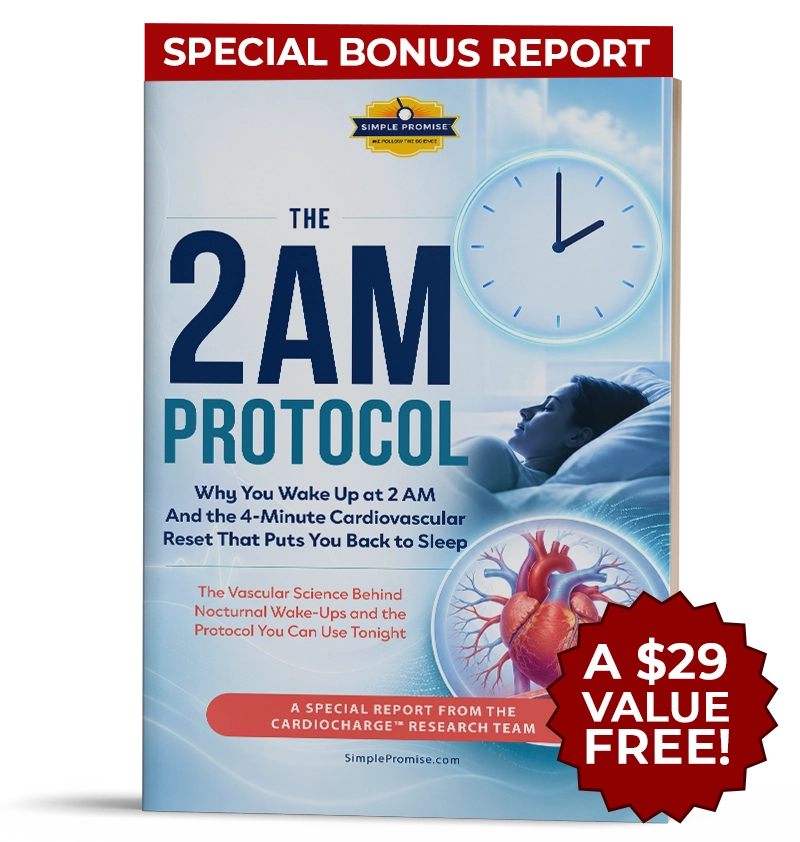
CardioCharge Bonuses


Frequently Asked Questions (FAQs)
Q: What is CardioCharge primarily designed to support?
A: CardioCharge is formulated for adults interested in supporting normal cardiovascular function and nutritional processes associated with circulation. Its ingredients include botanical extracts, minerals, and compounds involved in cellular metabolism. The intended benefits include antioxidant support, normal electrolyte function, and maintenance of healthy vascular physiology. It is not an approved treatment for cardiovascular disease.
Q: How long does CardioCharge take to work?
A: There is no established clinical timeline demonstrating when the complete CardioCharge formula produces measurable benefits. The response to supplementation can vary with dietary intake, underlying health, and ingredient quantities. Consumers should avoid expecting immediate changes in circulation or energy and should continue monitoring relevant health indicators under appropriate medical guidance.
Q: Can CardioCharge replace blood pressure medication?
A: CardioCharge should not replace prescribed blood pressure treatment. Although hibiscus has demonstrated blood-pressure-related effects in some studies, that evidence does not establish CardioCharge as an effective treatment for hypertension. Discontinuing prescribed medication without medical supervision can create serious risks. Anyone taking cardiovascular medication should discuss potential supplement interactions with a qualified healthcare professional.
Q: Does CardioCharge contain caffeine?
A: CardioCharge is marketed as a non-caffeinated cardiovascular support formula. Its energy-related positioning focuses on ingredients involved in normal cellular metabolism rather than conventional stimulants. Consumers with strict ingredient restrictions should still examine the current product label because formulations and manufacturing details can change.
Q: Can CardioCharge help improve physical endurance?
A: The formula contains D-Ribose and magnesium, which participate in normal cellular energy processes. However, the inclusion of these ingredients does not establish that CardioCharge improves physical endurance, exercise capacity, or recovery. Anyone experiencing unexplained exercise intolerance should investigate the underlying cause rather than relying on supplementation.
Q: Is CardioCharge suitable for older adults?
A: Older adults may be interested in cardiovascular nutritional support, but age alone does not establish that a supplement is necessary or appropriate. Kidney function, medication use, blood pressure, and dietary intake become particularly important considerations. A healthcare professional can help determine whether the formula’s mineral and botanical components are suitable for an individual’s circumstances.
Q: Can CardioCharge be combined with other supplements?
A: Combining CardioCharge with other products requires reviewing the total intake of overlapping ingredients. Additional magnesium, potassium, or blood-pressure-related botanicals may create unnecessary exposure. Consumers should compare Supplement Facts panels and discuss combinations with a healthcare professional when managing an existing condition or taking prescription medication.
Q: Where should consumers purchase CardioCharge?
A: Consumers should prioritize an authenticated manufacturer-controlled sales channel or another seller whose authorization can be verified. This helps establish product authenticity and makes it easier to confirm applicable purchase protections. Before placing an order, review the exact product label, total price, shipping conditions, and the written terms of the advertised 365-day money-back guarantee.
Conclusion: Is CardioCharge Worth Considering?
CardioCharge presents an interesting approach to cardiovascular nutrition by combining seven ingredients associated with different aspects of normal physiology. Its formula includes D-Ribose for cellular energy metabolism, hibiscus for its investigated relationship with blood pressure, olive-derived hydroxytyrosol for antioxidant activity, and essential minerals involved in normal cardiovascular function. L-Glycine adds another metabolic and structural component. This combination gives CardioCharge a broader nutritional focus than many single-ingredient supplements. For adults interested in maintaining healthy habits, the product offers a convenient way to incorporate several relevant compounds into one daily drink. Its powdered format and non-caffeinated positioning may be especially appealing to consumers who dislike swallowing capsules or prefer avoiding stimulant-based products.
The scientific background deserves a balanced interpretation. Research involving hibiscus, olive polyphenols, magnesium, and potassium provides legitimate reasons to investigate their contributions to cardiovascular wellness. However, these findings should not be interpreted as proof that CardioCharge improves arterial flexibility, prevents cardiovascular disease, or produces noticeable energy improvements. The clinical value of the complete formula depends on its ingredient quantities and how those quantities compare with those evaluated in human research. Without published product-specific clinical trials, it remains difficult to predict the magnitude of any benefit. Consumers should therefore evaluate CardioCharge as a nutritional supplement with plausible mechanisms rather than a clinically established cardiovascular intervention.
Safety and transparency are equally important. The presence of potassium, magnesium, and hibiscus makes the formula unsuitable for indiscriminate use, particularly among people with kidney disease or those taking medications that influence electrolyte balance and blood pressure. Anyone interested in purchasing CardioCharge should examine the complete Supplement Facts panel, verify the manufacturer’s quality information, and establish whether the ingredient amounts fit their individual needs. Cost also deserves consideration because a supplement intended for daily use creates an ongoing financial commitment. The advertised 365-day money-back guarantee may provide useful purchase protection, but its conditions should be checked directly with the seller. These considerations help consumers distinguish meaningful product value from attractive marketing language.
CardioCharge may be worth considering for adults seeking a convenient, non-caffeinated supplement containing ingredients relevant to cardiovascular nutrition. Its formulation offers an appealing combination of botanical extracts, essential minerals, and cellular energy-related compounds. Nevertheless, the strongest long-term cardiovascular benefits continue to come from established practices such as appropriate nutrition, regular physical activity, blood pressure management, and adherence to necessary medical treatment. For readers interested in trying CardioCharge, the appropriate next step is to review the complete ingredient label, confirm that the formula is compatible with their health circumstances, and verify the current purchase conditions. Visit the verified CardioCharge official website to examine the latest product information, available packages, and refund terms before deciding whether it deserves a place in your daily wellness routine.
References
- Ellis, L. R., et al. (2022). A systematic review and meta-analysis of the effects of Hibiscus sabdariffa on blood pressure and cardiometabolic markers. Nutrition Reviews. Read the study on PubMed.
- National Institutes of Health, Office of Dietary Supplements. Potassium: Fact Sheet for Health Professionals. A comprehensive reference covering potassium physiology, health effects, safety considerations, and medication interactions. Read the NIH fact sheet.
- National Institutes of Health, Office of Dietary Supplements. Magnesium: Fact Sheet for Health Professionals. An evidence-based overview of magnesium’s biological functions, dietary requirements, and potential interactions. Read the NIH fact sheet.
- Effects of Hydroxytyrosol in Endothelial Functioning: A Comprehensive Review (2023). A scientific review examining olive-derived hydroxytyrosol and its potential relationship with endothelial function and oxidative stress. Read the review on PubMed.
- U.S. Food and Drug Administration. FDA 101: Dietary Supplements. Official guidance explaining supplement regulation, manufacturer responsibilities, and the distinction between FDA oversight and product approval. Read the FDA guidance.
Disclaimer
This CardioCharge review is provided for educational and informational purposes only and does not constitute medical advice. CardioCharge is a dietary supplement and is not intended to diagnose, treat, cure, or prevent any disease. Individual responses may vary. Consult a qualified healthcare professional before using this supplement, particularly if you have an existing medical condition or take prescription medication. Product-specific claims and purchase terms should be independently verified before ordering.
[…] Clear 7 is a daily dietary supplement formulated to support cardiovascular wellness and natural energy production. Its composition centers on three ingredients: Coenzyme Q10, […]